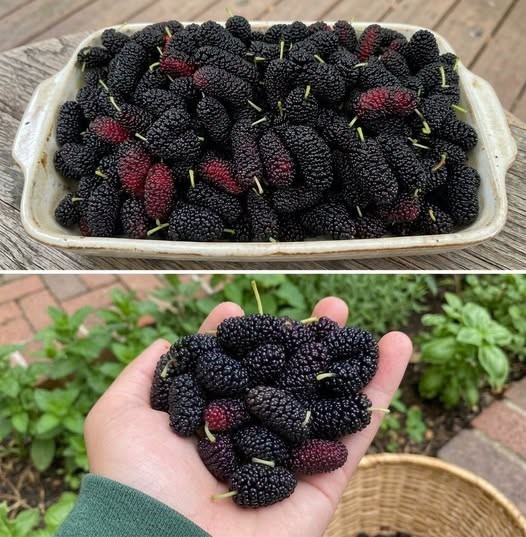
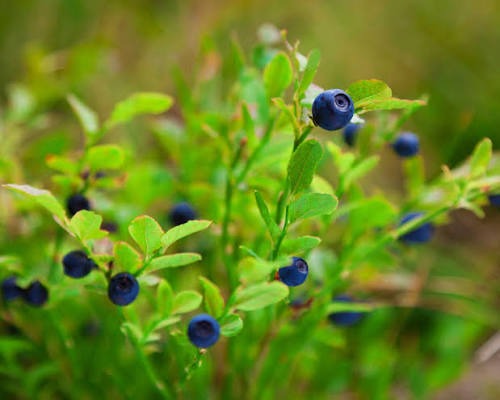
Imagine walking through a European forest and noticing a small shrub covered with dark blue berries. They might look familiar at first glance, almost like tiny blueberries. But these berries are slightly different.
They are bilberries, a fruit that has been enjoyed in parts of Europe for centuries but remains relatively unfamiliar to many people elsewhere.
Small, dark, and naturally colorful, bilberries have attracted interest not only because of their flavor but also because of the plant compounds responsible for their deep blue-purple appearance. Modern researchers have been studying these compounds to better understand how berries may fit into a healthy diet.
While bilberries are sometimes surrounded by impressive health claims, the real story is more balanced. They are a nutritious fruit containing fiber, vitamins, minerals, and naturally occurring plant compounds, but they are not a substitute for medical treatment.
So what exactly makes this little berry so interesting?
What Are Bilberries?
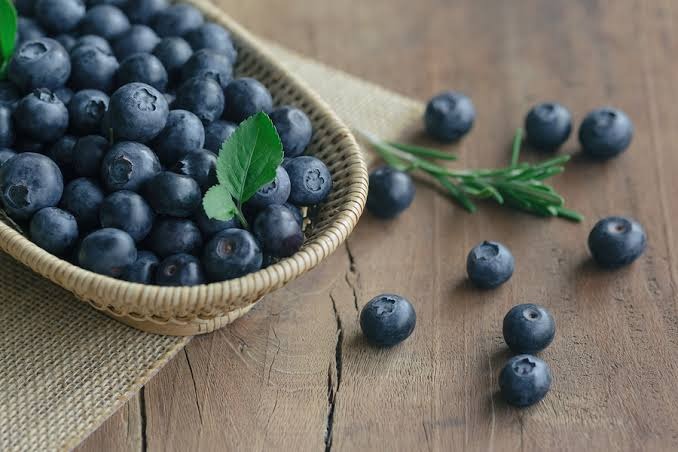
Bilberries belong to the Vaccinium genus, the same broad plant group that includes blueberries and cranberries.
They are particularly associated with European landscapes and are commonly found growing in heathlands, forests, and mountainous areas.
Although bilberries and blueberries can look similar, they are not exactly the same fruit.
Bilberries are generally smaller and darker, and their flesh can have a deep reddish-purple color. Many cultivated blueberries, by comparison, have lighter flesh.
Their scientific background also helps explain their reputation. Bilberries contain naturally occurring pigments known as anthocyanins, which belong to a larger group of plant compounds called polyphenols.
These compounds contribute to the berry’s striking color.
And that color is more than just attractive.
Why Are Bilberries So Dark?
The deep blue, purple, and reddish tones found in bilberries come largely from anthocyanins.
Anthocyanins are pigments found naturally in many colorful fruits and vegetables. They are also studied for their antioxidant properties.
Antioxidants are substances that can help protect cells from oxidative stress. Oxidative stress occurs when there is an imbalance between unstable molecules and the body’s ability to counteract them.
This is one reason scientists have become interested in colorful plant foods.
However, it is important to avoid turning the presence of antioxidants into an exaggerated health promise.
Eating an antioxidant-rich fruit does not mean it can prevent every health problem. Instead, bilberries can be viewed as one nutritious component of an overall eating pattern that includes a wide variety of fruits, vegetables, whole grains, legumes, nuts, and other minimally processed foods.
Bilberries and Eye Health
Perhaps the most famous association surrounding bilberries is their connection with vision.
The idea has been discussed for decades, and bilberry extracts have been investigated in various studies because of their anthocyanin content.
There is a reasonable biological interest here. The eyes contain tissues that are particularly sensitive to oxidative processes, and researchers have explored whether plant compounds found in berries could provide supportive effects.
However, the evidence should be interpreted carefully.
Bilberries should not be considered a treatment for vision problems, and eating them cannot replace an eye examination or professional medical care.
Some studies have investigated bilberry extracts for specific eye-related conditions, but research findings have not established that bilberries are a universal solution for maintaining or improving eyesight.
This distinction is important because nutritional research can easily become exaggerated online.
A food can contain potentially beneficial compounds without being a medical treatment.
Could Bilberries Support Heart Health?

The potential benefits of bilberries extend beyond the eyes.
Anthocyanins and other polyphenols found in berries have attracted scientific interest because of their possible relationship with cardiovascular health.
Researchers have investigated whether diets rich in berries and other plant foods may contribute to healthy blood vessel function.
Some studies have explored the relationship between berry consumption and measures such as blood pressure and vascular function. Results can vary depending on the type of berry, the amount consumed, the study design, and the health of participants.
Therefore, it is more accurate to say that bilberries may contribute to a heart-friendly dietary pattern rather than claiming that they directly prevent cardiovascular disease.
Healthy eating is rarely about one magical ingredient.
Instead, long-term dietary patterns matter.
A Natural Source of Plant Compounds
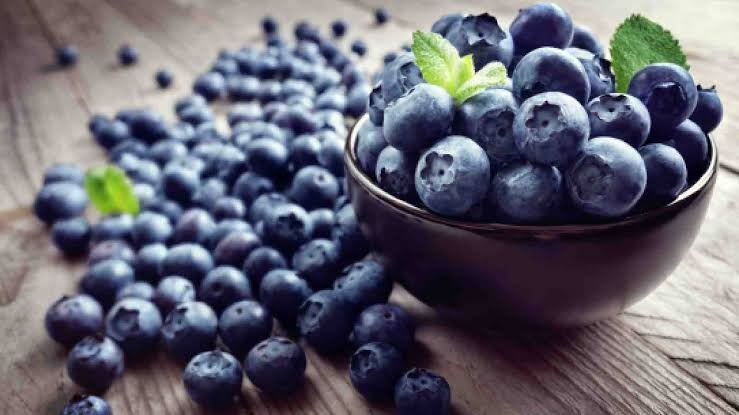
One of the most appealing features of bilberries is their combination of nutrients and naturally occurring plant compounds.
Like many fruits, they can contribute to daily fruit intake while providing fiber and other nutrients.
Fiber is particularly valuable as part of a balanced diet because it supports normal digestive function and can contribute to feelings of fullness.
Bilberries also contain naturally occurring vitamin C and other micronutrients, although the exact nutritional profile can vary depending on growing conditions, ripeness, storage, and preparation.
Fresh fruit generally provides a different nutritional experience from concentrated supplements.
That is why whole fruits are usually a sensible starting point for people looking to improve their diets.
Bilberries in Traditional European Culture
Bilberries have a long history in parts of Europe.
They have traditionally been collected from wild plants and used in a variety of foods, including desserts, preserves, drinks, and baked goods.
In some regions, gathering wild berries has been part of seasonal traditions.
This cultural history is worth remembering because food is not only about nutrition.
A fruit can become part of local identity, family traditions, and regional cuisine.
For generations, people have enjoyed bilberries because they were available, flavorful, and versatile.
Modern interest in their plant compounds has simply added another dimension to their story.
Bilberries Versus Blueberries
If you have never encountered a bilberry, you might reasonably ask how it differs from a blueberry.
The two fruits are closely related, but they have noticeable differences.
Bilberries are generally smaller and darker. Their flesh can stain the fingers and tongue with a strong purple-red color.
Blueberries are often larger and more uniform in appearance, especially cultivated varieties.
The flavor can differ as well.
Bilberries tend to have an intense, slightly tart flavor, while cultivated blueberries are often sweeter and milder.
Nutritionally, both can be valuable additions to a balanced diet.
There is no need to treat them as competitors.
If blueberries are easier to find where you live, they can still provide many of the same categories of beneficial plant compounds found in other colorful berries.
Fresh Fruit or Bilberry Supplements?
Bilberries are available in several forms.
You may encounter them fresh, frozen, dried, powdered, or as ingredients in supplements.
Whole or minimally processed fruit has one major advantage: you consume the berry as part of its natural food matrix, including fiber and other nutrients.
Supplements are different.
A bilberry capsule may contain a concentrated extract, and the amount of anthocyanins can vary considerably between products.
More is not automatically better.
Supplements can also interact with medications or may not be appropriate for everyone.
Anyone considering a concentrated bilberry supplement, particularly someone taking medication or managing an existing health condition, should discuss it with a qualified healthcare professional.
Are There Any Risks?
For most people, eating bilberries as a normal food is unlikely to be a major concern.
However, individual circumstances matter.
People with food allergies or sensitivities should naturally avoid foods that cause them problems.
There is also an important distinction between eating fruit and consuming concentrated extracts.
A supplement can deliver compounds at much higher concentrations than someone would normally obtain from a serving of fruit.
That is one reason nutritional supplements should not automatically be treated as equivalent to whole foods.
If you have a medical condition, take prescription medication, or are considering a concentrated botanical supplement, professional guidance is appropriate.
The Mythology Around “Superfoods”
The growing popularity of bilberries also illustrates a broader trend in nutrition.
Every few years, a relatively unfamiliar food becomes labeled a “superfood.”
The term sounds impressive, but it has no precise scientific definition.
Bilberries certainly contain interesting nutrients and plant compounds. But calling them a miracle food can create unrealistic expectations.
No single berry can provide everything the body needs.
A healthy diet depends on variety.
Think of bilberries as one colorful piece of a much larger nutritional picture.
Vegetables, fruits, legumes, whole grains, nuts, seeds, fish or other protein sources, and adequate hydration all have their place.
How to Add Bilberries to Your Diet
If bilberries are available where you live, incorporating them into meals can be simple.
They can be mixed into oatmeal or yogurt, added to smoothies, used in baked dishes, or enjoyed as part of a fruit salad.
Dried bilberries can also be used in cereals or homemade snacks.
The key is not to make the food unnecessarily complicated.
A bowl of plain yogurt with berries, for example, can be a simple way to include fruit in your daily routine.
If fresh bilberries are difficult to find, frozen berries can also be convenient.
What Does the Science Really Tell Us?
The scientific picture is promising but not definitive.
Bilberries contain anthocyanins and other compounds that have biological properties researchers continue to investigate.
Studies have explored potential relationships with vision, blood vessel function, inflammation, and other aspects of health.
However, laboratory findings do not automatically translate into proven benefits in humans.
The strength of evidence depends on the type and quality of research available.
This is especially important when discussing supplements, extracts, or specific medical conditions.
A responsible conclusion is therefore relatively simple:
Bilberries are nutritious fruits with interesting plant compounds, but they should be viewed as part of a healthy lifestyle rather than as a cure or guaranteed treatment.
Why This Tiny Berry Continues to Fascinate Us
There is something appealing about discovering a food that has remained relatively unknown outside the regions where it traditionally grows.
Bilberries demonstrate how much diversity exists in the natural world.
They may be small, but their intense color, distinctive flavor, cultural history, and nutritional composition have given researchers plenty to explore.
Perhaps their greatest lesson is not that one mysterious berry holds the secret to perfect health.
It is that nature contains countless foods with different combinations of nutrients and plant compounds, many of which have been part of human diets long before modern nutrition science began studying them.
Final Thoughts
Bilberries may never become as universally recognized as apples, oranges, or strawberries, but their story is certainly worth knowing.
Their dark color comes from anthocyanins, their traditional use stretches back generations, and modern research continues to investigate how these compounds may relate to human health.
At the same time, science encourages us to keep our expectations realistic.
Bilberries are not a replacement for medical care, and no single food can guarantee good health.
What matters most is the overall pattern: a varied diet rich in minimally processed foods, regular physical activity, adequate rest, and appropriate healthcare when needed.
Perhaps that is what makes bilberries so fascinating.
A tiny berry can inspire questions about nutrition, traditional knowledge, plant science, and human curiosity.
And sometimes, discovering the story behind a small fruit reminds us of something much bigger: there is still an extraordinary amount of nature waiting to be understood.
Sources
For further reading and scientific information, reputable resources include:
National Institutes of Health (NIH) Office of Dietary Supplements — information about dietary supplements and evidence-based nutrition.
PubMed — peer-reviewed scientific research concerning bilberries, anthocyanins, and human health.
Harvard T.H. Chan School of Public Health — evidence-based information about berries, plant foods, and healthy dietary patterns.
European Food Safety Authority (EFSA) — scientific assessments concerning nutrition, food components, and health claims.
U.S. Department of Agriculture (USDA) — nutritional information and guidance concerning fruits and healthy dietary patterns.