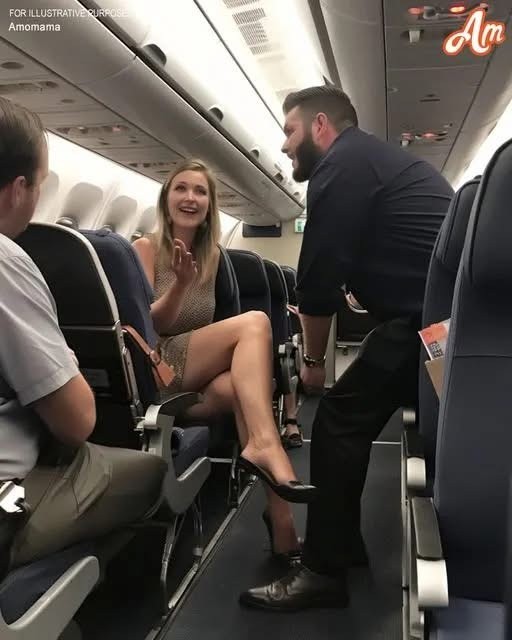
Ever Had Seatmates From Hell? Meet the Newlyweds Who Turned My 14-Hour Flight Into a Nightmare
Long-haul flights can test even the most patient travelers. Limited personal space, fatigue, changing time zones, noise, and the need to follow safety procedures all make cabin etiquette essential. Stories about difficult seatmates are common online, but individual accounts are often impossible to verify independently. Rather than treating every dramatic travel anecdote as established fact, it is more useful to examine the real issues these situations raise: seat-swapping requests, noise, shared cabin space, flight-attendant authority, and respectful ways to address disruptive conduct.
A 14-hour journey is not simply a longer version of a short domestic flight. Passengers may be trying to sleep, work, care for children, manage anxiety, recover from travel delays, or prepare for an important arrival. A comfortable seat, a quiet environment, and predictable rules can make a substantial difference. For that reason, airlines set expectations for passenger behavior and empower cabin crew to maintain safety and order throughout the flight.
Why Long-Haul Flight Etiquette Matters
Commercial aircraft are shared environments with little privacy and limited room to move. Everyone on board has a legitimate interest in a calm, safe, and reasonably comfortable journey. Good etiquette is not about demanding silence or perfection from other passengers. It is about recognizing that individual choices affect dozens or hundreds of people in a confined space.
Common sources of tension include loud entertainment, repeated seat-kicking, taking over armrests, strong fragrances, excessive conversation, reclining disputes, and requests to exchange seats. On longer flights, small annoyances can become more difficult because passengers have fewer opportunities to take a break from the situation. Sleep deprivation and jet lag can also reduce patience on all sides.
Airline crews must balance customer service with safety obligations. They may respond to a complaint by reminding passengers of cabin rules, offering practical alternatives where available, reseating someone, or documenting behavior for the airline. The appropriate response depends on the circumstances, the airline’s policies, seat availability, and whether a safety issue is involved.
Seat-Swapping Requests: Courtesy Is Voluntary
One of the most frequent in-flight disagreements involves requests to swap seats. Couples, families, friends, and traveling companions naturally prefer to sit together. However, a passenger who has selected or paid extra for a particular seat is generally not obligated to give it up simply because another traveler asks.
Premium economy, extra-legroom seats, exit-row seats, aisle seats, and seats near the front of the cabin may involve an additional charge or reflect a traveler’s accessibility, health, work, or comfort needs. A polite request is entirely reasonable. Pressure, criticism, or hostility after a refusal is not.
The most respectful approach is simple: ask once, explain the situation briefly, and accept the answer graciously. If the person agrees, the exchange should usually be comparable. Asking someone to move from a higher-priced cabin or a preferred seat to a less desirable seat without compensation can place them in an awkward position.
Travelers who want to sit together have several options before boarding. They can select seats during booking, pay for advance seat assignments if offered, contact the airline before travel, check in early, or ask gate staff whether suitable seats are available. These options do not guarantee a change, especially on full flights, but they are more appropriate than expecting another passenger to surrender a seat they chose.
Noise, Personal Space, and Consideration for Nearby Passengers
Cabin noise is unavoidable: engines, announcements, meal service, crying infants, and movement through the aisle are part of air travel. Still, passengers can reduce unnecessary disruption. Headphones should be used for movies, music, games, and social-media videos. Calls are generally not permitted during flight, and conversations should be kept at a level appropriate for the setting.
Food is another everyday source of friction. Snacks and meals are normal parts of a long flight, but passengers should take reasonable care with crumbs, packaging, odors, and spills. If food or drink lands on another person’s belongings or clothing, a prompt apology and an effort to help address the problem are appropriate.
Personal space requires similar awareness. Armrests, tray tables, foot space, and the area immediately around a seat are shared or limited resources. Travelers should avoid leaning heavily into another seat, placing personal items in someone else’s space, or repeatedly bumping the seat in front. A passenger who needs to stretch or visit the lavatory should do so considerately and follow instructions from the crew.
Why Safety Rules Apply to Every Passenger
Some cabin requirements may seem minor, but they are designed for a reason. During takeoff, landing, turbulence, and other phases of flight, passengers are expected to remain seated with seatbelts fastened when instructed. Crew members may also require tray tables to be stowed, seatbacks to be upright, aisles to remain clear, and adults to occupy their own seats.
These procedures help reduce the risk of injuries and allow the crew to respond quickly if conditions change. Turbulence, for example, can occur with limited warning. The U.S. Federal Aviation Administration has repeatedly advised travelers to wear their seatbelts whenever seated because unexpected turbulence can injure unrestrained passengers.
It is also important to avoid making assumptions about another person’s health or needs. A passenger requesting access to a lavatory or assistance may have a genuine medical concern. At the same time, crew members are responsible for deciding how to apply safety instructions in the moment. Other passengers should not physically block someone’s path, confront them aggressively, or attempt to enforce rules themselves. The safest course is to alert a flight attendant and allow trained staff to manage the situation.
The Role of Flight Attendants During Passenger Disputes
Flight attendants are trained safety professionals, not merely service staff. Their responsibilities include preparing the cabin for departure and landing, responding to medical issues, communicating safety information, managing evacuations if necessary, and addressing behavior that interferes with crew duties or the comfort and safety of other passengers.
When a disagreement develops, a calm and factual report is usually most effective. Instead of making personal accusations, a passenger can state what happened: “The person beside me is playing audio without headphones,” “Food has been thrown into my seat area,” or “I have been unable to rest because of repeated loud behavior.” Specific details help the crew assess the problem.
Passengers should avoid escalating a conflict by shouting, filming people at close range, insulting them, or trying to publicly humiliate them. Even when someone else is behaving inconsiderately, retaliation can create a larger disturbance and make it harder for the crew to resolve the issue. Cabin crew may not always be able to move passengers on a full aircraft, but they can remind people of rules, monitor the situation, and determine whether further action is necessary.
How to Handle a Difficult Seatmate Constructively
Travel experts commonly recommend a gradual approach when a seatmate’s conduct becomes disruptive. First, if the issue feels safe and minor, make a polite and direct request. A simple statement such as “Would you mind using headphones?” or “Could you please keep your belongings on your side of the armrest?” can resolve many problems.
If the behavior continues, press the call button or speak discreetly with a flight attendant. Explain the issue without exaggeration. It can be helpful to mention when the problem began and whether you have already tried to address it. If the behavior includes threats, harassment, refusal to follow crew instructions, or conduct that appears unsafe, contact the crew immediately rather than confronting the person further.
For travelers concerned about being seated beside a disruptive passenger, preparation can also help. Noise-canceling headphones, earplugs, a sleep mask, downloaded entertainment, water, and essential medications can make a long journey more manageable. Choosing a seat in advance, when possible, may also reduce uncertainty. None of these steps can prevent every problem, but they can give travelers more control over their comfort.
Respectful Travel Is a Shared Responsibility
Traveling as a couple, celebrating a wedding, or taking a long-awaited holiday does not exempt anyone from the basic expectations of public behavior. Equally, a tired business traveler, a parent, or a solo passenger does not have greater rights than everyone else in the cabin. The most successful flights are those in which passengers recognize that courtesy works both ways.
It is reasonable to ask for a favor, but it is equally reasonable for another person to decline. It is understandable to feel frustrated by cramped conditions, but it is not acceptable to take that frustration out on nearby travelers or crew members. It is appropriate to report disruptive conduct, but it is best to do so calmly and leave enforcement to airline professionals.
Air travel depends on cooperation. From boarding through arrival, passengers share a limited space under rules intended to protect everyone. A little patience, clear communication, and respect for cabin crew can prevent many conflicts from turning a difficult flight into an unforgettable one for the wrong reasons.
Sources
- Federal Aviation Administration: Fly Safe Information for Travelers
- Federal Aviation Administration: Unruly Passenger Policy
- International Air Transport Association: Traveler Information
- Centers for Disease Control and Prevention: Travel Health
- U.S. Department of Transportation: Air Consumer Information
Disclaimer: This content is intended for entertainment purposes only and is not based on real events.