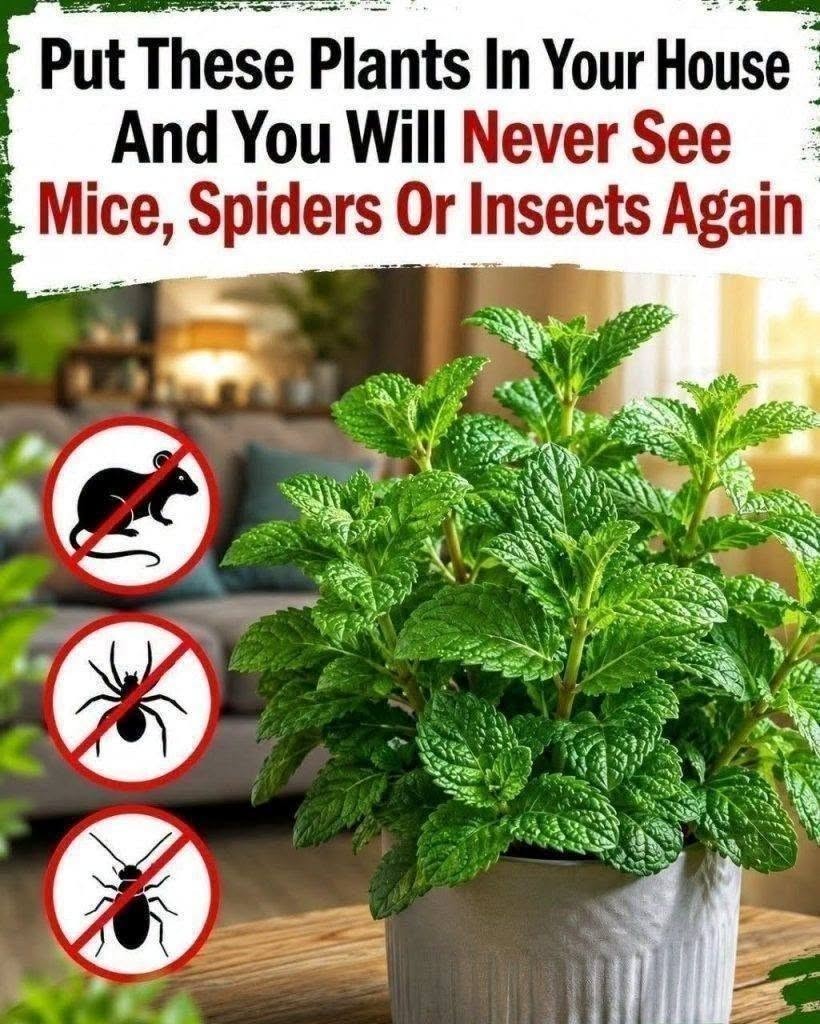
Say Goodbye to Mice, Mosquitoes, and Other Insects in Your Garden with Natural Repellent Plants
September 29, 2026

Introduction: The Challenge of Garden Pests
Gardens are a sanctuary for many, offering aesthetic beauty and practical benefits such as food, relaxation, and biodiversity. However, the presence of undesirable pests—mice, mosquitoes, and other insects—can threaten the well-being of these spaces and their caretakers. While insects play crucial roles in pollination and ecological balance, some species can become nuisances and even pose health risks.
The Ecological Role of Insects: Why Not All Bugs Are Bad
Insects are integral to the natural ecosystem. Bees and butterflies, for example, serve as key pollinators for a wide range of plants. Other insects help decompose organic matter and aid in soil health. Despite their importance, certain insects can interfere with human activities or introduce danger. Mosquitoes may transmit diseases, while mice can damage plants and spread bacteria. Maintaining a balance between preserving beneficial insect populations and protecting humans from harmful pests is critical.
Health Concerns and Traditional Pest Control Methods
To combat garden pests, many homeowners resort to chemical insect repellents and pesticides, often relying on products containing agents like DEET (N,N-Diethyl-meta-toluamide). Although DEET is recognized for its effectiveness in deterring mosquitoes and other insects, scientific studies have documented potential health concerns. DEET is a neurotoxin, capable of causing skin irritation, allergic reactions, and, in rare cases, neurological effects, particularly in children and pets. Residual chemicals from sprays and gels can also contaminate soil and water, potentially disrupting local wildlife and beneficial insect populations.
Experts from organizations such as the Centers for Disease Control and Prevention (CDC) recommend careful, limited use of chemical repellents and highlight the importance of protective alternatives. Environmental research underscores the long-term impacts of synthetic pesticides on ecosystems, including resistance development in pests and pollution.
Plants as a Natural, Eco-Friendly Alternative
Plants have evolved to protect themselves from predation, employing chemical compounds known as essential oils. These oils act as natural deterrents and are contained in microscopic globules distributed throughout the plant’s leaves, stems, and flowers. For centuries, humans have harnessed these effects, cultivating certain plants specifically to reduce pest activity in gardens, farms, and homes.
Unlike chemical repellents, these plants offer repellent benefits without introducing harmful toxins to the environment. Plant-based methods are generally safer for children, pets, and pollinators, making them an ideal choice for conscientious gardeners. Furthermore, cultivating these species helps foster biodiversity and may enhance the attractiveness of outdoor spaces as well.
How Do Repellent Plants Deter Insects and Rodents?
The efficacy of repellent plants lies in their unique chemical profiles. Essential oils produced by these species—such as citronella, lavender, peppermint, and rosemary—release volatile compounds that interfere with the olfactory and neurological systems of insects and small mammals. When pests detect these odors, they often retreat or avoid the area entirely.
Some plants also produce compounds that act as physical barriers or irritants to insect feeding. For mice and rodents, strong-smelling herbs like mint make the garden environment less hospitable. The use of repellent plants is grounded in both anecdotal tradition and scientific study; researchers have demonstrated consistent reductions in pest populations where these plants are introduced.
Popular Plants That Repel Mice, Mosquitoes, and Other Insects
Several plants offer potent, natural repellent capabilities. Below are some of the most widely recommended species by gardening experts and entomologists:
- Citronella: Known for its effectiveness against mosquitoes, citronella grass (Cymbopogon nardus) contains citronellal, citronellol, and geraniol—compounds that confuse and repel biting insects. Often used in candles and sprays, planting citronella around patios and pathways can achieve similar results.
- Lavender: Lavender (Lavandula spp.) emits a floral aroma disliked by flies, mosquitoes, moths, and some rodents. Its dense foliage can also provide shelter for beneficial insects.
- Peppermint: Both mice and ants are deterred by the strong scent of peppermint (Mentha piperita). The plant’s essential oil can be distilled and applied to hotspots, or simply grown as a barrier.
- Rosemary: Apart from its culinary uses, rosemary (Rosmarinus officinalis) repels mosquitoes and a range of insect pests. Its woody stems and fragrant leaves make it suitable for borders and pots.
- Marigold: Marigolds (Tagetes spp.) contain pyrethrum, a natural insecticide effective against aphids, mosquitoes, and nematodes. Their bright flowers are also visually appealing in garden landscapes.
- Basil: Basil (Ocimum basilicum) deters mosquitoes and flies due to its high concentration of eugenol. Growing basil near windows or sitting areas can reduce indoor pest entry.
- Lemongrass: Lemongrass (Cymbopogon citratus) is another mosquito-repellent species, containing similar oils to citronella.
- Garlic: Garlic (Allium sativum) produces sulfur compounds that repel mosquitoes, mites, and beetles. Interplanting garlic with vegetables provides an organic pest shield.
Integrating Repellent Plants into Your Garden Design
Successfully deterring pests with plants involves strategic placement and continued care. Experts at gardening associations recommend using companion planting techniques—grouping repellent plants alongside susceptible species. For instance, basil and marigolds planted with tomatoes can help protect crops from insect damage.
Bordering the perimeter of your garden with lavender or rosemary creates a fragrant barrier that interrupts pest paths. Pots with mint or citronella can be relocated as needed to safeguard sitting areas or entryways. Regular pruning and healthy soil maintenance will keep repellent plants vibrant and effective.
Comparing Effectiveness and Sustainability
While natural repellent plants offer robust, eco-friendly pest control, their effectiveness depends on environmental factors, plant health, and pest species present. Chemical repellents usually provide immediate results, but pose sustainability challenges and health risks. Integrating natural solutions within a broader pest management plan—alongside physical barriers and other organic practices—ensures long-term protection and garden health.
Scientific reviews by organizations such as the World Health Organization (WHO) indicate that multi-modal approaches reduce reliance on hazardous chemicals and help slow development of pest resistance.
Expert Opinions on Natural Repellent Plants
According to horticulturists and entomologists, including experts at the Mayo Clinic, plant-based repellents are effective for minor pest problems and are generally safe for family gardens. They caution, however, that severe infestations may require additional interventions, such as biological controls or targeted treatments. Studies published in journals such as “Pest Management Science” highlight the benefits of essential oil compounds and call for expanded research into sustainable gardening.
Global and Societal Perspectives
As awareness of environmental health grows, demand for natural pest control methods has risen worldwide. Many societies promote plant-based solutions in urban, rural, and agricultural settings. Government agencies and NGOs encourage community gardens to incorporate repellent species, reducing dependence on commercial pesticides. In developing regions, these strategies also support food security, public health, and biodiversity.
International organizations provide guidance on safe gardening practices, documenting the success of repellent plants in improving quality of life and ecosystem resilience.
Conclusion: Creating a Healthier, Pest-Free Garden
Repellent plants offer a safe, effective, and sustainable way to manage pests in the garden. By harnessing nature’s own solutions, gardeners can protect themselves, their families, and their crops without risking health or disrupting local ecology. Strategic planting, careful maintenance, and ongoing observation are key to success. As scientific and public interest continues to grow, natural pest control remains a promising path toward healthier, greener outdoor living.
Sources
- Centers for Disease Control and Prevention (CDC)
- World Health Organization (WHO)
- BBC Science & Environment
- Mayo Clinic
- The Guardian Environment
- Reuters Environment News
Disclaimer: This content is intended for entertainment purposes only and is not based on real events.