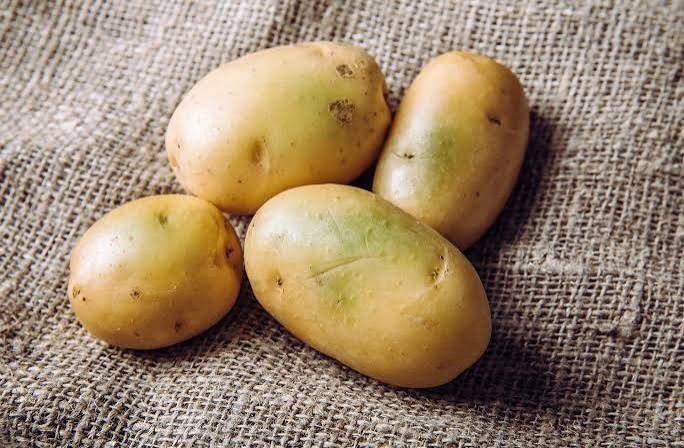
Have you ever reached into your pantry to prepare mashed potatoes, roasted potatoes, or a comforting homemade stew, only to discover that some of your potatoes have developed an unusual green tint?
It is a surprisingly common kitchen discovery. You might wonder whether the potatoes are still fresh, whether they have been stored incorrectly, or whether the entire bag needs to be thrown away.
The good news is that understanding why potatoes turn green can help you make a more informed decision. However, the green color is worth paying attention to because it can be associated with naturally occurring compounds that may cause illness when consumed in excessive amounts.
Green potatoes are not necessarily dangerous in every situation, but they should never be treated as automatically safe. Their appearance, texture, storage history, and the extent of discoloration all matter.
In this guide, we will explore why potatoes turn green, what food-safety experts recommend, how to recognize potatoes that should be discarded, and how to store potatoes properly to prevent unwanted changes.
Why Do Potatoes Turn Green?
The green color that sometimes appears on potato skins comes from a natural pigment called chlorophyll. This is the same pigment responsible for the green color of leaves, spinach, broccoli, and many other plants.
Potatoes grow underground, where they are normally protected from direct sunlight. However, when potato tubers are exposed to light during growing, transportation, display, or storage, they can begin producing chlorophyll.
This process explains why potatoes left on a bright kitchen counter or stored in a transparent container may gradually develop green patches.
Chlorophyll itself is not considered toxic. The concern is that the conditions that encourage greening can also stimulate the production of naturally occurring chemicals called glycoalkaloids.
The two principal glycoalkaloids found in potatoes are:
- Alpha-solanine: A naturally occurring compound that helps protect potato plants against certain pests and other threats.
- Alpha-chaconine: Another naturally occurring glycoalkaloid that contributes to the potato plant’s natural defense system.
Both compounds can become a food-safety concern when their concentrations become too high.
According to the European Food Safety Authority (EFSA), excessive exposure to potato glycoalkaloids can cause gastrointestinal symptoms, including nausea, vomiting, and diarrhea.
It is important to understand that chlorophyll production and glycoalkaloid production are separate biological processes. Nevertheless, both can be stimulated by light, which is why green discoloration serves as a useful warning sign.
Are Green Potatoes Safe to Eat?
The answer depends on how much of the potato has turned green and whether there are other signs of deterioration.
A potato with a small, localized green area is different from one that is extensively green, heavily sprouted, soft, or deteriorating.
Food-safety guidance generally recommends removing green areas and peeling potatoes thoroughly when discoloration is limited. Potatoes with extensive greening or other signs of deterioration should be discarded.
When a Potato Has Only a Small Green Patch
If a potato is firm, otherwise healthy-looking, and has only a small area of green discoloration, it may be possible to prepare it safely by removing the affected portions generously.
Follow these precautions:
- Wash the potato under clean running water to remove dirt and surface debris.
- Peel the potato rather than relying on a light scrape of the skin.
- Cut away all visible green areas, including the surrounding affected tissue.
- Remove the eyes and any sprouts, paying particular attention to the areas around them.
- Inspect the exposed flesh carefully before deciding whether to use the potato.
If green discoloration extends beneath the skin or appears throughout the potato, discard it rather than attempting to salvage it.
One important consideration is that peeling and trimming reduce glycoalkaloid exposure but cannot guarantee that every questionable potato is safe. When the discoloration is more than minor, choosing another potato is the more cautious option.
When a Potato Is Very Green, Sprouted, or Soft
Some potatoes show more serious warning signs than a small green patch. In these situations, discarding the potato is the safest decision.
Look out for the following characteristics:
- Extensive green discoloration: Large areas of green skin or green flesh suggest that the potato has experienced significant exposure to conditions associated with glycoalkaloid formation.
- Heavy sprouting: Numerous or substantial sprouts are another reason to avoid eating the potato, particularly when accompanied by greening or deterioration.
- Soft or shriveled texture: A potato that has lost its firmness or become noticeably dried out may be past its useful storage life.
- Visible decay: Rotting, mold, or other obvious spoilage indicates that the potato should be discarded.
- Unusual bitterness: A distinctly bitter taste or burning sensation in the mouth can be a warning sign associated with elevated glycoalkaloid levels.
Do not attempt to rescue an extensively green or deteriorated potato by removing a few patches. It is better to replace it with a fresh one.
What Happens If You Eat Green Potatoes?
Most healthy potatoes contain naturally occurring glycoalkaloids in relatively low concentrations. However, levels can increase considerably under certain growing and storage conditions.
Eating potatoes with excessive glycoalkaloid concentrations can lead to potato glycoalkaloid poisoning.
The digestive system is commonly affected first. Depending on the amount consumed and individual circumstances, possible symptoms include:
- Nausea
- Vomiting
- Abdominal pain or stomach cramps
- Diarrhea
- Headaches
- A bitter or burning sensation in the mouth
More substantial exposure can also be associated with neurological symptoms, including confusion, weakness, drowsiness, and disturbances in vision.
The severity of a reaction depends on factors such as the glycoalkaloid concentration, the amount eaten, and the person’s body weight.
The European Food Safety Authority has identified particular concerns for infants and young children because their exposure relative to body weight can be higher. Adults who consume unusually large amounts may also face health risks.
For this reason, food-safety organizations recommend taking particular care when preparing potatoes for young children.
If someone develops symptoms after eating a questionable potato, contact a medical professional or poison control center for guidance. In the United States, Poison Control can be reached at 1-800-222-1222. Serious symptoms require prompt medical attention.
Does Cooking Remove Solanine From Green Potatoes?
This is one of the most important questions about green potatoes.
Many people assume that boiling, baking, roasting, or frying potatoes will make them safe, even if they have developed significant green discoloration.
Unfortunately, ordinary cooking should not be relied upon to eliminate potato glycoalkaloids.
These naturally occurring compounds are relatively resistant to normal household cooking temperatures. Although certain preparation methods can reduce their concentrations, the amount removed varies considerably.
Research assessed by the European Food Safety Authority found that processing can reduce glycoalkaloid levels under some conditions. Its assessment reported reductions associated with peeling, boiling, and frying, although the results varied substantially depending on the preparation method.
Health Canada similarly advises consumers not to rely on ordinary cooking to make potatoes with elevated glycoalkaloid concentrations safe.
This distinction is important. A reduction in chemical concentration does not necessarily mean that a potato has become safe to eat.
For practical household food safety, the best approach is to remove minor green areas generously when appropriate and discard extensively green or questionable potatoes before cooking.
Why Does a Potato’s Taste Matter?
Taste can provide another useful warning sign when assessing potatoes.
Potatoes with elevated glycoalkaloid concentrations may develop an unusually bitter flavor. Some people may also notice a burning or unpleasant sensation in the mouth.
However, taste should never be used as the primary method of determining whether a potato is safe.
You should not deliberately taste a green, heavily sprouted, or deteriorated potato to test its safety.
If a potato has already been prepared and tastes distinctly bitter or produces a burning sensation, stop eating it and discard the remaining food.
Remember that a normal taste does not guarantee that glycoalkaloid levels are safe. Visual inspection and sensible food-handling practices remain essential.
My Simple Pantry Rule: Look, Feel, and Decide
When sorting through potatoes at home, a straightforward inspection routine can make food preparation easier and safer.
Remember three simple steps: Look. Feel. Decide.
1. Look at the Color
Check the skin for green patches, unusual discoloration, sprouts, and visible signs of decay.
A small green area should be treated cautiously, while extensive greening is a reason to discard the potato.
2. Check the Texture
A fresh potato should generally feel firm. Softness, excessive shriveling, and signs of deterioration suggest that it may no longer be suitable for consumption.
3. Make a Sensible Decision
If the potato is extensively green, significantly sprouted, damaged, or otherwise questionable, do not take unnecessary risks.
Discarding one potato is a much simpler solution than risking an avoidable food-safety problem.
How to Prevent Potatoes From Turning Green
Prevention is often easier than deciding what to do with potatoes that have already developed green patches.
Fortunately, a few simple storage habits can help reduce light exposure, slow deterioration, and keep potatoes in better condition for longer.
Store Potatoes in a Cool, Dark, and Dry Place
Potatoes generally keep best in a cool, dark, dry location with good air circulation.
A pantry, suitable cupboard, or ventilated storage area can provide an appropriate environment.
Avoid storing potatoes in places where they are exposed to direct sunlight, bright kitchen lighting, or excessive warmth.
Temperature and storage conditions can influence both sprouting and glycoalkaloid formation, so maintaining a suitable environment is important.
Keep Potatoes Away From Direct Light
Light exposure is one of the main factors associated with potato greening.
Rather than leaving potatoes on a sunny countertop, choose an opaque storage container or paper bag that helps block light.
A dark pantry shelf is generally a better option than a transparent container near a window.
Remember that artificial lighting can also contribute to greening. Potatoes should remain protected from light even when they are stored indoors.
Provide Good Air Circulation
Potatoes should not be stored in tightly sealed containers that trap moisture.
Paper bags, ventilated baskets, and suitable pantry containers can help maintain airflow.
Good ventilation helps reduce moisture accumulation and supports better storage conditions.
Before storing potatoes, remove any that are visibly damaged or beginning to deteriorate so that they do not compromise the quality of the remaining produce.
Store Potatoes and Onions Separately
Potatoes and onions are both common pantry staples, but storing them separately is a practical household habit.
Give each vegetable its own ventilated storage space, keeping both away from direct light and excessive moisture.
Separating produce also makes it easier to inspect each item and identify early signs of deterioration.
Be Careful About Refrigerating Raw Potatoes
For ordinary household storage, a cool, dark, dry, well-ventilated pantry is generally preferable to a refrigerator for raw potatoes.
Cold refrigeration can change the balance of sugars and starches in potatoes. This can affect their flavor, texture, and browning behavior when cooked, particularly during high-temperature preparation.
If your home is unusually warm and you cannot find a suitable storage location, follow appropriate food-storage guidance for your particular circumstances.
Regardless of where you store them, regularly inspect potatoes for greening, sprouting, softness, and deterioration.
Buy Only the Amount You Need
Buying potatoes in bulk may appear economical, but large quantities can become wasteful if they are not used before their quality declines.
If your household only prepares potatoes occasionally, consider purchasing smaller quantities.
This simple approach can help reduce food waste, save money, and make it easier to maintain a fresh pantry.
Can Green Potatoes Turn Normal Again?
Another common question is whether potatoes can return to their original condition after being stored in darkness.
Sometimes, the green appearance may become less noticeable after the potato is removed from light. However, this does not mean that elevated glycoalkaloid levels have returned to safe concentrations.
Chlorophyll and glycoalkaloids are different compounds, and changes in visible color do not reliably indicate changes in glycoalkaloid concentration.
For this reason, never assume that a previously green potato has become safe simply because its color appears to have faded.
If a potato has extensive greening, discard it rather than attempting to reverse the discoloration through storage.
Why Proper Potato Storage Matters for Food Waste
Potatoes are an important staple food in many countries. They are affordable, versatile, and used in countless everyday meals, from homemade soups and casseroles to baked potatoes and vegetable dishes.
However, improper storage can shorten their useful life and contribute to unnecessary household food waste.
Understanding the relationship between light exposure, greening, and glycoalkaloids helps consumers make better purchasing and storage decisions.
Rather than buying more potatoes than necessary, households can benefit from planning meals, checking stored produce regularly, and choosing appropriate storage containers.
Food safety and reducing waste can work together. The important distinction is knowing when a potato can reasonably be salvaged through careful trimming and when discarding it is the responsible choice.
A Little Kitchen Calm: Making Informed Food Choices
Discovering green potatoes in the pantry does not need to become a source of unnecessary anxiety.
It is simply an opportunity to understand a little more about the food we prepare and the conditions that affect its quality.
Not every green patch means that an entire bag of potatoes must be thrown away. However, extensive greening, heavy sprouting, deterioration, and unusual bitterness should never be ignored.
Taking a few moments to inspect your ingredients before cooking is a practical habit that supports everyday food safety.
Once you have sorted through your potatoes, you can turn your attention to preparing something delicious with fresh, suitable ingredients. A comforting bowl of homemade vegetable soup, creamy mashed potatoes, or a simple roasted vegetable dish can make an ordinary evening feel special.
Good kitchen habits do not require perfection. They simply involve understanding basic food-safety principles and making sensible decisions consistently.
The Takeaway: Are Green Potatoes Safe to Eat?
So, are green potatoes safe to eat?
The answer depends on the extent of the greening and the overall condition of the potato.
Here are the most important points to remember:
- Green color comes from chlorophyll: Light exposure causes potatoes to produce chlorophyll, creating the familiar green appearance.
- Glycoalkaloids are the real concern: Light exposure and other storage conditions can also increase naturally occurring compounds such as solanine and chaconine.
- Small green areas require careful preparation: If a potato is otherwise firm and healthy, thoroughly peel it and generously remove all green portions, eyes, and sprouts. Discard it if discoloration extends beneath the skin.
- Extensively green or deteriorated potatoes should be discarded: Do not attempt to rescue potatoes that are heavily green, substantially sprouted, soft, or rotting.
- Cooking is not a reliable safety solution: Boiling, baking, and frying should not be relied upon to eliminate excessive glycoalkaloids.
- Proper storage helps prevent greening: Keep potatoes in a cool, dark, dry, well-ventilated place.
Ultimately, the best approach is to inspect potatoes carefully, store them properly, and avoid taking unnecessary risks with questionable produce.
A little knowledge can make everyday food preparation safer and less stressful. And sometimes, the simplest kitchen decision is also the best one: when a potato looks too far gone, let it go.
Do you have a favorite pantry-storage tip that helps keep potatoes fresh? Share your experience in the comments. Your practical ideas may help other home cooks reduce food waste and maintain a safer, better-organized kitchen.
Sources
The following authoritative resources provide additional information about potato glycoalkaloids, food safety, symptoms of exposure, and recommended storage practices.
- USDA Food Safety and Inspection Service – Are Green Potatoes Dangerous?
- European Food Safety Authority – Glycoalkaloids in Potatoes: Public Health Risks Assessed
- European Food Safety Authority – Scientific Risk Assessment of Glycoalkaloids in Potatoes
- Health Canada – Glycoalkaloids in Foods
- Poison Control – Are Green Potatoes Safe to Eat?
- German Federal Institute for Risk Assessment – Frequently Asked Questions About Solanine in Potatoes
- Oregon State University Extension Service – Glycoalkaloids in Potato Tubers
- MedlinePlus – Potato Plant Poisoning: Green Tubers and Sprouts
Disclaimer: This content is intended for entertainment purposes only and is not based on real events.