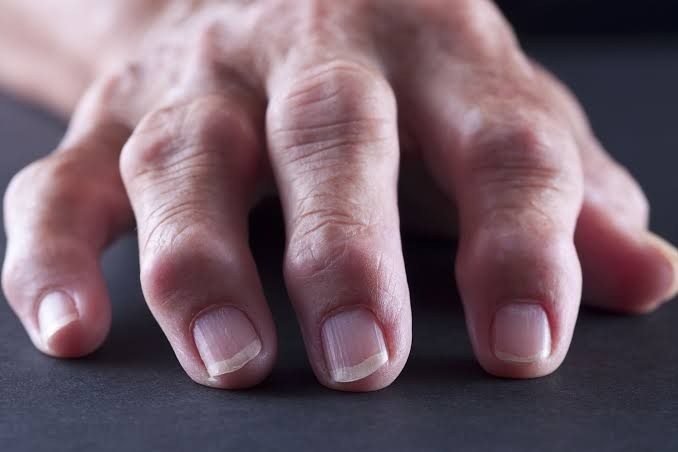
Why Are Hard Bumps Forming on Your Finger Joints?
Noticing hard bumps developing on your finger joints can be surprising, especially when they gradually become more noticeable or appear on several fingers. For some people, these changes develop slowly over many years. For others, they may be accompanied by stiffness, tenderness, swelling, or difficulty performing everyday activities such as fastening buttons, holding a pen, or opening jars.
One common explanation is osteoarthritis (OA), a condition that affects the cartilage and other structures within the joints. When firm, bony enlargements develop around the joints closest to the fingertips, they are often called Heberden’s nodes.
These growths are a recognized feature of hand osteoarthritis and become more common with age. However, not every lump or swelling on a finger has the same cause. Other conditions, including inflammatory arthritis, gout, and small fluid-filled cysts, can also change the appearance of the fingers.
Understanding what these bumps might mean, how they are evaluated, and which treatments may help can make it easier to recognize when medical advice is needed.
What Are Heberden’s Nodes?
Heberden’s nodes are firm, bony enlargements that develop around the distal interphalangeal (DIP) joints, which are the joints closest to the fingernails.
They are associated with osteoarthritis and develop as structural changes occur within the affected joints.
Healthy joints contain cartilage, a smooth protective tissue covering the ends of bones. This cartilage allows the bones to move against each other with minimal friction and helps distribute pressure during everyday activities.
In osteoarthritis, cartilage gradually becomes damaged and thinner. Changes can also occur in the underlying bone, joint lining, and surrounding tissues.
As the joint changes, the body may produce additional bone around its edges. These growths are called osteophytes, commonly known as bone spurs. When they develop around the joints near the fingertips, they contribute to the hard enlargements recognized as Heberden’s nodes.
Unlike temporary swelling caused by fluid accumulation, these enlargements have a bony structure. They may remain visible even when pain and inflammation improve.
A similar condition can affect the middle joints of the fingers. These enlargements are known as Bouchard’s nodes.
The distinction is based on location:
-
Heberden’s nodes develop at the joints closest to the fingertips.
-
Bouchard’s nodes develop at the middle joints of the fingers.
Both are associated with hand osteoarthritis, although they affect different parts of the fingers.
Importantly, noticeable bony enlargements do not automatically mean that someone will experience severe pain. Some people have prominent nodes but relatively few symptoms.
Why Do Hard Bumps Develop on Multiple Fingers?
Osteoarthritis is a chronic joint condition that can develop gradually over time. It does not necessarily affect every joint equally, and its progression varies considerably between individuals.
When osteoarthritis affects the hands, several finger joints may become involved. This can result in bony enlargements appearing on multiple fingers or on both hands.
Several factors may contribute to the development of hand osteoarthritis.
Age and Natural Joint Changes
Increasing age is an important risk factor for osteoarthritis. Over time, cartilage and other joint structures undergo changes that can make certain joints more susceptible to damage.
However, osteoarthritis is not an inevitable consequence of getting older. Many older adults do not develop significant symptoms, while some younger people experience joint problems because of inherited factors or previous injuries.
Family History and Genetics
Genetics can influence a person’s likelihood of developing hand osteoarthritis.
Some families have a noticeable history of enlarged finger joints and similar patterns of hand changes. This suggests that inherited characteristics may contribute to the development of Heberden’s and Bouchard’s nodes.
If close relatives have experienced similar changes, discussing that family history with a healthcare professional may help provide additional context.
Sex and Hormonal Factors
Hand osteoarthritis is reported more frequently in women, particularly during middle age and later adulthood.
Researchers have investigated whether hormonal changes around menopause contribute to this difference. However, the relationship is complex, and hormones are only one area of ongoing research.
Previous Finger Injuries
A history of finger fractures, dislocations, or other joint injuries may increase the likelihood of developing osteoarthritis in an affected joint.
An injury can change the normal structure and movement of a joint, potentially contributing to cartilage deterioration over time.
Mechanical Stress and Joint Use
Some occupations and activities involve repeated gripping, pinching, or other hand movements. These activities may aggravate symptoms in people who already have joint problems.
However, ordinary hand use does not automatically cause osteoarthritis. Age, genetics, previous injuries, and other individual factors are important contributors.
Common Symptoms of Heberden’s Nodes
The appearance of hard bumps around the fingertips is the most recognizable feature of Heberden’s nodes. However, people with hand osteoarthritis may experience several other symptoms.
Common signs include:
Hard enlargements: Firm, bony bumps develop around the joints closest to the fingernails.
Joint pain: Discomfort may become more noticeable during activities involving gripping, pinching, or repeated finger movements.
Morning stiffness: Fingers may feel stiff after waking up or remaining inactive for an extended period.
Tenderness: Some affected joints become sensitive when touched or pressed.
Swelling: Surrounding tissues may become swollen, particularly during periods of increased inflammation.
Reduced flexibility: Moving the affected fingers through their normal range of motion may become difficult.
Weaker grip: Pain and restricted movement can make it harder to hold objects securely.
Some individuals also notice gradual changes in the appearance or alignment of their fingers. Affected joints may become enlarged or develop a sideways deviation.
Symptoms vary considerably. One person may experience occasional discomfort, while another may find that stiffness interferes with cooking, writing, dressing, or other routine activities.
According to the NHS, hand osteoarthritis can affect the joints closest to the fingertips, the middle finger joints, and the base of the thumb. Bony enlargements and stiffness may remain even after some of the pain has settled.
Could Hard Finger Bumps Be Something Other Than Osteoarthritis?
Although Heberden’s nodes are strongly associated with osteoarthritis, not every hard or swollen finger joint has the same underlying cause.
Several other conditions can produce changes in the hands. Understanding these possibilities is important because their treatment approaches may be different.
Rheumatoid Arthritis
Rheumatoid arthritis is an autoimmune condition in which the immune system mistakenly attacks the body’s joint tissues.
It commonly causes joint pain, swelling, warmth, and stiffness. Morning stiffness may last considerably longer than the brief stiffness often associated with osteoarthritis.
Rheumatoid arthritis frequently affects the knuckles and middle finger joints, often involving corresponding joints on both hands. It can also affect other parts of the body.
Although both rheumatoid arthritis and osteoarthritis can change the shape of the fingers, their underlying mechanisms and treatments are different.
Gout
Gout is an inflammatory arthritis associated with the accumulation of urate crystals in joints and surrounding tissues.
It can cause sudden episodes of intense pain, swelling, warmth, and redness. Although gout most commonly affects the big toe, it can also involve the fingers and other joints.
In some people with long-standing gout, firm deposits called tophi develop beneath the skin. These deposits can appear as lumps around joints or other tissues.
Digital Mucous Cysts
Small lumps near the joints closest to the fingertips may sometimes be fluid-filled cysts rather than bony growths.
Digital mucous cysts commonly develop near the DIP joints and may be associated with underlying osteoarthritis. They can appear as smooth, rounded bumps and sometimes affect the surrounding skin or fingernail.
A healthcare professional can help distinguish these cysts from Heberden’s nodes.
Other Inflammatory Joint Conditions
Other forms of inflammatory arthritis can also affect the fingers. Psoriatic arthritis, for example, may cause swelling of entire fingers, sometimes creating a sausage-like appearance.
The location of the swelling, the pattern of symptoms, medical history, and physical examination all help healthcare professionals identify the possible cause.
A joint that suddenly becomes very painful, hot, and swollen requires prompt medical assessment. If these symptoms occur alongside fever or feeling generally unwell, urgent evaluation is important because a joint infection is one possible explanation.
How Are Heberden’s Nodes Diagnosed?
A healthcare professional can often recognize Heberden’s nodes by examining the hands.
During an appointment, the clinician may ask when the bumps first appeared, whether they have changed over time, and whether they are associated with pain, stiffness, or swelling.
The examination may include checking:
-
The location and firmness of the enlargements.
-
Whether one or several finger joints are affected.
-
The range of motion in the affected fingers.
-
Joint tenderness and swelling.
-
Grip strength and everyday hand function.
-
Whether other joints show signs of arthritis.
Medical history is also important. Previous injuries, family history, existing medical conditions, and the pattern of symptoms can help guide the assessment.
When Are X-Rays Necessary?
X-rays can reveal structural changes associated with osteoarthritis, including narrowing of the joint space, bone spurs, and changes in the underlying bone.
However, imaging is not always necessary.
According to the National Institute for Health and Care Excellence (NICE), osteoarthritis can often be diagnosed clinically in adults aged 45 and older who have activity-related joint pain and either no morning stiffness or stiffness lasting no longer than 30 minutes.
Routine imaging is generally not recommended for typical cases unless there are unusual features or signs suggesting another condition.
This means a doctor may be able to recognize typical hand osteoarthritis through a physical examination and medical history alone.
Are Blood Tests Necessary?
Blood tests are not routinely required to diagnose typical osteoarthritis.
However, a doctor may recommend laboratory testing if the symptoms suggest another condition, such as rheumatoid arthritis or a different inflammatory disorder.
The purpose is to investigate the underlying cause rather than assume that every finger-joint enlargement is related to osteoarthritis.
How Can Heberden’s Nodes and Hand Osteoarthritis Be Managed?
There is currently no treatment that reliably removes established Heberden’s nodes or restores damaged cartilage to its original condition.
Nevertheless, several approaches can help manage discomfort, maintain movement, and support everyday hand function.
The most appropriate treatment depends on symptom severity, medical history, and individual needs.
1. Medication for Pain Relief
Depending on the symptoms and a person’s health history, healthcare professionals may recommend pain-relieving medication.
Topical nonsteroidal anti-inflammatory drugs (NSAIDs), which are applied directly to the skin, may help reduce discomfort in some people with hand osteoarthritis.
Oral anti-inflammatory medication may also be considered when appropriate.
However, NSAIDs are not suitable for everyone. They can cause side effects and may be unsuitable for people with certain kidney, cardiovascular, gastrointestinal, or other health conditions.
NICE recommends considering topical NSAIDs for osteoarthritis affecting joints other than the knee. Oral NSAIDs may be considered when topical treatments are ineffective or unsuitable, with careful attention to potential risks.
A healthcare professional or pharmacist can help determine which option is appropriate.
2. Warm and Cold Compresses
Temperature-based treatments may provide temporary relief.
Warm compresses can help ease stiffness and make gentle movement more comfortable, particularly in the morning.
Cold packs may help relieve discomfort and swelling during periods of increased irritation.
When applying heat or cold, protect the skin with a towel and avoid exposing the affected area to extreme temperatures.
3. Gentle Hand Exercises
Maintaining comfortable movement is an important part of managing hand osteoarthritis.
Gentle exercises may help preserve flexibility and support everyday function.
Examples include:
-
Slowly opening and closing the fingers.
-
Gently spreading the fingers apart and bringing them together.
-
Touching the thumb to each fingertip.
-
Slowly bending and straightening individual fingers.
-
Performing comfortable range-of-motion movements in warm water.
Exercises should be performed gently and should not cause significant pain. If a movement increases discomfort, it may need to be modified.
A hand therapist or occupational therapist can recommend exercises suited to an individual’s condition.
4. Finger Splints and Support Devices
Splints may help support certain affected joints during particular activities. They can sometimes reduce discomfort by limiting painful movements or providing additional stability.
However, splints should be properly fitted and used according to professional advice. Wearing them excessively may interfere with normal movement.
5. Adapt Everyday Activities
Small adjustments around the home can make daily activities easier.
For example, people experiencing hand pain may benefit from using kitchen utensils with wider handles, choosing easy-to-open containers, or using electric jar openers.
Avoiding unnecessarily tight gripping, taking regular breaks during repetitive activities, and using both hands when lifting heavier objects may also help reduce discomfort.
Occupational therapists can suggest practical techniques and adaptive equipment to make everyday tasks easier.
6. Hand Therapy and Additional Treatments
If symptoms continue to interfere with daily activities, a healthcare professional may recommend occupational therapy or other specialized treatment.
For selected patients, corticosteroid injections may be considered for particular painful joints. However, their benefits and limitations depend on the affected joint and individual circumstances.
Surgery is generally reserved for severe cases in which other treatments have not provided sufficient relief and joint problems significantly affect function.
For some severely affected fingertip joints, joint fusion may be considered. This procedure can reduce pain but also permanently limits movement in the treated joint.
The appropriate approach depends on the location and severity of the joint damage.
When Should You See a Doctor?
Not every hard bump on a finger requires emergency treatment. However, unexplained joint changes should not automatically be dismissed as a normal part of aging.
Consider arranging a medical evaluation if you notice:
-
New or unexplained bumps on your finger joints.
-
Persistent or worsening joint pain.
-
Increasing stiffness or reduced finger movement.
-
Difficulty gripping objects or performing everyday tasks.
-
Changes in the shape or alignment of your fingers.
-
Repeated episodes of joint swelling.
-
Symptoms affecting several joints.
A rheumatologist specializes in arthritis and other conditions affecting the joints and immune system. An orthopedic hand specialist may be appropriate when structural changes, persistent pain, or reduced hand function require more specialized assessment.
Seek urgent medical attention if a joint becomes suddenly very painful, hot, and swollen, particularly when accompanied by fever or feeling unwell.
An accurate diagnosis helps identify the underlying condition and ensures that appropriate treatment can be considered.
Can You Prevent Heberden’s Nodes?
There is currently no guaranteed way to prevent Heberden’s nodes or completely eliminate the risk of developing hand osteoarthritis.
Some contributing factors, including age and inherited characteristics, cannot be changed. Nevertheless, certain habits may help support joint health and preserve hand function.
Stay physically active. Gentle movement and appropriate hand exercises can help maintain joint mobility and everyday function.
Protect your hands from injury. Taking sensible precautions during work, sports, and household activities may reduce the likelihood of joint injuries.
Avoid unnecessary strain. Where possible, alternate repetitive activities with periods of rest. Using ergonomic equipment and adapting tasks can help make everyday movements more comfortable.
Maintain overall health. A balanced diet, regular physical activity, and appropriate management of existing health conditions support general well-being.
No particular food or supplement has been proven to prevent Heberden’s nodes or reverse established hand osteoarthritis. People considering supplements should discuss them with a healthcare professional, particularly if they take prescription medication.
These measures cannot guarantee prevention, but they may help protect hand function and reduce avoidable strain.
Final Thoughts: What Hard Bumps on Your Finger Joints May Mean
Hard bumps on your finger joints can be concerning, particularly when they gradually become more noticeable or begin affecting several fingers.
In many cases, these enlargements are Heberden’s nodes, which are associated with osteoarthritis of the hands. They develop as structural changes occur within the joints, including the formation of additional bone around the affected areas.
However, not every finger lump is caused by osteoarthritis. Conditions such as rheumatoid arthritis, gout, and digital mucous cysts can also produce changes in the appearance of the fingers.
Although established bony enlargements may remain visible, their presence does not necessarily mean that severe pain or significant disability will develop. Many people manage hand osteoarthritis through appropriate medication, gentle exercises, temperature-based treatments, hand therapy, and practical adjustments to everyday activities.
The most important step is understanding what is causing the changes in your fingers. A healthcare professional can assess your symptoms, distinguish osteoarthritis from other joint conditions, and recommend an appropriate management plan.
If you notice persistent pain, increasing stiffness, unexplained swelling, or changes in finger movement, consider arranging a medical assessment rather than assuming the symptoms are simply part of getting older.
With an accurate diagnosis and suitable care, many people can continue performing everyday activities and maintain comfortable hand function.
Medical Disclaimer: This article is intended for general educational and informational purposes only. It does not replace professional medical advice, diagnosis, or treatment. Always consult a qualified healthcare professional about new or persistent symptoms. Seek urgent medical attention for a suddenly hot, swollen, and severely painful joint, especially if accompanied by fever.
Sources
-
Cleveland Clinic – Heberden’s Nodes: Causes, Symptoms and Treatment
-
Merck Manual Professional Edition – Osteoarthritis of the Hand
-
British Society for Surgery of the Hand – Terminal Finger Joint Arthritis