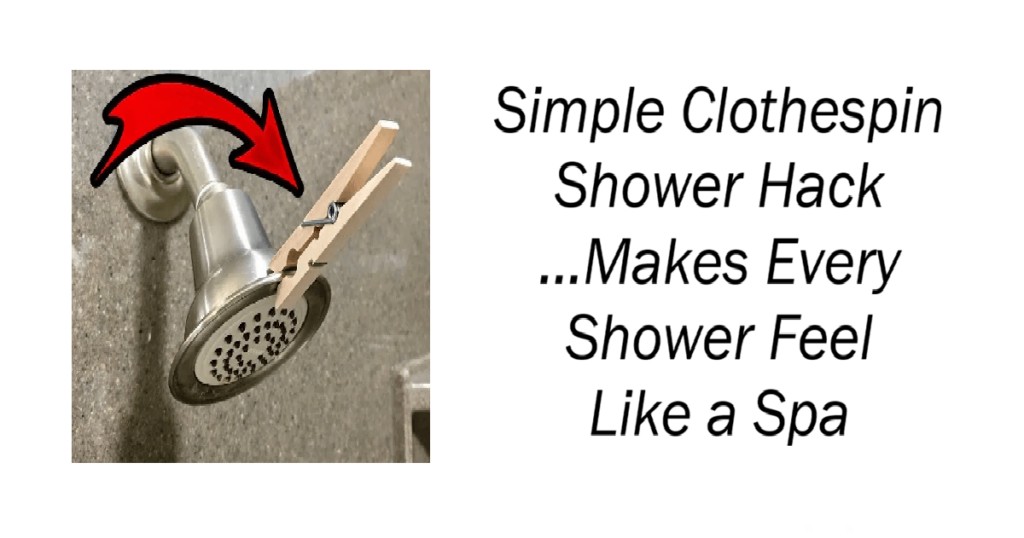
Simple Clothespin Shower Hack …Makes Every Shower Feel Like a Spa
A relaxing shower does not have to involve expensive bath products, sophisticated equipment, or a visit to a luxury spa. Sometimes, a simple household item and a few drops of your favorite essential oil are enough to make an ordinary bathroom feel more inviting. One surprisingly easy idea involves using a wooden clothespin to release a pleasant fragrance while you shower.
This inexpensive DIY shower fragrance trick has become an appealing option for people who enjoy simple home improvements and relaxing self-care routines. By combining an absorbent wooden clothespin with an aromatic essential oil, you can introduce a subtle fragrance into your bathroom as warm shower steam circulates through the space.
Whether you prefer the gentle floral aroma of lavender, the crisp scent of eucalyptus, or the refreshing fragrance of citrus, this small addition can make your daily shower feel a little more special. Here is how the trick works, how to choose the right fragrance, and what to consider before trying it at home.
How the Simple Clothespin Shower Hack Works
The idea behind this household trick is straightforward. A wooden clothespin serves as a small fragrance holder because untreated wood can absorb a limited amount of essential oil. Once the oil has been applied, the clothespin gradually releases some of its aroma into the surrounding air.
When you take a warm shower, moisture and moving air help distribute the fragrance throughout the bathroom. The combination of warmth, humidity, and a pleasant scent can create an atmosphere that feels more relaxing and refreshing.
Unlike an electric diffuser, this method does not require batteries, electricity, water reservoirs, or complicated settings. It is also inexpensive because most households already have access to wooden clothespins.
However, it is worth keeping expectations realistic. A clothespin is not a professional aromatherapy diffuser, and the strength of the fragrance will depend on the essential oil, the amount applied, bathroom ventilation, and the size of the space.
What You Need to Make a DIY Shower Fragrance Clip
One of the biggest advantages of this trick is its simplicity. You only need two basic items to get started:
- One untreated wooden clothespin: Choose a clean, dry wooden clothespin without paint, varnish, or decorative coatings. Natural wood is generally better suited to absorbing small amounts of essential oil.
- Your favorite essential oil: Select an aroma that you enjoy and that suits the atmosphere you want to create in your bathroom.
That is all you need for the basic setup. You do not need an expensive diffuser, scented candles, or specialized bathroom accessories.
If you want to experiment with different fragrances, you can keep several wooden clothespins available and dedicate each one to a particular essential oil. This makes it easier to change scents without mixing different aromas on the same piece of wood.
Step 1: Choose an Essential Oil That Matches Your Mood
The fragrance you choose plays an important role in the overall experience. Different essential oils have distinct aromatic profiles, ranging from soft and floral to bright, herbal, and minty.
Here are four popular options to consider.
Lavender: A Gentle Floral Fragrance
Lavender essential oil is widely recognized for its soft, floral aroma. Many people associate its fragrance with relaxation and evening self-care routines.
Its gentle scent makes it a popular choice for people who enjoy taking a warm shower before bedtime. If you prefer a bathroom atmosphere that feels peaceful rather than energetic, lavender may be a suitable option.
Although lavender is commonly used in relaxation products, smelling lavender does not guarantee improved sleep or produce the same effects for everyone. It is best viewed as a pleasant fragrance rather than a medical treatment.
Eucalyptus: A Crisp, Refreshing Aroma
Eucalyptus essential oil has a distinctive fresh, herbal scent that many people enjoy in shower products and bath preparations.
Its clean aromatic profile can make a bathroom feel especially refreshing during a warm shower. Eucalyptus is also a common ingredient in commercially available shower steamers and scented bath products.
However, the fragrance should not be confused with a proven treatment for respiratory conditions. Essential oil aromas do not replace appropriate medical care, and eucalyptus oil should be handled carefully around children and pets.
Citrus Oils: Bright and Uplifting Scents
Citrus essential oils, including sweet orange, lemon, and grapefruit, offer bright and cheerful fragrances.
These aromas are particularly popular in morning routines because their fresh, fruity character can make a bathroom feel lively and clean. Citrus scents also combine well with certain floral and herbal fragrances.
If you enjoy a light and refreshing atmosphere, a citrus essential oil may be a good starting point. Be aware that some citrus oils can cause skin sensitivity, particularly certain cold-pressed varieties, so avoid direct skin contact and follow the product’s safety instructions.
Peppermint: A Cool, Minty Fragrance
Peppermint essential oil is known for its recognizable minty aroma. It has a fresh, cooling scent that many people associate with invigorating personal-care products.
It can be an appealing choice for a morning shower or whenever you want a fragrance that feels crisp and distinctive.
Because peppermint can be intense, start with a small amount. Strong aromas may irritate sensitive individuals, and peppermint oil requires particular caution around young children.
Step 2: Add a Few Drops of Essential Oil to the Clothespin
Once you have selected your fragrance, it is time to prepare the wooden clothespin.
- Make sure the clothespin is clean and completely dry.
- Place two or three drops of your selected essential oil onto an exposed wooden surface.
- Allow the oil to absorb into the wood before attaching the clothespin.
- Check that there is no excess oil dripping from the surface.
A small amount is usually sufficient for an initial test. Adding more oil does not necessarily create a better experience. In a small bathroom, an overly strong fragrance may quickly become unpleasant.
It is also important to avoid applying essential oil to painted, varnished, or plastic surfaces unless the manufacturer confirms that the material is compatible with the product.
Step 3: Attach the Clothespin Away From Direct Water
Placement is an important part of making this simple shower accessory work effectively.
Choose a location where the clothespin can be exposed to the warm, humid air inside the shower without being directly sprayed with water.
Possible locations include:
- The showerhead arm: If the fixture has a suitable secure attachment point and the clothespin does not interfere with the showerhead.
- A shower caddy: A stable section of the caddy can provide a convenient place for the fragrance clip.
- The top edge of a shower curtain: Only use a secure location where the clothespin cannot fall into the shower area.
Keep the clothespin away from direct water streams, electrical fixtures, and surfaces that could be damaged by essential oils. It should never be positioned where it could fall and create a slipping hazard.
Also consider the material of the attachment surface. Essential oils can affect certain plastics, rubber, painted finishes, and other coatings. If you are uncertain about compatibility, choose an appropriate untreated wooden or metal attachment point instead.
Step 4: Enjoy a More Inviting Shower Atmosphere
After attaching the clothespin, turn on your shower as usual.
As the bathroom warms up, the essential oil’s aroma may gradually become noticeable. The fragrance can spread through the room as air circulates, giving your shower a subtle scented atmosphere.
The experience will vary depending on several factors, including:
- The type and concentration of essential oil.
- The number of drops applied to the clothespin.
- The size and ventilation of your bathroom.
- The temperature and humidity during your shower.
- The natural strength and quality of the fragrance.
The scent may remain noticeable for more than one shower, but there is no guaranteed duration. Check the clothespin before reapplying oil, and avoid adding more simply because the fragrance has become slightly less noticeable.
Which Essential Oil Is Best for Different Shower Routines?
There is no single essential oil that works best for everyone. Personal preference, fragrance sensitivity, and the atmosphere you want to create should guide your choice.
Consider these combinations when planning your routine:
- For evening showers: Lavender offers a soft floral fragrance that many people find pleasant and relaxing.
- For a refreshing shower: Eucalyptus provides a crisp herbal aroma that works well for people who enjoy fresh scents.
- For morning routines: Sweet orange, lemon, and grapefruit offer bright citrus fragrances.
- For a cooling scent: Peppermint delivers a recognizable minty aroma that can make a shower feel especially fresh.
You can also experiment with fragrance combinations, provided the individual oils are suitable for your household and the resulting aroma is not overwhelming. For beginners, using one essential oil at a time is the easiest way to identify your preferences.
Important Essential Oil Safety Tips
Although essential oils are often marketed as natural products, natural does not automatically mean harmless. These concentrated plant extracts can cause irritation, allergic reactions, or other unwanted effects when used incorrectly.
Keep the following precautions in mind when trying the clothespin shower hack.
Avoid Direct Contact With Skin and Eyes
Essential oils are concentrated substances. Do not apply undiluted oil directly to your skin, face, or eyes. The clothespin should be used only as a fragrance holder, not as a personal-care applicator.
Use Fragrance in Moderation
Start with a small amount and discontinue use if the fragrance causes coughing, headaches, eye irritation, breathing discomfort, or other unwanted symptoms. People with asthma, fragrance sensitivities, or respiratory concerns may prefer to avoid scented shower products altogether.
Consider Children and Pets
Some essential oils can be harmful to pets, particularly cats and birds, and certain oils may pose additional risks to young children. Keep oils and scented clothespins out of reach, provide adequate ventilation, and consult a veterinarian if you have concerns about using essential oils around animals.
Keep the Clothespin Clean and Dry
Bathrooms are humid environments, so wooden accessories can become damp over time. Allow the clothespin to dry between uses and replace it if it develops mold, discoloration, an unpleasant odor, or visible deterioration.
Never Use Essential Oils as a Medical Substitute
A pleasant fragrance may improve your personal enjoyment of a shower, but it should not be considered a treatment for colds, sinus infections, anxiety, or other medical conditions. Seek advice from a qualified healthcare professional when you have health concerns.
How to Make Your DIY Shower Hack Last Longer
A few simple habits can help you maintain your fragrance clip and get more consistent results.
- Store essential oils properly: Keep bottles tightly closed and follow the manufacturer’s storage recommendations. Many essential oils are best stored away from direct sunlight and excessive heat.
- Use separate clothespins: Keep different fragrances on separate wooden clips to prevent unwanted scent combinations.
- Avoid excessive moisture: Remove the clothespin after showering if the area remains very humid, and allow it to dry completely.
- Adjust fragrance gradually: Start with two drops and increase only if needed and appropriate for the product.
- Clean the surrounding area: Check for oil residue and clean any affected surface according to its manufacturer’s instructions.
These small steps can make the experience more convenient while helping you maintain a clean and comfortable bathroom environment.
Why Small Self-Care Changes Can Make a Difference
Daily routines often become repetitive, particularly when people have busy schedules and limited time for relaxation. Simple changes to familiar activities can make ordinary moments feel more enjoyable.
Adding a pleasant fragrance to your shower is one example. Other inexpensive ideas include using a soft bathroom towel, keeping the shower area organized, choosing comfortable lighting, and playing relaxing background music when appropriate.
These changes do not need to be expensive or complicated. The goal is simply to create a clean, comfortable environment that makes everyday personal-care routines more pleasant.
It is important, however, to distinguish personal enjoyment from scientifically established health benefits. Although some research has explored the effects of aromatherapy on relaxation and mood, findings vary by oil, study design, and individual response. A scented clothespin should therefore be understood as a small lifestyle accessory rather than a scientifically established wellness treatment.
A Simple Upgrade for Your Daily Shower
The wooden clothespin shower hack is an inexpensive and uncomplicated way to introduce a little fragrance into your bathroom. With just one untreated wooden clothespin and a few drops of essential oil, you can create a simple scented accessory without purchasing an expensive diffuser.
Whether you prefer lavender in the evening, eucalyptus for a fresh herbal aroma, citrus for a bright morning atmosphere, or peppermint for a crisp fragrance, the idea can be adapted to your personal preferences.
Remember to use essential oils carefully, keep the clothespin away from direct water, and consider the needs of everyone in your household, including children and pets.
Sometimes, making an everyday routine feel more enjoyable does not require a major investment. A small, thoughtful change can be enough to bring a little extra comfort to your daily shower.
Frequently Asked Questions
Does the wooden clothespin shower hack really work?
It can provide a mild fragrance because untreated wood absorbs some essential oil and releases its aroma gradually. However, the strength and duration of the scent depend on the oil, bathroom conditions, and ventilation.
How many drops of essential oil should I use?
Start with two or three drops. Avoid saturating the clothespin, and follow the essential oil manufacturer’s safety recommendations.
How long does the fragrance last?
There is no fixed duration. Some fragrances may remain noticeable through multiple showers, while others fade more quickly. Reapply only when necessary.
Can I use a plastic clothespin instead?
A plastic clothespin generally does not absorb essential oil in the same way as untreated wood. Some oils may also damage certain plastics, so an untreated wooden clothespin is usually the more appropriate choice for this particular DIY idea.
Can I combine different essential oils?
Some essential oils have complementary fragrances, but beginners may find it easier to start with one oil at a time. Always consider individual safety information and avoid combinations that produce an overwhelming scent.
Is this shower trick safe for everyone?
Not necessarily. People with asthma, fragrance sensitivities, allergies, or other respiratory concerns may experience irritation. Households with pets or young children should take additional precautions and seek appropriate professional guidance when needed.
Sources
For additional information about essential oil safety, aromatherapy, and responsible product use, consult these established health and safety organizations:
Disclaimer: This content is intended for entertainment purposes only and is not based on real events.