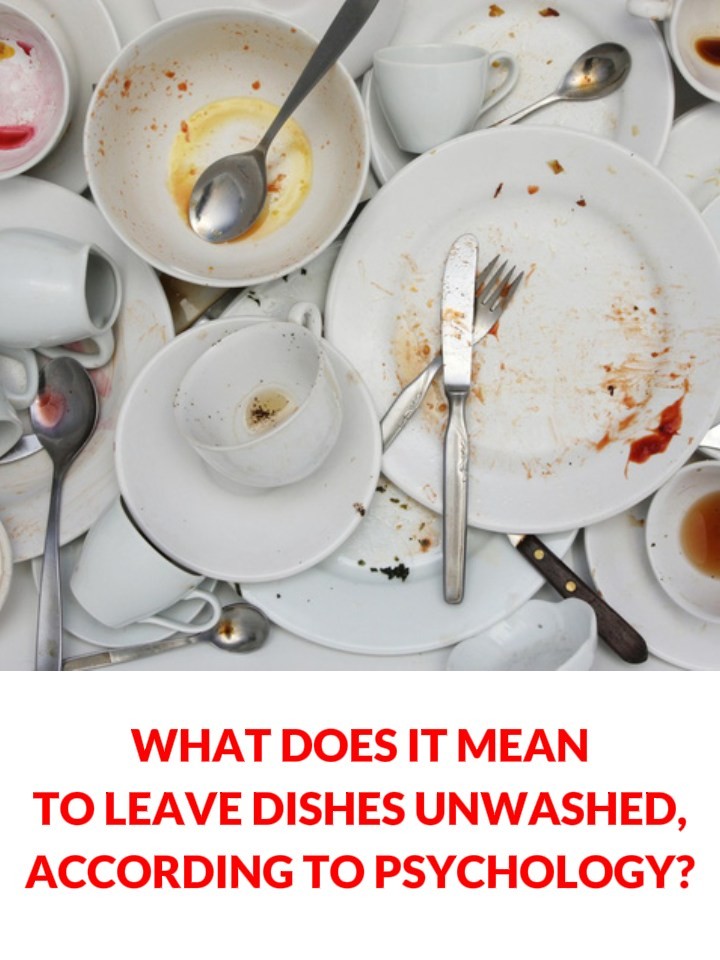
What Leaving Dirty Dishes in the Sink May Reveal About Mental and Emotional Well-Being
Household habits can offer useful insights into how people manage their daily responsibilities, organize their surroundings, and respond to stress. Among the most familiar domestic tasks is washing dishes. Although it may seem like a simple activity, keeping up with the dishes requires time, energy, attention, and a degree of consistency.
For many people, leaving dirty dishes in the sink is an occasional inconvenience rather than a meaningful concern. A busy schedule, an exhausting workday, or an unexpected commitment can easily disrupt household routines. However, when unwashed dishes accumulate regularly, the habit may reflect broader challenges involving stress, motivation, emotional well-being, or daily organization.
It is important to recognize that a messy kitchen does not automatically indicate a psychological problem or reveal someone’s personality. People have different schedules, living arrangements, responsibilities, and standards of cleanliness. Nevertheless, understanding why household chores become difficult can help individuals recognize their needs and develop healthier routines.
1. Stress and Mental Exhaustion Can Make Everyday Chores Feel Overwhelming
One of the most common reasons people postpone washing dishes is mental and physical exhaustion. After spending hours working, studying, caring for children, or managing other responsibilities, household chores may become difficult to prioritize.
Although washing a few plates may appear effortless, the task involves several small steps: collecting dishes, removing food scraps, applying detergent, scrubbing, rinsing, and putting everything away. When someone is already mentally exhausted, these additional responsibilities can feel disproportionately demanding.
Stress can also affect concentration, motivation, and decision-making. Instead of immediately addressing the dishes, an individual may choose to rest, watch television, browse social media, or complete something that requires less effort.
This behavior does not necessarily indicate poor discipline. It may simply reflect limited energy and competing priorities. Recognizing the difference between occasional exhaustion and a persistent pattern of difficulty managing everyday activities is an important step toward understanding the underlying issue.
Breaking household responsibilities into smaller tasks can help. Washing dishes for five minutes, cleaning only the items needed for the next meal, or taking a short break before returning to the kitchen may make the activity feel more manageable.
2. Procrastination and Disorganization May Contribute to the Habit
Another possible explanation for leaving dirty dishes in the sink is procrastination. Some household activities are repetitive, predictable, and relatively unrewarding. Because washing dishes does not always produce an immediate sense of accomplishment, people may repeatedly postpone it in favor of more enjoyable activities.
For some individuals, the difficulty is not the physical work itself but deciding when to begin. They may tell themselves that they will clean the kitchen after dinner, before going to bed, or the following morning. However, when the task is repeatedly delayed, the number of dishes increases and the eventual workload becomes more intimidating.
Disorganization can make this pattern worse. Without established household routines, people may struggle to determine which tasks need immediate attention and which can reasonably wait.
It is important not to interpret procrastination as a fixed personality characteristic. Delaying chores can result from numerous circumstances, including competing responsibilities, fatigue, unclear priorities, or difficulty planning activities.
A practical solution is to establish a simple and realistic cleaning schedule. For example, someone might decide to wash dishes immediately after dinner or spend ten minutes tidying the kitchen before bedtime. Consistency is generally more useful than attempting to maintain an unrealistic standard of perfection.
3. Emotional Well-Being Can Influence Household Responsibilities
Emotional health is another factor worth considering when household chores become unusually difficult. Periods of anxiety, sadness, emotional pressure, or prolonged stress can affect a person’s ability to maintain everyday routines.
When someone is experiencing emotional difficulties, activities that previously seemed straightforward may require considerably more effort. Preparing meals, organizing belongings, answering messages, and washing dishes can all become harder to manage.
Depression, in particular, can involve fatigue, reduced interest in everyday activities, difficulty concentrating, and problems completing normal responsibilities. These symptoms can affect functioning at home, at work, and in relationships.
The World Health Organization recognizes that depression can interfere with multiple areas of daily life. Similarly, the National Institute of Mental Health identifies persistent low energy, difficulty concentrating, and trouble completing usual activities as possible warning signs that deserve attention.
However, leaving dishes unwashed is not a diagnostic indicator of depression or anxiety. Many people who are emotionally healthy occasionally allow household tasks to accumulate. A more meaningful consideration is whether the behavior represents a noticeable change accompanied by other persistent difficulties.
If someone regularly struggles with basic responsibilities, loses interest in activities they previously enjoyed, or experiences ongoing emotional distress, speaking with a qualified healthcare professional may be helpful. Seeking support should be viewed as a positive step rather than a personal failure.
4. A Lack of Consistent Daily Routines Can Allow Clutter to Accumulate
Household organization often depends on small habits repeated throughout the week. Without a predictable routine, even manageable responsibilities can gradually become more difficult.
For example, someone who does not have a regular time for cleaning may wash dishes only when the sink becomes completely full. This creates a cycle in which the task is ignored for several days before becoming unavoidable.
Irregular work schedules, shift work, family responsibilities, and frequent travel can make household routines particularly challenging. People who share living spaces may also encounter difficulties when household responsibilities have not been clearly divided.
Establishing a few basic expectations can make a meaningful difference. These might include washing frequently used dishes after meals, clearing food scraps immediately, and making sure the sink is reasonably clean before going to bed.
Importantly, a useful routine should reflect someone’s actual circumstances. A person living alone may have different cleaning needs from someone managing a household with several children. The goal is to create a sustainable system rather than follow a universal standard of cleanliness.
5. Household Clutter May Affect Stress Levels and Mental Well-Being
The relationship between a person’s living environment and emotional well-being has received attention in environmental psychology. Research suggests that the condition of a home can be associated with how people experience their surroundings.
A study published in the Journal of Environmental Psychology in 2025 examined the relationship between household clutter and mental well-being among 501 adults. Researchers found that greater perceived clutter was associated with less favorable well-being outcomes, including more negative emotions and lower life satisfaction.
The researchers also identified perceived home beauty as a possible factor helping explain these relationships. However, the study was cross-sectional, meaning it examined relationships at a particular point rather than establishing that clutter directly causes psychological difficulties.
This distinction is important because the relationship can work in both directions. A stressful environment may make it harder to relax, while emotional exhaustion may make maintaining an organized home more challenging.
For some individuals, seeing a sink full of dishes creates a constant reminder of unfinished responsibilities. This can contribute to frustration, guilt, or the feeling that the household is becoming increasingly difficult to manage.
Other people may be largely unaffected by a small amount of clutter. Personal preferences, cultural expectations, living arrangements, and individual circumstances all influence how someone experiences their home.
Rather than assuming that every untidy kitchen is harmful, it is more useful to consider whether the environment is creating discomfort or interfering with everyday activities.
6. Leaving Dirty Dishes for Too Long Can Create Hygiene Concerns
Although the psychological aspects of household habits deserve attention, there are also practical reasons to avoid allowing dirty dishes to accumulate for extended periods.
Food particles and moisture left on plates, cups, and cooking utensils can create conditions that encourage microbial growth. The longer food residue remains, the more difficult it may become to remove. Dried sauces, grease, and other organic materials can also produce unpleasant odors.
Accumulated food waste may attract insects and other household pests, particularly when kitchen waste is not disposed of properly. This can make the kitchen less comfortable and create additional cleaning responsibilities.
Kitchen hygiene is especially important when preparing food. The U.S. Centers for Disease Control and Prevention recommends washing utensils, cutting boards, and countertops with hot, soapy water after preparing food. These practices help reduce the risk of spreading germs that can cause foodborne illness.
It is also important to clean surfaces that come into contact with raw meat, poultry, seafood, and their juices. Keeping food preparation equipment clean and preventing cross-contamination are essential parts of safe food handling.
Washing dishes regularly does not require an elaborate cleaning routine. Removing food scraps, washing utensils with dish soap and water, and allowing clean dishes to dry properly are practical steps that help maintain a healthier kitchen environment.
7. Why an Untidy Kitchen Can Create Additional Emotional Pressure
There is another aspect of the relationship between household chores and emotional well-being: the possibility that unfinished tasks can create additional mental pressure.
When someone repeatedly notices dirty dishes, the sight may remind them of responsibilities they have not completed. Even when they are not actively thinking about cleaning, the unfinished task can become another source of frustration.
This may create a cycle in which emotional pressure makes it harder to begin cleaning, while the growing mess creates more pressure. Over time, a relatively small household responsibility can begin to feel like a much larger problem.
One helpful approach is to replace all-or-nothing thinking with realistic expectations. Instead of believing that the entire kitchen must be cleaned perfectly, an individual can focus on completing one achievable step.
For example, washing the plates and utensils needed for the next meal can be a useful starting point. Once that task is complete, the individual can decide whether they have enough time and energy to continue.
This approach can reduce the pressure associated with household responsibilities and help create a more positive relationship with daily routines.
8. Practical Ways to Develop Healthier Dishwashing Habits
Maintaining a reasonably clean kitchen does not require spending hours on household chores. Small adjustments can make dishwashing easier and reduce the likelihood of allowing food residue and clutter to accumulate.
Wash Dishes in Smaller Batches
Rather than waiting until the sink is full, consider washing dishes after each meal or whenever a manageable number has accumulated. Smaller cleaning sessions generally feel less demanding than tackling a large pile at once.
Set a Specific Time for Kitchen Cleaning
Connecting dishwashing to an existing daily activity can make the habit easier to maintain. For example, washing dishes immediately after dinner creates a predictable opportunity to complete the task.
Make the Kitchen Easier to Maintain
Keep dish soap, sponges, drying racks, and cleaning supplies in convenient locations. An organized cleaning area reduces unnecessary steps and makes it easier to begin.
Share Household Responsibilities
When several people live together, dividing responsibilities can prevent one person from carrying the entire workload. Household members can agree on who washes dishes, who empties the dishwasher, and who manages food waste.
Focus on Progress Rather Than Perfection
A perfectly organized kitchen is not necessary for a healthy household. Concentrating on essential hygiene practices and manageable improvements can help people maintain consistency without creating unnecessary pressure.
Allow Time for Rest
Rest is an important part of maintaining physical and emotional well-being. When someone is genuinely exhausted, taking a short break before completing household responsibilities may be more realistic than forcing themselves to finish everything immediately.
9. When Should Persistent Difficulty With Household Chores Become a Concern?
Occasionally leaving dishes in the sink is a normal part of everyday life. However, persistent difficulty maintaining basic household responsibilities may deserve closer attention when it occurs alongside other changes in mood, energy, concentration, or daily functioning.
For instance, someone who previously maintained regular routines but suddenly finds ordinary activities overwhelming may be experiencing increased stress or another challenge affecting their well-being.
The National Institute of Mental Health advises paying attention to symptoms that persist for two weeks or longer, particularly when they include low energy, difficulty concentrating, loss of interest in usual activities, or trouble completing everyday responsibilities.
These signs do not automatically establish a diagnosis, but they can indicate that additional support may be beneficial. A healthcare professional can help evaluate persistent symptoms and discuss appropriate options.
It is equally important to consider practical explanations. Physical limitations, financial pressures, demanding schedules, caregiving responsibilities, and inadequate access to household facilities can all affect someone’s ability to maintain a clean home.
Approaching these situations with understanding rather than judgment makes it easier to identify useful solutions.
10. A Balanced Perspective on Cleanliness and Mental Health
Washing dishes is a small but recurring responsibility that contributes to the overall functioning of a household. Although it may seem insignificant, maintaining basic kitchen hygiene can support food safety, reduce unpleasant odors, and make everyday activities more comfortable.
At the same time, household cleanliness should not become a measure of someone’s personal worth, intelligence, discipline, or emotional stability. People experience different levels of responsibility and have different amounts of time and energy available to manage their homes.
An occasional pile of dirty dishes is not necessarily a problem. What matters more is understanding whether the habit is creating practical difficulties or forming part of a broader pattern of stress and reduced daily functioning.
Developing manageable routines, sharing responsibilities, allowing sufficient time for rest, and seeking support when necessary can help individuals maintain a healthier relationship with their living environment.
Conclusion: What Leaving Dirty Dishes in the Sink Really Means
Leaving dirty dishes in the sink can have several explanations, ranging from ordinary tiredness and procrastination to inconsistent routines and periods of emotional difficulty. It may also reflect the competing demands of modern life rather than any deeper personal characteristic.
Research into household environments suggests that clutter and mental well-being can be connected, although these relationships are complex and should not be interpreted as proof that a messy kitchen causes psychological problems.
Ultimately, the most useful approach is to treat dishwashing as one small part of maintaining a comfortable and healthy home. Building realistic habits, keeping food preparation areas clean, and recognizing when additional support is needed can make everyday life easier.
A clean kitchen does not need to be perfect. Consistency, practicality, and a balanced approach to personal well-being matter far more than maintaining an unrealistic standard of household order.
Sources
- National Institute of Mental Health (NIMH) – My Mental Health: Do I Need Help?
- National Institute of Mental Health – Caring for Your Mental Health
- World Health Organization (WHO) – Depression
- Centers for Disease Control and Prevention (CDC) – Preventing Food Poisoning
- Centers for Disease Control and Prevention (CDC) – Cleaning and Disinfecting
- Journal of Environmental Psychology – Home Clutter and Mental Well-Being (2025)
- Journal of Environmental Psychology – Home and the Extended-Self: Exploring Associations Between Clutter and Wellbeing (2021)
Disclaimer: This content is intended for entertainment purposes only and is not based on real events.