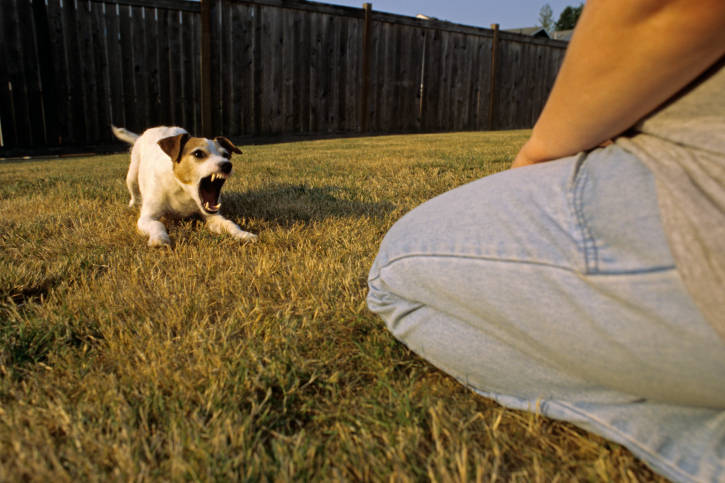
Many dog owners have seen the same puzzling pattern: a dog calmly watches several people walk by, then suddenly barks at one person who appears no different from everyone else. It can seem as though the dog has made a personal judgment. In most cases, however, dogs are reacting to details in the moment rather than deciding that a person is “good” or “bad.”
A dog may notice a change in appearance, movement, distance, sound, scent, or location that humans barely register. The person who receives the barking may have approached more directly, paused near the home, carried an unfamiliar object, worn a hat or sunglasses, or moved in a way that the dog found concerning. A dog’s previous experiences and current emotional state can also influence its response.
Understanding why a dog barks at certain people is less about identifying one universal trigger and more about observing the full situation. The location, the dog’s body language, the person’s behavior, and the distance between them can all provide useful clues. Careful observation can help owners prevent stressful encounters and support calmer, safer behavior over time.
Dogs Notice Details People May Miss
Dogs experience the world differently from humans. Their sense of smell is highly developed, and they are also attentive to movement, posture, voice, and changes in their familiar environment. A dog may react to a detail that is not immediately visible to its owner.
For example, a person wearing a large hood, helmet, wide-brimmed hat, face covering, or dark sunglasses may look unfamiliar to a dog. These items can alter the outline of a person’s face or body. A dog that is comfortable with people in ordinary clothing may become uncertain when someone’s appearance is noticeably different.
Objects can also matter. Umbrellas, walking sticks, bicycles, wheeled bags, delivery carts, uniforms, or bulky coats may attract a dog’s attention. Some dogs react simply because an object moves in an unusual way. Others may have had limited exposure to it during puppyhood or may associate something similar with a startling experience.
Scent can be another factor. A person may smell like another animal, a workplace, food, smoke, cleaning products, or medication. While owners should avoid assuming they know exactly what a dog smells or interprets, scent differences may contribute to a dog’s interest or uncertainty. Dogs gather substantial information through scent, and an unfamiliar odor can make an otherwise ordinary interaction feel new.
Body Language and Movement Can Influence a Dog’s Reaction
How a person approaches a dog often matters as much as how they look. Humans commonly greet dogs by making direct eye contact, walking straight toward them, leaning over them, extending a hand, or speaking loudly. Although these actions may be friendly from a human perspective, some dogs can experience them as intense or uncomfortable.
A person who walks past at a distance may receive no response, while someone who stops and faces the dog may trigger barking. A direct approach reduces the dog’s personal space and can make it harder for the dog to move away. Dogs that feel uncertain often use distance-increasing behavior, such as turning away, backing up, barking, growling, or lunging, to communicate that they need more room.
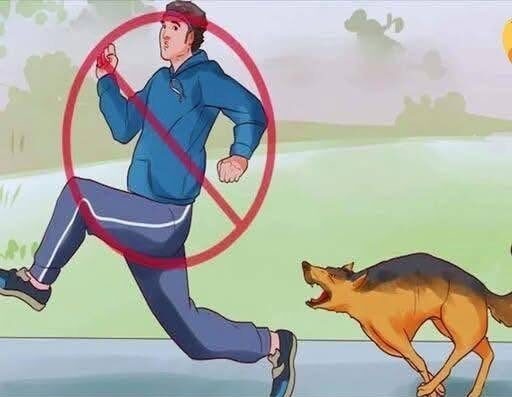
Quick or unpredictable movement can also be difficult for some dogs. Joggers, children running, people stepping suddenly from behind a parked car, or someone carrying swinging bags may appear more noticeable than a person walking steadily. This does not mean the person has done anything wrong. It means the dog may need additional support in that particular situation.
Voice and energy level can contribute as well. A loud greeting, excited laughter, abrupt gestures, or a group of people speaking near a dog may raise the level of stimulation. Dogs vary widely in their sensitivity. One dog may remain relaxed in a busy street scene, while another may struggle when activity becomes fast, close, or unpredictable.

Context Matters: Why Dogs Bark More at Home
A dog’s reaction can change dramatically depending on where the encounter occurs. Many dogs who are quiet around strangers on a walk bark when someone approaches the front door, passes a window, or stands near a fence. The home is a familiar space, and arrivals near its boundaries can be especially noticeable.
Doorbells, knocking, footsteps, vehicle sounds, and the sight of a person stopping outside can create a predictable sequence that increases arousal. Delivery drivers are a common example. A dog may bark when the person arrives, then continue barking as the person leaves. From the dog’s perspective, the barking may appear to have made the person go away, even though the delivery was simply completed. Repeated events can strengthen this pattern.
Windows and fences can make the situation harder for some dogs. A dog can see or hear a person but may not be able to move farther away or investigate calmly. This can lead to repeated barking along a property boundary. Preventing unrestricted access to a highly triggering window or fence line may be a practical management step while training is underway.
On walks, the same dog may feel less pressure because there is more space and the person is moving past rather than approaching the home. Even so, narrow sidewalks, crowded trails, elevators, veterinary waiting rooms, and building entrances can make it difficult for a dog to maintain comfortable distance.

Past Experiences May Shape Future Responses
Dogs learn through experience. A dog that was startled by a person wearing a particular type of clothing, approached too quickly, or frightened by a loud event may become more alert in situations that seem similar. This does not mean every later reaction is caused by one specific past event, and owners should avoid trying to diagnose a dog’s history based on a single bark. Still, learning history can play an important role.
Some dogs have had fewer opportunities to encounter a broad range of people, environments, and everyday objects. A dog raised in a quiet household may need time to become comfortable around crowds, public transit, visitors, or people using mobility equipment. Dogs adopted from shelters or transferred between homes may also need a gradual adjustment period as they learn about a new environment and routine.
Age, health, and discomfort can affect behavior too. Pain, reduced hearing, declining vision, or illness may make a dog more easily startled or less tolerant of close interactions. A dog that begins reacting unexpectedly, especially after previously being comfortable around people, should be assessed by a veterinarian. Medical concerns should be considered alongside training and behavior plans.
Look Beyond Barking to Read Your Dog’s Body Language
Barking alone does not explain exactly what a dog feels. Dogs bark for many reasons, including excitement, frustration, alarm, fear, anticipation, and attention-seeking. Looking at the dog’s full body language and the events immediately before the bark offers more useful information.
A dog that is relaxed may have soft facial muscles, a loose body, normal breathing, and the ability to look away or respond to its owner. A dog that feels uncomfortable may freeze, become stiff, tuck its tail, turn its head away, lick its lips, yawn when not tired, raise its hackles, retreat, or repeatedly scan the environment. These signals do not always have one fixed meaning, but they can suggest that the dog is under stress or needs additional distance.
Owners can keep a simple record of difficult encounters. Useful details include the location, time of day, distance from the person, what the person was doing, whether the dog was on leash, and how quickly the dog recovered. Over several outings, patterns may emerge. Perhaps the dog reacts mainly when people approach head-on, when the sidewalk is narrow, or when strangers stop near the gate.
Give Your Dog Space Before Asking for Calm Behavior
Distance is one of the most useful tools for helping a dog who barks at people. Moving farther away can reduce pressure and allow the dog to notice a person without becoming overwhelmed. On a walk, this may mean crossing the street, turning down another path, stepping behind a parked car, or moving onto a wider area of grass.
At home, management may include placing the dog behind a closed door, using a sturdy gate, moving the dog away from front windows, or providing a quiet area before guests arrive. These steps are not a failure of training. They are practical ways to prevent repeated stressful reactions and keep visitors and dogs safe.
Owners should avoid forcing greetings. A dog does not need to meet every stranger, be petted by every visitor, or remain close to people who make it uncomfortable. Asking a hesitant dog to “say hello” can increase stress and may remove the dog’s ability to choose distance. A calm person ignoring the dog at first is often easier for the dog than someone who immediately reaches toward it.
Positive Reinforcement Can Build Better Associations
Humane, reward-based training can help many dogs learn that seeing people predicts something positive rather than something worrying. The goal is not to make a dog enjoy every interaction. The goal is to help the dog remain within a manageable emotional range and develop calmer responses.
Start at a distance where the dog can notice a person without barking, lunging, or becoming unable to respond. When the dog sees the person and remains relaxed, mark or praise the calm behavior and offer a reward the dog values. The person should remain far enough away that the dog can eat, look back at the owner, or move comfortably.
If the dog begins staring intensely, stiffening, barking, or trying to retreat, the situation may be too difficult. Increase distance rather than continuing to ask for cues. Training is generally most effective when the dog is able to learn, not when it is already overwhelmed.
Gradual exposure should be tailored to the individual dog. For a puppy, this may involve observing different people from a safe distance while receiving treats and reassurance. For an adult dog with an established reaction, a qualified professional can help create a structured plan. Progress may be gradual, and success can mean calmer observation rather than close contact.
Socialization Is More Than Meeting Lots of People
Puppy socialization is often misunderstood as encouraging every puppy to greet as many people as possible. High-quality socialization is broader and more careful. It involves helping puppies experience new sights, sounds, surfaces, people, and environments in ways that feel safe and manageable.
A puppy can benefit from seeing people of different ages, appearances, mobility styles, and clothing choices without being handled by each person. Watching a jogger pass from a comfortable distance, hearing a delivery truck while eating a treat, or calmly observing a visitor enter the house can all be useful experiences.
Short, positive sessions are generally more valuable than overwhelming exposure. If a puppy tries to hide, freezes, repeatedly backs away, or cannot take food, it may need a break and more distance. Giving puppies choice and protecting them from unwanted handling can support confidence as they mature.
When Barking Requires Professional Support
Some barking is normal communication, but certain behaviors deserve prompt attention. If a dog stiffens, growls, snaps, lunges, or has bitten someone, prioritize safety. Keep the dog separated from visitors when needed and avoid testing whether the dog is “over it” by asking a person to approach or pet the dog.
A veterinarian can assess whether pain, sensory changes, or other medical issues may be contributing to a behavioral change. Owners can also seek help from a qualified behavior professional who uses humane, evidence-informed methods. A professional may recommend environmental management, training exercises, and a safety plan appropriate to the dog’s history and household.
Punishing barking or warning signals can create additional problems. Growling and barking are forms of communication. Suppressing those signals without addressing the dog’s discomfort may leave the underlying concern unchanged. A safer approach is to identify triggers, create distance, prevent rehearsals of difficult situations, and teach alternative behaviors through positive reinforcement.
Understanding the Individual Dog
When a dog barks at one person and ignores several others, the answer is rarely simple. The dog may be responding to appearance, movement, scent, proximity, the setting, a prior experience, or several factors at once. What matters most is not guessing what is “wrong” with the person, but recognizing what the dog is communicating in that moment.
By paying attention to patterns, allowing adequate space, and using patient reward-based training, owners can make daily encounters more manageable. Dogs do not need to greet everyone to be well-adjusted. A dog that can notice people, remain safe, and recover calmly is making meaningful progress.
Sources
Disclaimer: This content is intended for entertainment purposes only and is not based on real events.