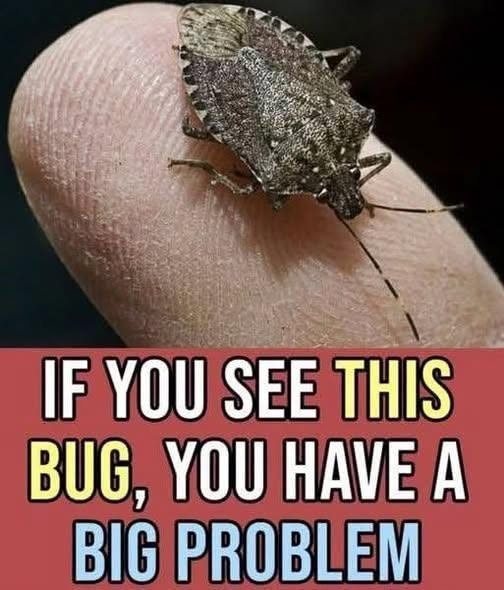
Stink bugs have become an increasingly common nuisance for homeowners, especially during seasonal changes. These shield-shaped insects, most notably the brown marmorated stink bug (Halyomorpha halys), are not only bothersome due to their persistent invasion of living spaces but also because of the pungent odor they emit when threatened or crushed. Understanding why stink bugs enter homes and how they behave is critical to formulating a lasting strategy for keeping them at bay.
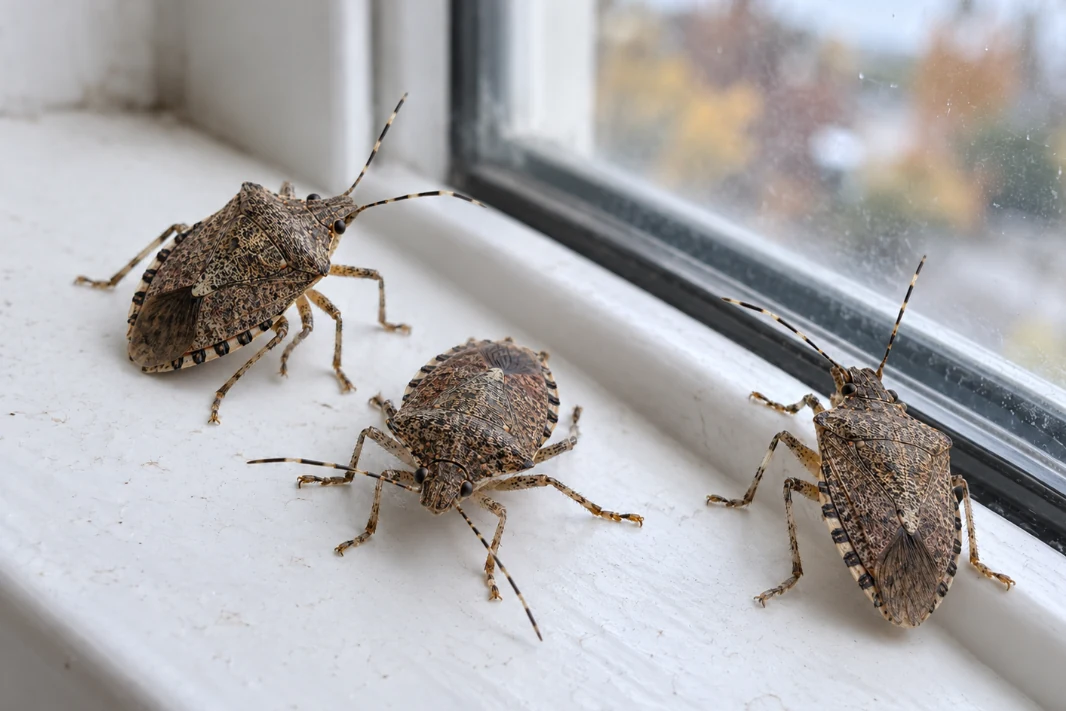
Stink bugs originate from East Asia and have been identified as invasive pests in many regions, particularly North America and Europe. Their populations rise in late summer and autumn as adults search for sheltered spots to survive the winter. Homes, with their warm interiors and plentiful hiding places, provide ideal overwintering locations for these insects. Once inside, stink bugs are not aggressive, nor do they pose a health risk to humans or pets, but their presence can still be unsettling.
Common Entry Points and Why Your Home Attracts Stink Bugs
The primary reason stink bugs enter homes is to find warmth and safety during cooler months. Their flattened bodies enable them to slip through tiny openings. Common entry points include:
- Cracks or gaps in siding and foundations
- Spaces under doors or garage entrances
- Damaged or ill-fitting window and door screens
- Openings around pipes, vents, or utility lines
- Unsealed attic or basement access
When they successfully enter, stink bugs are typically found near windows (drawn by light), doorways, curtains, ceilings, and other protected nooks. Their natural tendency to seek out light and warmth increases their visibility indoors during the fall and early winter.
The Science of Stink Bug Prevention
Preventing stink bug invasions isn’t about a single solution but rather adopting a comprehensive, multi-pronged approach based on entomological research and pest management best practices. According to the United States Department of Agriculture (USDA) and leading university extensions, the foundation of effective stink bug management is exclusion: stopping bugs from entering in the first place.
- Sealing Entry Points: Use quality caulking or weatherstripping to seal cracks around windows, doors, and siding. Close gaps beneath exterior doors with door sweeps and fix any holes or tears in screens.
- Repairing Home Exteriors: Inspect the exterior regularly for loose or missing mortar, and repair flashing. Pay close attention to utility penetrations and air vents.
- Routine Maintenance: Keep gutters clean, manage landscaping to deter pests from lingering near foundations, and store firewood at a distance from the house.
Exclusion treatments are considered the most effective and environmentally friendly way to minimize pest problems.

Peppermint Spray: Homemade Stink Bug Deterrent
Among various DIY remedies, peppermint essential oil spray is a popular natural deterrent. While its direct scientific validation is limited, the strong scent of peppermint is known to repel many insects, and anecdotal evidence supports its modest effectiveness against stink bugs.
How to Prepare and Use a Peppermint Spray
- Fill a clean spray bottle with two cups of water.
- Add 10–15 drops of pure peppermint essential oil.
- Mix in a small amount (about a teaspoon) of liquid dish soap to help the oil blend and adhere to surfaces.
- Shake gently before each application.
Lightly mist window frames, doorways, screens, and other suspected entry points. Avoid oversaturating surfaces and always test on a discreet area first, as essential oils may discolor or damage certain materials.
Safety Considerations
Homeowners with pets must be especially careful. Peppermint oil and other essential oils can cause adverse reactions in cats, dogs, and small mammals, ranging from mild skin irritation to serious illness. To maintain a safe environment:
- Do not spray near pet bedding, food bowls, or resting areas.
- Restrict access to freshly treated areas until the surface has dried completely.
- Consult a veterinarian if a pet exhibits unusual symptoms after exposure.
As with any home remedy, peppermint spray is not a foolproof solution—results may vary, and persistent infestations should be addressed with professional assistance.
Other Natural and Mechanical Methods for Removal
While some commercial insecticides are available, their use indoors is generally discouraged unless directed by a licensed pest control expert. Fortunately, there are safe, chemical-free strategies for managing individual stink bugs:
- Manual Removal: Use a paper towel, tissue, or gloved hand to gently remove stink bugs without crushing them. The odor they release serves as a self-defense mechanism and can be quite persistent if bugs are squashed.
- Catching and Releasing: Many people use a jar or bottle to capture stink bugs, then release them outdoors, far from entrances.
- Vacuuming: A vacuum with a bag is an effective tool for removing multiple stink bugs at once. Discard vacuum bags immediately in a sealed container outdoors to prevent lingering odors in the appliance.
- DIY Light Traps: Place a small light above a pan of soapy water in a dark room. Attracted by the light, stink bugs may fall into the water and be trapped without chemicals.
Long-Term Strategies: Creating an Inhospitable Environment for Stink Bugs
Experts agree that the most sustainable way to avoid recurring stink bug problems is to make your home less attractive and accessible to insects year-round. Consider these additional tactics:
- Maintain tight seals on windows and doors.
- Regularly check for and replace worn weatherstripping.
- Minimize outdoor lighting during peak seasons, as stink bugs are attracted to light sources.
- Reduce indoor humidity by using dehumidifiers, especially in basements or attics where bugs might congregate.
- Store food, especially fruits and vegetables, in tightly sealed containers to limit odor- and food-based attractants.
These prevention-based strategies, coupled with timely exclusion efforts, will reduce the likelihood of future infestations.
The Role of Professional Pest Control
If a stink bug infestation persists despite diligent preventative efforts, it may be time to contact a certified pest management professional. Pest control experts can perform a thorough inspection, identify hidden entry points, and offer appropriate chemical or mechanical treatments based on local regulations and environmental impact.
Modern pest management emphasizes Integrated Pest Management (IPM) — a strategy combining physical, biological, and chemical tactics in a safe, sustainable manner. Always ensure that any pest control services used are licensed, insured, and operate according to local and federal guidelines.
International Context and Societal Impact
The spread of the brown marmorated stink bug is not just a household issue; it is a concern for agriculture and trade worldwide. First detected outside of Asia in the U.S. in the late 1990s, these insects have since established themselves in more than 40 countries. Their feeding habits can significantly damage fruit, vegetable, and row crops, resulting in substantial economic losses. Governments and agricultural organizations, such as the USDA and the European Food Safety Authority, actively monitor and manage stink bug populations to protect crops and maintain ecological balance.
For homeowners, this highlights the importance of vigilant reporting, responsible pest management, and engagement with local extension services or agricultural departments when large populations are found.
Expert Advice and Key Takeaways
The challenge of managing stink bugs in the home is best approached with a combination of exclusion techniques, safe removal methods, and natural deterrents like peppermint spray. However, the most effective long-term control is preventive maintenance: seal potential entry points, remove harborages, and be attentive to new infestations. As research into pest behavior continues, and as global efforts to contain invasive insects grow, homeowners have more strategies and resources than ever before. Adaptation, patience, and ongoing vigilance are the hallmarks of successful pest management.
By following expert recommendations, homeowners can significantly reduce the presence of stink bugs and enjoy a comfortable, odor-free living environment.
Sources
- U.S. Environmental Protection Agency – Stink Bug Control and Prevention
- USDA APHIS – Brown Marmorated Stink Bug
- Penn State Extension – Brown Marmorated Stink Bug
- BBC – Why Invasive Stink Bugs Are a Growing Problem
- Centers for Disease Control and Prevention – Stink Bugs
- The Guardian – U.S. Farmers Facing Invasion as Swarm of Stink Bugs Descends
Disclaimer: This content is intended for entertainment purposes only and is not based on real events.