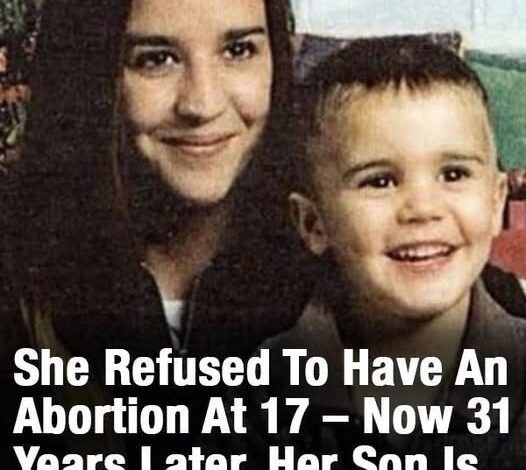
Pattie Mallette’s Story of Resilience, Young Motherhood and Family
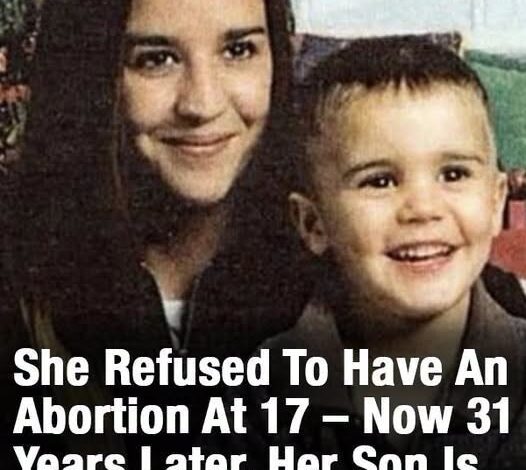
Before Justin Bieber became an internationally known recording artist, his mother, Pattie Mallette, had already lived through a difficult and deeply personal journey. In her memoir, Nowhere But Up: The Story of Justin Bieber’s Mom, Mallette reflects on a childhood and adolescence affected by trauma, emotional distress, and uncertainty. She also describes becoming pregnant at age 17 and beginning motherhood without the financial security, stability, or clear plan that many young parents hope to have.
Her story has attracted public attention in part because of her son’s fame, but its central themes extend beyond celebrity. Mallette’s account is about resilience, recovery, family relationships, and the long process of moving forward after hardship. It also offers a reminder that public narratives about famous people often begin long before the world recognizes their names.
Pattie Mallette’s Early Life and Personal Challenges
In her published memoir and interviews, Pattie Mallette has spoken about painful experiences during her early years, including sexual abuse. She has described the lasting impact of trauma, including feelings of shame, isolation, and self-blame. These experiences are significant not because they define her entire life, but because they provide context for the challenges she later faced as a young woman and mother.
Trauma can affect emotional health in many different ways. Major health organizations, including the World Health Organization, note that adverse experiences can increase the likelihood of anxiety, depression, substance-use difficulties, and problems with trust or relationships. At the same time, no two people respond to trauma in exactly the same way. Recovery is often gradual and can involve support from trusted people, mental-health professionals, community resources, and personal coping strategies.
Mallette has said that she experienced depression and substance use as a teenager. She also publicly discussed surviving a suicide attempt during that period of her life. Her decision to address these experiences in her memoir placed the discussion in the context of survival and recovery rather than sensationalism. It underscores the importance of treating mental-health crises as serious health concerns that deserve empathy, timely care, and access to professional support.
For readers who may recognize aspects of their own experiences in this account, it is important to remember that help is available. In an immediate emergency, people should contact local emergency services or a crisis-support line in their country. In the United States and Canada, people can call or text 988 to reach suicide and crisis support services. Speaking with a qualified healthcare professional can also be an important first step.

Pregnancy at 17 and the Reality of Young Motherhood
Mallette became pregnant when she was 17. According to her account, she faced pressure from others to end the pregnancy, but she ultimately made the personal decision to continue it. Her memoir presents this as an individual experience shaped by her beliefs, emotional circumstances, and uncertain future.
Her decision should be understood as her own, rather than as a universal model for everyone facing an unplanned pregnancy. People confronted with pregnancy decisions may have very different circumstances involving health, finances, family support, safety, education, and personal values. Reliable medical care, accurate information, and nonjudgmental support are important for anyone navigating such a significant decision.
For Mallette, the choice was followed by the demanding reality of becoming a young, single mother. Parenting while still in adolescence can create practical challenges, including housing needs, income instability, childcare demands, interrupted education, and limited access to support networks. Research on young parents consistently shows that outcomes are influenced by many factors, especially family support, access to healthcare, education, affordable childcare, and community services.
Mallette’s story does not suggest that motherhood erased her past struggles. Instead, she describes trying to care for her son while continuing to cope with fear, unanswered questions, and the effects of earlier hardship. This distinction matters. Resilience is not the absence of difficulty; it is often the ongoing effort to adapt, seek support, and make progress despite difficult conditions.
The Meaning of Justin Bieber’s Birth in Her Memoir
One of the most personal memories in Mallette’s story is her recollection of hearing her son’s first cry after he was born. She has described the sound as profoundly moving and expressed a strong desire to hold him and protect him. The moment serves as an intimate focal point in a story that later became associated with global entertainment, media attention, and fame.
Justin Bieber was born in London, Ontario, Canada, in 1994. Long before his songs reached audiences around the world, he was a child being raised by a young mother in Canada. Viewing the family’s story in this chronological order is important. Mallette could not have known that her son would one day become a prominent musician with a global audience. At the time, her concerns were immediate: caring for a baby and building a more stable life.
The public often sees the polished side of celebrity success: concerts, awards, recordings, interviews, and large online audiences. Family histories, however, are usually more complex. Mallette’s memoir places the early years before the fame at the center of the narrative. It presents motherhood as a relationship and responsibility first, not as the beginning of a future celebrity story.

Faith, Recovery and the Idea of Moving Forward
Faith is an important part of how Mallette explains her life and recovery. In Nowhere But Up, she connects her personal beliefs with her efforts to find hope, forgiveness, and direction. For some people, faith communities can provide encouragement, social connection, and a sense of meaning during difficult periods. Others find support through therapy, family, friendships, education, advocacy, or other community resources.
What is most consistent in Mallette’s public account is the idea of moving forward without pretending that the past was simple or easily resolved. Her story includes setbacks and painful experiences, but it also emphasizes determination. This perspective can be meaningful because recovery is rarely a single event. It may involve many small decisions over time: accepting help, developing healthier relationships, caring for family, and finding ways to create stability.
Mental-health professionals frequently stress that people should not be blamed for trauma or judged for seeking help. Supportive responses can make a substantial difference. Listening without stigma, encouraging evidence-based care, and recognizing that healing takes time are all constructive ways communities can respond when someone shares a difficult history.
Justin Bieber’s Rise and the Family Story Behind the Fame
Justin Bieber’s early career began with videos posted online, which helped introduce his musical talent to a wide audience. He was later discovered by music-industry professional Scooter Braun and signed to a recording deal. His early releases quickly gained international attention, establishing him as one of the most visible young pop artists of his generation.
As his career expanded, public interest in his family also grew. Mallette became known to many fans as Justin Bieber’s mother, but her memoir offers a broader account of her identity. It focuses on her life before the music industry, including the challenges she faced and the decisions she made as a young parent.
The contrast between a difficult early life and a son’s later global success can encourage simplified narratives about hardship leading inevitably to fame. That interpretation is misleading. Fame is not a predictable outcome of adversity, and resilience should not be measured by public recognition or financial achievement. The more relevant lesson is that people can seek support, pursue stability, and build meaningful lives even when their starting circumstances are difficult.
Why Pattie Mallette’s Account Continues to Resonate
Pattie Mallette’s story resonates because it addresses experiences that many people encounter privately: family instability, trauma, mental-health struggles, unexpected responsibility, and the hope of starting again. Her willingness to discuss painful parts of her history has contributed to broader conversations about compassion and recovery.
Her account also highlights the limits of public assumptions. People may know a family name, a chart-topping song, or a celebrity headline, yet know very little about the personal history behind it. Mallette’s memoir asks readers to look beyond the public image and consider the human circumstances that preceded it.
It is equally important to approach such stories with care. Personal memoirs reflect an author’s perspective and memories. They can provide meaningful insight into an individual life, but they should not be used to make broad claims about all survivors of abuse, all young parents, or all people living with depression. Every person’s circumstances, choices, and support systems are different.
A Personal Story Beyond Celebrity
At its core, Pattie Mallette’s account is not only about the mother of a famous singer. It is about a young woman trying to survive difficult circumstances, make decisions amid uncertainty, and care for her child. The later success of Justin Bieber gave the story a public platform, but it did not erase the reality of the years that came before it.
Her recollection of hearing her newborn son’s first cry remains one of the most powerful details in the narrative because it is so personal. Before the public career, before the headlines, and before the worldwide recognition, there was a mother and child beginning a life together. That early moment captures the central message of Mallette’s memoir: hope can exist alongside uncertainty, and moving forward can begin even when a person does not yet have every answer.
Sources
Disclaimer: This content is intended for entertainment purposes only and is not based on real events.