Persistent Redness Around the Nose: Causes, Skin Care, and When to Seek Help
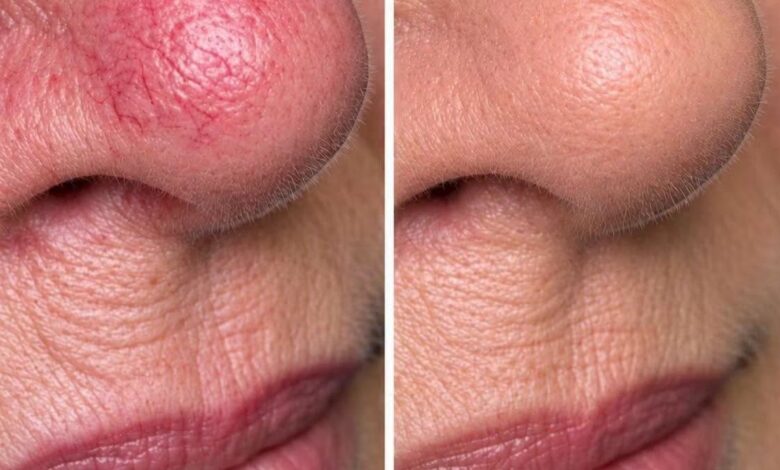
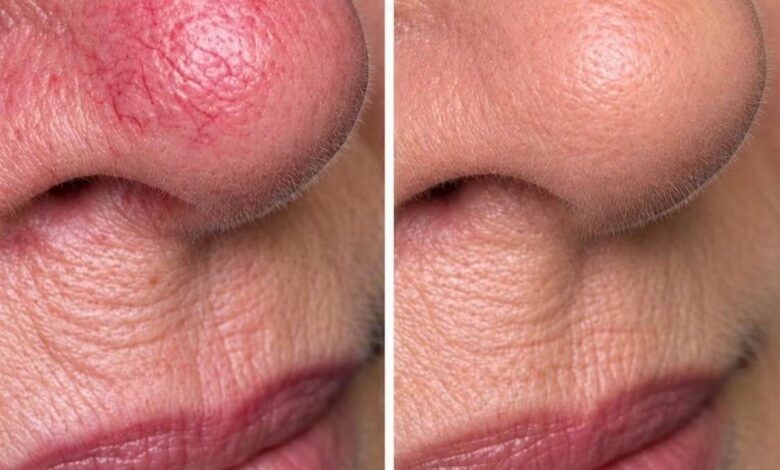
Persistent redness around the nose is a common skin concern. It may first be noticed after washing the face, exercising, moving between warm and cold environments, or spending time outdoors. In many cases, temporary facial flushing is a normal response to heat, emotion, physical activity, or temperature changes. When redness remains visible for long periods, returns frequently, or appears with fine red lines, dryness, burning, itching, or flaking, it may be worth looking more closely at possible causes.
The skin beside and beneath the nostrils is exposed to frequent environmental stress. Sunlight, wind, dry indoor air, sweat, cleansing products, cosmetics, and repeated wiping can all affect this delicate area. The folds around the nose can also hold oil, moisture, sunscreen, makeup, and skin-care residue. As a result, redness in this part of the face may be caused by several different conditions, and an accurate explanation usually depends on a person’s symptoms, skin history, triggers, and examination by a qualified clinician.
It is important not to diagnose a skin condition from a photograph or a brief description alone. An image can show visible color changes, but it cannot reveal whether symptoms are recent or longstanding, whether they come and go, which products have been used, or whether the skin feels sore, itchy, hot, or tight. Those details can help distinguish a temporary flush from ongoing irritation or an inflammatory skin condition.
Why Redness Around the Nose Can Persist
Redness occurs when blood flow near the skin’s surface increases or when the skin barrier becomes irritated or inflamed. The face has a rich network of small blood vessels, and the nose and cheeks are especially prone to visible flushing. In some people, superficial vessels become more noticeable over time. These small, widened vessels are often called telangiectasia.
Telangiectasia can look like fine red, purple, or blue lines close to the skin’s surface. They are often harmless but may be cosmetically bothersome. Sun exposure, aging, repeated flushing, and certain skin disorders can make them more apparent. However, not every red line near the nose is necessarily a visible blood vessel. Inflamed skin, irritation from skin-care products, and dry patches may create a similar appearance.
The skin barrier also plays an important role. This outer protective layer helps retain moisture and shields the skin from irritants and environmental exposure. When the barrier is disrupted, skin may become dry, sensitive, rough, or prone to stinging. A weakened barrier can make normal products feel uncomfortable and can make redness appear more pronounced.
Rosacea and Central Facial Redness
Rosacea is a chronic inflammatory skin condition that most often affects the central face, including the cheeks, nose, forehead, and chin. According to the American Academy of Dermatology, symptoms can include persistent facial redness, episodes of flushing, visible blood vessels, skin sensitivity, and, for some people, acne-like bumps. Symptoms vary substantially between individuals, and not everyone experiences every feature.
The precise cause of rosacea is not fully understood. Research suggests that it may involve a combination of genetic tendency, immune-system activity, blood-vessel changes, environmental factors, and skin microorganisms. Rosacea is not caused by poor hygiene, and it is not contagious. Because it can resemble acne, eczema, sun damage, or an allergic reaction, professional assessment can be useful when symptoms are persistent.
Common rosacea triggers differ from person to person. Some people report increased flushing after sun exposure, heat, spicy foods, alcohol, hot drinks, emotional stress, strenuous exercise, or abrupt temperature changes. Identifying individual patterns can help reduce flares, although avoiding a trigger is not always enough to control the condition fully.
Dermatologists may recommend prescription treatments depending on the type and severity of rosacea. These can include topical medications to reduce inflammation or persistent redness, oral medicines for certain inflammatory symptoms, and office-based procedures for visible blood vessels. Treatment decisions should be individualized, especially because sensitive skin can react poorly to unsuitable products.
Seborrheic Dermatitis and Flaky Skin Near the Nose
Seborrheic dermatitis is another possible contributor to redness around the nose. This common condition often affects oilier areas of the skin, including the sides of the nose, eyebrows, scalp, ears, and upper chest. It may cause redness with greasy or dry-looking flakes, scaling, and mild itchiness. Dandruff on the scalp can occur at the same time.
Medical experts believe seborrheic dermatitis is associated with several factors, including skin oil production, an inflammatory response, and the presence of a naturally occurring yeast called Malassezia. It is not a sign that someone is unclean. Symptoms may become more noticeable during periods of stress, cold weather, illness, or hormonal change.
Management may involve gentle cleansing and medicated products recommended by a healthcare professional. Anti-fungal treatments, carefully selected anti-inflammatory medicines, or medicated shampoos may be used on affected areas in some cases. Because facial skin is sensitive, particularly around the nostrils and eyes, it is best to seek professional advice before using strong treatments or prolonged courses of topical steroid products.
Contact Dermatitis, Irritation, and Overuse of Skin-Care Actives
Contact dermatitis occurs when the skin reacts to something that touches it. Irritant contact dermatitis can develop after exposure to harsh or drying substances, while allergic contact dermatitis involves an immune reaction to a particular ingredient. Facial cleansers, fragrances, essential oils, preservatives, cosmetics, hair products, and shaving products can all be potential triggers for some people.
Symptoms may include redness, dryness, itching, burning, swelling, cracking, or a rash. The timing can offer useful clues. For example, irritation that begins shortly after using a new exfoliant, retinoid, toner, acne treatment, or fragranced product may point to a product-related problem. In contrast, an allergic reaction may sometimes appear after repeated exposure to an ingredient that had previously seemed tolerable.
Over-exfoliation is a frequent cause of avoidable irritation. Physical scrubs, cleansing brushes, strong acids, retinoids, benzoyl peroxide, and multiple active ingredients can be beneficial when used appropriately, but combining them too often may damage the skin barrier. The result can be a cycle of tightness, sensitivity, redness, and attempts to “fix” the problem with even more products.
A simpler routine is often a reasonable first step when irritation is suspected. Pausing non-essential actives and fragranced products may help clarify whether the skin improves. New products should generally be introduced one at a time, allowing enough time to observe how the skin responds. Anyone who develops significant swelling, widespread rash, eye involvement, or trouble breathing should seek urgent medical care.
The Role of Sun Exposure and Weather
Ultraviolet radiation can contribute to cumulative skin damage and may make redness and visible vessels more noticeable over time. Sun exposure can also trigger flares in people with rosacea or sensitive skin. The U.S. Centers for Disease Control and Prevention and dermatology organizations recommend protecting skin from excessive ultraviolet exposure through shade, protective clothing, and sunscreen.
A broad-spectrum sunscreen protects against both UVA and UVB radiation. For sensitive or redness-prone skin, a fragrance-free mineral sunscreen containing zinc oxide or titanium dioxide may be easier to tolerate for some people, although preferences and reactions vary. Sunscreen should be applied as directed and reapplied during extended outdoor exposure, especially after sweating or swimming.
Cold weather, wind, dry heat, and sudden shifts between outdoor and indoor temperatures can also make facial redness more visible. Covering the face with a soft scarf in cold conditions, avoiding very hot water, and using a moisturizer regularly may help reduce discomfort associated with dryness and environmental exposure.
A Gentle Skin-Care Routine for Redness-Prone Skin
There is no single routine that works for every cause of facial redness. Still, a basic approach focused on barrier support can be helpful for many people with sensitive skin. The goal is not to eliminate every product forever, but to reduce unnecessary irritation while observing what changes.
A gentle routine may include the following steps:
- Cleanse mildly: Use lukewarm rather than hot water and a gentle, fragrance-free cleanser. Avoid scrubbing, rough washcloths, and abrasive cleansing devices.
- Moisturize consistently: Choose a moisturizer formulated for sensitive skin. Ingredients such as ceramides, glycerin, and hyaluronic acid may help support hydration for many users.
- Use daily sun protection: Apply a broad-spectrum sunscreen with an SPF of 30 or higher when exposed to daylight outdoors.
- Limit irritating ingredients: Consider avoiding strong fragrance, alcohol-heavy products, harsh scrubs, and multiple active treatments while the skin is irritated.
- Patch-test thoughtfully: Test a new product on a small area first when possible, particularly if there is a history of sensitivity or allergies.
- Keep a trigger record: Note changes in weather, food, drinks, exercise, stress, products, and symptoms. A record can be useful during a medical appointment.
Green color-correcting makeup can temporarily reduce the visible contrast of facial redness because green sits opposite red on the color wheel. Cosmetic products may help a person feel more comfortable with their appearance, but they do not treat the underlying cause. Those with sensitive skin may wish to choose non-comedogenic, fragrance-free formulas and remove makeup gently at the end of the day.
When to Consult a Dermatologist or Healthcare Professional
Persistent or recurring redness deserves medical attention when it is uncomfortable, worsening, difficult to manage, or associated with other symptoms. A dermatologist can examine the skin directly, discuss possible triggers, review medications and product use, and determine whether a condition such as rosacea, seborrheic dermatitis, eczema, psoriasis, contact dermatitis, or another concern may be involved.
Consider arranging an appointment if redness lasts for several weeks, repeatedly returns, spreads across the face, or occurs with visible vessels, acne-like bumps, flaking, swelling, persistent burning, or itching. Professional advice is also important when over-the-counter treatments have not helped or when a product appears to cause repeated reactions.
In some cases, clinicians may recommend patch testing to identify possible contact allergies. They may also prescribe targeted therapies, rather than relying on trial and error with cosmetic products. This approach can help avoid prolonged irritation and unnecessary spending on products that may not address the actual cause.
Why Photos and Social Media Posts Cannot Confirm a Diagnosis
Online images can raise awareness about skin health, but they also have limits. Lighting, camera settings, filters, makeup, recent exercise, and temperature can change how redness appears. A close-up image cannot establish whether redness is temporary, whether the person has discomfort, or whether the skin has changed over months or years.
It is therefore more accurate to describe possible explanations than to make definitive claims about an individual’s health from appearance alone. The same visible redness may reflect a brief flush in one person, irritation from a new cleanser in another, or a chronic inflammatory condition in someone else. Context matters.
A careful, evidence-based approach is especially important because skin conditions can affect confidence and quality of life. Persistent redness is often manageable, but the best strategy depends on understanding its cause. Gentle care, sun protection, attention to triggers, and timely medical guidance can all support healthier-looking and more comfortable skin.
Sources
Disclaimer: This content is intended for entertainment purposes only and is not based on real events.