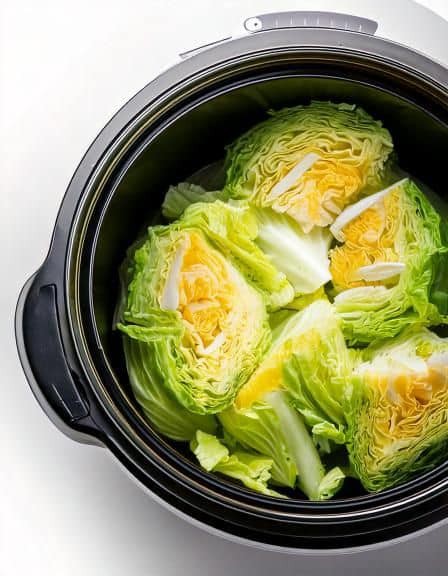
Slow Cooker 4-Ingredient Cabbage Stew
Slow Cooker 4-Ingredient Cabbage Stew is a practical, comforting meal for busy weeknights, relaxed weekends, and simple meal preparation. Built around cabbage, smoked sausage, tomatoes, and broth, this recipe relies on slow, gentle cooking to create a hearty stew with very little hands-on work. It is an approachable option for home cooks looking for an affordable dish that can be served on its own or paired with bread, grains, or a fresh side salad.
The appeal of this stew is its simplicity. Cabbage becomes tender during the long cooking process, tomatoes contribute acidity and moisture, broth brings the ingredients together, and smoked sausage adds a savory, smoky flavor. Although the ingredient list is short, the finished meal can feel substantial and satisfying, particularly during cooler weather.
Why This Easy Cabbage Stew Works
Slow cookers are useful for recipes that benefit from gradual heat and a covered environment. In this cabbage stew, the vegetables soften slowly while retaining their character, and the cooking liquid develops a more unified flavor as the ingredients spend time together. Cabbage has a naturally mild taste with subtle sweetness that becomes more noticeable as it cooks. The salty, smoky qualities of sausage provide contrast, while canned or fresh tomatoes add a bright, tangy note.
This style of meal is also flexible. The exact flavor can vary depending on the type of smoked sausage, tomato product, and broth selected. For example, chicken broth may offer a lighter base, while beef or vegetable broth can create a deeper or more vegetable-forward result. Choosing lower-sodium broth and sausage may be helpful for people who are monitoring sodium intake, since processed meats and prepared broths can contain substantial amounts of salt.
With a short prep time and a cooking window of several hours, this stew is especially useful when a meal needs to be ready later in the day without frequent stirring or supervision. It can also be portioned for lunches and stored for later meals, making it a practical choice for households planning ahead.
Slow Cooker 4-Ingredient Cabbage Stew at a Glance
- Servings: Approximately 4
- Preparation time: About 10 minutes
- Cook time: 6 to 8 hours on low, or 3 to 4 hours on high
- Cooking method: Slow cooker
- Best for: Weeknight dinners, budget-conscious meal planning, and make-ahead lunches
Cooking times may vary depending on the size and model of the slow cooker, the thickness of the cabbage pieces, and whether ingredients are chilled when added. The stew is generally ready when the cabbage is tender, the sausage is heated through, and the broth has taken on the flavors of the vegetables and tomatoes.
Four Main Ingredients
The recipe is centered on four accessible ingredients. Exact amounts can be adjusted to suit the size of the slow cooker and the number of people being served.
- Cabbage: A green cabbage is a reliable choice because it holds up well during long cooking. Remove the tough outer leaves, cut away the core, and slice or chop the cabbage into bite-size pieces. Red cabbage can be used, though it may alter the stew’s color.
- Smoked sausage: Sliced smoked sausage gives the stew savory flavor and protein. Options vary widely, including pork, turkey, chicken, and plant-based products. Check package labels for ingredient and sodium information, particularly when serving people with dietary preferences or health-related restrictions.
- Tomatoes: Diced tomatoes, crushed tomatoes, or chopped fresh tomatoes can provide acidity and moisture. Canned diced tomatoes are a convenient option. Tomatoes with no added salt are available for those seeking more control over the final seasoning.
- Broth: Chicken, beef, or vegetable broth provides the liquid base. Use enough to create a stew-like consistency without fully submerging the cabbage, which will release moisture as it cooks.
The basic recipe does not require an extensive spice cabinet. However, many cooks enjoy adding black pepper, garlic, onion powder, paprika, dried herbs, or a small amount of hot sauce. These additions are optional and should be used according to personal taste. If using a salty sausage and regular broth, taste the finished stew before adding extra salt.
How to Make Cabbage Stew in a Slow Cooker
Begin by washing the cabbage under cool running water and removing any damaged outer leaves. Slice the cabbage into wedges, strips, or chunks. Smaller pieces will become very soft, while larger pieces will retain more structure. Slice the smoked sausage into rounds or half-moons so that it distributes evenly through the stew.
Add the cabbage to the slow cooker, followed by the sausage and tomatoes. Pour in the broth, then gently press the ingredients down. The slow cooker may initially appear full, especially when using a whole cabbage, but the leaves shrink considerably during cooking. Avoid overfilling the appliance; most slow cooker guidance recommends leaving adequate room below the lid for safe, even cooking.
Cover and cook on low for 6 to 8 hours or on high for 3 to 4 hours. Low heat is often preferred when time allows because it gives the flavors more time to blend and allows the cabbage to soften gradually. Try to avoid repeatedly lifting the lid, as heat escapes each time it is removed and can extend the overall cooking time.
When the cabbage is tender, stir the stew carefully and check that the sausage is thoroughly hot. If the sausage was raw rather than fully cooked, it must reach a safe internal temperature appropriate to the product type. The U.S. Department of Agriculture advises using a food thermometer rather than relying solely on color or texture when cooking meat and poultry products.
Serve the stew hot in bowls, making sure each portion includes cabbage, sausage, tomatoes, and broth. If the stew seems thinner than preferred, allow it to sit uncovered briefly after cooking or use a slotted spoon for serving. If it is thicker than desired, stir in a small amount of warmed broth.
Flavor, Texture, and Nutrition Considerations
This stew combines ingredients with distinct culinary roles. Cabbage supplies volume, texture, and a mild vegetable flavor. According to the U.S. Department of Agriculture’s FoodData Central database, cabbage contains nutrients such as vitamin C and vitamin K, although the exact nutritional value of a finished serving depends on the recipe, cooking method, and portion size.
Tomatoes contribute flavor as well as nutrients associated with fruits and vegetables. Their acidity helps balance the richness of smoked sausage, while their liquid helps create the broth. Smoked sausage can make a dish more filling, but it may also contribute saturated fat and sodium. Reading nutrition labels and selecting products that fit individual needs can make this meal easier to adapt.
A balanced serving can include this stew alongside a high-fiber grain, beans, or a simple salad. Whole-grain bread, brown rice, barley, or roasted potatoes are common accompaniments. For a lighter plate, serve a modest bowl of stew with a crisp salad dressed with lemon juice or vinegar. The best choice depends on dietary needs, appetite, and the rest of the day’s meals.
For people following vegetarian or vegan eating patterns, smoked sausage can be replaced with a plant-based sausage or with beans, lentils, or firm tofu. If replacing sausage with legumes, use vegetable broth and consider adding herbs or smoked paprika to maintain a robust flavor profile. These changes create a different recipe, but they preserve the slow-cooked cabbage-and-tomato foundation.
Ways to Customize the Recipe
One reason cabbage stew remains popular in home kitchens is that it can be adapted to what is available. The four core ingredients make a complete, simple dish, but a few additions can change its character without making preparation complicated.
- Add aromatics: Chopped onion or minced garlic can add depth. These can be placed in the slow cooker with the other ingredients.
- Include more vegetables: Carrots, celery, bell peppers, potatoes, or beans can make the stew more substantial. Cut firmer vegetables into evenly sized pieces so they cook consistently.
- Use herbs and spices: Bay leaf, thyme, oregano, paprika, or black pepper work well with cabbage and tomatoes. Remove whole bay leaves before serving.
- Adjust the heat: A small amount of chili flakes or hot sauce can add warmth, but it is best added gradually so the dish remains suitable for everyone at the table.
- Choose a different protein: Turkey sausage, chicken sausage, plant-based sausage, or cooked beans can be used according to preference.
When adding extra ingredients, keep food safety and the capacity of the appliance in mind. Ingredients should not be piled above the recommended fill line, and frozen meat should generally be thawed safely before slow cooking unless the appliance manufacturer specifically states otherwise. Starting with thawed ingredients supports more predictable heating.
Serving Ideas for Slow Cooker Cabbage Stew
This cabbage stew can be a complete one-bowl meal, but side dishes can turn it into a more expansive dinner. Crusty whole-grain bread is a natural companion for the savory broth. Cornbread, biscuits, or rye bread can also work well, depending on personal preference.
For a heartier meal, serve the stew over cooked rice, mashed potatoes, polenta, or egg noodles. These options absorb the broth and help stretch the recipe into additional portions. A fresh green salad, cucumber salad, or lightly dressed slaw can provide contrast to the warm, soft texture of the cooked cabbage.
If serving guests with different preferences, place optional toppings on the table. Fresh herbs, chopped scallions, a squeeze of lemon, grated cheese, or a spoonful of plain yogurt can each add a finishing touch. Keep toppings separate so each person can customize their bowl.
Storage and Food Safety Tips
Leftover cabbage stew can be useful for quick meals during the week. After serving, refrigerate leftovers promptly in shallow, covered containers. The USDA recommends refrigerating perishable foods within two hours, or within one hour when temperatures are above 90°F (32°C). Dividing large quantities into smaller containers helps food cool more quickly.
Properly refrigerated leftovers are generally best used within three to four days, according to USDA food safety guidance. Reheat individual portions until steaming hot, and use a food thermometer where appropriate. Avoid repeatedly cooling and reheating the entire batch, as portioning can help preserve quality and simplify safe handling.
The stew may also be frozen in airtight containers after it has cooled. Leave a small amount of space at the top because liquids expand as they freeze. Frozen portions are convenient for future lunches or evenings when cooking time is limited. Thaw frozen stew safely in the refrigerator, in cold water, or in a microwave before reheating.
A Budget-Friendly Meal for Everyday Cooking
Cabbage has long been valued in many food traditions because it is versatile, widely available, and often economical. It can be served raw, sautéed, roasted, fermented, braised, or simmered in soups and stews. In this recipe, slow cooking offers a low-effort way to use the vegetable in a filling main dish.
The combination of cabbage, sausage, tomatoes, and broth also reflects a broader approach to practical home cooking: pairing affordable produce with a flavorful protein and a simple pantry staple. The result is a dish that can be adjusted for the season, household size, and available ingredients. It does not depend on complicated techniques, making it suitable for both new and experienced cooks.
Whether prepared for a family dinner or divided into portions for the week, Slow Cooker 4-Ingredient Cabbage Stew demonstrates how a small number of ingredients can create a warm, satisfying meal. Its flexibility, straightforward preparation, and familiar flavors make it a dependable addition to a regular dinner rotation.
Disclaimer: This content is intended for entertainment purposes only and is not based on real events.