Nighttime Leg Cramps: Causes, Relief, Prevention, and When to Seek Medical Advice
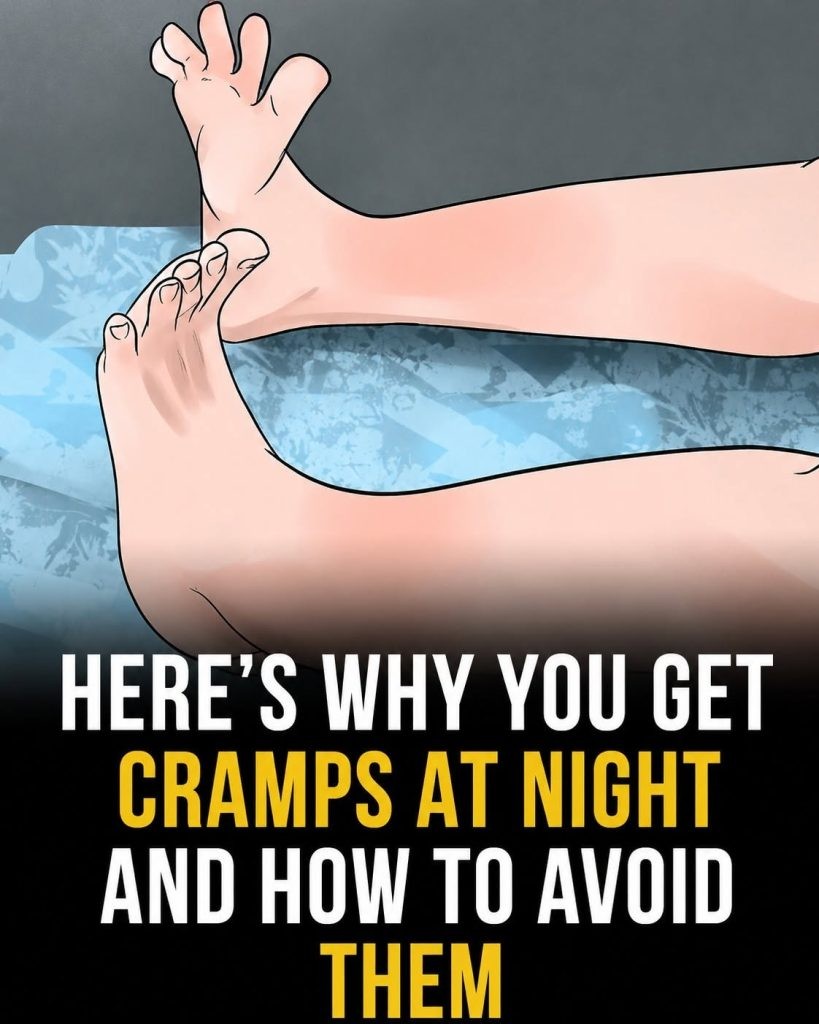
Nighttime leg cramps, sometimes called nocturnal leg cramps, are sudden and painful episodes in which a muscle tightens involuntarily and does not immediately relax. They most often affect the calf muscles, but cramps can also occur in the feet, toes, or thighs. An episode may last only a few seconds, yet some cramps continue for several minutes and can leave the affected muscle tender or fatigued well into the next day.
For many people, an occasional leg cramp is a common and usually harmless problem. However, repeated cramps can interrupt sleep, cause anxiety about going to bed, and contribute to daytime tiredness. Understanding the possible causes, knowing how to respond during an episode, and recognizing when medical advice is needed can make nighttime leg cramps more manageable.

What Are Nighttime Leg Cramps?
A leg cramp occurs when a skeletal muscle contracts suddenly without a person intending to move it. During the cramp, the muscle may feel hard, knotted, or visibly tightened. Calf cramps are especially common because the calf muscles are heavily used throughout the day and can be affected by posture, activity levels, and the position of the foot during sleep.
Nighttime leg cramps are different from restless legs syndrome. Restless legs syndrome usually involves an uncomfortable urge to move the legs, often accompanied by sensations such as tingling, pulling, or crawling. Moving the legs generally relieves those sensations. In contrast, a leg cramp involves a distinct, painful muscle contraction that can make movement temporarily difficult.
Leg cramps also differ from muscle pain after exercise. Delayed-onset muscle soreness tends to develop gradually after unfamiliar or strenuous activity, while a cramp begins abruptly and feels like an intense tightening of a specific muscle.
Why Do Leg Cramps Happen at Night?
In many cases, there is no single identifiable cause of nighttime leg cramps. Health professionals may describe these as idiopathic cramps, meaning they occur without a clear underlying disease. Research suggests that changes in nerve signals controlling muscles, muscle fatigue, shortened muscle position, and everyday activity patterns may all contribute.
Nighttime cramps become more common with age. This may be related to natural changes in muscle mass, flexibility, nerve function, and activity levels. Pregnant people may also experience leg cramps more often, particularly later in pregnancy, although the exact reasons are not fully understood.
Sleeping position may matter for some people. When the feet point downward for long periods, the calf muscles can remain in a shortened position. This may make a cramp more likely in susceptible individuals. Bedding that presses the toes downward can have a similar effect.
Common Factors Linked to Nighttime Leg Cramps
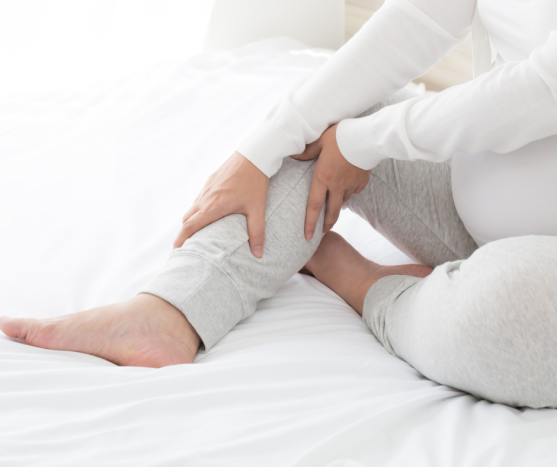
Although a cramp does not always have an obvious trigger, several factors have been associated with recurring episodes. Identifying patterns can help people discuss symptoms more effectively with a healthcare professional.
Muscle Fatigue and Changes in Physical Activity
Muscle fatigue can contribute to cramping. Long periods of standing, walking, climbing stairs, exercising in unfamiliar ways, or suddenly increasing workout intensity may place extra demand on the leg muscles. At the same time, long periods of inactivity and prolonged sitting may also affect muscle conditioning and flexibility.
Regular movement is generally beneficial, but gradual progression is important. Someone returning to exercise after a break may be more comfortable starting with shorter sessions and building intensity over time rather than making abrupt changes.
Hydration and Fluid Loss
Dehydration can be relevant, especially after heavy sweating, hot weather, fever, vomiting, diarrhea, or demanding physical activity. Adequate fluid intake supports normal circulation and muscle function. However, it is important not to assume that every leg cramp is caused by dehydration. Many people with cramps have no evidence of significant fluid loss.
A practical approach is to drink fluids regularly throughout the day and increase intake when exercising or spending time in heat, following any individual fluid restrictions advised by a clinician. People with heart failure, kidney disease, or other medical conditions may need personalized guidance on fluid intake.
Electrolytes and Nutrition
Minerals including potassium, calcium, magnesium, and sodium play important roles in nerve signaling and muscle contraction. Serious disturbances in these electrolytes can cause muscle symptoms, but routine nighttime cramps do not automatically mean that a person has a mineral deficiency.
A balanced diet is usually the safest starting point for supporting nutritional needs. Fruits, vegetables, beans, whole grains, dairy foods or fortified alternatives, nuts, seeds, fish, and lean proteins can contribute to an overall nutrient-rich eating pattern. People who follow restricted diets, have digestive disorders, or take medications that affect mineral levels may benefit from individualized medical advice.
Magnesium and potassium supplements should not be used casually as a universal cure for leg cramps. Supplements can interact with medications and may be unsafe for some people, particularly those with impaired kidney function. A blood test or clinical assessment may be appropriate when a healthcare professional suspects a deficiency or another medical issue.
Medications and Health Conditions
Some medications may be associated with muscle cramps in certain people. These can include medicines that affect fluid balance, some cholesterol-lowering treatments, and other drugs depending on an individual’s health situation. A person should not stop a prescribed medicine without medical guidance. Instead, it is sensible to note when symptoms began and review all medications, including over-the-counter products and supplements, with a clinician or pharmacist.
Recurring cramps may also be linked with some medical conditions, including diabetes, thyroid disorders, kidney disease, liver disease, nerve disorders, and conditions affecting circulation. This does not mean that cramps alone indicate one of these illnesses. It means frequent, new, or worsening symptoms deserve evaluation in the context of a person’s medical history and other signs.
What to Do During a Nighttime Leg Cramp
Gentle stretching is widely recommended as an immediate way to help a cramped muscle relax. The goal is to lengthen the muscle slowly and comfortably rather than force it into position.
For a calf cramp, straighten the leg if possible and gently pull the toes upward toward the shin. If you are able to stand safely, placing the affected foot flat on the floor and slowly shifting weight forward may provide a calf stretch. Hold the stretch without bouncing, and stop if the movement causes severe pain or feels unsafe.
For a cramp in the front of the thigh, gently bend the knee and bring the heel toward the buttock while holding onto a stable surface for balance. A foot or toe cramp may improve by carefully pulling the toes upward and massaging the sole of the foot.
Additional measures that may ease discomfort include:
- Gently massaging the tight muscle after or during stretching.
- Walking carefully for a short distance once balance and comfort allow.
- Using warmth, such as a warm shower, bath, or heating pad, to relax lingering muscle tightness.
- Using a cold pack wrapped in a cloth if soreness remains after the cramp has passed.
Take care when getting out of bed, particularly if the cramp has caused significant pain or if you are at risk of falling. Turn on a light, use support if needed, and avoid rushing to stand.
How to Help Prevent Leg Cramps at Night
There is no guaranteed way to prevent all nighttime leg cramps, especially when no clear cause is present. Still, consistent habits may reduce episodes for some people.
Stretch the Calves and Legs Before Bed
Gentle stretching before bedtime may be useful for people whose cramps occur regularly. A simple calf stretch can be performed by standing facing a wall, placing one foot behind the other, keeping the back heel on the floor, and leaning forward slowly. Hold the position comfortably, then switch sides. People with balance concerns can perform seated stretches or ask a physical therapist for safe alternatives.
Stay Physically Active Without Overdoing It
Regular walking, cycling, swimming, strength training, or other suitable activity can support muscle conditioning and general health. Avoiding sudden increases in exercise duration or intensity may be particularly helpful. A short warm-up before activity and gentle stretching afterward can also support comfort.
Review Daytime Habits and Foot Position
People who sit for long periods may benefit from regular movement breaks. Those who stand for much of the day may need supportive footwear, rest periods, and gradual conditioning. At night, some people find that keeping blankets loose around the feet or avoiding a strongly pointed-toe position helps reduce calf tightness.
Keep a Symptom Record
A simple record can be valuable if cramps are frequent. Note the date and time, the muscle involved, recent exercise, fluid intake, medications, other symptoms, and anything that seemed to bring relief. This information can help reveal possible triggers and can be useful during a medical appointment.
Should You Take Quinine, Magnesium, or Other Remedies?
Many products are marketed or discussed as treatments for leg cramps, but evidence and safety vary. In particular, quinine is not generally recommended for routine nighttime leg cramps because it can cause serious side effects, including blood-related reactions and heart rhythm problems. The U.S. Food and Drug Administration has warned against using quinine products for leg cramps.
Magnesium may be appropriate when a confirmed deficiency is present or in specific clinical circumstances, but it has not been shown to reliably prevent typical idiopathic nighttime leg cramps for everyone. Potassium should also only be supplemented under appropriate medical guidance because high potassium levels can be dangerous.
Before trying a supplement, tonic water, herbal remedy, or medication for persistent cramps, speak with a qualified healthcare professional. The safest plan depends on age, health history, kidney function, pregnancy status, and current medicines.
When to See a Healthcare Professional
Schedule a non-urgent medical appointment if leg cramps occur frequently, regularly disrupt sleep, continue despite stretching and lifestyle measures, or significantly affect daily activities. A clinician may review your medical history, examine the legs and nervous system, assess medication use, and decide whether laboratory testing or other evaluation is needed.
Medical advice is especially important if cramps occur with muscle weakness, numbness, persistent tingling, changes in walking, unexplained fatigue, or ongoing pain between episodes. These symptoms may point to a condition that needs assessment rather than simple self-care.
When Leg Pain Needs Urgent Care
Not every painful leg symptom is a muscle cramp. Seek urgent medical attention for new swelling, warmth, redness, tenderness, or persistent pain in one leg, particularly if symptoms do not resolve with stretching. These signs can have several causes and should be assessed promptly.
Emergency help is needed if leg symptoms occur with sudden shortness of breath, chest pain, fainting, or coughing up blood. These symptoms require immediate evaluation.
Living Well With Nighttime Leg Cramps
Nighttime leg cramps can be frustrating, but most occasional episodes can be managed with calm stretching, gentle movement, and sensible self-care. A balanced diet, appropriate hydration, regular physical activity, and bedtime stretching may help reduce recurrence for some people. The most important step is avoiding assumptions: cramps are common, but frequent or changing symptoms deserve professional attention.
By tracking episodes, discussing medications and health conditions with a clinician, and choosing evidence-based strategies rather than unproven remedies, people can take practical steps toward better sleep and improved comfort.
Sources
Disclaimer: This content is intended for entertainment purposes only and is not based on real events.