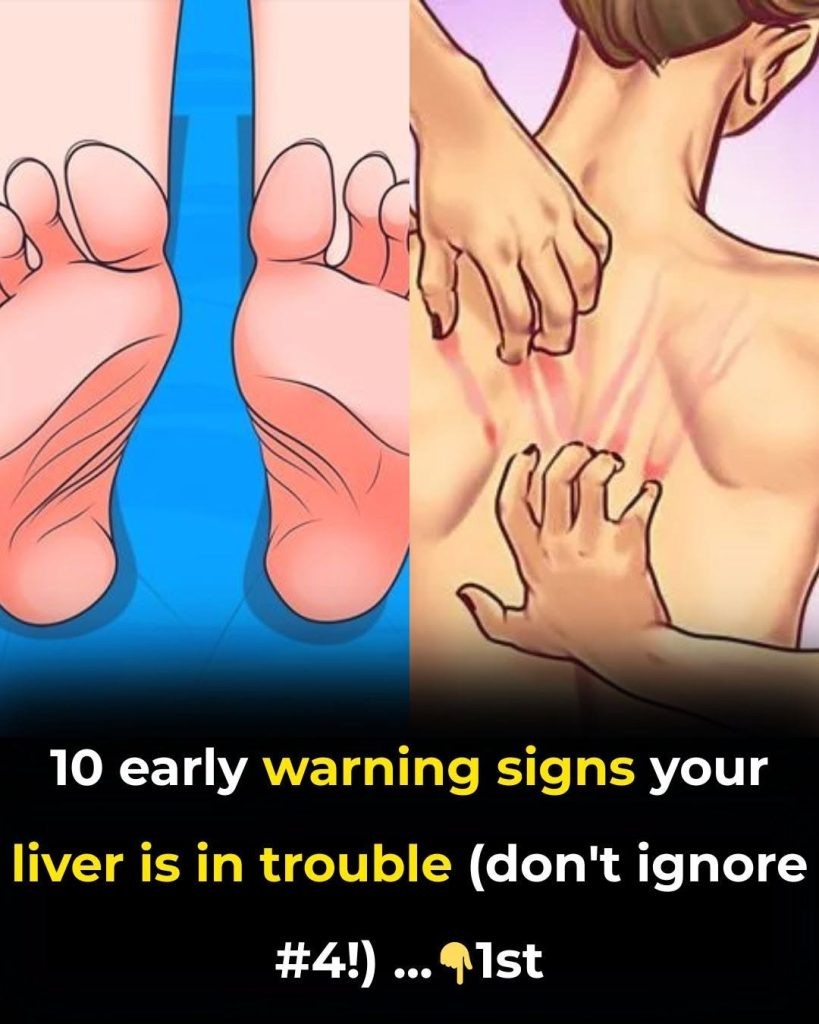
Early Warning Signs of Liver Problems
The liver performs hundreds of essential jobs that help the body function every day. Located in the upper-right part of the abdomen, it processes nutrients, helps regulate blood sugar, produces bile for digestion, makes proteins involved in blood clotting, stores vitamins and minerals, and helps remove certain substances from the bloodstream.
Because the liver has a substantial ability to compensate for injury, many liver conditions can develop quietly over months or years. Early liver disease may cause no symptoms at all. When symptoms do appear, they can be mild, nonspecific, and easily attributed to stress, diet changes, sleep problems, or other common health issues.
That does not mean every episode of tiredness, nausea, or itching signals liver disease. These symptoms have many possible causes. However, persistent changes in health—especially jaundice, abdominal swelling, dark urine, pale stools, or confusion—should be assessed by a qualified healthcare professional. Timely testing can identify liver problems at a stage when treatment, risk-factor management, and lifestyle changes may help prevent further damage.
Why Liver Disease Can Be Difficult to Notice Early
Liver disease is a broad term that includes conditions affecting liver cells, bile ducts, blood vessels, and the immune system. Common causes include metabolic dysfunction-associated steatotic liver disease (MASLD), previously often called non-alcoholic fatty liver disease; alcohol-related liver disease; viral hepatitis; autoimmune liver diseases; inherited conditions; and some medication or supplement-related injuries.
In early stages, inflammation or fat buildup may not significantly interfere with the liver’s many functions. Some people discover an abnormality only after routine blood tests show raised liver enzymes, or after imaging conducted for another reason finds fatty changes in the liver. Importantly, normal liver enzyme results do not always exclude liver disease, and elevated results do not by themselves establish a diagnosis. Doctors interpret laboratory findings alongside symptoms, medical history, medicines, alcohol use, metabolic health, and imaging where appropriate.
As liver injury progresses, scar tissue may form. This process is called fibrosis. Advanced scarring is known as cirrhosis and can affect blood flow through the liver and reduce its ability to perform vital functions. Not everyone with fatty liver, hepatitis, or another liver condition develops cirrhosis, particularly when contributing factors are identified and managed early.
Persistent Fatigue and Low Energy
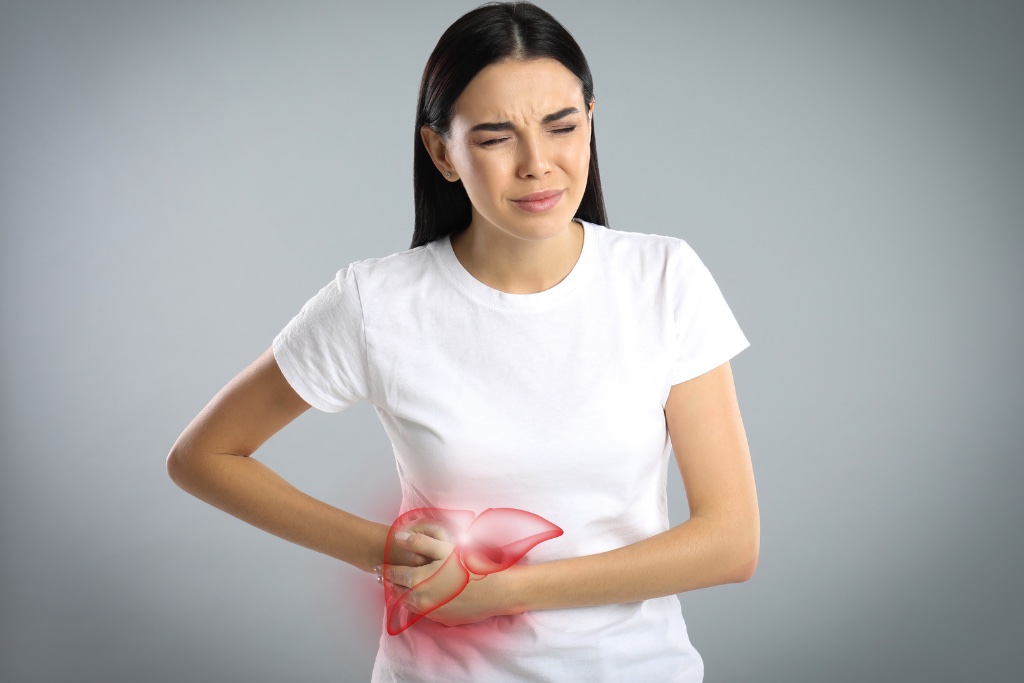
Ongoing fatigue is commonly reported by people with a range of liver conditions. It may feel like a lack of energy, reduced stamina, unusual sleepiness, or difficulty completing normal daily tasks despite adequate rest. Researchers recognize that fatigue can affect quality of life in chronic liver disease, although the exact reasons can vary and may involve inflammation, sleep disturbance, nutritional issues, mood, anemia, medication effects, or other medical conditions.
Fatigue alone is not a reliable indicator of liver disease. It is also associated with thyroid disorders, depression, anxiety, infections, sleep apnea, iron deficiency, diabetes, heart disease, and many other conditions. Still, it is reasonable to discuss fatigue with a clinician when it lasts several weeks, worsens, interferes with daily life, or occurs alongside symptoms such as appetite changes, jaundice, itching, or abdominal discomfort.
Itching Without an Obvious Rash
Persistent itching, medically called pruritus, can sometimes occur in conditions that affect bile production or bile flow. Bile is a fluid produced by the liver that helps digest fats. When bile flow is impaired, components associated with bile may build up in the body and contribute to itching. The itch can be widespread and may be more bothersome at night, although experiences differ from person to person.
Itching is common and is much more often related to dry skin, allergies, eczema, kidney problems, medications, or other non-liver causes. A visible rash may point toward a skin condition, but its absence does not prove a liver-related cause. Itching that is persistent, severe, or accompanied by yellowing of the eyes or skin, dark urine, or pale stools warrants medical evaluation.
Jaundice: Yellowing of the Skin and Eyes
Jaundice is one of the most recognizable signs that the liver or bile system may need urgent assessment. It refers to yellowing of the skin and the whites of the eyes caused by increased bilirubin in the blood. Bilirubin is a yellow pigment produced when red blood cells are broken down. Under normal circumstances, the liver processes bilirubin and helps remove it through bile.
High bilirubin levels can occur when the liver is inflamed or damaged, when bile ducts are blocked, or when red blood cells are breaking down unusually quickly. The causes range from treatable infections and medication effects to gallstone-related obstruction and chronic liver disease. In people with darker skin tones, yellowing may be easier to notice in the whites of the eyes than on the skin.
New jaundice should not be ignored or self-diagnosed. Medical assessment is important, particularly when it develops with fever, significant abdominal pain, vomiting, confusion, severe weakness, or rapidly worsening symptoms.
Changes in Urine and Stool Color
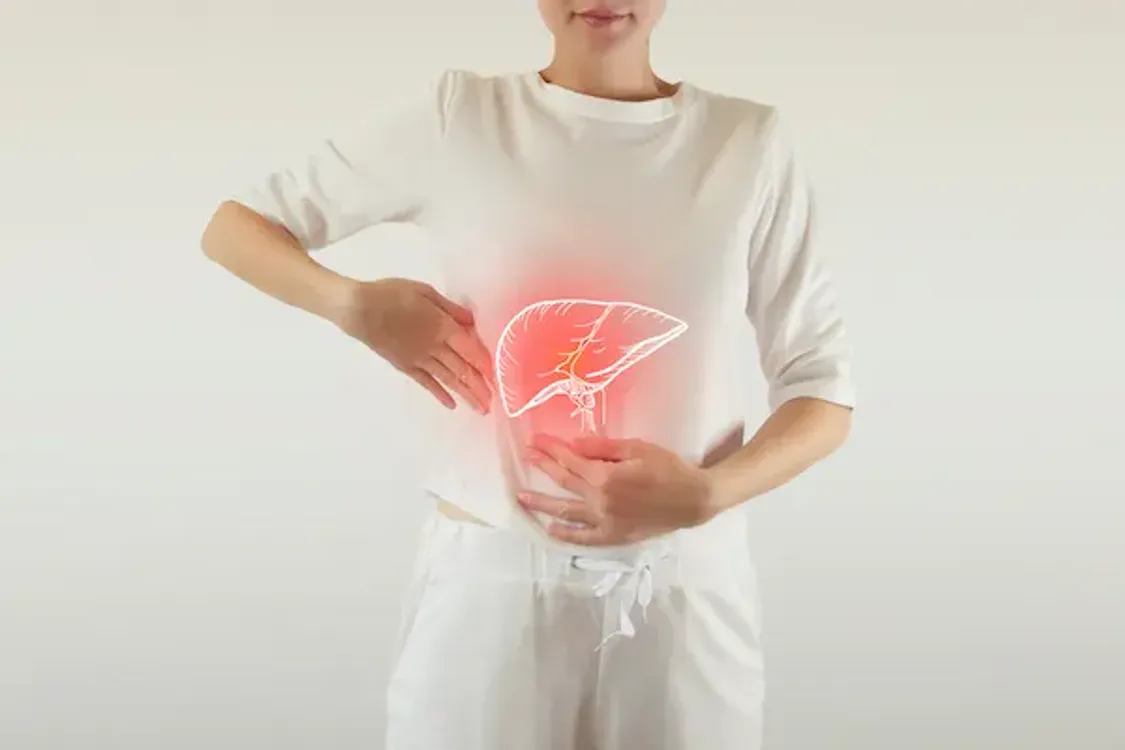
Dark urine can be caused by dehydration, some foods, medicines, vitamins, or urinary conditions. However, urine that remains unusually dark, especially tea- or cola-colored, can also occur when conjugated bilirubin is present in the urine. This may happen in some liver and bile duct disorders.
Pale, gray, or clay-colored stools may indicate that too little bile pigment is reaching the intestines. Bile normally contributes to the brown color of stool. A temporary color variation is not always serious, but repeated pale stools—particularly alongside jaundice, itching, or dark urine—should be discussed with a healthcare professional. These symptoms may suggest a problem with bile flow and can require prompt investigation.
Swelling in the Legs, Ankles, or Abdomen
Fluid retention can occur in advanced liver disease. Swelling in the feet, ankles, and lower legs is called edema. Fluid buildup in the abdomen is called ascites. These changes can develop when cirrhosis alters pressure in blood vessels around the liver and affects the body’s regulation of fluid and proteins, including albumin.
Leg swelling and abdominal enlargement have many other possible explanations, including heart, kidney, vein, thyroid, and nutritional conditions. Nevertheless, new or increasing abdominal swelling should be medically reviewed, particularly if it is accompanied by shortness of breath, pain, fever, reduced urine output, jaundice, or sudden weight changes. People with known cirrhosis should follow their care team’s advice on monitoring fluid retention and contacting medical services.
Nausea, Appetite Changes, and Abdominal Discomfort
Some liver conditions may be associated with nausea, reduced appetite, unintended weight loss, or feeling full after eating a small amount. People may also notice vague discomfort or a sense of fullness beneath the right rib cage, where the liver sits. These symptoms are not specific to liver disease and can arise from digestive disorders, infections, medication side effects, gallbladder conditions, and many other causes.
Persistent symptoms deserve attention rather than assumption. A clinician may ask about the timing of symptoms, diet, alcohol intake, recent travel, prescription and non-prescription medicines, herbal products, family history, and medical conditions such as diabetes or high cholesterol. This wider picture helps determine whether liver testing or other investigations are appropriate.

Easy Bruising or Prolonged Bleeding
The liver produces several proteins involved in normal blood clotting. In significant liver dysfunction, the balance of clotting factors can be altered. Some people may notice easy bruising, frequent nosebleeds, bleeding gums, or bleeding that seems to last longer than expected.
These signs can also be linked to medicines such as anticoagulants or antiplatelet drugs, low platelet counts, vitamin deficiencies, blood disorders, and injuries. Anyone with unexplained or recurrent bleeding should seek medical advice. Urgent medical care is appropriate for heavy bleeding, fainting, black tar-like stools, vomiting blood, or other signs of a potentially serious emergency.
Memory Changes, Confusion, and Sleep Pattern Changes
In severe or advanced liver disease, the liver may be less able to clear certain substances from the blood. This can contribute to hepatic encephalopathy, a condition that can affect attention, sleep patterns, coordination, behavior, and thinking. Signs may include unusual confusion, marked drowsiness, personality changes, difficulty concentrating, or a hand-flapping tremor.
Confusion has many possible causes, including infection, low blood sugar, stroke, medication reactions, dehydration, and neurological conditions. Sudden confusion or a noticeable change in alertness requires urgent medical assessment. For someone with known advanced liver disease, changes in mental status should be treated as a reason to contact their medical team immediately or seek emergency care.
Common Risk Factors for Liver Disease
Understanding risk factors can help people have informed conversations with healthcare professionals. MASLD is closely associated with insulin resistance, type 2 diabetes, overweight or obesity, high blood pressure, and abnormal blood fats. It is one of the most common causes of chronic liver disease in many countries. It can affect people at different body sizes, although risk rises with certain metabolic health factors.
Alcohol can harm the liver, and the risk generally increases with the amount and frequency consumed. Individual vulnerability varies, and alcohol-related liver disease can coexist with metabolic fatty liver disease or other conditions. People who are concerned about their drinking can speak with a clinician or local alcohol support service for confidential, evidence-based help.
Hepatitis B and hepatitis C are viral infections that can cause long-term liver inflammation. Vaccination can prevent hepatitis B. Hepatitis C is now curable for most people with direct-acting antiviral medicines, but testing is necessary because many infected people do not know they have the virus. Public health recommendations about who should be screened vary by country and individual risk factors.
Other potential contributors include certain prescription medicines, over-the-counter pain relievers when used above recommended doses, bodybuilding products, and unregulated herbal or dietary supplements. “Natural” does not always mean harmless. People should tell their clinician about every medicine, vitamin, tea, powder, or supplement they use and should not stop prescribed treatment without medical guidance.
How Doctors Check Liver Health
Evaluation usually begins with a medical history and physical examination. Blood tests may include liver enzymes, bilirubin, albumin, blood-clotting measurements, a complete blood count, and tests for viral hepatitis or other causes when indicated. Depending on the findings, a doctor may recommend an ultrasound, elastography to estimate liver stiffness, CT or MRI imaging, or referral to a liver specialist.
No single test answers every question. A raised alanine aminotransferase (ALT) or aspartate aminotransferase (AST) level may indicate liver-cell injury, but levels do not always match the degree of scarring. Conversely, people with advanced disease can sometimes have enzyme results that are not dramatically elevated. This is why follow-up and professional interpretation matter.
Supporting Liver Health and Knowing When to Seek Care
Healthy habits can support liver health and reduce the risk associated with metabolic disease. These include eating a balanced diet, staying physically active, managing diabetes and cholesterol with professional guidance, maintaining a weight that is appropriate for the individual, and avoiding alcohol or keeping intake within local low-risk guidance where applicable. Vaccination against hepatitis A or B may be recommended for some people based on health status, occupation, travel, or existing liver disease.
It is also important to use medicines exactly as directed. Acetaminophen, also known as paracetamol, is safe for many people when used at recommended doses, but taking more than advised can seriously injure the liver. Combining it with alcohol or taking multiple products that contain the same ingredient can increase risk. A pharmacist or clinician can help clarify safe use.
Arrange a routine medical appointment for persistent fatigue, itching, appetite changes, recurring right-sided upper abdominal discomfort, or unexplained bruising. Seek prompt medical care for jaundice, repeatedly pale stools, persistent dark urine, increasing abdominal swelling, or new leg swelling. Emergency care is appropriate for confusion, severe abdominal pain, fainting, severe weakness, heavy bleeding, or rapidly worsening illness.
The key message is balanced: symptoms alone cannot diagnose liver disease, and many people with early disease have no symptoms. But recognizing persistent changes, understanding personal risk factors, and obtaining evidence-based medical evaluation can make a meaningful difference. Early detection gives people and clinicians more opportunities to address the underlying cause and protect long-term health.
Sources
Disclaimer: This content is intended for entertainment purposes only and is not based on real events.