Persistent Vomiting in Children: Intestinal Obstruction, Parasites, and When to Seek Care
Persistent vomiting in a child can be frightening for families, particularly when it is accompanied by abdominal pain, poor appetite, fatigue, or difficulty keeping fluids down. Many childhood illnesses, including short-term viral stomach infections, may cause vomiting and improve with time. However, vomiting that continues, becomes more severe, or occurs alongside warning signs may require urgent medical assessment.
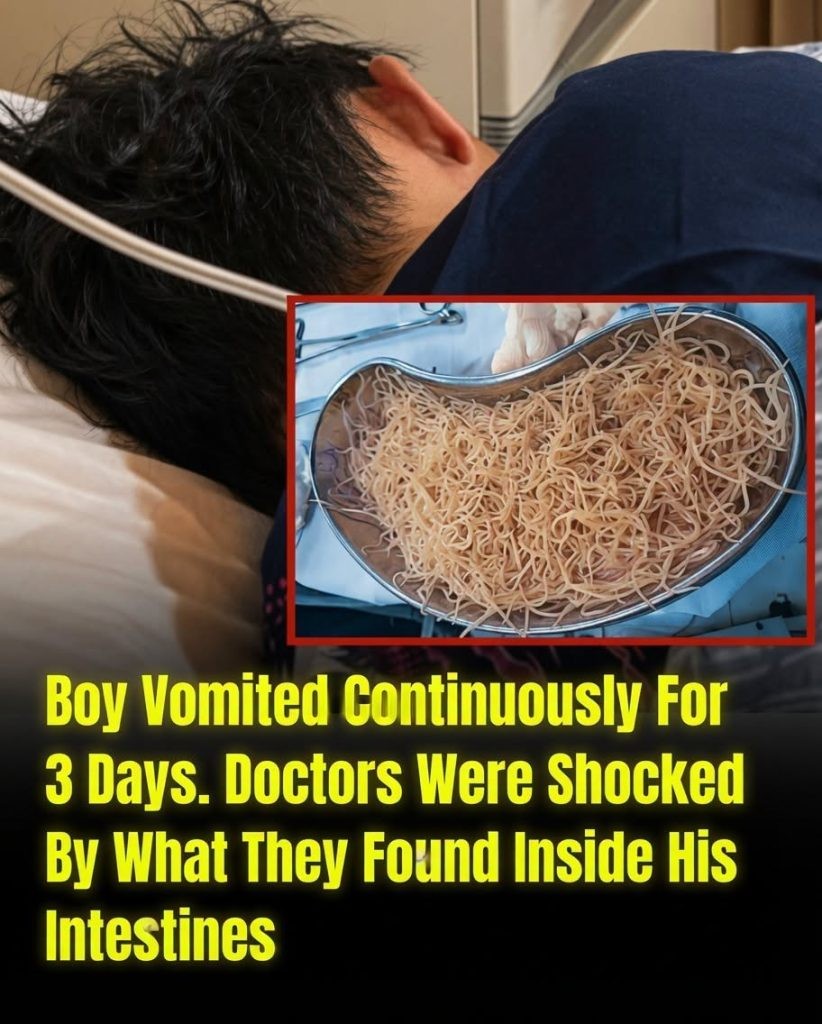
Online posts sometimes describe dramatic cases in which a child’s vomiting was linked to a large accumulation of intestinal worms. While intestinal parasitic infections are medically recognized and can occasionally lead to serious complications, individual viral stories and images should not be treated as confirmed medical reports unless they are supported by reliable documentation from health authorities or established news organizations.
The broader health message is important: ongoing vomiting should not be dismissed automatically as food poisoning or a routine stomach illness. Doctors need to consider a wide range of possible causes, including infection, dehydration, food-related illness, appendicitis, bowel obstruction, and, in areas where they are common, intestinal parasite infections.
Why Persistent Vomiting in Children Needs Medical Attention
Vomiting is a symptom rather than a diagnosis. It can happen when the stomach or intestines are irritated, when a child has an infection, or when another health condition affects the digestive system. In many cases, symptoms resolve without complications. The main concern is that children can lose fluids and essential salts relatively quickly, especially if they are unable to drink or keep liquids down.
Dehydration may develop after repeated vomiting or diarrhea. Infants and young children can be especially vulnerable because they have smaller fluid reserves than adults. Parents and caregivers should look for signs such as a dry mouth, crying with few or no tears, reduced urination, dark-colored urine, unusual sleepiness, irritability, dizziness, or weakness. A child who appears difficult to wake, confused, very lethargic, or unable to retain any fluids needs urgent medical care.
Abdominal symptoms also matter. Severe or worsening pain, a noticeably swollen abdomen, persistent constipation, blood in stool, or green vomit can indicate a problem that should be assessed promptly. Green vomit may reflect bile and can occur with some forms of intestinal blockage. It is not possible to determine the cause at home, so professional evaluation is important when these symptoms appear.
Understanding Intestinal Obstruction
An intestinal obstruction occurs when food, liquid, gas, and digestive contents cannot move normally through part of the intestine. Obstructions can be partial or complete. They may arise from several causes, including conditions present from birth, inflammation, scar tissue after surgery, hernias, intussusception, or, less commonly, a large burden of intestinal worms.
Symptoms can vary depending on the child’s age and the location of the blockage. They may include cramping abdominal pain, vomiting, abdominal swelling, reduced appetite, constipation, and inability to pass gas. Some children may initially have symptoms that resemble a common stomach illness. This overlap is one reason clinicians rely on a careful history, physical examination, laboratory testing, and imaging when a serious digestive problem is suspected.
In an emergency department or hospital setting, clinicians may assess hydration, check vital signs, examine the abdomen, and order tests based on the child’s symptoms. Imaging studies may help identify signs of obstruction or other causes of pain and vomiting. Treatment depends on the underlying condition and the child’s overall health. It can include fluids, observation, medication, or procedures directed by a pediatric medical team.
Can Intestinal Parasites Cause a Bowel Blockage?
Yes, although this is not the most common explanation for vomiting in children. Certain intestinal parasites can cause health problems when infections are heavy or remain untreated. One of the best-known parasites associated with intestinal complications is Ascaris lumbricoides, a roundworm that causes ascariasis.
According to the World Health Organization, soil-transmitted helminth infections affect populations in parts of the world where sanitation and hygiene infrastructure may be limited. These infections are associated with contaminated soil and can be transmitted when parasite eggs are ingested through contaminated hands, food, or water. Risk is higher in settings where safe sanitation, clean water, and access to routine preventive health services are inadequate.
Many people with ascariasis have no symptoms or only mild digestive discomfort. However, a heavy worm burden can contribute to abdominal pain, nausea, poor nutritional status, and impaired growth in children. In rare severe cases, multiple worms can form a mass that blocks the intestine. Worms may also affect other areas of the digestive system, making medical assessment essential when serious symptoms occur.
It is important to avoid assuming that parasites are the cause whenever a child has vomiting or abdominal pain. In countries and communities where intestinal parasites are less common, other causes may be more likely. A healthcare professional can decide whether stool testing, imaging, or other investigations are appropriate based on symptoms, travel history, living conditions, exposure risks, and local disease patterns.
What Is Ascariasis?
Ascariasis is an infection caused by a type of roundworm. The U.S. Centers for Disease Control and Prevention explains that people become infected by swallowing microscopic parasite eggs. This may happen when contaminated soil comes into contact with hands, food, or water and is then accidentally ingested.
The infection is linked to environmental sanitation. Eggs are passed in the stool of infected people and can contaminate soil where sanitation systems are insufficient. They may persist in the environment under favorable conditions. For this reason, prevention is not only an individual responsibility; it is also connected to clean water systems, proper sanitation facilities, health education, food safety, and access to diagnosis and treatment.
Symptoms can differ widely. Some infections cause no clear illness, while heavier infections can cause digestive complaints. In children, repeated or high-burden intestinal worm infections may contribute to malnutrition because they can interfere with nutrient intake and absorption. Public health programs in affected regions may use preventive treatment strategies for populations at risk, alongside efforts to improve water, sanitation, and hygiene.
How Doctors Evaluate Ongoing Vomiting and Abdominal Pain
When a child arrives at a clinic or emergency department with prolonged vomiting, healthcare professionals begin by assessing immediate risks. They may ask when symptoms began, how frequently vomiting has occurred, whether the child can drink, whether there is diarrhea or constipation, and whether there has been fever, recent travel, contact with sick people, or a change in diet.
Doctors also consider the appearance of the vomit, the location and pattern of abdominal pain, and the child’s level of alertness. A physical examination can provide information about tenderness, swelling, bowel sounds, and possible dehydration. Depending on the findings, clinicians may request blood tests, urine tests, stool tests, ultrasound, X-rays, or other imaging.
Testing for intestinal parasites is usually guided by the clinical situation. A stool examination may identify parasite eggs or other signs of infection. However, diagnostic decisions should be made by qualified medical professionals. Families should not give prescription antiparasitic medication without medical guidance, particularly if a child has severe pain, vomiting, or possible bowel obstruction.
Warning Signs That Need Urgent Care
Parents and caregivers should seek urgent medical advice if a child has persistent vomiting or appears to be getting worse. Emergency evaluation may be necessary when vomiting is associated with severe abdominal pain, a swollen or rigid abdomen, green vomit, blood in vomit or stool, fainting, confusion, breathing difficulty, or signs of severe dehydration.
Other reasons to contact a healthcare professional promptly include vomiting in a very young infant, vomiting after a head injury, vomiting with a severe headache or stiff neck, or vomiting that continues beyond a short period without improvement. A child who cannot keep down oral rehydration fluids, has not urinated normally, or becomes unusually sleepy should be assessed without delay.
These symptoms do not automatically mean that a child has an intestinal obstruction or parasitic infection. They do mean that it is safer to seek professional care rather than rely on home treatment alone. Early assessment can help clinicians identify dehydration and other complications before they become more difficult to manage.
Preventing Intestinal Parasite Infections
Prevention of intestinal worm infections depends on both household habits and public health infrastructure. Regular handwashing with soap and safe water remains one of the most practical measures. Children should wash their hands before eating, after using the toilet, and after playing in soil or outdoor areas where contamination may be possible.
Food safety is also important. Fruits and vegetables should be washed with safe water, and food should be prepared hygienically. Drinking water should come from a safe, treated source. Communities benefit when households have access to sanitation facilities that safely separate human waste from water supplies, soil, and food-growing areas.
In places with a high prevalence of soil-transmitted helminth infections, public health authorities may recommend periodic deworming programs for groups at higher risk, often including school-aged children. These programs should follow guidance from local health officials and international public health organizations. They are most effective when combined with sanitation improvements, hygiene education, and access to clean water.
How to Respond Safely When a Child Is Vomiting
If a child is vomiting but remains alert and can drink, caregivers may be advised to offer small, frequent sips of an appropriate oral rehydration solution. Large amounts of liquid at once can sometimes trigger further vomiting. The best approach depends on the child’s age, symptoms, and medical history, so caregivers should follow advice from a pediatrician, pharmacist, or local health service.
Parents should avoid forcing food while a child is actively vomiting. Once symptoms improve and fluids are tolerated, a clinician may recommend gradually returning to normal foods. It is also sensible to avoid unverified home remedies or medications not specifically recommended for the child. Some products may be unsuitable for young children or may delay appropriate treatment.
When calling a healthcare provider, it can help to note when vomiting started, how often it has happened, whether fluids are being retained, the child’s temperature, urine output, bowel movements, and any recent travel or possible exposures. This information can help clinicians make timely decisions.
Separating Verified Health Information From Viral Claims
Medical stories shared online can raise awareness, but they can also create confusion when they lack verifiable details. A photograph, dramatic caption, or anonymous social media post is not enough to confirm a specific diagnosis. Ethical health reporting should distinguish clearly between a documented case and general medical information.
The claim that severe parasite infections can occasionally cause intestinal obstruction is supported by medical and public health literature. That fact does not verify every online story linking a child’s symptoms to worms. Readers should look for reporting that identifies credible medical sources, protects patient privacy, and avoids exaggerating rare complications.
For families, the most useful takeaway is practical rather than sensational: persistent vomiting, dehydration, escalating abdominal pain, or a distended abdomen require medical attention. Prompt evaluation can identify the cause and ensure that children receive appropriate care.
Conclusion
Vomiting is common in childhood, but it should be taken seriously when it persists, prevents a child from drinking, or occurs with concerning abdominal symptoms. Intestinal obstruction is one possible cause that requires prompt assessment, and heavy intestinal parasite infections may rarely contribute to obstruction in regions where these infections are prevalent.
Safe water, sanitation, hand hygiene, properly washed food, and public health treatment programs can reduce the burden of intestinal parasites. Equally important, caregivers should trust their concerns and seek medical guidance when a child’s symptoms are severe, prolonged, or worsening. Reliable medical evaluation is the safest way to distinguish a routine illness from a condition that needs urgent treatment.
Sources
Disclaimer: This content is intended for entertainment purposes only and is not based on real events.