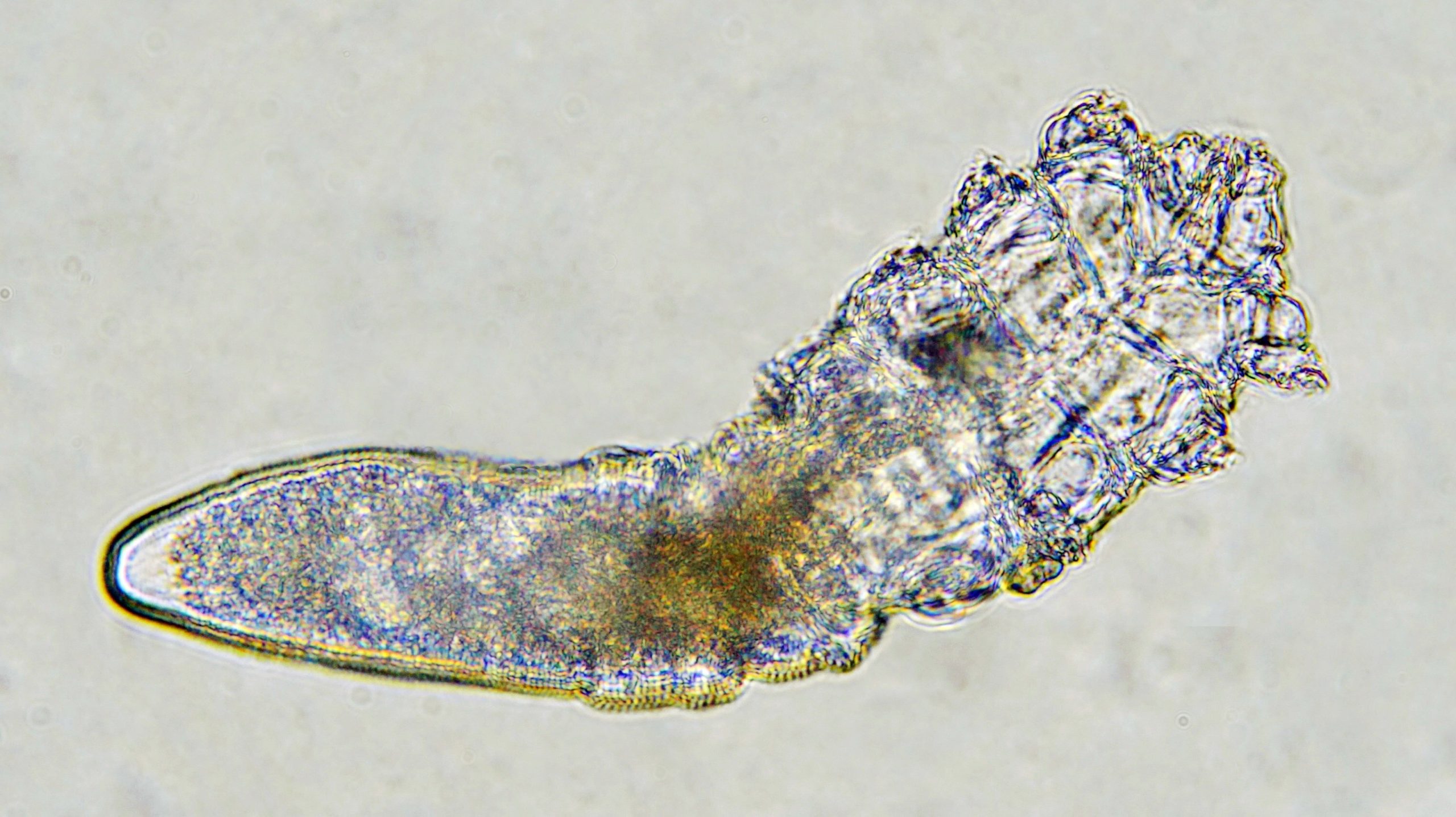
Those Burning, Dry Eyes? Tiny Eyelash Mites Could Be One Possible Cause
Dry, burning eyes are easy to blame on everyday habits. Spending hours in front of a computer, sleeping in an air-conditioned room, wearing contact lenses, or dealing with seasonal allergies can all contribute to eye discomfort.
But there is another possible explanation that many people have never heard of: microscopic mites living around the eyelashes.
Known as Demodex, these tiny organisms commonly inhabit human skin. Most people have them without experiencing noticeable problems. However, when their numbers increase and they contribute to inflammation around the eyelids, they can cause a condition called Demodex blepharitis.
The symptoms may include itchy eyelids, redness, irritation, crusting around the eyelashes, and a persistent feeling that something is in the eyes. Some people also experience dry-eye symptoms.
Although the idea of microscopic organisms living around the eyelashes may sound unsettling, understanding the condition can help people recognize its signs and seek appropriate treatment.

What Are Eyelash Mites?
Demodex mites are microscopic organisms that live in human hair follicles and oil-producing glands. Two species are particularly associated with humans: Demodex folliculorum and Demodex brevis.
Demodex folliculorum is commonly found in hair follicles, including those around the eyelashes. Demodex brevis tends to live deeper in sebaceous and meibomian glands.
These organisms are extremely small and cannot normally be seen without magnification. They feed on materials such as skin cells and oils found around hair follicles.
Demodex becomes more common with age, and many healthy adults carry these mites without developing symptoms. Their presence alone does not mean someone has an eye disease or poor personal hygiene.
Problems can occur when mite populations become excessive or when the surrounding tissue develops an inflammatory response.
How Can You Recognize Demodex Blepharitis?
Demodex blepharitis is a form of eyelid inflammation associated with an increased presence of these mites.
One of its characteristic signs is the appearance of small, cylindrical deposits around the base of the eyelashes. Eye specialists call these deposits collarettes.
They can look like tiny sleeves of dandruff or crust surrounding individual eyelashes. Unlike ordinary loose flakes, collarettes tend to remain attached near the lash roots.
Other possible symptoms include:
-
Itching around the eyelids, particularly near the eyelashes.
-
Redness along the eyelid margins.
-
Burning or irritation around the eyes.
-
A gritty sensation, as though something is inside the eye.
-
Crusting around the eyelashes, especially after sleeping.
-
Eyelash abnormalities or, in some cases, loss of eyelashes.
-
Discomfort that continues despite ordinary eyelid cleaning.
Not everyone experiences all these symptoms. Some people may have visible signs with relatively little discomfort, while others experience significant irritation.
It is also important to remember that these symptoms can occur with other eye conditions. A person cannot confirm Demodex blepharitis simply by noticing itchy or dry eyes.
Can Eyelash Mites Really Cause Dry Eyes?
The relationship between Demodex and dry-eye symptoms is more complicated than it may initially appear.
Dry eye disease develops when the tear film does not provide adequate lubrication and protection for the surface of the eye. This can happen because the eyes do not produce enough tears or because tears evaporate too quickly.
Demodex can contribute to inflammation around the eyelids. This inflammation may disturb the normal function of the eyelid margin and contribute to ocular surface discomfort.
However, researchers distinguish between Demodex blepharitis and meibomian gland dysfunction, even though the conditions can occur together.
The meibomian glands are tiny oil-producing glands located inside the eyelids. They release an oily substance that helps slow the evaporation of tears.
When these glands become blocked or do not function properly, the tear film may become unstable. This can contribute to evaporative dry eye.
Demodex has been associated with eyelid inflammation and dry-eye symptoms, but it should not automatically be considered the direct cause of every case of meibomian gland dysfunction.
In other words, eyelash mites may be part of the problem for some people, but dry eyes usually have several possible explanations.
Why Do Demodex Mites Become a Problem?
Demodex mites are naturally present on human skin. Their presence is not necessarily connected to poor hygiene, and ordinary daily activities do not mean someone will automatically develop an infestation.
Several factors may influence whether they become associated with symptoms.
Age: Demodex is detected more frequently in older adults. Changes in skin and eyelid conditions over time may contribute to this pattern.
Skin conditions: Certain inflammatory skin conditions, including rosacea, have been associated with Demodex overgrowth and eyelid inflammation.
Immune factors: Differences in immune function may influence how the body responds to these organisms.
Eyelid health: Existing inflammation and problems affecting the eyelid margin can make symptoms more noticeable.
Sharing makeup or towels is not established as the main explanation for Demodex blepharitis. Similarly, false eyelashes should not automatically be blamed for mite overgrowth, although poor cosmetic hygiene and irritating products can contribute to eyelid problems.
The important distinction is between carrying Demodex, which is common, and developing symptomatic inflammation that requires treatment.
How Do Eye Doctors Diagnose the Condition?
Because Demodex mites are microscopic, an ordinary mirror is not enough to confirm their presence or determine whether they are causing symptoms.
An eye specialist may examine the eyelids and eyelashes using a slit-lamp microscope. This instrument provides a magnified view of the eyelid margins and can help identify characteristic collarettes.
The doctor may also look for redness, swelling, changes around the eyelashes, and signs of other conditions that could explain the symptoms.
In selected cases, an eyelash may be examined under a microscope to identify mites directly.
The examination is important because several conditions can look similar, including bacterial blepharitis, allergic inflammation, dry eye disease, and meibomian gland dysfunction.
Correct diagnosis helps ensure that treatment addresses the actual problem rather than relying on products that may not be appropriate.
What Treatments Can Help?
Treatment depends on the diagnosis and severity of the symptoms. A person with ordinary dry eyes does not necessarily need medication for Demodex.
For people diagnosed with Demodex blepharitis, treatment may include specific prescription medication and appropriate eyelid hygiene.
1. Prescription Treatment
In the United States, the FDA approved lotilaner ophthalmic solution 0.25%, sold under the brand name XDEMVY, in July 2023 for the treatment of Demodex blepharitis.
The approved treatment schedule is one drop in each eye twice daily for six weeks. Clinical trials involving 833 adults supported its approval.
This medication is specifically intended for diagnosed Demodex blepharitis. It is not a general treatment for every type of dry eye, and its availability and prescribing rules may differ between countries.
Patients should consult an eye specialist rather than attempting to obtain or use prescription medication without medical guidance.
2. Gentle Eyelid Hygiene
Keeping the eyelid margins clean is an important part of managing several forms of blepharitis.
An eye specialist may recommend commercially prepared eyelid wipes or cleansers designed for use around the eyes.
The cleaning process should be gentle. Rubbing aggressively, using ordinary household cleaning products, or applying irritating substances near the eyes can make inflammation worse.
Tea tree oil is sometimes discussed as a treatment for Demodex. However, concentrated tea tree oil can irritate or damage the ocular surface. It should never be applied directly to the eyes or used as a homemade eyelid treatment.
3. Warm Compresses for Associated Gland Problems
Warm compresses may help people who also have meibomian gland dysfunction.
Applying a comfortably warm compress to closed eyelids can help soften thickened oils inside the glands. An eye specialist may recommend this approach as part of a broader dry-eye management plan.
However, warm compresses should not be presented as a proven way to eliminate Demodex mites. Their purpose is different: helping manage certain eyelid gland problems.
4. Managing Dry-Eye Symptoms
If a person also has dry eye disease, treatment may include artificial tears, changes to environmental conditions, adjustments to contact lens use, or other therapies recommended by an eye specialist.
Taking regular breaks from screens, avoiding direct airflow from fans or air conditioners, and maintaining suitable indoor humidity may also help reduce discomfort.
Persistent symptoms deserve professional assessment because the best treatment depends on the underlying cause.
When Should You See an Eye Doctor?
Occasional eye dryness after a long day does not necessarily indicate a medical condition. However, symptoms that persist, repeatedly return, or interfere with everyday activities should be evaluated.
Consider arranging an eye examination if you experience ongoing eyelid itching, crusting around the eyelashes, unexplained redness, recurring irritation, or a gritty sensation that does not improve.
Some symptoms require more urgent attention. Sudden changes in vision, significant eye pain, severe light sensitivity, or marked redness should be assessed promptly. Sudden vision loss or a painful red eye accompanied by reduced vision requires emergency medical care.
People who wear contact lenses should be particularly careful. Eye pain, redness, light sensitivity, or blurred vision while wearing contact lenses can indicate a potentially serious problem and should not be dismissed as ordinary dryness.
Can You Prevent Eyelid Problems?
Demodex mites are common, so completely eliminating them from the skin is neither realistic nor necessary for most people.
The goal is to maintain healthy eyelids and reduce factors that contribute to irritation and inflammation.
A few practical habits can help:
-
Remove eye makeup carefully before sleeping.
-
Avoid sharing eye makeup, applicators, or personal eye-care products.
-
Replace old or contaminated cosmetics.
-
Clean reusable contact lenses according to professional instructions.
-
Avoid applying non-eye-safe oils or chemicals around the eyelids.
-
Follow an eye specialist’s recommendations if you have recurring blepharitis.
-
Seek medical advice when irritation continues despite basic care.
Good hygiene supports eyelid health, but it is important not to turn normal cleaning into excessive scrubbing. The skin around the eyes is delicate and can become irritated by overly aggressive routines.
The Bottom Line: Not Every Case of Dry Eye Is Caused by Mites
The idea that microscopic organisms may live around the eyelashes can sound surprising, but Demodex is a common part of human skin biology.
For most people, these mites do not cause noticeable problems. In some cases, however, excessive populations are associated with blepharitis, eyelid inflammation, and uncomfortable eye symptoms.
The key is recognizing the difference between ordinary dry eyes and a condition that requires targeted treatment.
If your eyes regularly burn, itch, or feel unusually dry, do not assume that screens, allergies, or eyelash mites are automatically responsible. A proper eye examination can help identify the cause and guide effective care.
Sometimes, the solution begins with something surprisingly small. But protecting your eyesight always starts with accurate information, careful treatment, and knowing when to seek professional advice.
Medical Sources
-
U.S. Food and Drug Administration – Drug Trials Snapshot: XDEMVY
-
American Academy of Ophthalmology – What Is Blepharitis?
-
Tear Film and Ocular Surface Society – TFOS DEWS II: Management and Therapy
-
Donnenfeld et al. – The Demodex Expert Panel on Treatment and Eyelid Health (DEPTH) Consensus Regarding the Preferred Treatment for Demodex Blepharitis, 2025