What Does Your Sleeping Position Say About You? The Science Behind How You Sleep
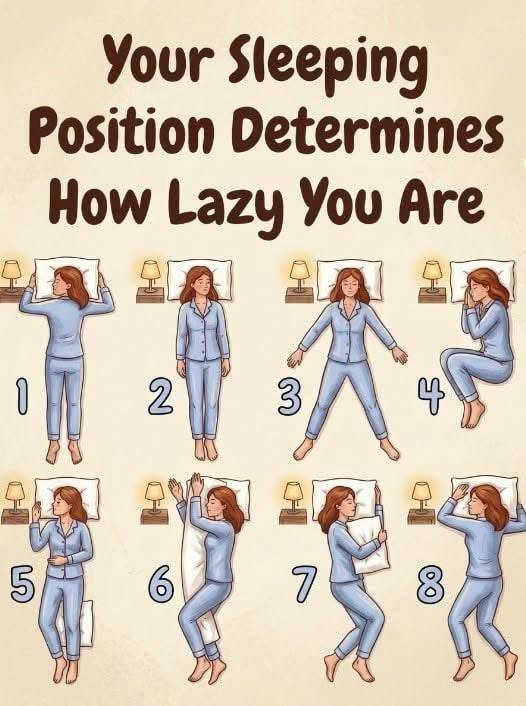
Have you ever wondered whether the way you sleep reveals something about your personality? Perhaps you curl up with your knees close to your chest, stretch your arms above your head, or prefer lying flat on your back. Popular illustrations often assign personality traits to these familiar sleeping positions, suggesting that your posture might reveal whether you are confident, sensitive, independent, or easygoing.
These ideas can be entertaining, especially when comparing sleeping habits with friends and family. However, there is an important distinction between personality myths and scientific evidence.
Your sleeping position does not provide a reliable personality assessment. Instead, it is more closely connected to physical comfort, personal habits, room temperature, mattress support, and sometimes underlying health conditions. Understanding these factors can tell you much more about your sleep than a personality chart ever could.
Can Your Sleeping Position Reveal Your Personality?
The idea that sleeping positions reveal personality traits has been around for years. Some popular theories divide sleepers into categories such as the fetal position, the log, the yearner, the soldier, the starfish, and the freefall.
According to these interpretations, people who curl up may be described as sensitive, while those who sleep with their arms and legs extended are sometimes portrayed as confident or relaxed.
It is an interesting way to think about everyday habits, but the scientific evidence is limited.
There is little reliable research showing that a person’s preferred sleeping position can consistently predict their personality. Studies have also used different definitions and methods, making it difficult to establish meaningful connections.
In reality, people often choose positions that help them feel comfortable. Physical characteristics, age, mattress quality, temperature, and existing health concerns may all influence how someone settles into bed.
A sleeping position can be an interesting personal habit, but it should not be treated as a psychological diagnosis or a judgment about someone’s character.
Six Common Sleeping Positions and What They May Mean for Comfort
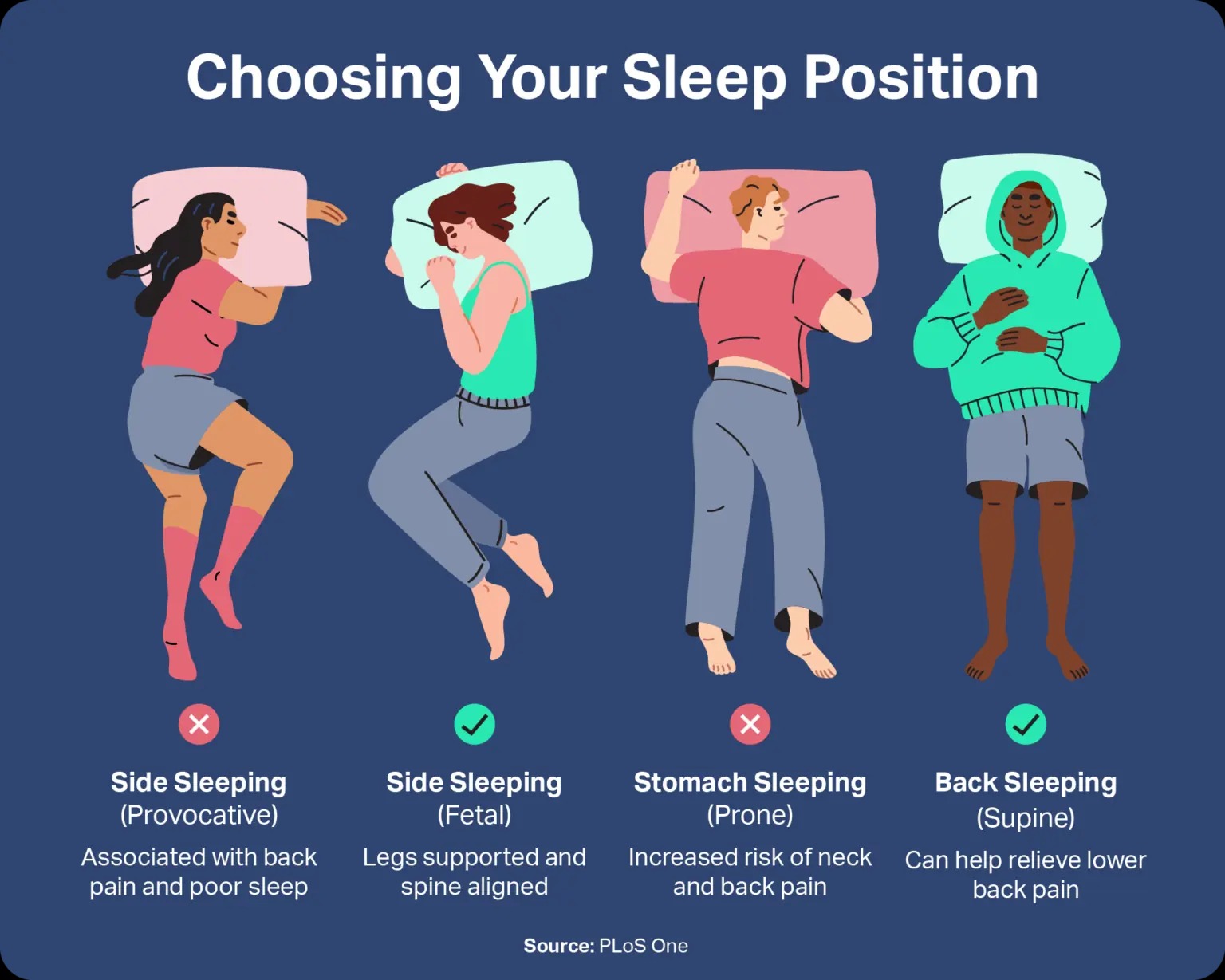
Although sleeping positions cannot reliably identify personality traits, they can offer useful clues about physical comfort and possible pressure points.
Here are six familiar positions and what people may want to know about them.
1. The Fetal Position
<em>The fetal position</em> involves sleeping on your side with your knees bent toward your chest. Some people curl up tightly, while others maintain a more relaxed posture.
This position may feel comfortable because it creates a sense of physical support and warmth. It can also help some people maintain a comfortable spinal position, particularly when the knees are slightly bent.
However, curling up too tightly may cause discomfort in the back or hips for certain sleepers. A pillow between the knees can help keep the hips and spine more comfortably aligned.
The popular belief that fetal-position sleepers are naturally sensitive or emotional is not supported by strong scientific evidence. Comfort is a much more reasonable explanation.
2. The Log Position
The log position describes someone who sleeps on their side with their arms resting relatively straight alongside the body.
Side sleeping is common among adults and can be helpful for people whose snoring or breathing difficulties become worse when lying on their backs.
To make this position more comfortable, the pillow should support the head and neck without forcing them too far upward or downward. Keeping the spine relatively straight can also reduce unnecessary pressure on the shoulders and hips.
Some personality charts describe log sleepers as sociable or easygoing. However, there is no convincing evidence that this posture reliably identifies those characteristics.
3. The Yearner Position
In the yearner position, a person sleeps on their side with both arms extended in front of the body.
This posture may feel natural for people who enjoy having their arms positioned away from their torso. However, keeping the arms extended for long periods can create discomfort for some sleepers, particularly around the shoulders.
If you regularly wake up with shoulder pain or tingling in your hands, consider adjusting your arm position and pillow support.
Popular interpretations sometimes associate this posture with cautious or thoughtful personalities. These descriptions may be fun to compare, but they should not be mistaken for scientific conclusions.
4. The Soldier Position
The soldier position involves lying flat on the back with the arms resting beside the body.
One possible advantage is that the body weight is distributed across a relatively broad surface. For some people, this can help reduce pressure on the shoulders and hips while supporting a neutral spinal position.
However, sleeping on the back is not comfortable or suitable for everyone. Gravity can cause the tongue and soft tissues in the throat to move backward, potentially narrowing the airway.
As a result, back sleeping may worsen snoring and obstructive sleep apnea in some individuals. People who experience these problems should discuss suitable sleeping positions and treatment options with a healthcare professional.
5. The Starfish Position
The starfish position describes sleeping on the back with the arms and legs spread outward.
Some people naturally prefer this relaxed posture because it allows their limbs to rest without being tightly positioned against the body.
However, raising the arms above the head or leaving them in an uncomfortable position for extended periods may contribute to shoulder discomfort or numbness in some people.
If you frequently wake up with tingling hands or aching shoulders, try bringing your arms closer to your sides and adjusting your pillow.
The idea that starfish sleepers are especially generous or helpful is another popular personality interpretation without strong scientific support.
6. The Freefall Position
The freefall position involves sleeping on the stomach, often with the head turned to one side and the arms positioned around the pillow.
Some people find this posture comfortable, and stomach sleeping may reduce snoring for certain individuals.
However, it also has potential disadvantages. Turning the head to one side for an extended period can place strain on the neck. Depending on mattress support, the position may also increase pressure on the lower back.
A thinner pillow may help reduce excessive neck positioning. If stomach sleeping regularly leaves you with discomfort, consider experimenting with a side or back position instead.
How Sleeping Position Can Affect Your Health
Your preferred posture may not reveal your personality, but it can influence how your body feels during the night and after waking up.
Different positions place different amounts of pressure on the spine, shoulders, hips, and airway.
Side Sleeping and Breathing
For people whose breathing problems are affected by body position, sleeping on the side may help reduce certain symptoms.
Some individuals with positional obstructive sleep apnea experience fewer breathing interruptions when they avoid sleeping flat on their backs. However, this does not mean side sleeping can replace medical treatment.
Anyone who has been diagnosed with sleep apnea should follow their healthcare professional’s treatment recommendations.
Back Sleeping and Snoring
Sleeping on the back can be comfortable for people who need more even support across their body.
However, this position may worsen snoring or obstructive sleep apnea in some individuals. If you regularly experience loud snoring, interrupted breathing, morning headaches, or excessive daytime sleepiness, it is worth discussing these symptoms with a healthcare professional.
Changing sleeping positions may help in certain cases, but persistent breathing problems deserve proper evaluation.
Stomach Sleeping and Neck Discomfort
People who sleep on their stomachs usually need to turn their heads to one side to breathe comfortably.
Maintaining this position for several hours may place additional strain on the neck. The lower back may also experience increased pressure, depending on the person’s body position and mattress.
If you prefer stomach sleeping, a thinner pillow or a supportive mattress may help reduce some discomfort. Persistent pain is a reason to reconsider your sleeping arrangement.
Sleeping With Your Arms Above Your Head
Some people naturally raise their arms while sleeping, creating a posture that resembles a starfish or a relaxed stretch.
This position is not automatically harmful. However, keeping the shoulders elevated or placing pressure on the arms for extended periods may contribute to discomfort or temporary numbness.
If you frequently wake up with tingling or numbness, try changing your arm position. Repeated or persistent symptoms should be discussed with a healthcare professional rather than automatically blamed on sleeping posture.
How to Find a Sleeping Position That Works for You
There is no single sleeping position that is perfect for everyone. The best choice depends on your comfort, physical needs, and any existing health conditions.
A few simple adjustments may help improve your sleeping experience.
Choose the right pillow. Your pillow should support your head and neck without forcing them into an uncomfortable angle. Side sleepers may need a thicker pillow than back sleepers because of the space between the head and mattress.
Pay attention to your mattress. A mattress that is too soft or too firm may create uncomfortable pressure points. Look for a level of support that allows your body to rest comfortably.
Adjust your arm and leg positions. If you regularly wake up with shoulder, hip, or back discomfort, small changes may help. Side sleepers can experiment with placing a pillow between their knees.
Notice how you feel in the morning. Pay attention to recurring stiffness, numbness, headaches, and tiredness. These symptoms may have several causes, but your sleeping arrangement is one factor worth considering.
Seek medical advice when necessary. Persistent pain, repeated numbness, loud snoring, or interruptions in breathing should not be ignored. A healthcare professional can help determine whether a sleep disorder or another condition may be involved.
Your Sleeping Position Is a Clue, Not a Personality Test
It can be fun to compare sleeping positions and see whether popular personality descriptions sound familiar. Perhaps you recognize yourself in the fetal position, the starfish, or the yearner.
But these descriptions should remain entertainment rather than scientific conclusions.
The way you sleep is influenced by many factors, and your preferred position may change throughout the night as your body responds to pressure, temperature, and comfort.
Instead of asking whether your sleeping posture reveals your personality, a more useful question might be whether it helps you wake up feeling rested and comfortable.
After all, a good night’s sleep is not about fitting into a personality category. It is about giving your body the rest and support it needs.