
Alfalfa sprouts are often seen as a symbol of healthy eating. Their delicate green stems appear in salads, sandwiches, wraps, and fresh vegetable dishes. They are low in calories and provide nutrients that make them an attractive addition to many meals.
For people who carefully choose fresh ingredients, sprouts may seem like an especially healthy option. However, there is an important detail that many consumers do not know: raw alfalfa sprouts can carry harmful bacteria, even when they look fresh, clean, and perfectly safe to eat.
Food safety authorities have repeatedly warned about the risks associated with raw sprouts. In 2026, investigations in Europe and the United States once again brought attention to the connection between sprouted seeds and serious foodborne illnesses.
The concern is not that alfalfa sprouts are inherently unhealthy. Rather, the conditions needed to grow them can also allow dangerous microorganisms to multiply. Understanding this risk can help consumers make safer choices without unnecessarily avoiding fresh vegetables.
Why Alfalfa Sprouts Can Become Contaminated
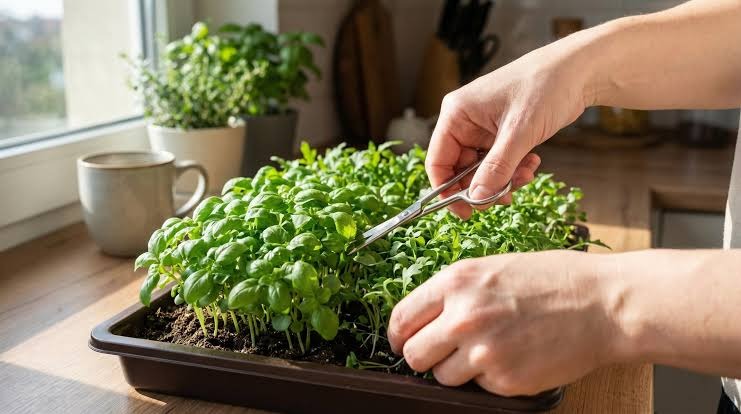
Alfalfa sprouts grow from small seeds under warm and humid conditions. During germination, the seeds receive moisture and remain in an environment that encourages rapid plant growth.
Unfortunately, these same conditions can also support the growth of harmful bacteria.
If bacteria are already present on or inside a seed, they may multiply as the seed develops into a sprout. Even a small amount of contamination can become a larger food safety concern during the growing process.
According to the U.S. Food and Drug Administration, bacteria such as Salmonella, Listeria, and certain types of E. coli can grow under the conditions used to produce sprouts.
Contamination can happen at different stages. Seeds may become contaminated before reaching a sprout producer, or bacteria may enter during growing, harvesting, packaging, storage, or preparation.
This explains why a product can look completely normal while still carrying microorganisms that may cause illness.
The risk is not limited to large commercial farms. Homegrown sprouts can also become contaminated because they require the same warm, moist conditions as commercially produced varieties.
What Happened During the 2026 Alfalfa Sprout Outbreaks?
In 2026, public health authorities investigated a serious outbreak of foodborne infections associated with alfalfa sprouts.
In June, the European Food Safety Authority and European Centre for Disease Prevention and Control reported a multi-country outbreak of Salmonella Bovismorbificans infections linked to alfalfa sprouted seeds.
Between January and May, 109 confirmed cases were reported across 10 European Union and European Economic Area countries and the United Kingdom. Eighteen people required hospitalization, and one fatality was reported among the confirmed cases.
Investigators identified epidemiological and microbiological evidence connecting the illnesses to sprouted seeds. The findings highlighted the importance of controlling contamination before seeds enter the sprouting process.
A separate investigation took place in the United States.
In August 2026, the CDC and FDA began investigating a multistate outbreak involving Shiga toxin-producing E. coli and Salmonella infections. Epidemiological and traceback evidence linked the illnesses to alfalfa sprouts distributed by Everything Sprouts, LLC, under the Calco and Everything Sprouts brands.
By October 1, the CDC reported 76 cases across 16 states and six hospitalizations. No deaths had been reported in that U.S. outbreak at the time of the update.
The company recalled certain affected alfalfa sprout products, and health officials advised consumers not to eat the recalled items.
These investigations demonstrate that sprout contamination is not merely a theoretical concern. It is a documented food safety problem that can affect people in different communities.
However, the outbreaks in Europe and the United States were separate investigations. Their case numbers and findings should not be combined into one event.
Which Bacteria Can Be Found in Raw Sprouts?
Several types of bacteria have been associated with foodborne illness linked to sprouts.
Salmonella
Salmonella can cause an infection known as salmonellosis. Common symptoms include diarrhea, fever, and stomach cramps. Some people also experience nausea and vomiting.
Symptoms often begin within six hours to six days after exposure. Many people recover within several days, but some infections can become more serious, particularly among young children, older adults, and people with weakened immune systems.
E. coli
Certain strains of Escherichia coli can produce toxins that cause intestinal illness. Shiga toxin-producing E. coli, commonly called STEC, can lead to severe stomach cramps, diarrhea, and vomiting.
Some infections can result in a serious complication called hemolytic uremic syndrome, or HUS. This condition can damage the kidneys and may require hospital treatment.
Listeria
Listeria monocytogenes is another bacterium associated with foodborne illness. Infection can be particularly concerning for pregnant women, newborns, older adults, and people with weakened immune systems.
Pregnant women may experience mild symptoms themselves, but an infection can have serious consequences for pregnancy.
The presence of these bacteria does not mean every serving of raw sprouts is contaminated. It means that consumers should understand the specific risks associated with eating sprouts without thorough cooking.
Why Washing Sprouts May Not Be Enough
Many people assume that rinsing vegetables under running water removes any harmful substances. Washing is certainly an important part of food preparation, but it cannot guarantee that raw sprouts are free from dangerous bacteria.
According to the CDC, microorganisms can grow both inside and outside sprouts. This means that rinsing the surface may not remove all contamination.
The problem begins with the seed itself. If bacteria are present before germination, they may become difficult to remove as the sprout develops.
This is one reason food safety authorities emphasize prevention throughout the production process rather than relying only on washing at home.
Choosing clean-looking sprouts is also not a guarantee of safety. Harmful bacteria generally cannot be detected through appearance, smell, or taste.
A fresh-looking product can still carry contamination.
Who Should Be Especially Careful?
Although anyone can become sick from contaminated food, some groups face a greater risk of severe illness.
The FDA advises people at higher risk of foodborne illness to avoid raw or lightly cooked sprouts. These groups include:
-
Pregnant women.
-
Children, especially those younger than five.
-
Adults aged 65 and older.
-
People with weakened immune systems.
For these individuals, avoiding raw sprouts is a sensible precaution.
People who are not in these groups should also understand that raw sprouts are not risk-free. Proper food handling and cooking remain important ways to reduce exposure to harmful bacteria.
How to Eat Sprouts More Safely
Consumers do not necessarily need to remove all sprouts from their diets. Instead, they can make informed decisions about purchasing, storing, and preparing them.
1. Cook sprouts thoroughly
Thorough cooking helps destroy harmful bacteria and reduces the risk of foodborne illness. Adding sprouts to a dish at the end of cooking, while leaving them mostly raw, may not provide the same protection.
2. Keep sprouts refrigerated
Choose packaged sprouts that have been properly refrigerated at the store. Once home, place them in the refrigerator promptly and follow the storage instructions on the packaging.
3. Check product recalls
Pay attention to food safety announcements from official authorities. If a product has been recalled because of possible contamination, do not eat it even if it looks and smells normal.
4. Prevent cross-contamination
Wash your hands before and after handling raw sprouts. Clean cutting boards, utensils, countertops, and other surfaces that come into contact with them.
Keep raw sprouts separate from foods that are ready to eat, and avoid using the same unwashed utensils for different ingredients.
5. Do not rely on appearance alone
Dark spots, unusual smells, or a slimy texture can indicate that a product should be discarded. However, the absence of these signs does not prove that sprouts are safe.
Cooking remains a more reliable way to reduce the bacterial risks associated with sprouts.
Healthy Food Still Needs Safe Handling
The story surrounding contaminated alfalfa sprouts offers an important reminder about modern food safety.
People often associate fresh, organic, and plant-based ingredients with good health. These foods can certainly be part of a balanced diet, but their nutritional value does not automatically protect them from contamination.
Food safety depends on much more than the ingredients themselves. It also involves where food comes from, how it is grown, how it is transported, and how it is prepared before reaching the table.
The 2026 outbreaks show why food producers and public health authorities must carefully monitor sprout production. They also demonstrate why consumers should take official recalls and food safety advice seriously.
There is no need to fear every salad or vegetable dish. The goal is to understand that certain foods, particularly raw sprouts, require extra care.
A healthy diet is not simply about choosing nutritious ingredients. It is also about making sure those ingredients are handled and prepared safely.
Sources
-
European Centre for Disease Prevention and Control (ECDC), Multi-country Salmonella outbreak linked to alfalfa sprouted seeds, June 25, 2026.
-
Centers for Disease Control and Prevention (CDC), Investigation Update: E. coli and Salmonella Outbreak, August 2026, October 1, 2026.
-
U.S. Food and Drug Administration (FDA), Selecting and Serving Produce Safely.
-
CDC, How Listeria Spread: Sprouts and Melons.
-
World Health Organization (WHO), Prevention and Control of Microbiological Hazards in Fresh Fruits and Vegetables: Part 3: Sprout, 2023.
SEO Title: Alfalfa Sprouts and Food Poisoning: The Hidden Risk of Raw Sprouts
Meta Description: Alfalfa sprouts can carry Salmonella, E. coli, and Listeria. Learn why raw sprouts pose a food safety risk and how to prepare them safely.
SEO Keywords: alfalfa sprouts bacteria, raw sprouts food poisoning, alfalfa sprouts safety, Salmonella in sprouts, E. coli food contamination, Listeria in sprouts, food safety tips, contaminated alfalfa sprouts