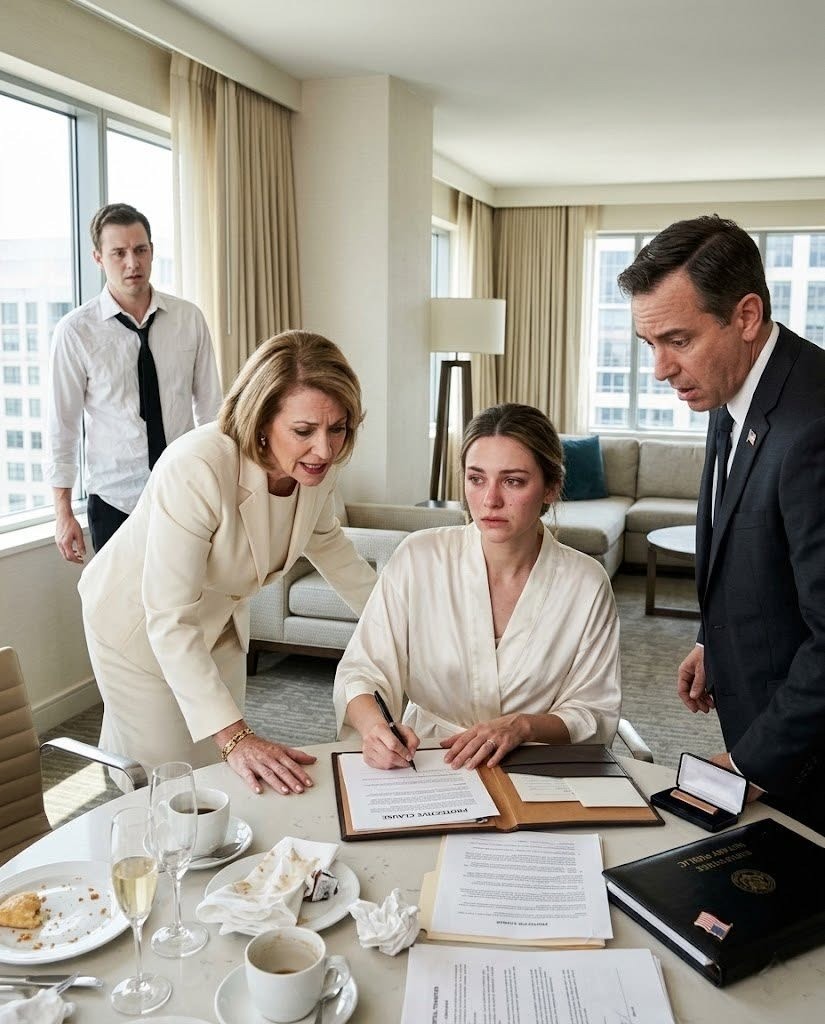
I Inherited a $16.9 Million Company From My Grandfather, but I Kept It Secret When I Got Married
When I got married, I made a decision that even some of my closest friends struggled to understand. I chose not to tell my husband about the company I had inherited from my grandfather.
It was not because I wanted to deceive him or build our marriage on secrets. I simply wanted to know whether someone could love me for who I was rather than for what I owned.
My grandfather had spent decades building his business. It was worth approximately $16.9 million, with established clients, valuable contracts, and a reputation that had taken years to develop. Before he passed away, he left the company in my care, along with a responsibility I never took lightly.
I knew that inheriting a successful business would change my life. What I did not expect was how much it would reveal about the people around me.
At first, my marriage seemed ordinary and promising. My husband, Ethan, appeared supportive, and his family welcomed me into their lives. But as time passed, small comments began to make me uncomfortable. Questions about my grandfather’s estate became more frequent, and conversations about money slowly replaced discussions about our future.
Then I discovered that the people closest to me had been planning something very different from the life they had promised.
Why I Kept My Inheritance a Secret
My grandfather was more than a wealthy businessman. He was the person who taught me the value of patience, independence, and responsibility.
He had started his company with limited resources and gradually built it into a successful enterprise. He often reminded me that money could create opportunities, but character determined what people did with those opportunities.
When he passed away, I inherited his company and the responsibility of protecting everything he had worked for.
The decision to keep my inheritance private after getting married was not easy. I understood that marriage required honesty and trust. However, I also believed that financial information deserved careful discussion, especially when a relationship was still developing.
I wanted to understand Ethan’s values before allowing my inheritance to become part of our shared identity.
I did not want every disagreement to become a discussion about money. I did not want people to treat me differently because of the company or assume that my financial position gave them access to its resources.
For a while, keeping that part of my life private seemed like the safest choice.
Unfortunately, I soon learned that some people were already making assumptions about my financial situation.
The Warning Signs I Could No Longer Ignore
At the beginning, Ethan’s family seemed interested in my grandfather’s legacy out of ordinary curiosity.
His mother, Lydia, occasionally asked whether I had received anything from the estate. She wanted to know whether the company was still operating and whether my grandfather had left behind valuable property.
I answered politely without providing many details.
Over time, the questions became more direct.
Ethan began asking about my financial arrangements, the documents I had signed, and whether I had considered transferring certain assets into a shared account.
At first, I thought these conversations were part of planning a married life together. Couples naturally discuss savings, investments, and financial responsibilities.
But something about the way Ethan approached the subject made me uneasy.
He seemed less interested in building a financial future together than in discovering exactly what I owned.
Lydia’s behavior also changed. She began making comments about how a married couple should manage inherited wealth and suggested that family members ought to have a say in important financial decisions.
I started paying closer attention.
There is a difference between someone asking questions because they care about your future and someone asking questions because they want control over it.
I could no longer ignore that difference.
The Conversation That Changed Everything
The moment everything became clear came when I discovered conversations that revealed what Ethan and Lydia had been discussing behind my back.
Their words were not simply careless comments made during a family disagreement. They suggested a plan to gain control over my financial assets and take advantage of what they believed was my lack of business experience.
They discussed how I could be persuaded to sign documents and how my inheritance might eventually become accessible to them.
I felt disappointed, but I refused to react emotionally.
Instead of confronting them immediately, I focused on protecting myself and the company.
I preserved the relevant communications and sought professional advice about my legal and financial position. I wanted to make sure that every decision I made was supported by proper documentation.
The more I learned, the more important it became to separate my personal relationship from the business my grandfather had entrusted to me.
I had once believed that marriage meant automatically trusting someone with every part of my life.
Now I understood that trust should never require abandoning reasonable boundaries.
The Day I Revealed the $16.9 Million Company
When the confrontation finally happened, I did not raise my voice.
I placed the relevant documents on the table and explained exactly what my grandfather had left me.
The company was not a vague inheritance or an imaginary fortune. It was an established business with real operations, employees, clients, contracts, and a history that had taken years to build.
Its estimated value was approximately $16.9 million.
I also explained that I had retained control of the business and had not agreed to transfer ownership or authorize anyone else to make decisions on its behalf.
Ethan and Lydia appeared stunned.
They had approached the situation believing that I was inexperienced and financially vulnerable. They had underestimated both my understanding of the company and my willingness to protect it.
Then I presented the communications I had preserved.
Their own words made it difficult for them to deny what had been discussed.
For the first time, the conversation was no longer about what they thought I should give them. It was about the decisions they had made and the consequences those decisions could bring.
I did not need to insult them or make threats.
I simply refused to allow anyone to take control of something that did not belong to them.
Why I Chose to End the Marriage
The revelation changed the way I viewed my relationship with Ethan.
A marriage cannot survive on affection alone. It also requires honesty, respect, and the understanding that both partners have the right to maintain personal boundaries.
I had entered the marriage hoping to build a life with someone who valued me as a person.
Instead, I discovered conversations suggesting that my inheritance had become a target.
The decision to end the relationship was painful, but I knew that remaining in a marriage without trust would only create more problems.
In the story, the couple pursued an annulment. However, the legal meaning of annulment differs from divorce, and the outcome depends on the jurisdiction and the specific circumstances. It is not an automatic consequence of financial deception or marital conflict.
What mattered most was that I decided to separate my future from someone whose actions had destroyed my confidence in the relationship.
I also made sure that the company remained protected through appropriate legal and financial procedures.
The Company My Grandfather Left Behind
After the relationship ended, I turned my attention back to the business.
My grandfather had not built the company simply to leave behind a large financial figure. He had created an organization that supported employees, served clients, and contributed to the community around it.
I did not want the conflict surrounding my marriage to distract me from that responsibility.
I reviewed the company’s operations, worked with experienced advisers, and focused on strengthening its long-term position.
There were new opportunities to explore, including expanding existing partnerships, improving internal processes, and developing relationships with additional clients.
The business also needed a clear leadership structure. I wanted employees to understand that the company would continue operating with stability, regardless of what had happened in my personal life.
Gradually, I began making plans for a new headquarters and pursuing additional contracts.
These decisions were not about proving anything to Ethan or Lydia.
They were about honoring my grandfather’s work and building something that could continue beyond his lifetime.
What This Experience Taught Me About Money and Marriage
One of the most important lessons from this experience was that financial security and emotional security are not the same thing.
A person can have considerable wealth and still feel vulnerable in a relationship. Similarly, someone with limited financial resources can build a strong marriage based on honesty and mutual respect.
Money does not automatically reveal someone’s character. However, the way people behave when money becomes part of a relationship can reveal important differences in their values.
There are several lessons worth remembering.
Trust should be supported by actions. Promises are meaningful, but consistent behavior matters more.
Financial boundaries are healthy. Married couples should discuss money openly, but that does not mean one partner automatically controls the other’s inheritance or business assets.
Professional advice matters. Significant inheritances, business ownership, and marital property arrangements can involve complicated legal questions. Independent legal and financial advice can help prevent misunderstandings and protect legitimate interests.
Family history deserves respect. An inherited company represents more than its estimated market value. It may also reflect years of work, relationships, and responsibilities passed between generations.
Most importantly, a person’s worth should never be measured by the size of their bank account or the value of the business they own.
I Did Not Lose Everything. I Finally Understood What Mattered.
Looking back, I sometimes wonder whether my grandfather knew how difficult it would be to protect the company after he was gone.
He had spent years teaching me how to recognize opportunities, manage responsibilities, and make difficult decisions. I eventually realized that those lessons were not only about running a business.
They were also about protecting my independence.
Ethan and Lydia had believed that the company represented an opportunity to gain wealth and influence. They never understood what it meant to me.
It was my grandfather’s legacy, the result of decades of work, and a responsibility I had promised to carry forward.
I lost a marriage I once hoped would last. But I did not lose the business, my independence, or the values my grandfather had taught me.
And perhaps that was the most important lesson of all: the right people will respect what you have built, while the wrong people may only see what they believe they can take.