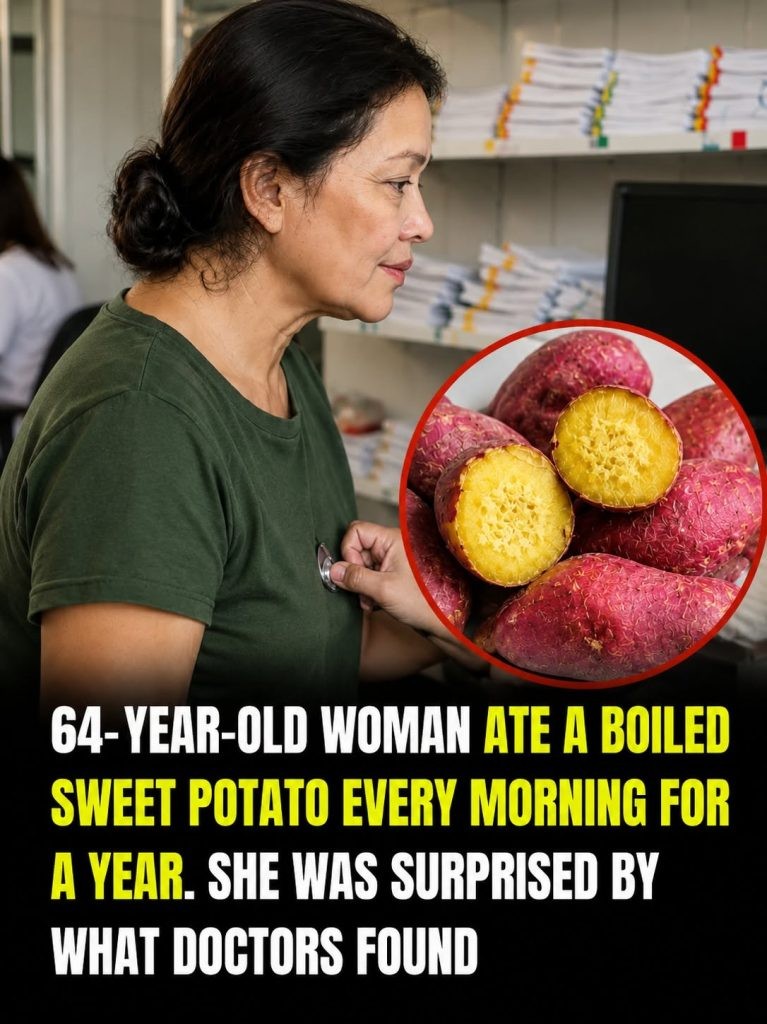
Adding one boiled sweet potato to a morning routine can be a simple, affordable way to make breakfast more filling and nutrient-dense. Sweet potatoes are widely available, easy to prepare, and naturally provide carbohydrates, fiber, potassium, and several vitamins. For people looking to replace highly processed breakfast foods with a whole-food option, they can be a practical choice.
Stories about a person experiencing major changes from eating one food every day should be interpreted carefully. Health outcomes such as weight, cholesterol levels, digestion, energy, and blood glucose are influenced by an entire eating pattern, physical activity, sleep, medications, health conditions, and many other factors. No single food is a cure or a guaranteed route to better health.
Still, regularly choosing boiled sweet potato instead of a breakfast high in refined grains, added sugar, or saturated fat may support healthier habits over time. Here is what nutrition research and public-health guidance can say about the potential role of sweet potatoes in a balanced daily diet.
Sweet Potatoes Provide Complex Carbohydrates and Fiber

Sweet potatoes are starchy root vegetables. Their main macronutrient is carbohydrate, which supplies the body with energy. Unlike many refined breakfast foods, such as pastries, sweetened cereals, or white toast, a plain boiled sweet potato is a minimally processed food that also contains fiber and micronutrients.
Fiber is important for digestive health. It adds bulk to stool and can help support regular bowel movements when consumed as part of an overall diet that includes enough fluids. The Dietary Guidelines for Americans encourage people to eat a variety of vegetables, fruits, legumes, and whole grains because these foods help many people increase their fiber intake.
A medium sweet potato eaten with its skin provides more fiber than peeled sweet potato. The skin is edible after thorough washing and can contribute additional texture and nutrients. People who are not used to a higher-fiber diet may wish to increase portions gradually, since a rapid rise in fiber can cause temporary bloating or digestive discomfort for some individuals.
Why a Boiled Sweet Potato May Feel Filling at Breakfast

Many people choose sweet potatoes in the morning because they are satisfying. Their combination of water, carbohydrate, and fiber can make a meal feel more substantial than a small serving of refined carbohydrates. Feeling full after breakfast may make it easier for some people to avoid frequent snacking before lunch.
However, fullness is highly individual. A sweet potato alone may not provide enough protein or fat to keep everyone satisfied for several hours. For a more balanced breakfast, it can be paired with protein-rich foods such as eggs, plain Greek yogurt, beans, tofu, cottage cheese, or unsweetened soy yogurt. Adding a small amount of healthy fat, such as nuts, seeds, avocado, or olive oil, may also improve flavor and help create a more complete meal.
For example, a balanced breakfast could include a boiled sweet potato, an egg or serving of beans, and fruit or non-starchy vegetables. This approach supports dietary variety rather than relying on one ingredient every day.
Blood Sugar: The Portion and the Whole Meal Matter

Sweet potatoes contain carbohydrates, so they can raise blood glucose after eating. Yet their effect can vary according to serving size, cooking method, variety, whether the skin is eaten, and the other foods included in the meal. Boiling may produce a different blood sugar response than baking, roasting, frying, or processing sweet potato into chips or sweetened products.
The glycemic index is sometimes used to estimate how quickly a carbohydrate-containing food may raise blood glucose. While this can be useful information, it does not predict every person’s response and should not be viewed as the only measure of a food’s healthfulness. The total carbohydrate amount in a serving, often called glycemic load, and the composition of the entire meal are also important.
For people living with diabetes or prediabetes, sweet potatoes can often fit into a meal plan, but portions should be individualized. Pairing carbohydrate foods with protein, fiber, and fats may help reduce sharp changes in blood glucose for some people. The American Diabetes Association advises working with a healthcare professional or registered dietitian to develop an eating plan tailored to medications, activity levels, blood sugar goals, and personal preferences.
People who monitor their blood glucose may find it useful to observe how their own levels respond after meals. This is more reliable than assuming that a food will affect every person in the same way.
Vitamin A and Antioxidant Nutrients in Orange Sweet Potatoes
Orange-fleshed sweet potatoes are particularly well known for beta-carotene, a plant pigment that the body can convert into vitamin A. Vitamin A supports normal vision, immune function, growth, and cell development. It is an essential nutrient, meaning that the body needs to obtain it from food or supplements.
Sweet potatoes also contain vitamin C, potassium, and smaller amounts of other vitamins and minerals. Vitamin C contributes to collagen formation and supports immune function, while potassium is involved in nerve signaling, muscle function, and fluid balance. A diet rich in vegetables and fruits is associated with a broad range of health benefits, though those benefits come from the overall pattern of eating rather than from any one nutrient alone.
Beta-carotene and other naturally occurring plant compounds are often described as antioxidants. These compounds are part of the reason colorful vegetables are encouraged in balanced diets. It is more useful to focus on eating a variety of colorful plant foods than to expect one vegetable to transform skin appearance or prevent illness.
Can Sweet Potatoes Improve Skin Health?
Nutrition supports skin health, but claims that a single food will create noticeably “radiant” skin should be treated with caution. Skin appearance is affected by genetics, sun exposure, hydration, sleep, age, skincare practices, smoking, stress, and medical conditions, as well as overall nutrition.
Foods containing beta-carotene and vitamin C can contribute to adequate nutrient intake, and both nutrients have roles in normal body functions relevant to skin. However, sweet potatoes are not a treatment for acne, eczema, psoriasis, skin aging, or other dermatological conditions. Anyone with persistent skin concerns should speak with a qualified healthcare professional or dermatologist.
Weight Management Depends on the Overall Pattern
A boiled sweet potato can be useful in a weight-management plan because it is filling, naturally low in added sugar, and less energy-dense than many fried or heavily processed breakfast choices. Replacing a calorie-dense pastry, sugary breakfast bar, or fried side dish with a plain sweet potato may reduce total calorie intake for some people.
That does not mean sweet potatoes automatically cause weight loss. Body weight changes over time in response to overall energy intake, physical activity, health status, medications, sleep, and other factors. Portion size remains relevant, especially when sweet potatoes are served with large quantities of butter, cream, syrup, sugar, marshmallows, or fried toppings.
A practical approach is to enjoy the natural flavor of sweet potato with seasonings such as cinnamon, black pepper, paprika, herbs, or a small amount of olive oil. These options can add variety without turning a vegetable-based breakfast into a dessert-like meal.
What About Cholesterol and Heart Health?
Sweet potatoes do not contain dietary cholesterol, and they are naturally low in fat. Their fiber content may contribute to a dietary pattern that supports heart health, particularly when they replace foods high in saturated fat or refined carbohydrates. However, it would not be accurate to say that eating one sweet potato every day will reliably lower cholesterol.
Cholesterol levels are influenced by genetics, body weight, physical activity, smoking status, alcohol intake, medical conditions, and the overall diet. Heart-health guidance generally emphasizes vegetables, fruits, legumes, whole grains, nuts, fish, and unsaturated fats while limiting foods high in saturated fat, trans fat, sodium, and added sugars.
Anyone with elevated cholesterol, high blood pressure, diabetes, or cardiovascular disease should follow advice from their clinician. Dietary changes can be valuable, but they should complement rather than replace prescribed treatment.
Boiling Is a Simple Preparation Method
Boiling sweet potatoes is a straightforward cooking method that requires no added oil. Wash the potato thoroughly, place it in a pot of water, and simmer until it is tender when pierced with a fork. Cooking time depends on size; whole potatoes generally take longer than cut pieces.
Leaving the skin on can preserve more fiber and makes preparation easier. Once cooked, boiled sweet potatoes can be refrigerated and used for several days in breakfasts, lunches, or snacks. They can be served warm, chilled in a grain-and-bean bowl, mashed with spices, or added to soups and salads.
Preparation can affect both taste and nutrition. Deep-fried sweet potato products may contain significantly more fat and calories. Sweet potato casseroles and desserts can also contain considerable added sugar and saturated fat. These foods can still be enjoyed occasionally, but they are nutritionally different from a plain boiled sweet potato.
Who Should Be Cautious With Daily Sweet Potatoes?
For most people, sweet potatoes are a safe and nutritious food. However, certain individuals may need personalized guidance. Those with diabetes should consider portion sizes and their individual blood glucose response. People with kidney disease may need to manage potassium intake, depending on their stage of disease and laboratory results. A healthcare team can provide appropriate advice.
Individuals with digestive conditions, including irritable bowel syndrome, may tolerate different amounts of fiber differently. Those taking medications or following medically prescribed diets should consult a clinician or registered dietitian before making major routine dietary changes.
Food variety also matters. Eating sweet potatoes regularly is fine for many people, but it is best to rotate vegetables and carbohydrate sources. White potatoes, oats, beans, brown rice, whole-grain breads, squash, fruits, and other vegetables can all play a role in a varied eating pattern.
The Bottom Line on Eating a Boiled Sweet Potato Every Morning

Eating a boiled sweet potato every morning may be a helpful habit when it replaces a less nutritious breakfast and forms part of a balanced diet. It offers complex carbohydrates, fiber, beta-carotene, potassium, and other nutrients while remaining inexpensive and versatile.
Potential benefits may include improved meal satisfaction, increased fiber intake, and a more nutrient-rich breakfast. But individual results differ, and claims of dramatic changes in cholesterol, blood sugar, weight, digestion, or skin should not be attributed to sweet potatoes alone.
The most sustainable strategy is to build meals around a variety of minimally processed foods, include adequate protein, stay physically active as appropriate, and seek professional medical advice for specific health concerns. Small, consistent changes can matter, especially when they are realistic enough to maintain over the long term.
Sources
Disclaimer: This content is intended for entertainment purposes only and is not based on real events.