
Online marketplaces have made it easier than ever for people to buy and sell used electronics, furniture, vehicles, clothing, collectibles, and other household items. Services such as Facebook Marketplace, Kijiji, and other classified platforms allow local buyers and sellers to connect quickly, often arranging a face-to-face exchange within hours.
That convenience can also create practical safety concerns. Meeting an unfamiliar person at a private home, an isolated parking lot, or another unmonitored location may leave people vulnerable to fraud, theft, or uncomfortable situations. To help reduce those risks, the Upper Ottawa Valley Ontario Provincial Police (OPP) has promoted Project Safe Trade, an initiative that encourages residents to use designated community safety zones for online property transactions.
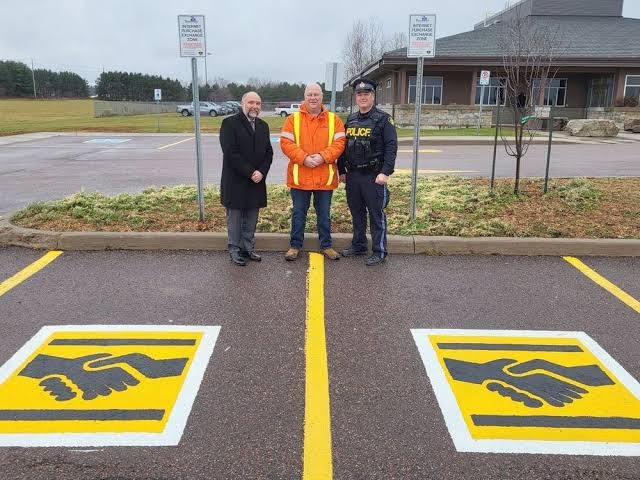
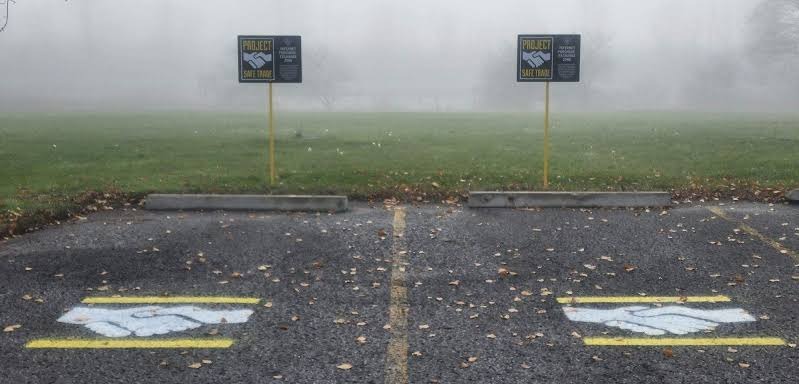
At the Pembroke OPP station at 77 International Drive, areas marked with a handshake symbol are intended to serve as a public place for people completing online marketplace exchanges. The locations are designed to shift transactions away from private residences and informal meeting points and toward a more visible setting near a police facility.
What Is Project Safe Trade?
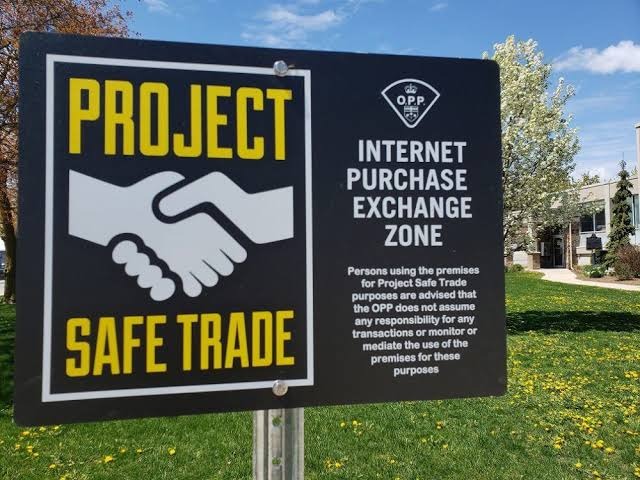
Project Safe Trade is a community safety initiative associated with police services in Ontario. Its central purpose is straightforward: provide a visible, public location where people can meet to exchange items bought or sold online.
According to the Upper Ottawa Valley OPP, the program aims to establish a “community safety zone” at an OPP detachment parking lot to facilitate online property transactions. Rather than meeting at someone’s home or in a secluded location, buyers and sellers can arrange to meet in a public area that is easier to access and more likely to have people nearby.
The designated areas outside the Pembroke detachment are marked so that residents can identify them easily. No appointment is required, and the trading locations are intended to be available around the clock. People using the space remain responsible for their own transactions, payment arrangements, and decisions about whether to proceed with a purchase.
Project Safe Trade does not guarantee that a transaction will be successful or prevent every possible problem. It is not a police-run marketplace, and officers do not inspect items, verify sellers, mediate disputes, or certify the legitimacy of products. However, choosing a well-lit public location can be a sensible step for people who want to reduce avoidable risks when dealing with someone they do not know.
Why Public Meeting Places Matter for Marketplace Safety
Local online transactions are common because they can save money, reduce waste, and help residents find goods close to home. Yet the speed and informality of online listings can lead people to overlook basic precautions. A listing may contain limited information, profiles may be new or incomplete, and messages can be sent by people whose identities have not been independently confirmed.
Public meeting places provide several advantages. They are generally easier to reach, more visible to other members of the public, and less likely to reveal a buyer’s or seller’s home address. A designated safety zone may also discourage people from feeling pressured to meet at a location they find uncomfortable.
The Upper Ottawa Valley OPP introduced the local initiative as online property transactions continued to increase. In a release about the program, Upper Ottawa Valley OPP Detachment Commander Steph Neufeld said the busy holiday season was an appropriate time to launch a community-focused measure intended to reduce offences connected with online marketplace transactions.
The issue is particularly relevant before holidays, when demand for discounted gifts, gaming systems, smartphones, tools, bicycles, and other popular goods may rise. Shoppers may feel urgency when they see a listing described as limited, rare, or available for immediate pickup. Taking time to verify the listing and arranging a careful exchange can help consumers make more informed decisions.
How to Use the Pembroke OPP Community Safety Zone
Residents who have arranged a legitimate local exchange can suggest meeting at the designated area outside the Pembroke OPP station at 77 International Drive. Before leaving home, both parties should confirm the time, the item being exchanged, the agreed price, and the preferred payment method.
It is helpful to keep communication clear and specific. Buyers can ask for additional photographs, a model number, serial number where appropriate, proof of purchase if available, and details about an item’s condition. Sellers can confirm that a prospective buyer understands the product description and the agreed price before meeting.
When arriving at the location, park in the designated area marked by the handshake symbol where possible. Bring a phone with sufficient battery power and let a trusted person know where you are going. If anything about the interaction changes unexpectedly, such as a request to move to another location or pressure to pay before seeing the item, it is reasonable to end the meeting.
A public safety zone is most effective when paired with common-sense preparation. The location itself is only one part of a safer transaction process. Verifying information, inspecting the product, retaining records, and refusing to rush are equally important.
Practical Safety Tips for Buying and Selling Online
The OPP recommends meeting in a busy public space, bringing a trusted friend or family member as a witness, conducting transactions during daylight hours when possible, and preserving emails, text messages, and voicemails exchanged with the buyer or seller. These measures can provide useful documentation and help participants feel more comfortable.
Technology analyst Carmi Levy has also emphasized the value of slowing down during busy shopping periods. His advice is especially relevant to people purchasing electronics or other items that may be difficult to assess from photographs alone. Buyers should do basic research on the person claiming to sell an item, review their marketplace history where available, and look for signs that previous transactions were handled responsibly.
Before payment is made, buyers should ask to see the actual product. For devices such as phones, tablets, laptops, game consoles, or smartwatches, it is prudent to confirm that the item powers on and functions as represented. A buyer may also wish to check whether the device has been reset, whether it is locked to an account, and whether its identifying information matches the description provided in the listing.
For larger products, such as appliances, sporting equipment, or vehicles, an inspection may require additional planning. Buyers should not rely solely on promises that an item works properly. If an item cannot reasonably be tested at the meeting location, the buyer should consider whether the seller’s explanation, documentation, and proposed arrangements are sufficient before moving forward.
Tips for Buyers: Verify Before You Pay
Buyers should be cautious when a listing appears dramatically cheaper than comparable products. A low price is not proof of wrongdoing, but it can be a reason to ask more questions. Compare the item with similar local listings, examine photographs carefully, and request clear answers about condition, ownership, age, included accessories, and any known defects.
Avoid sending deposits or advance payments to strangers unless you fully understand the risks involved. Payment methods that offer little recourse can make it difficult to recover money if an item is never delivered or differs significantly from its description. The Canadian Anti-Fraud Centre advises consumers to be alert to fraud tactics involving urgent demands, requests for unusual forms of payment, and communications that pressure people to act immediately.
For electronics, buyers should be alert to products that are reported lost or stolen, counterfeit, damaged, or subject to activation locks. Asking the seller to demonstrate normal operation is a practical step. Buyers should also be wary if the seller refuses a public meeting, declines reasonable inspection, or insists that payment be made before the item is viewed.
Tips for Sellers: Protect Your Privacy and Property
Sellers also benefit from careful planning. Listings should be accurate and should avoid disclosing unnecessary personal details. Photographs can be useful, but sellers may wish to remove or obscure information that reveals a home address, licence plate, account number, or other private data.
When arranging a meeting, sellers can choose a community safety zone rather than inviting a stranger to their home. They should confirm the buyer’s name or profile details, keep messages within the marketplace platform when possible, and retain a record of the discussion. If a buyer repeatedly changes the proposed time, price, or meeting location, the seller can decline the transaction.
For cash payments, sellers should count the money carefully before handing over the item. For electronic transfers, they should verify through their own financial institution that funds have actually arrived rather than relying on a screenshot, email, or message supplied by the buyer. Fraudulent payment notifications can resemble legitimate confirmations, so independent verification is important.
Recognizing Warning Signs in Online Marketplace Listings
Not every unusual message indicates fraud, but certain warning signs deserve attention. These can include an unexplained refusal to meet in public, pressure to complete a deal immediately, inconsistent details about the item, requests to communicate only outside the original platform, or payment offers that seem unnecessarily complicated.
Other concerns may include stock-looking images instead of photographs of the actual item, a profile with no meaningful activity, claims that an item must be shipped despite being advertised locally, or a request for a code sent to your phone. Consumers should avoid sharing one-time security codes, banking credentials, government identification numbers, or other sensitive information with people they do not know.
If a transaction feels unsafe, confusing, or overly rushed, it is appropriate to walk away. There will be other listings and other buyers. A missed deal is generally less costly than making a decision under pressure.
What to Do if You Suspect Fraud
Anyone who believes they have encountered fraud should preserve relevant evidence, including listing screenshots, usernames, payment details, emails, text messages, and voicemail records. If money has been sent, contact the financial institution or payment provider promptly to ask what options may be available.
In Canada, suspected fraud can be reported to local police and to the Canadian Anti-Fraud Centre. Reporting helps investigators identify trends and can support public awareness efforts, even when a financial loss has not occurred. If there is an immediate emergency or someone is in danger, call 911. For non-emergency police assistance, residents should use the appropriate local non-emergency contact channel.
Building Safer Local Online Communities
Project Safe Trade reflects a broader effort to adapt community safety practices to everyday digital commerce. Online marketplaces are now part of routine life for many households, and public agencies, technology platforms, and consumers all have a role in reducing avoidable harm.
For buyers and sellers in Pembroke and the Upper Ottawa Valley, using the marked area at the OPP station can be a practical option when completing an in-person exchange. The most effective approach combines a visible meeting place with clear communication, product inspection, careful payment practices, and a willingness to leave when something does not feel right.
By taking a few extra minutes to research a listing and plan a public meeting, residents can continue to benefit from local online buying and selling while making safety and privacy a priority.
Sources
Disclaimer: This content is intended for entertainment purposes only and is not based on real events.