
If You Notice These 11 Little Things in a Woman’s House, She’s Not Taking Good Care of Herself
A home does not provide a complete picture of a person’s health, character, or circumstances. Dirty dishes, clutter, overdue paperwork, or a neglected repair can happen to anyone during a busy week. However, when several changes appear at once, persist over time, and are noticeably different from someone’s usual habits, they may suggest that a woman is feeling overwhelmed or having difficulty managing everyday tasks.
It is important not to label these signs as laziness or make assumptions about a person’s mental health. Household conditions can be affected by many factors, including caregiving responsibilities, grief, financial pressure, chronic illness, disability, depression, anxiety, burnout, limited time, or a lack of practical support. Some people also simply have different standards for tidiness. The most useful response is usually compassion, curiosity, and an offer of specific help.
Health organizations recognize self-neglect as a situation in which a person has difficulty meeting essential needs related to health, safety, hygiene, nutrition, or living conditions. It is not a diagnosis, and it should not be used casually to judge a messy home. Instead, it can be a reason to check in respectfully when someone appears to be struggling.
Why Changes at Home Can Matter
Daily household tasks require planning, energy, memory, money, and executive functioning. When a person is under prolonged stress, even basic responsibilities can feel unusually difficult. The National Institute of Mental Health notes that depression can involve low energy, reduced interest in usual activities, difficulty concentrating, changes in sleep, and feelings of hopelessness. These experiences can make cooking, laundry, cleaning, and paying bills harder to manage.
At the same time, a home should never be treated as evidence that someone has a particular condition. The goal is not to inspect or criticize another person’s space. It is to recognize when a friend, relative, neighbor, or partner may benefit from kindness, practical assistance, or encouragement to seek support.
1. A Large Number of Expired Food, Medication, or Household Items

Finding one expired item in a pantry or medicine cabinet is common. A larger pattern, such as many outdated groceries, medications, or personal-care products that have not been sorted for a long time, may indicate that routine tasks have become difficult. It can also happen when someone is living alone, has limited mobility, is experiencing memory difficulties, or is coping with stress.
Expired food should generally be evaluated carefully, especially when it shows signs of spoilage. Medication should not be used beyond its recommended date without guidance from a pharmacist or clinician. The U.S. Food and Drug Administration advises consumers to follow storage instructions and dispose of unwanted or expired medicines safely, often through take-back programs.
A supportive offer might be, “Would it help if I came over and we checked the pantry together?” This is more respectful than commenting on what the person “should” have done.
2. Unwashed Dishes That Continue to Build Up
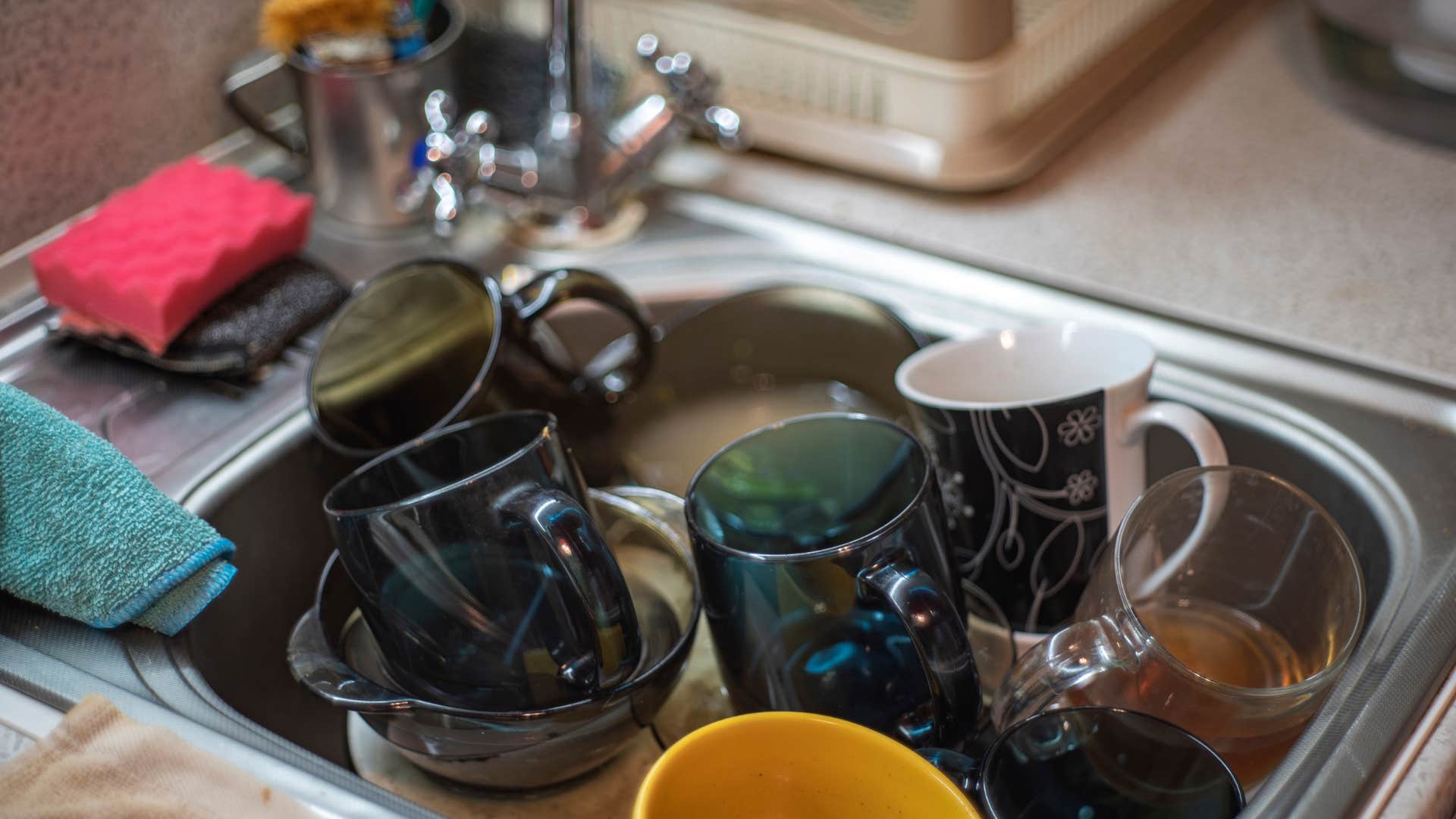
A sink with dishes after a meal is normal. But dishes that remain for extended periods, particularly when food residue is involved, can become a practical health and pest concern. A persistent buildup may also suggest that a person feels too exhausted, discouraged, or overwhelmed to start a task that appears simple from the outside.
Stress often reduces a person’s capacity for routine maintenance. Breaking tasks into very small steps can help: washing one cup, clearing a section of counter, or running one dishwasher load. Friends and family can offer direct assistance without creating shame. For example, asking, “Can I wash these while you rest?” may be easier to accept than broad advice to “get organized.”
3. Few Nutritious, Easy-to-Prepare Foods

A kitchen with little food, only highly processed options, or no easy meals may reflect more than a lack of interest in cooking. Grocery costs, transportation barriers, fatigue, appetite changes, disability, caregiving demands, and emotional distress can all affect what someone is able to buy and prepare.
Nutrition is closely connected to overall health, but it is important to avoid simplistic claims that food alone can resolve mental health concerns. A balanced eating pattern that includes fruits, vegetables, whole grains, legumes, protein sources, and adequate fluids can support physical well-being. Yet people experiencing depression, anxiety, illness, or financial hardship may need medical care, community resources, and social support in addition to food assistance.
Practical help may include bringing groceries, sharing freezer-friendly meals, offering a ride to a store, or helping someone find local food-support programs. The most helpful options are affordable, culturally appropriate, and easy to prepare.
4. Extreme or Worsening Clutter

Clutter is not a moral failing, and many people live comfortably in spaces that others would consider crowded. Still, when clutter increases suddenly or begins to block walkways, interfere with cooking, make it difficult to find essential items, or create safety risks, it may be worth checking in.
Research has explored associations between cluttered home environments and stress, though clutter itself does not prove a mental health problem. For some people, visual disorder can make it harder to relax or focus. For others, sorting possessions may be emotionally difficult because items are connected to memories, future plans, or financial concerns.
A compassionate approach focuses first on safety and function. Clearing an exit route, making a bed usable, or creating one clean surface can be more realistic than trying to transform an entire home in a day. If clutter is creating significant health or safety concerns, local social services, occupational therapists, or professional organizers with relevant experience may be able to help.
5. Unopened Mail or Unpaid Bills

Unopened mail and overdue bills can be signs of financial hardship, but they can also result from avoidance, confusion, stress, or difficulty concentrating. Financial problems are often emotionally sensitive. A person may feel embarrassed, frightened, or ashamed about debt, even when circumstances are outside her control.
Rather than assuming irresponsibility, it can help to recognize the wider pressures involved. Housing costs, job loss, caregiving, health expenses, and inflation can make it difficult for households to keep up with regular payments. Financial stress is associated with poorer mental well-being, and the worry can make administrative tasks feel even more unmanageable.
Helpful support could include sitting with someone while they open mail, helping them make a list of deadlines, or connecting them with a reputable nonprofit credit counselor or local benefits adviser. Never pressure someone to share financial information or take control of their accounts without clear consent.
6. Piles of Dirty Clothes or Difficulty Keeping Up With Laundry
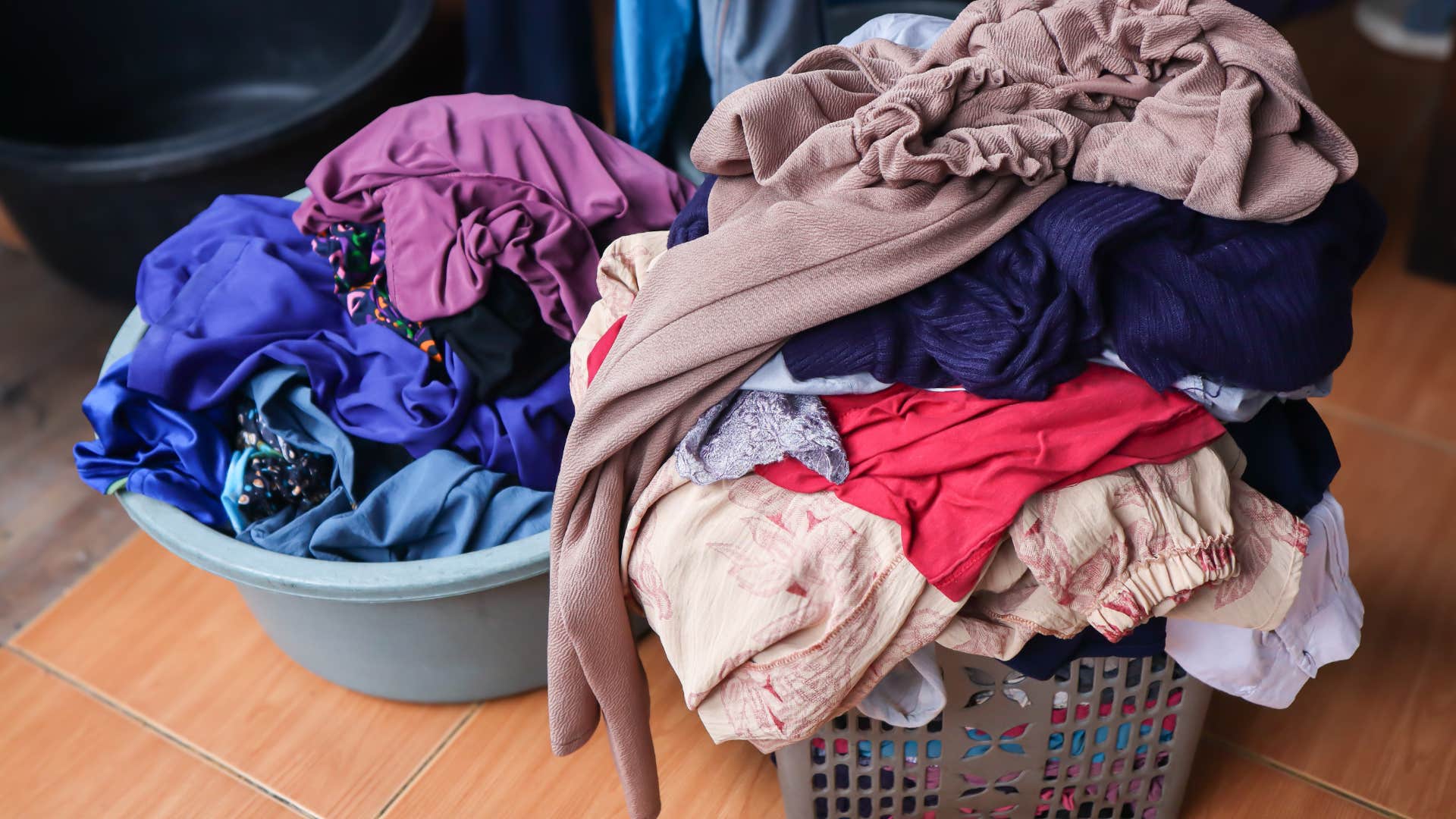
Laundry can become overwhelming because it involves several stages: sorting, washing, drying, folding, and putting clothes away. Limited access to machines, physical pain, lack of time, and low energy can all make the process more difficult. An accumulating pile of clothing is often a sign that a person needs support with logistics, not criticism.
Clean clothing can contribute to comfort and hygiene, but the appropriate response should remain respectful. If someone appears unable to manage laundry because of illness, mobility limitations, or emotional distress, consider offering to help with a load, provide detergent, or locate a nearby laundry service. Small practical assistance can reduce pressure and restore a sense of control.
7. Unsafe Cooking Practices or Kitchen Hazards

Kitchen safety deserves prompt attention when there are signs such as a stove left on, damaged appliances, spoiled food, blocked exits, or smoke alarms that do not work. These issues can arise when someone is distracted, fatigued, experiencing memory changes, taking certain medications, or coping with a demanding situation.
Food safety guidance from public-health authorities emphasizes cooking foods to safe temperatures, refrigerating perishable items promptly, avoiding cross-contamination, and maintaining clean preparation surfaces. Safety concerns are best addressed calmly and practically. Checking smoke alarms, replacing batteries, labeling leftovers, or arranging meals that require less cooking can make a meaningful difference.
If there is an immediate danger, such as a fire risk or inability to access emergency exits, seek appropriate local emergency assistance. Otherwise, begin with a nonjudgmental conversation and a concrete offer to help make the kitchen safer.
8. Unsanitary Bathrooms, Kitchens, or Living Areas
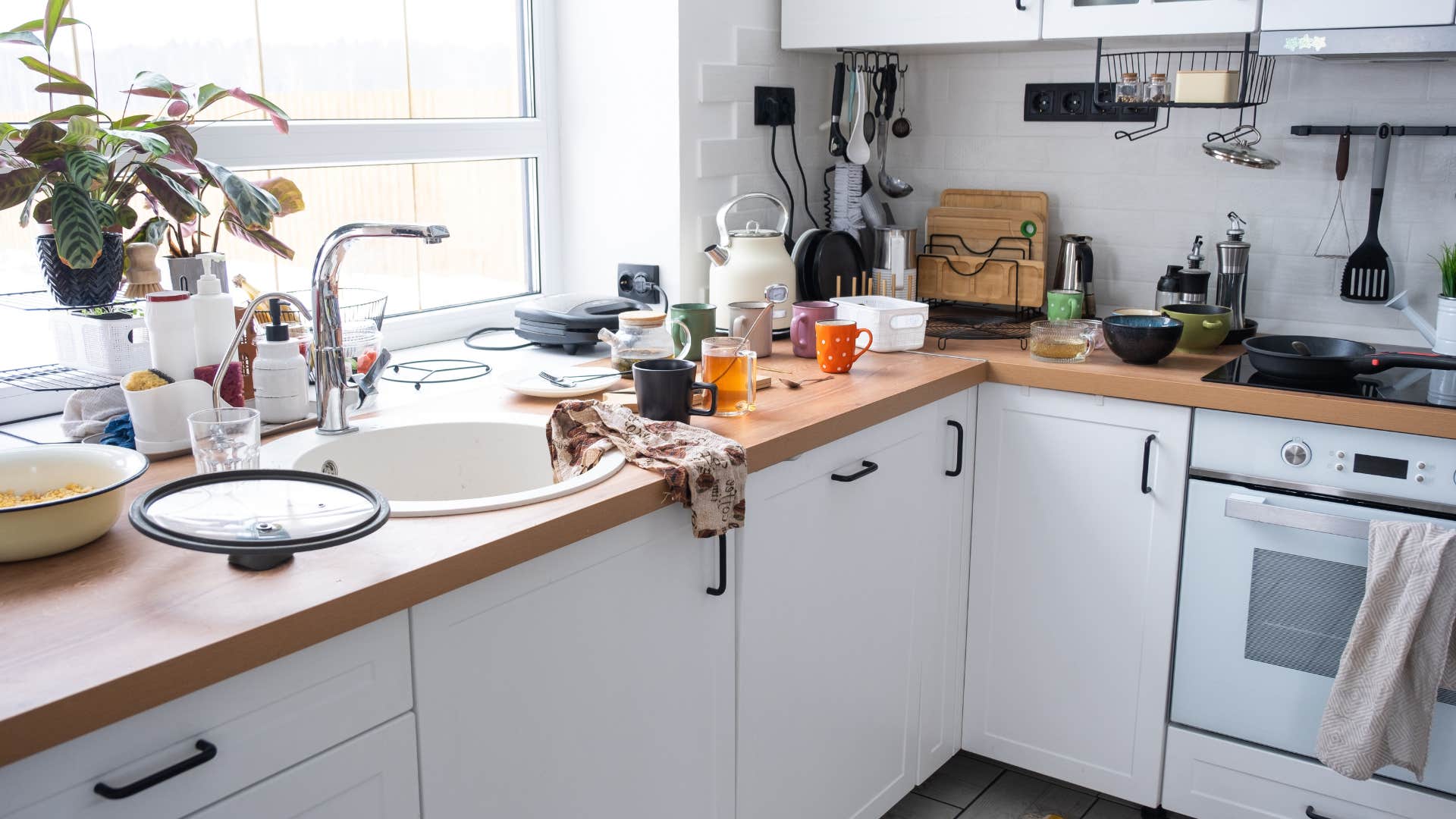
When bathrooms, kitchens, or other essential areas are no longer being cleaned, the issue may be connected to fatigue, illness, depression, limited supplies, or a lack of support. Unsanitary conditions can increase the risk of food contamination, pests, mold, and other health concerns, particularly for older adults, children, and people with weakened immune systems.
Still, shaming someone about cleanliness is rarely effective. A person who is already overwhelmed may withdraw further if they feel judged. It can be more helpful to focus on one immediate priority, such as removing spoiled food, cleaning a toilet, taking out trash, or ensuring access to soap and clean towels.
Community organizations, home-care services, and local public-health agencies may offer support for people who cannot safely maintain their homes independently. The right resource depends on a person’s circumstances, location, income, and level of need.
9. Persistent Bad Odors in the Home

Persistent odors can have many causes, including garbage, damp laundry, spoiled food, pet-care needs, plumbing problems, mold, or inadequate ventilation. They should not automatically be interpreted as a sign that someone does not care about herself or her home.
In some cases, odors point to a maintenance issue rather than a cleaning issue. A sewage smell, gas odor, extensive dampness, or visible mold may require professional assessment. The U.S. Environmental Protection Agency recommends addressing moisture problems promptly because moisture can contribute to mold growth indoors.
If a friend’s home has a noticeable odor, sensitivity matters. Instead of making a personal remark, offer a practical reason to help: “I noticed the sink may be backing up. Would you like me to help you call maintenance?” Respect and privacy should guide the conversation.
10. Repairs and Basic Home Maintenance Left Unaddressed

Broken lights, leaking fixtures, damaged locks, malfunctioning appliances, and other unresolved repairs can affect comfort and safety. Yet home maintenance often requires money, landlord cooperation, technical knowledge, transportation, and time. A person may know a repair is needed but feel unable to begin the process.
For renters, documenting a problem and contacting the landlord or property manager in writing can be an important first step. For homeowners, local government programs, aging services, disability organizations, and community groups sometimes offer repair assistance. If a repair affects heat, water, electricity, accessibility, or security, it should be prioritized.
When someone is struggling, help with a phone call, an online form, or a list of trustworthy local services can be more valuable than general encouragement.
11. Neglected or Unwashed Bedding

An unmade bed is not a reliable measure of self-care. Some people simply do not make their beds, and that choice has no inherent health meaning. However, bedding that remains soiled for long periods or a bedroom that has become difficult to use may be part of a broader pattern of exhaustion or neglect of daily needs.
Sleep is an important part of physical and mental well-being. The Centers for Disease Control and Prevention notes that adults generally need at least seven hours of sleep per night, although individual needs vary. Creating a comfortable sleep environment, with clean bedding and a reasonably calm space, may support rest—but it is not a substitute for professional help when someone has persistent sleep problems or emotional distress.
How to Support Someone Without Judging Her
If you are concerned about a woman whose home has changed significantly, begin with care rather than conclusions. A simple statement such as, “I’ve noticed things seem harder lately, and I care about you,” can open the door to conversation. Avoid diagnosing, criticizing, or insisting that she explain herself.
Specific offers tend to be easier to accept than vague ones. Consider offering to bring a meal, help sort mail, do a load of laundry, take out trash, make a maintenance call, or sit with her while she schedules a medical appointment. Respect a “no,” and remember that a person’s home and personal information are private.
Encourage professional support when concerns are ongoing, affect safety, or are accompanied by signs of depression, anxiety, substance-use concerns, memory changes, or inability to meet basic needs. A primary-care clinician, licensed mental health professional, social worker, or local community service may be able to provide appropriate next steps. In an immediate emergency, contact local emergency services.
Sources
- National Institute of Mental Health: Depression
- Centers for Disease Control and Prevention: How Much Sleep Do I Need?
- U.S. Food and Drug Administration: Disposal of Unused Medicines
- U.S. Environmental Protection Agency: Mold and Moisture
- Washington State Department of Social and Health Services: Self-Neglect
- World Health Organization: Mental Health
Disclaimer: This content is intended for entertainment purposes only and is not based on real events.