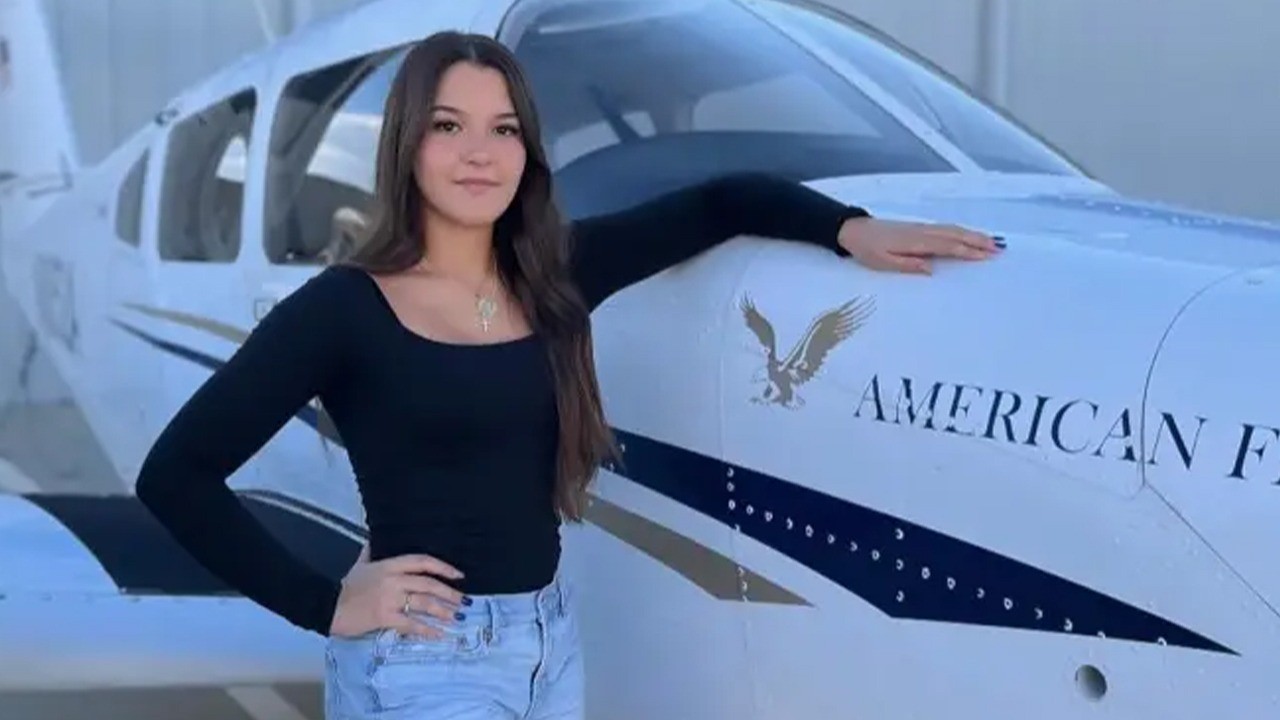
At just 20 years old, Nathalia Gadelha Filgueiras had already accomplished something many people spend a lifetime dreaming about. She had earned her pilot’s license while still in high school, built experience in aviation, and begun working professionally as a pilot. She was young, ambitious, and determined to turn her childhood passion into a lifelong career.
But on November 1, 2026, her dream ended in a devastating tragedy.
Nathalia was serving as co-pilot aboard a Learjet 60 traveling from Austin, Texas, to the Bahamas when the aircraft crashed in Palm Beach County, Florida. All nine people aboard lost their lives.
In the days following the accident, her family shared memories of the young woman they knew: a hardworking daughter who had pursued aviation with extraordinary determination and who had always wanted to fly.
But one statement from her mother, Camila Gadelha Corteleti, captured the heartbreak of losing a child in a particularly painful way.
She said she had always feared that her daughter’s dream of becoming a pilot would eventually take her away.
Her words were not a prediction of what would happen, but an expression of a mother’s deepest fear — one that became painfully real in the most unexpected way.
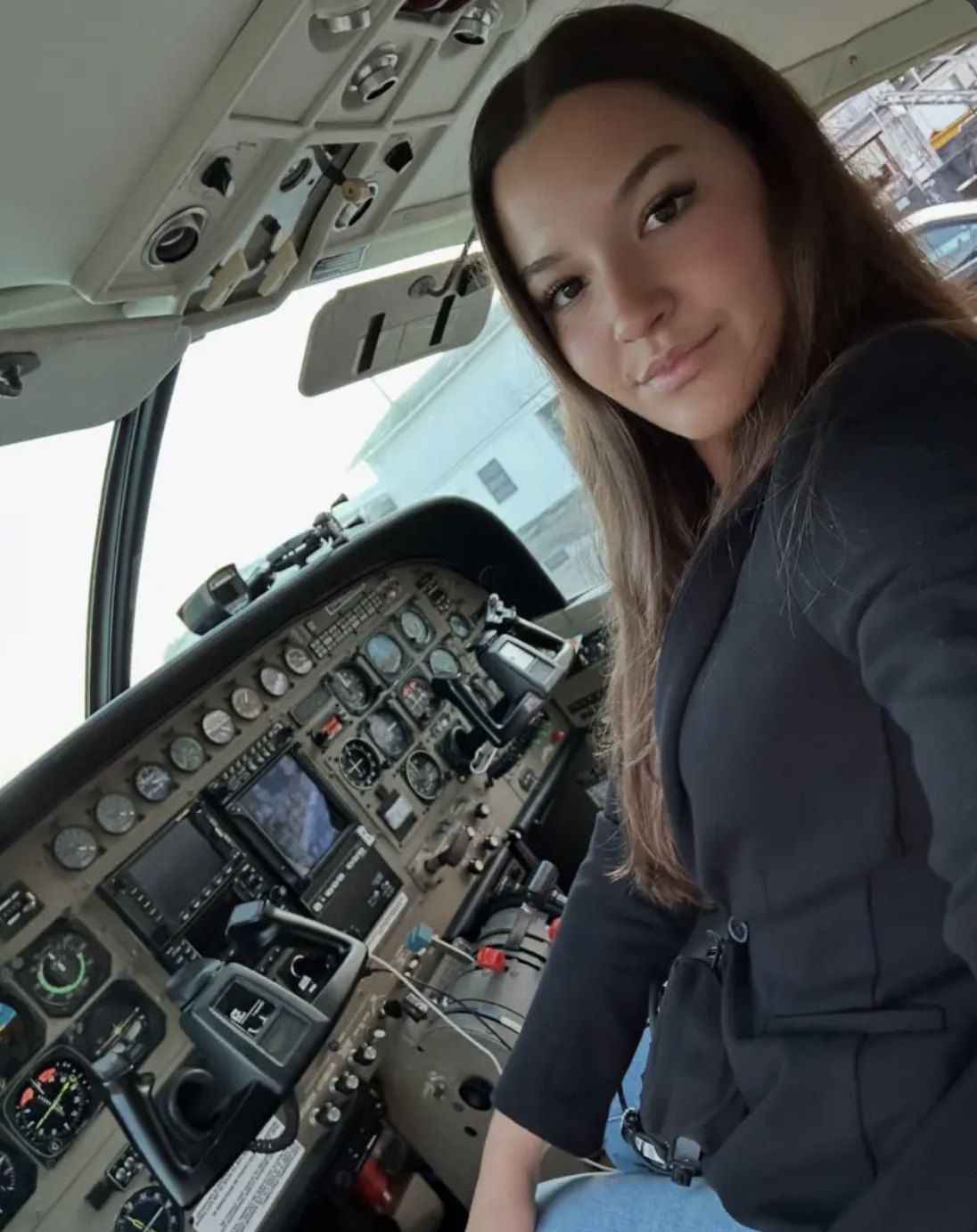
A Girl Who Wanted to Fly Before She Could Drive
For Nathalia, aviation was not simply a career choice made after finishing school. It was a passion that shaped her life from an early age.
While many teenagers were focused on learning to drive, making plans for university, or deciding what profession they might pursue, Nathalia was already taking steps toward the cockpit.
She attended the Aviation and Aerospace Academy at West Boca Raton High School in Florida, where she began developing the knowledge and practical skills needed to become a pilot.
Her commitment was remarkable.
According to reports about her life and training, Nathalia earned her pilot’s license at just 17 years old, before she had even obtained her driver’s license. She later continued her flight training at American Flyers in Pompano Beach, Florida, and worked toward building a professional career in aviation.
In a television interview with CBS12, she once joked about the unusual order in which she had achieved those milestones.
When people told her she could not drive, she proudly replied that she could fly.
It was a lighthearted remark, but it revealed something important about her personality. Nathalia was proud of what she had accomplished, and she did not hesitate to share her enthusiasm with others.
She had chosen a challenging path and worked hard to follow it.
For her family, watching her pursue that ambition must have been a source of immense pride. They had seen her grow from a young student fascinated by aircraft into someone who could actually take to the skies as a professional.
Her journey was only beginning.
Turning a Childhood Dream Into a Career
Becoming a pilot requires far more than enjoying the experience of flying.
It demands technical knowledge, discipline, careful preparation, and the ability to make decisions under pressure. Pilots must understand aircraft systems, weather conditions, navigation, communication procedures, and the responsibilities involved in carrying passengers safely.
Nathalia continued developing those skills after completing her early training.
She became a flight instructor and gained experience in aviation before moving into commercial flying. Reports indicated that she had been working as a commercial pilot for approximately nine months and had accumulated around 1,300 flight hours.
At an age when many people are still deciding what direction to take, she had already begun building the professional experience needed for her ambitions.
Her goal was to become an airline pilot one day.
It is easy to imagine how exciting that future must have seemed to her. Every new flight represented another opportunity to learn, improve, and move closer to the career she wanted.
She was not simply waiting for her dream to happen. She was actively working toward it.
Her family remembered her as responsible and hardworking. Her sister, Guilia Filgueiras, described her as an amazing young woman who had followed her dream and shown other girls what determination could achieve.
Those who knew Nathalia did not see her only as a young pilot. They remembered a daughter and sister whose enthusiasm had become an important part of the family’s life.
The Flight That Ended in Tragedy
On November 1, 2026, Nathalia was aboard a Learjet 60 operated by Aurora Aviation under the name Upper Jets.
The aircraft departed Austin-Bergstrom International Airport in Texas, bound for North Eleuthera Airport in the Bahamas. There were nine people aboard: two crew members and seven passengers.
The flight appeared to be progressing until the crew encountered increasingly difficult conditions while flying over Florida.
According to the National Transportation Safety Board’s preliminary account, the aircraft was cruising at approximately 35,000 feet when the crew reported light clear icing and moderate turbulence. The pilots also reported precipitation and requested clearance to climb to a higher altitude.
Air traffic control approved the request.
But shortly afterward, the situation changed dramatically.
The aircraft began descending rapidly. The crew communicated with air traffic control, reporting serious problems and declaring an emergency.
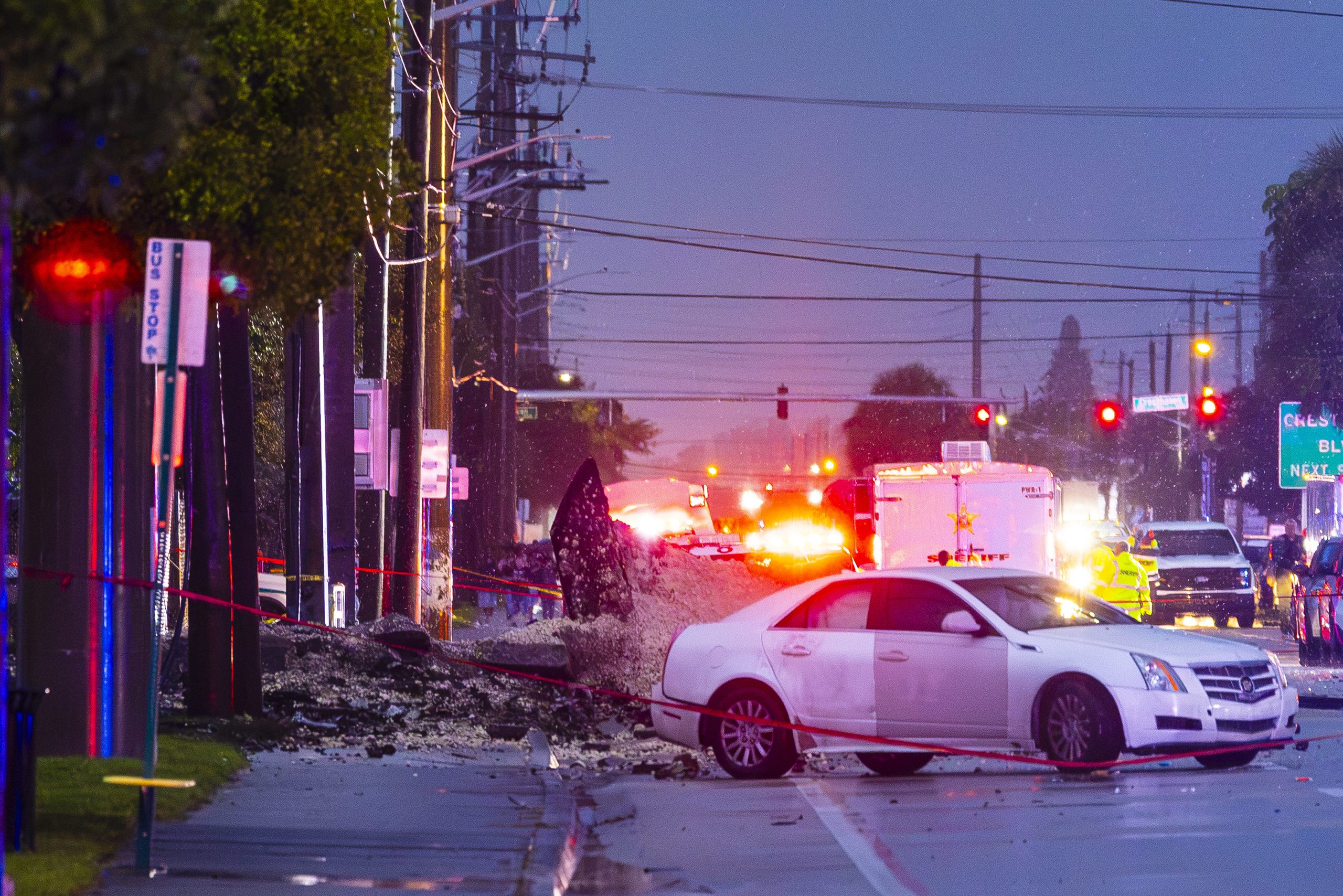
The Learjet crashed near Greenacres in Palm Beach County at approximately 12:50 p.m. local time.
All nine people aboard were killed.
The tragedy shocked the local community and devastated the families of those on the aircraft. A flight that had begun as an ordinary journey between Texas and the Bahamas had ended in an accident that investigators would need considerable time to understand.
The NTSB confirmed that it had launched an investigation and emphasized that the information available at the time was preliminary. Weather conditions, aircraft performance, and the possibility of an in-flight structural breakup were among the issues being examined.
Her Mother’s Heartbreaking Words
For Nathalia’s mother, Camila Gadelha Corteleti, the loss was almost impossible to put into words.
She described her daughter as responsible, hardworking, and deeply committed to her dream.
But in an interview with the New York Post, Camila also shared a fear she had carried for years.
She said she had always worried that flying would eventually take her daughter away.
“I knew that a plane was gonna take her away from me,” she said.
She explained that she had wanted Nathalia to live her dream, even though the thought of her daughter spending her life in the air had always frightened her.
Her words carried a painful contradiction familiar to many parents: wanting a child to follow their ambitions while quietly worrying about the risks that might come with them.
Camila had been proud of Nathalia. She knew how much aviation meant to her and understood that asking her to abandon that dream would have meant asking her to give up something central to who she was.
Yet no parent is ever truly prepared to receive news that their child will not be coming home.
Camila also reflected that, if her daughter could have chosen how to go, she believed Nathalia would have wanted to be doing what she loved. But she wished that it had not happened so soon.
The statement was not about accepting the tragedy as inevitable. It was a mother’s attempt to make sense of an unimaginable loss while remembering the passion that had defined her daughter’s life.
She had wanted Nathalia to have the opportunity to build the future she had worked so hard to achieve.
Instead, the family was left with memories of a future that would never arrive.
A Final Flight and the Questions Investigators Must Answer
As tributes to Nathalia emerged, attention also turned to the circumstances surrounding the crash.
The NTSB began examining the aircraft’s final communications, the reported weather conditions, and physical evidence recovered from the accident site.
On November 2, investigators said there were indications that the aircraft may have begun breaking apart before hitting the ground. At that stage, however, they had not established what caused the breakup or whether it was a contributing factor or a consequence of another failure.
Further evidence emerged on November 3, when investigators reported recovering sections of the aircraft’s left elevator several miles from the main crash site. The elevator is part of the aircraft’s tail assembly and plays an important role in controlling its pitch.
The discovery provided additional evidence that the aircraft had begun breaking apart in flight, but it did not establish why that happened.
Investigators continued examining the wreckage, flight information, weather conditions, and other available evidence. The precise cause of the accident remained undetermined.
It is important to distinguish between what is known and what remains under investigation.
The crew reported icing, turbulence, and precipitation before the rapid descent. These conditions are important areas of inquiry, but they do not, by themselves, establish the cause of the crash.
Nor should responsibility be placed on Nathalia simply because she was the co-pilot.
Her mother stated that Nathalia was not the person making the flight’s operational decisions. The investigation must establish the technical and operational circumstances surrounding the accident before conclusions can responsibly be drawn.
For her family, however, the questions about the aircraft are only one part of the tragedy.
The more personal question is how to move forward without someone who had been such an important part of their lives.
Remembering the Young Woman Behind the Uniform
It can be easy for news coverage of an aviation accident to focus on aircraft types, flight paths, weather reports, and investigation findings.
Those details matter. They help investigators understand what happened and may contribute to improving aviation safety in the future.
But behind every name on a passenger or crew list is a person with a family, relationships, ambitions, and plans.
Nathalia was only 20.
She had a career she was still building, places she wanted to see, and professional milestones she hoped to reach. She had spent years preparing for a future in aviation, and she had already taken important steps toward making that future real.
Her sister remembered her courage and determination. Her mother remembered a responsible daughter who worked hard and loved her chosen path.
Those memories offer a picture of Nathalia that goes beyond the circumstances of her final flight.
She was a young woman who had discovered something she loved and pursued it with remarkable commitment.
Her story also carries a message for other young people, especially girls who may be considering careers in fields where they are still underrepresented. Nathalia’s journey showed that age and expectations do not have to define the limits of someone’s ambition.
She had entered aviation at a remarkably young age and demonstrated what dedication could achieve.
Her life was tragically short, but the determination with which she pursued her dream remains part of the story her family has shared.
A Mother’s Love and a Dream That Will Be Remembered
Perhaps the most heartbreaking part of Camila’s words is that they reveal how love and fear can exist together.
She wanted her daughter to fly. She wanted her to succeed. She wanted her to experience the life she had imagined since childhood.
At the same time, she feared the risks that came with that dream.
Now, after the accident, those fears have become part of her grief.
No words can make such a loss easier, and no tribute can replace the daughter her family has lost. The photographs, interviews, and memories may preserve parts of Nathalia’s story, but they cannot fill the space she leaves behind.
What remains is the image of a young woman who dared to follow her ambition, who worked hard to earn her place in aviation, and who was loved deeply by the people closest to her.
Her mother’s statement is heartbreaking not because it suggests that tragedy was destined to happen, but because it reveals how deeply she understood her daughter’s passion and how much she feared losing her.
Nathalia wanted to fly.
Her family wanted her to have the chance to live that dream for many years.
And while the investigation continues to seek answers about the final flight, those who loved her are left remembering the young woman whose journey had only just begun.
May Nathalia Gadelha Filgueiras and all the other victims of the Florida crash rest in peace. Our thoughts are with their families and everyone affected by this tragedy.