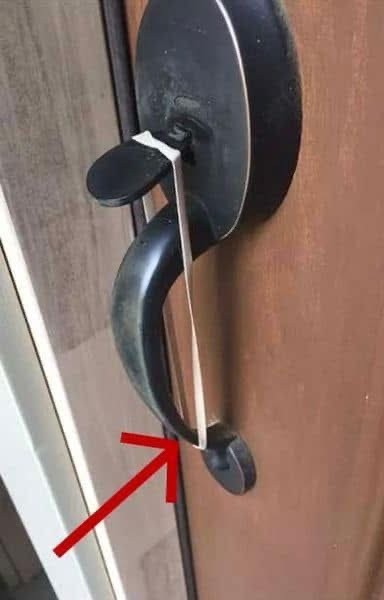
Rubber Band on Your Front Door Handle: What It May Mean and How to Respond Safely
Finding an unfamiliar rubber band on a front door handle can feel unsettling, especially when social media posts suggest it is a secret sign used by burglars. However, homeowners should approach these claims carefully. There is no broadly verified evidence from major law-enforcement agencies that a rubber band placed on a door handle is a standard or reliable method used by criminals to identify homes for burglary.
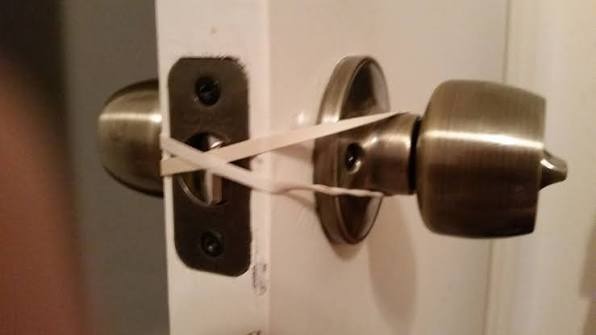
That does not mean an unfamiliar object should be ignored. A rubber band may have a completely ordinary explanation: it could have been dropped by a delivery worker, left by a child, blown by the wind, or accidentally caught on the handle. Still, noticing anything unusual around a property can be a useful prompt to review basic home security, document concerns, and contact local police through the appropriate non-emergency channel if there are additional signs of suspicious activity.
The most effective response is calm, practical, and based on evidence. Rather than assuming a home has been targeted, residents can remove the item, check that entry points are secure, speak with trusted neighbors, and remain aware of their surroundings. Good home security depends on consistent habits and community awareness—not fear generated by unverified online warnings.
Is a Rubber Band on a Door Handle a Burglary Signal?
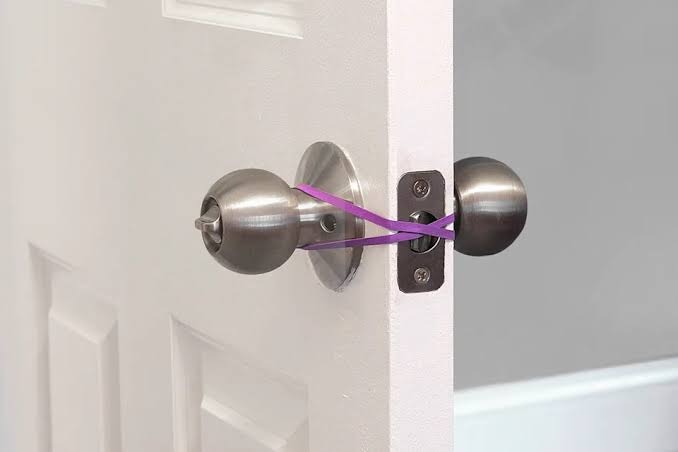
Posts claiming that burglars use rubber bands, tape, flyers, chalk marks, or other objects to “mark” potential homes regularly circulate online. Some of these claims may be based on isolated reports or misunderstandings, but many are repeated without clear dates, locations, police case numbers, or official confirmation.
Law-enforcement agencies do warn that offenders may observe neighborhoods and look for opportunities, such as an open garage, an unlocked door, packages left outside, or visible valuables. But this is different from saying that a particular object has a universal criminal meaning. Methods used in one reported incident, if they occur at all, should not automatically be treated as a widespread tactic.
A rubber band is a common household object and is not, by itself, evidence of criminal intent. It is important to avoid drawing conclusions from one ambiguous detail. Sharing unverified claims can unnecessarily alarm neighbors and may distract from more meaningful warning signs, including attempted forced entry, damaged locks, unfamiliar people repeatedly checking homes, or suspicious behavior around parked vehicles.
Why These Claims Spread So Easily
Home-security warnings are often shared quickly because they involve a subject that matters deeply to people: the safety of family members, homes, and possessions. A short message about an unfamiliar object can sound urgent and plausible, particularly when it includes dramatic language about “being watched” or “targeted.” Yet a claim can feel believable without being supported by reliable evidence.
Social media platforms can also remove important context. A post may describe an alleged incident from years earlier, in another city or country, while presenting it as a new local warning. In other cases, photographs may be reused or attached to claims that have not been independently verified. Before accepting or forwarding a security alert, it is sensible to check whether a local police department, municipal authority, or established news organization has confirmed it.
Responsible safety communication should focus on what people can verify and what they can do. That means reporting immediate concerns, improving physical security, looking out for neighbors, and avoiding accusations against people without evidence. It also means recognizing that fear alone is not proof that a crime is planned.
What to Do If You Find an Unfamiliar Item at Your Door
If you find a rubber band, piece of tape, note, flyer, or another unexpected item on your door, remain calm. In most cases, there may be an innocent explanation. You can take a few simple steps to address the situation without assuming the worst.
Remove the Item and Check the Area
Remove the item safely and dispose of it. Then take a quick look around your entrance, mailbox, gate, windows, and driveway. Check for clear signs that someone has attempted to enter the property, such as a damaged lock, a broken window, disturbed screen, or a door that does not close properly. If there is no evidence of tampering, the item may simply be litter or an accidental placement.
Document Anything That Seems Unusual
If the object appears deliberately placed or is accompanied by property damage, photographs can be helpful. Record the date, time, and location, and note any relevant details, such as unfamiliar vehicles or repeated unwanted contact at the home. Documentation should be factual and should not include speculation about who may be responsible.
Use the Correct Police Contact Method
If there is an immediate danger, an active break-in, or a person trying to enter a home, contact emergency services right away. For non-urgent concerns, residents can call the local police non-emergency number or use an official online reporting system where available. Police can advise whether similar reports have been made in the area and whether additional action is appropriate.
Talk to Neighbors Carefully
Trusted neighbors can be valuable sources of information. They may know whether a delivery, maintenance visit, school activity, or neighborhood event explains the item. Sharing a measured message with nearby residents can also help people check their own properties. Avoid publishing images of individuals, license plates, or unconfirmed allegations on social media, as this can lead to mistaken identification and unnecessary harm.
Practical Home Security Measures That Make a Difference
Whether or not an unfamiliar object has any significance, reviewing home security is a constructive step. The U.S. Department of Justice and many local police agencies emphasize basic precautions that reduce opportunities for property crime. These measures are generally more valuable than trying to interpret rumored codes or markings.
Lock Doors and Windows Consistently
Many property crimes depend on easy access. Lock exterior doors and accessible windows whenever the home is unattended and at night. This includes doors leading from a garage into the house. Check that sliding doors and windows have working locks, and repair hardware that is loose, damaged, or difficult to operate.
Strengthen Exterior Doors
A solid exterior door, a quality deadbolt, and a properly installed strike plate can improve resistance to forced entry. Door frames should be in good condition, and screws securing strike plates should reach the structural framing where appropriate. Residents who rent may need permission from a landlord before making changes, but they can still request repairs to faulty locks or doors.
Maintain Visibility Around the Property
Trim shrubs and vegetation that block views of doors, windows, and walkways. Good exterior lighting can help residents and neighbors see approaching visitors more clearly. Motion-activated lighting may be useful near entrances, driveways, and side paths, provided it is positioned respectfully and does not create unnecessary disturbance for nearby homes.
Use Cameras and Alarms Thoughtfully
Doorbell cameras, outdoor cameras, and alarm systems can provide alerts and recordings, but they are not a substitute for secure locks and safe habits. If using a camera, place it in accordance with local laws and avoid pointing it into areas where neighbors have a reasonable expectation of privacy. Protect security accounts with strong, unique passwords and enable multi-factor authentication when offered.
Do Not Publicize Travel Plans
Public posts announcing that a household is away can unintentionally reveal that a property may be empty. Consider sharing vacation photos after returning home, and ask a trusted person to collect mail, move bins, or check the property during longer absences. Automated lights or timers can also make a home appear routinely occupied, although they should be used safely and according to manufacturer instructions.
Recognizing More Meaningful Warning Signs
An isolated rubber band is ambiguous. More concerning situations usually involve patterns, direct evidence, or immediate risk. Residents should pay closer attention if they notice repeated attempts to open doors or gates, damaged locks, unfamiliar individuals looking into windows, people testing car-door handles, or someone persistently returning to the property without a clear reason.
Other concerns may include a stranger claiming to need access to utilities or repairs but being unable to provide verifiable identification. Residents do not have to open the door to confirm a visitor’s identity. They can communicate through a locked door, use an intercom or doorbell camera if available, and independently contact the company or agency using an official phone number rather than a number provided by the visitor.
It is also important to distinguish suspicious behavior from ordinary activity. Delivery drivers, utility workers, contractors, visitors, and neighbors may have legitimate reasons to be near a home. Reporting observations rather than assumptions helps police assess situations fairly and effectively.
Community Awareness Without Panic
Neighborhood safety is often strongest when residents communicate responsibly. A local neighborhood-watch group, residents’ association, or police community liaison program can provide useful channels for sharing verified information. These groups can encourage people to report crimes, improve lighting, assist vulnerable neighbors, and learn about local prevention resources.
Community awareness should never become vigilantism or public accusation. People should not confront someone they believe may be suspicious, follow them, or attempt to investigate on their own. Personal safety comes first. If a situation appears urgent or dangerous, the right response is to move to a safe place and contact emergency services.
For online discussions, use clear language: “I found an unfamiliar item and have removed it” is more accurate than “burglars are marking houses.” The first statement describes what happened; the second makes a claim that may not be supported by evidence. Accurate communication helps neighbors stay alert without spreading misinformation.
Bottom Line: Stay Prepared, Not Alarmed
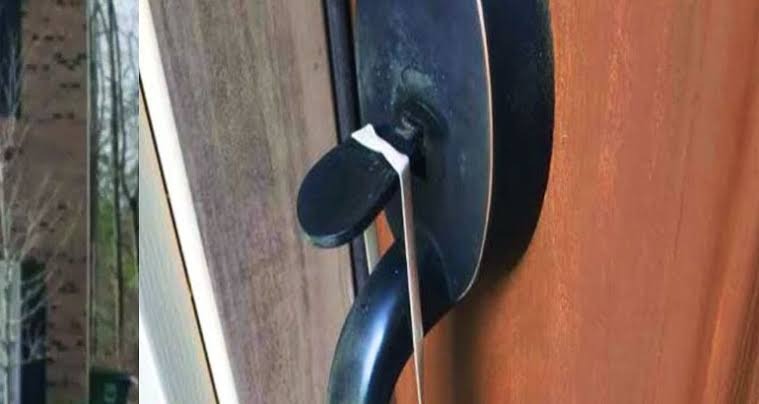
A rubber band on a front door handle may be unusual, but it does not automatically mean that a burglary is planned. Available public guidance does not establish rubber bands as a standard criminal marking system. The most sensible approach is to remove the item, inspect the property for genuine signs of tampering, secure doors and windows, and report specific concerns through official channels.
Home security works best as a routine. Reliable locks, adequate lighting, careful management of keys and access codes, awareness of surroundings, and respectful communication with neighbors can all help reduce risk. By relying on verified information rather than alarming rumors, homeowners can respond confidently and protect their households in a practical, balanced way.
Sources
- U.S. Department of Justice: Crime Prevention Through Environmental Design and home security guidance
- Cybersecurity and Infrastructure Security Agency: Physical Security Resources
- Police.uk: Burglary prevention advice
- Neighbourhood Watch Network: Community safety information
- Reuters Fact Check: Guidance on evaluating viral claims
Disclaimer: This content is intended for entertainment purposes only and is not based on real events.