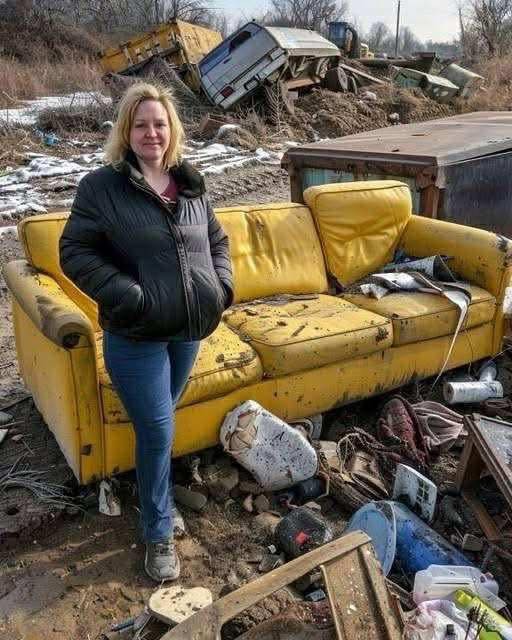
When Is It Time to Replace an Old Couch?
An old couch can become part of a home’s everyday landscape. It may have been there through family gatherings, quiet weekends, pet naps, and years of changing routines. Because upholstered furniture is often expensive and difficult to move, many people delay replacing it even when its condition has clearly declined. Yet a worn sofa can eventually affect comfort, indoor cleanliness, and the overall function of a living space.
Signs such as sagging cushions, broken springs, damaged upholstery, persistent odors, unstable frames, or suspected mold growth can indicate that it is time to evaluate whether a couch should be cleaned, repaired, donated, recycled, or removed. Making that decision thoughtfully can help homeowners protect their comfort, reduce unnecessary waste, and handle potential moisture or mold issues responsibly.
Common Signs That an Old Couch Needs Attention
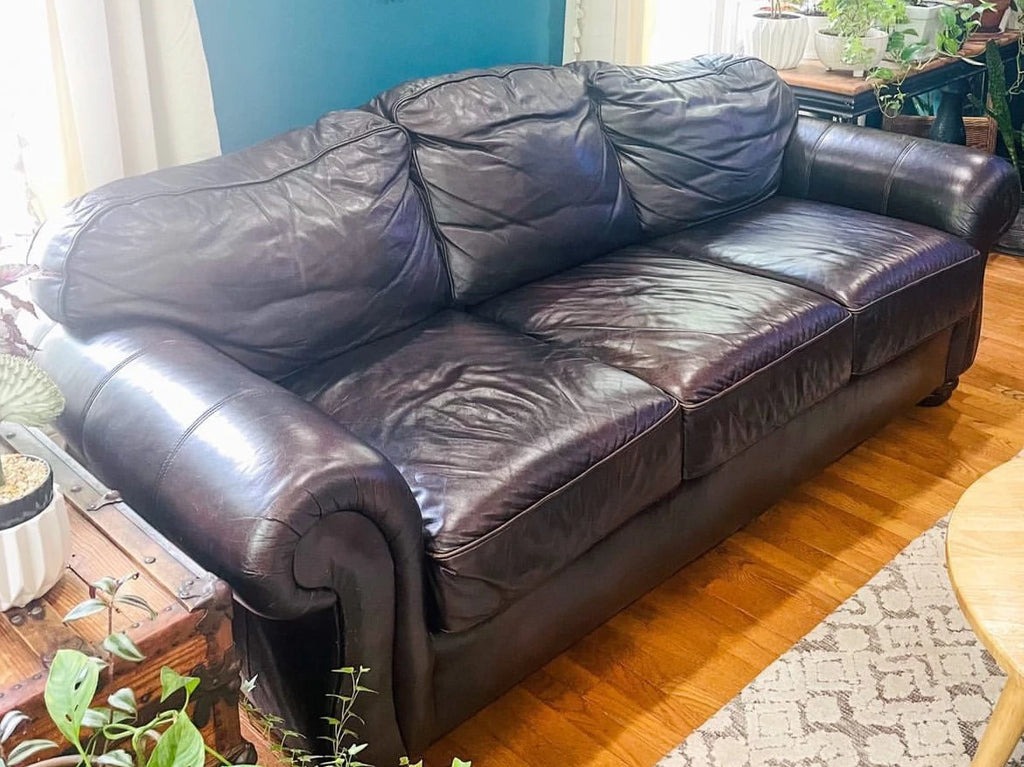
Most sofas do not suddenly become unusable. Instead, their condition often changes gradually over time. Cushions flatten, fabric becomes thinner, and the frame may begin to creak when weight shifts across the seating area. These changes can be frustrating, but not every problem means a couch must immediately be discarded.
Cosmetic wear is usually the easiest issue to address. Fading fabric, minor stains, loose threads, or small tears may be manageable through professional upholstery cleaning, mending, slipcovers, or replacement cushion covers. A sofa with a strong frame and supportive seat structure can sometimes remain useful for years after its appearance begins to show age.
Structural problems are more significant. A couch that rocks, leans, makes loud cracking noises, or has exposed components may no longer provide reliable support. Springs that press through the seat can make sitting uncomfortable and may damage the fabric further. In some cases, a furniture repair professional can replace webbing, reinforce joints, or repair springs. However, the cost of extensive repairs should be compared with the price, expected lifespan, and quality of a replacement sofa.
Comfort is another important factor. If people consistently avoid sitting on a couch because the cushions are uneven, the seat is too low, or the support has collapsed, the furniture may no longer serve its main purpose. Older adults and people with back, hip, or mobility concerns may find that a deeply sagging sofa makes standing up more difficult. In those situations, replacing the furniture may improve daily comfort and accessibility.
Persistent Odors Can Signal an Underlying Problem
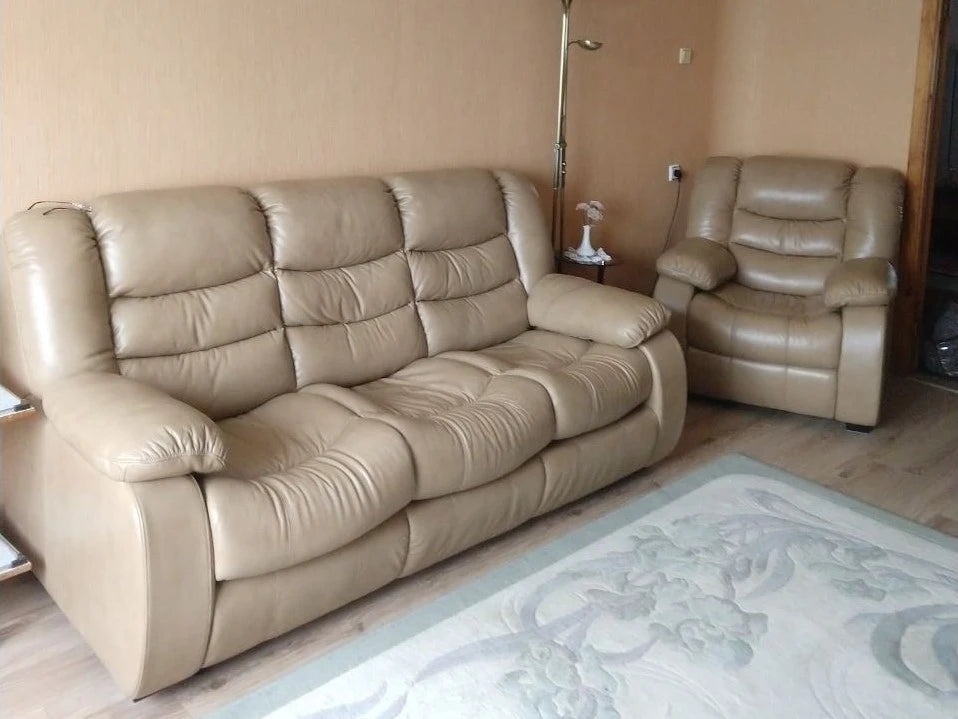
A musty odor from upholstered furniture deserves attention, especially if cleaning products and routine vacuuming do not solve the problem. Sofas can retain smells from food, pets, smoke, spills, damp clothing, or long-term exposure to humid conditions. The source may be in the upholstery, cushion filling, wooden frame, or the floor underneath the furniture.
Before assuming that an odor means mold, it is useful to inspect the surrounding area. Check for nearby leaks, damp carpets, condensation around windows, water damage on walls, or moisture beneath the couch. Mold growth requires moisture, so identifying and correcting a water source is a central step in preventing recurrence.
The U.S. Environmental Protection Agency explains that moisture control is the key to controlling mold indoors. If an upholstered item has been wet for an extended period, dried poorly after a spill or flood, or has visible mold growth deep in porous materials, cleaning may not be enough. Upholstered furniture contains foam, fabric, batting, and wood, making it difficult to confirm that moisture and contamination have been fully removed from internal layers.
A mild, temporary odor after a spill may improve once the area is thoroughly dried and cleaned. However, a recurring musty smell, visible discoloration, or moisture damage may justify professional assessment. People should avoid relying on fragrances or deodorizers alone, since these can mask odors without resolving the underlying source.
Mold Concerns and Indoor Air Quality
Mold is a natural part of the environment, but indoor growth can become a concern when moisture is present on building materials or household items. According to the U.S. Centers for Disease Control and Prevention, exposure to damp and moldy environments may cause nasal stuffiness, throat irritation, coughing, wheezing, eye irritation, or skin irritation in some individuals. People with allergies, asthma, chronic respiratory conditions, or weakened immune systems may be more sensitive to damp indoor environments.
It is not necessary to identify the exact species of mold before taking practical action. Public health guidance generally emphasizes removing moisture, cleaning small areas safely when appropriate, and seeking professional help when contamination is extensive or when water damage is significant. The EPA advises that people consider professional assistance when mold covers a large area, generally more than about 10 square feet, or when there has been major water damage.
For a couch with a small surface stain and no evidence of ongoing moisture, careful cleaning may be possible. It is important to follow the manufacturer’s care label and allow the furniture to dry completely. If mold appears to be widespread, if the cushions are damp inside, or if the furniture has been affected by flooding or sewage-contaminated water, disposal is often the safer option. Porous materials can be difficult to restore reliably after serious contamination.
Homeowners should also remember that a couch may not be the original source of a musty smell. The odor could come from a damp basement, a leaking pipe, wet carpeting, or poor ventilation. Replacing the sofa without addressing the moisture problem may allow similar issues to develop again.
When Repairing a Couch Makes Sense
Repair can be a sensible and sustainable choice when a couch has good construction and sentimental or financial value. High-quality furniture with a solid hardwood frame may be worth reupholstering or restoring, particularly if the problems are limited to fabric wear, cushion foam, or minor spring damage.
Before arranging repairs, ask a furniture professional to assess the frame, suspension system, cushions, and fabric. Request an estimate that separates structural work from cosmetic improvements. This makes it easier to decide whether a repair will meaningfully extend the sofa’s usable life.
Replacing cushion inserts can improve support when the couch frame remains sound. Professional cleaning may help with ordinary dirt, pet hair, and some stains. Reupholstery can change the appearance of a durable sofa, although it can be costly because it involves labor, fabric, and possible repairs to internal components.
Repair may be less practical when the frame is severely damaged, the sofa has extensive odor problems, there is suspected mold inside the upholstery, or the piece was originally made with lower-cost materials that are nearing the end of their expected lifespan. In those cases, investing heavily in restoration may not provide lasting value.
Responsible Options for Donating, Recycling, or Disposing of a Sofa
Once a decision has been made to part with an old couch, the next question is how to do so responsibly. Usable furniture should not automatically be sent to a landfill. If a sofa is clean, structurally stable, free of significant stains and odors, and still safe to use, local charities, community organizations, shelters, reuse centers, or secondhand furniture programs may accept it.
Donation requirements vary widely. Many organizations cannot accept furniture with tears, pet damage, smoke odors, visible mold, major stains, or structural defects. Calling ahead and providing accurate details about the item’s condition can prevent a wasted pickup trip. It is also important not to donate furniture that could create a health or safety problem for another household.
Some municipalities and private waste providers offer bulky-item collection for sofas and other large furniture. Local recycling centers may also accept certain components, such as metal springs, wooden frames, or clean foam, depending on local facilities. Because policies differ by location, residents should consult their city, county, or waste-management provider before placing furniture at the curb.
Professional junk-removal services can be useful for heavy furniture, especially for people who cannot safely lift or transport it. When choosing a service, ask whether it sorts items for donation, recycling, or responsible disposal. A reputable provider should be able to explain how materials are handled after collection.
How to Choose a Better Replacement Couch

Replacing an old sofa offers an opportunity to think beyond color and style. A well-chosen couch should fit the room, meet household needs, and be made from materials suited to everyday use. Measure doorways, stairwells, elevators, and the intended room before ordering. A sofa that looks ideal online can become difficult to deliver if access measurements are overlooked.
Consider the frame material, cushion construction, fabric durability, and seat height. Hardwood frames and durable suspension systems generally offer better long-term support than lightweight frames with minimal reinforcement. Removable and washable covers can be helpful in homes with children or pets. For people concerned about allergens, regular vacuuming and upholstery cleaning can help reduce dust and debris that accumulate in fabric.
Ventilation and moisture prevention should also be part of furniture care. Avoid placing upholstered furniture directly against a damp exterior wall if moisture is a known concern. Address spills promptly, use a dehumidifier where humidity is consistently high, and ensure rooms have adequate airflow. These steps can help protect both furniture and the wider indoor environment.
A Practical Decision for a Healthier, More Comfortable Home
Letting go of an old couch can be more complicated than it seems. Furniture often carries memories, and replacing it can feel wasteful or inconvenient. Still, a sofa that is uncomfortable, unstable, persistently odorous, or affected by moisture may no longer be serving the household well.
The most useful approach is to assess the furniture honestly. Minor wear may be repaired or cleaned. A well-built sofa may deserve restoration. But when there are structural failures, repeated moisture concerns, suspected internal mold, or a continuing musty smell, replacement may be the most practical choice.
By addressing moisture sources, following public health guidance, and using local donation, recycling, or disposal options, households can make a responsible decision. A comfortable, clean, and supportive couch is not simply a decorative item; it is part of a home’s everyday well-being.
Sources
Disclaimer: This content is intended for entertainment purposes only and is not based on real events.