You Are Important: How Small Acts of Neighborly Kindness Build Stronger Communities
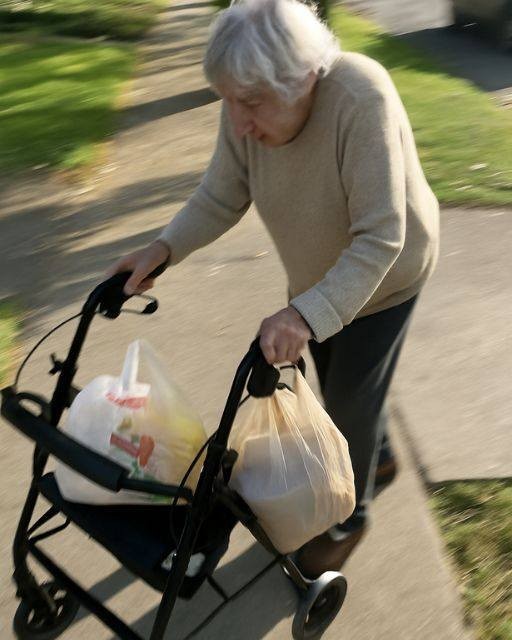
A short neighborhood story can carry a meaningful message: small gestures of care may matter greatly to someone who feels isolated, overwhelmed, or forgotten. In the account, an older neighbor named Miss Inez walks several blocks with a rollator, carrying groceries and a warm meal for a young boy whose mother is unwell. Along with the food, she leaves a handwritten message: “You are important.”
The story is an anecdotal illustration rather than a verified news report, but its central idea is supported by a broad body of public-health and social research. Social connection, practical help, and kind communication can strengthen communities. Whether someone brings a meal, checks on an older neighbor, offers transportation, or simply takes the time to listen, these actions can help people feel seen and supported.
In an era when many people report loneliness and social disconnection, neighborly care is not a minor matter. It can be an important part of building resilient, compassionate communities.
The Meaning Behind a Warm Meal and a Kind Word
At the center of the story is a simple act: one person notices that another household may need help and responds with food, time, and reassurance. The meal is useful, but the note may be just as significant. A message such as “You are important” communicates dignity. It tells the recipient that their circumstances have been noticed without judgment.
Practical assistance often has an emotional dimension. When a family is dealing with illness, financial pressure, caregiving demands, bereavement, disability, or another challenge, everyday tasks can become harder to manage. A prepared meal, a grocery delivery, or an offer to collect medication can reduce immediate stress. It may also remind someone that they do not have to navigate a difficult period entirely alone.
These gestures do not need to be expensive or elaborate. A neighbor might share extra food, leave a friendly note, ask whether someone needs help carrying bags, or offer to make a phone call. The value often comes from consistency, respect, and genuine attention rather than from the size of the gesture.
Why Social Connection Matters for Health and Well-Being
Health authorities have increasingly emphasized that social connection is closely linked to well-being. The World Health Organization has identified social isolation and loneliness as major public-health concerns affecting people of different ages and backgrounds. The United States Surgeon General has similarly described social connection as an important factor in individual and community health.
It is important to avoid oversimplifying these findings. Kindness alone cannot solve complex medical, financial, or social problems, and it should never replace professional care or emergency support when those are needed. However, supportive relationships can make it easier for people to seek help, cope with stress, and remain involved in their communities.
For older adults, neighborhood connections can be especially valuable. Changes in mobility, retirement, bereavement, or distance from family may reduce regular social contact. A brief conversation at the doorstep or a routine check-in can help maintain a sense of belonging. For parents, caregivers, and young people, knowing that trusted neighbors are nearby may also provide reassurance during demanding times.
Community connection can benefit the person offering help as well. Volunteering and informal acts of service may create a sense of purpose and strengthen relationships. The goal is not to expect repayment, but communities often become stronger when care is shared over time. In the story, the boy later helps Miss Inez after she needs care herself. That outcome reflects a familiar principle of community life: support can inspire support.
Neighborly Support Is Not Charity Alone
Healthy community support is based on mutual respect. It is not about treating another person as a problem to be fixed or assuming that someone is unable to manage their own life. Instead, it means offering help in a way that preserves choice and dignity.
A respectful approach can begin with a simple question: “Would it be helpful if I brought dinner?” or “Is there anything I can pick up for you while I am out?” This gives the other person room to accept, decline, or suggest something more useful. Some people may welcome a meal but not a visit. Others may appreciate help with transport, childcare, technology, pet care, or household errands.
Listening matters. A person’s needs may not be obvious from the outside, and assumptions can be unhelpful. An older neighbor using a mobility aid may value independence and simply need occasional assistance with a heavy item. A family experiencing illness may prefer privacy but benefit from a contact number or a scheduled grocery drop-off. Good neighborliness recognizes these boundaries.
How Small Acts Can Create a Ripple Effect
The phrase “ripple effect” is often used to describe how one helpful action can encourage others. In neighborhoods, this may look like one resident organizing a meal schedule, another offering a ride to an appointment, and another checking that a family has essential supplies. No single person has to carry the entire responsibility.
Local trust is built through repeated, ordinary interactions. Greeting people, learning names, sharing information about community services, and responding when someone needs help can all contribute to a stronger social fabric. These actions can be particularly useful during periods of disruption, such as severe weather, local emergencies, illness, or economic hardship.
Community organizations often play an important role in making informal care more sustainable. Faith groups, libraries, schools, tenants’ associations, senior centers, mutual-aid networks, and local charities may connect residents with food assistance, transportation, social activities, and professional services. People who want to help can often make a greater impact by learning what resources already exist and contributing where needed.
Practical Ways to Support a Neighbor
Acts of neighborly kindness can be simple, safe, and appropriate to each person’s circumstances. The following ideas can help turn good intentions into useful support:
- Check in thoughtfully: Send a brief message, make a call, or knock at a reasonable time to ask how someone is doing.
- Offer specific help: Rather than saying “Let me know if you need anything,” offer an option such as picking up groceries or bringing a meal on a particular day.
- Share local information: Keep contact details for food banks, health services, transportation programs, senior support organizations, and community centers.
- Respect privacy: Do not share someone’s personal circumstances with others without permission, even if your intention is to find help.
- Make support accessible: Consider mobility needs, dietary requirements, language preferences, and the person’s preferred method of communication.
- Include young people: Children and teenagers can participate through age-appropriate activities, such as writing a card, helping carry groceries with adult supervision, or volunteering through a school or community group.
- Know when professional help is needed: If a person appears to be in immediate danger or experiencing a medical emergency, contact local emergency services rather than trying to manage the situation alone.
These actions should always be guided by common sense and local safety advice. If visiting someone you do not know well, it may be better to begin through an established community group or offer assistance in a public, appropriate setting.
Supporting Older Adults With Respect and Independence
The image of an older person walking with a rollator highlights an important reality: many people remain active and engaged in their communities while living with changes in mobility. Mobility aids can support independence, but carrying heavy bags, navigating uneven sidewalks, or traveling long distances may still be difficult.
Neighbors can be helpful without being intrusive. Offering to carry a bag, clear a path after bad weather, collect a prescription, or provide a lift can make everyday routines easier. At the same time, it is essential to let the person decide what assistance they want. Respecting autonomy is part of respectful care.
Community planning also matters. Accessible sidewalks, seating, reliable transport, nearby shops, safe crossings, and affordable services all help residents remain connected. While individual kindness is valuable, wider policies and infrastructure can make communities more inclusive for older adults, people with disabilities, caregivers, and families.
Helping Children Feel Supported During Family Difficulties
Children can be affected when a parent or caregiver is ill or facing a serious challenge. Their routines may change, and they may worry about what is happening at home. A trusted adult’s calm, age-appropriate support can make a difference.
For neighbors and community members, the most appropriate help is often practical and low-pressure. This might include delivering food to the household, offering school-related assistance through proper channels, or connecting the family with local services. Adults should avoid asking children for private details or placing them in situations where they feel responsible for managing adult problems.
A reassuring message can still be powerful. Telling a child that they matter, that adults are working to help, and that they can speak to a trusted person if they are worried can reinforce a sense of safety. When concerns involve a child’s welfare, the right response is to contact appropriate local child-protection, school, health, or emergency services.
Building Communities Where People Feel Seen
The enduring message of the Miss Inez story is not that one person must solve every problem on a street. It is that noticing another person can be the beginning of meaningful support. A warm meal may meet an immediate need. A handwritten note may provide encouragement. A conversation may reveal that a neighbor needs a practical resource or professional assistance.
Modern life can make it easy to live close to others without knowing them. Busy schedules, online communication, housing changes, and personal stress can reduce the casual interactions that once connected neighborhoods. Rebuilding those connections does not require perfection. It can start with learning a neighbor’s name, offering a friendly greeting, or asking a respectful question.
“You are important” is a small sentence, but it reflects a larger civic value: every person deserves dignity, care, and a place in the community. When people act on that belief in practical ways, they can help create neighborhoods that are more responsive, connected, and humane.
Sources
- World Health Organization: Social Isolation and Loneliness
- U.S. Department of Health and Human Services: Surgeon General’s Advisory on Social Connection
- Centers for Disease Control and Prevention: Social Connectedness
- National Institute on Aging: Tips for Staying Connected
- Mayo Clinic: Understanding Loneliness and Social Isolation
Disclaimer: This content is intended for entertainment purposes only and is not based on real events.