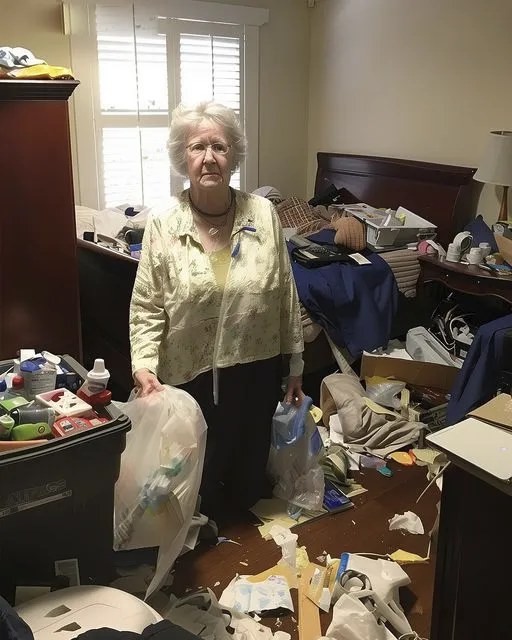
Mariah Was Hospitalized for Health Issues, and Her Children Rented Out Her House on Airbnb Without Her Knowledge
A family disagreement involving a home, money, and trust can quickly become deeply personal. In the account shared in the original story, Mariah was away from home while receiving medical care when she learned that her house had reportedly been listed as a short-term rental on Airbnb. Her children, Leah and Liam, had allegedly arranged the listing without first discussing it with her.
The story centers on an issue that extends beyond one family: who has the authority to make decisions about a home, especially when the homeowner is unavailable or dealing with health concerns? It also highlights the importance of open communication when relatives are under financial pressure. Although the details of this account cannot be independently verified from the information provided, its themes are familiar to many families navigating property, caregiving, and financial responsibilities.
How Mariah Learned About the Airbnb Listing
According to the account, Mariah was at the hospital for a check-up when her friend Liz contacted her with surprising news. Liz had apparently discovered that Mariah’s home was listed on Airbnb, a platform that allows people to offer accommodations to short-term guests.
Mariah was confused by the claim and initially struggled to understand what Liz meant. After looking into the matter, she reportedly confirmed that the property had been advertised for rental. The discovery was upsetting because she had not given permission for her home to be used in that way.
A house is not merely a financial asset for most people. It may contain private documents, personal belongings, family photographs, medication, valuables, and items with emotional significance. For a homeowner who is already managing a health issue, finding out that strangers could potentially enter the property can feel especially distressing.
Short-term rental platforms have become a common way for property owners to earn income, but they also require planning and clear authorization. A listing may involve decisions about guest access, cleaning, insurance, local licensing rules, safety standards, taxes, and neighborhood considerations. Those choices ordinarily belong to the owner or to an individual who has clearly been authorized to act on the owner’s behalf.
Why Leah and Liam Reportedly Listed the House
In the story, Leah and Liam believed that renting out the home could help them make extra money. Their motivation appears to have been financial rather than malicious. However, good intentions do not remove the need for consent, particularly when a decision involves someone else’s property.
Financial stress can influence judgment. Families may face rising housing costs, childcare expenses, debt, medical bills, or uncertainty about employment. In such circumstances, a short-term rental may appear to offer a quick solution. Yet using a relative’s home without first having a direct conversation can create a much larger problem than the one it was intended to solve.
Clear communication is particularly important when family members share responsibilities or live close to one another. Adult children may sometimes assume that they are helping a parent by handling practical matters. Parents, on the other hand, may view those same actions as an intrusion into their privacy or independence. The difference often comes down to whether there was informed consent, transparency, and agreement about boundaries.
A Lesson About Trust and Personal Property
The original account says that Mariah decided to respond in an unexpected way. Rather than immediately confronting her children, she reportedly asked her friend Denise to book the property. Mariah then returned home and removed the appliances, leaving the space largely empty except for an old toaster.
When Leah arrived and saw that Mariah had returned, she was reportedly shocked. Mariah explained that she knew about the Airbnb listing and had taken away the household items. Leah apologized and said that the effort had been intended to bring in extra money.
Mariah’s response, as described in the story, was designed to make a point about trust. She reportedly forgave Leah but emphasized that any financial need should have been discussed openly. Her message was straightforward: family members should not make significant decisions involving another person’s home without permission.
Whether or not readers agree with the specific approach described, the larger principle is clear. Trust can be damaged when people act first and explain later. Rebuilding it usually requires an honest acknowledgment of what happened, a sincere apology, and a commitment to communicate differently in the future.
Why Consent Matters in Short-Term Home Rentals
Consent is central to any arrangement involving residential property. A homeowner may authorize a family member, property manager, tenant, or legal representative to manage a home, but that authority should be clearly established. Without it, a person may face practical, legal, and financial complications.
For example, short-term rental activity can affect insurance coverage. Homeowners should review the terms of their insurance policy and any host protections offered by a booking platform. Coverage can vary, and it may not replace the need for standard homeowners, renters, or landlord insurance.
Local laws can also matter. Some cities and towns require permits, registration, safety inspections, occupancy limits, or tax collection for short-term rental properties. Other communities place limits on how often a property may be rented or whether it can be used as a vacation rental at all. Homeowners should check the rules in their specific location before advertising a property to guests.
Privacy is another major consideration. Before any rental begins, the owner should decide which rooms, storage areas, and personal belongings will be accessible. Important documents, medication, financial records, and sentimental items should be secured. A written plan can help prevent misunderstandings between relatives, co-owners, and anyone helping manage the listing.
Health Challenges Can Make Family Decisions More Sensitive
The fact that Mariah was receiving medical care adds emotional weight to the situation. Hospital visits and health concerns can leave people feeling vulnerable, especially if they are worried about maintaining independence and control over their daily lives.
Families often step in to help during a relative’s illness, and that support can be valuable. Assistance with bills, transportation, appointments, groceries, or home maintenance may reduce stress for someone who is unwell. But support should not become control. Whenever possible, decisions should reflect the wishes of the person receiving care.
Practical conversations can help families avoid conflict during difficult periods. These may include discussions about who can access a home, how bills will be paid, whether anyone has legal authority to make decisions, and what should happen in an emergency. In some cases, families may wish to seek guidance from a qualified attorney or financial professional, especially if an older adult wants to create a power of attorney or estate plan.
Respectful planning is not about assuming that someone cannot make decisions because they are ill. It is about ensuring that their preferences are understood and honored. The most effective plans are developed collaboratively, before a crisis creates pressure or confusion.
How Families Can Discuss Money Without Damaging Relationships
The story of Mariah, Leah, and Liam also reflects a broader challenge: talking about money within families. Financial conversations can be uncomfortable, but avoiding them can lead to secrecy, resentment, and poor decisions.
A constructive discussion should begin with honesty. If an adult child needs help with expenses, it is generally better to explain the situation directly than to take action involving a parent’s property without permission. The conversation can focus on practical facts, including the amount of money needed, the reason it is needed, and possible alternatives.
Families may consider options such as a temporary loan, a budget review, assistance with job searching, a planned sale of unused belongings, or a legitimate side-income arrangement that does not involve another person’s property. If a family does decide to pursue short-term renting, all parties should agree in writing about the rules, finances, responsibilities, and duration of the arrangement.
It can also help to avoid accusatory language. Instead of saying, “You never trust me,” a person might say, “I felt hurt when I learned this happened without my knowledge.” This type of communication focuses on the impact of an action rather than turning the discussion into a personal attack.
Responsible Airbnb Hosting Requires Preparation
For homeowners who genuinely want to become short-term rental hosts, preparation is essential. Hosting is more than posting photos and setting a nightly price. It can involve guest communication, cleaning, maintenance, local compliance, safety planning, record-keeping, and responding to unexpected issues.
Before listing a home, a responsible host should confirm that they have the right to offer the property. They should also understand local short-term rental regulations, review their insurance arrangements, secure personal belongings, and create accurate descriptions of the accommodation. Guests need reliable information about the space, amenities, accessibility, house rules, and any restrictions.
Hosts should also consider the impact on neighbors and the wider community. Regular turnover of visitors can create concerns about noise, parking, building security, or shared spaces. Clear house rules and respectful guest communication can reduce some of these risks, but local regulations may still apply.
Most importantly, no one should list a home that they do not own or have not been explicitly authorized to manage. Transparency protects the homeowner, potential guests, family members, and neighbors alike.
The Lasting Message of Mariah’s Story
The account of Mariah’s response is ultimately a story about boundaries. Leah and Liam may have seen an opportunity to solve a financial problem, but Mariah saw a violation of her trust and control over her own home. Both perspectives point to the need for a better conversation before action is taken.
Mariah’s reported decision to forgive Leah also offers an important reminder. A family conflict does not have to end in permanent division. Accountability and forgiveness can exist together. An apology matters, but it is most meaningful when it is followed by changed behavior and clearer agreements for the future.
For families facing similar tensions, the lesson is simple: ask first, explain financial pressures honestly, and respect the person whose home and belongings are involved. A direct conversation may feel difficult, but it is usually far less damaging than discovering that a major decision was made in secret.
Sources
Disclaimer: This content is intended for entertainment purposes only and is not based on real events.