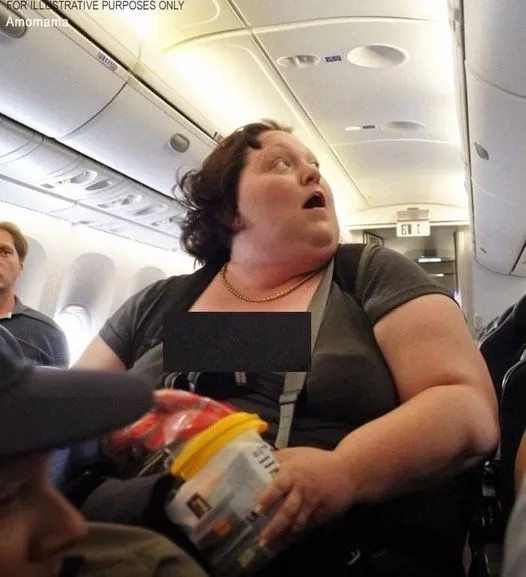
Weight Stigma in Air Travel: Why Respect Matters for Every Passenger
Air travel can be stressful for almost anyone. Passengers may be dealing with tight schedules, long security lines, delayed departures, unfamiliar airports, and the physical discomfort of sitting in a confined space for hours. These pressures can make people impatient, but they never justify humiliating another traveler because of their body size, appearance, clothing, disability, age, or perceived social status.
Weight stigma in air travel is a real social issue. It can take the form of mocking comments, unwanted attention, assumptions about a person’s health, or complaints made within earshot of the person being targeted. Although some airlines face genuine operational questions about seating, comfort, and accessibility, those concerns should be handled through respectful policies and trained staff—not through public shaming by other passengers.
A respectful flight environment benefits everyone. It helps passengers feel safer, supports cabin crew in doing their jobs, and recognizes a basic fact: every person deserves dignity in public spaces.
Why Body-Shaming Has No Place on an Airplane
Body-shaming is not harmless humor. Comments about someone’s weight or body can cause embarrassment, anxiety, and emotional distress, particularly in a setting where the person cannot easily leave. On an aircraft, passengers are seated close together and must remain there for much of the journey. This makes personal insults especially intrusive.
Public-health organizations and medical experts have repeatedly warned that weight stigma can have harmful consequences. The World Health Organization has recognized that stigma and discrimination can affect wellbeing and may create barriers to appropriate health care. Medical research has also associated weight-based discrimination with stress, reduced self-esteem, and avoidance of health services. These effects do not encourage healthier behavior; in many cases, they make it harder for people to seek support.
It is also inaccurate to assume that a person’s body size reveals their eating habits, medical history, income, mobility, or character. Weight can be influenced by many factors, including genetics, metabolism, medications, hormonal conditions, sleep, mental health, disability, social circumstances, and access to health care. A stranger on a flight does not know another passenger’s circumstances and is not entitled to speculate about them.
Respectful behavior begins with recognizing that a person is more than their appearance. Travelers should not have to prove their worthiness of basic courtesy because they are famous, successful, wealthy, conventionally attractive, or known to other passengers. Dignity is not something that must be earned.
Air Travel, Seat Size, and Passenger Comfort
Conversations about comfort on planes are legitimate. Many travelers, across a wide range of body types, find modern airline seating restrictive. Seat pitch, which is the distance between a point on one seat and the same point on the seat in front, can affect legroom and overall comfort. Seat width also varies by airline, aircraft model, cabin class, and route.
However, discomfort should not be turned into a personal attack against the passenger sitting nearby. Airlines set cabin layouts, determine seat dimensions, establish booking systems, and create policies for accommodation. When a seating issue arises, cabin crew are generally the appropriate people to approach quietly and politely.
A passenger who feels cramped can ask a flight attendant whether another seat is available, whether the flight has open rows, or whether there are other practical options. The request should focus on the situation rather than criticizing another person. For example, “Could you let me know whether there is another available seat?” is respectful. A comment about another traveler’s body is not.
Airlines may have policies concerning additional seats or seating accommodations, but these policies differ substantially. Travelers who believe they may need extra space are often encouraged to contact an airline before booking or before departure to understand its current rules. Clear, humane policies are important because they reduce uncertainty for passengers and give staff a consistent way to handle concerns.
The Important Role of Flight Attendants
Flight attendants are responsible for far more than serving food and drinks. Their primary role includes passenger safety, emergency preparedness, communication, and cabin management. They are also often the first people asked to help when conflicts occur between travelers.
Cabin crew should be able to address harassment, intimidation, and disruptive conduct without being placed in an unnecessarily difficult position. Passengers can support them by speaking calmly, following instructions, and avoiding confrontations. If someone experiences insulting or discriminatory behavior, they can notify a flight attendant privately when possible.
Professionalism matters on both sides. A well-trained crew can de-escalate tension, look for seating alternatives when available, and remind passengers of expected standards of conduct. At the same time, no crew member can guarantee a perfect solution on a full flight. Patience and basic courtesy remain essential.
Airlines also have a broader responsibility to foster an inclusive travel experience. This includes accessible booking information, clear seating policies, effective staff training, and procedures that allow passengers to raise concerns without humiliation. Accessibility should be considered as part of service design, not as an afterthought.
Challenging Assumptions About Health and Appearance
One of the most damaging aspects of weight stigma is the assumption that body size is a simple measure of personal responsibility or health. Medical professionals emphasize that health is complex. A person’s appearance alone cannot provide a full or reliable picture of their physical or mental wellbeing.
Using body size as a reason to insult someone is therefore both disrespectful and scientifically simplistic. It reduces a complex human being to a stereotype. It may also reinforce the mistaken belief that cruelty is an acceptable way to address health-related concerns. Experts generally agree that compassionate, evidence-based support is more constructive than blame or ridicule.
Language matters. Terms used to mock a person’s body can be degrading and can normalize discrimination in public settings. Even remarks presented as jokes can cause harm when they rely on stereotypes. A more thoughtful approach is to avoid commenting on another person’s body altogether unless there is a clear, necessary, and welcome reason to do so.
This principle applies beyond aviation. Public transportation, restaurants, workplaces, schools, health-care settings, and online spaces all benefit when people reject casual body-shaming. Social norms change when bystanders choose not to laugh at insults, when organizations enforce respectful conduct, and when individuals speak up safely against discriminatory behavior.
How Passengers Can Handle Seating Concerns Respectfully
Travelers may occasionally encounter an uncomfortable seating situation. The best response is practical, private, and respectful. The following steps can help:
- Speak to a flight attendant instead of confronting another passenger.
- Describe your own comfort needs without making personal comments about someone else.
- Ask whether empty seats, alternative arrangements, or a later reseating opportunity may be available.
- Remain calm if the flight is full and no immediate change is possible.
- Avoid photographing, recording, mocking, or posting about another passenger online.
- Remember that fellow travelers may have invisible health conditions, disabilities, grief, anxiety, or other personal circumstances.
These steps are not only kinder; they are more likely to produce a useful outcome. An aggressive complaint can escalate a situation, distract crew members from safety duties, and create distress for everyone nearby. A respectful request gives airline staff the best chance to help.
The Broader Need for Inclusive Air Travel
The discussion around passenger comfort should include the needs of people of different sizes, ages, and physical abilities. As aviation continues to connect communities around the world, airlines and regulators face ongoing questions about accessibility, customer service, and cabin design.
Advocates for travelers with disabilities and larger-bodied passengers have called for clearer standards and better accommodation practices. Their concerns are part of a larger conversation about whether transport systems are designed with a sufficiently diverse public in mind. The goal is not to pit one group of passengers against another. It is to recognize that airline design, policies, and customer service can reduce avoidable conflict.
There are practical limits in aviation, including aircraft configuration, safety regulations, cost pressures, and available space. Still, respectful planning can make a meaningful difference. Airlines can publish transparent information about seat dimensions, offer straightforward ways to discuss accommodations before travel, and train staff to handle sensitive conversations with discretion.
Passengers also have a role in creating a better travel culture. Small choices—using considerate language, respecting personal boundaries, and refusing to judge strangers—can improve an experience that is often stressful for everyone involved.
Respect Is Not Dependent on Status
Stories about a person being treated kindly only after others discover they are a celebrity or accomplished professional can highlight an uncomfortable truth: people are sometimes judged differently based on perceived status. Yet respect should not depend on whether someone is an artist, executive, athlete, volunteer, or public figure.
Every passenger has the same right to be treated with basic decency. A person should not need public recognition to be protected from ridicule. The more meaningful lesson is not that people should avoid insulting someone because that person might be important. It is that no one should be insulted in the first place.
Empathy is particularly valuable in travel settings. The person sitting nearby may be traveling for work, medical care, a family emergency, a celebration, or a quiet holiday. Their story is usually unknown. Choosing courtesy over assumption is a simple but powerful way to acknowledge their humanity.
Conclusion: A Better Standard for Passengers and Airlines
Air travel will never be completely free of inconvenience. Flights can be crowded, seats can feel small, and delays can test anyone’s patience. But inconvenience does not excuse cruelty. Weight stigma, body-shaming, and personal insults make travel harder for the people targeted and create a more hostile cabin for everyone else.
A better standard is possible: address practical concerns through airline staff, avoid assumptions about health or personal circumstances, and treat every passenger with dignity. Airlines can support this standard through clear policies, accessible information, and respectful service. Travelers can support it by remembering that comfort should never come at the expense of another person’s humanity.
Sources
Disclaimer: This content is intended for entertainment purposes only and is not based on real events.