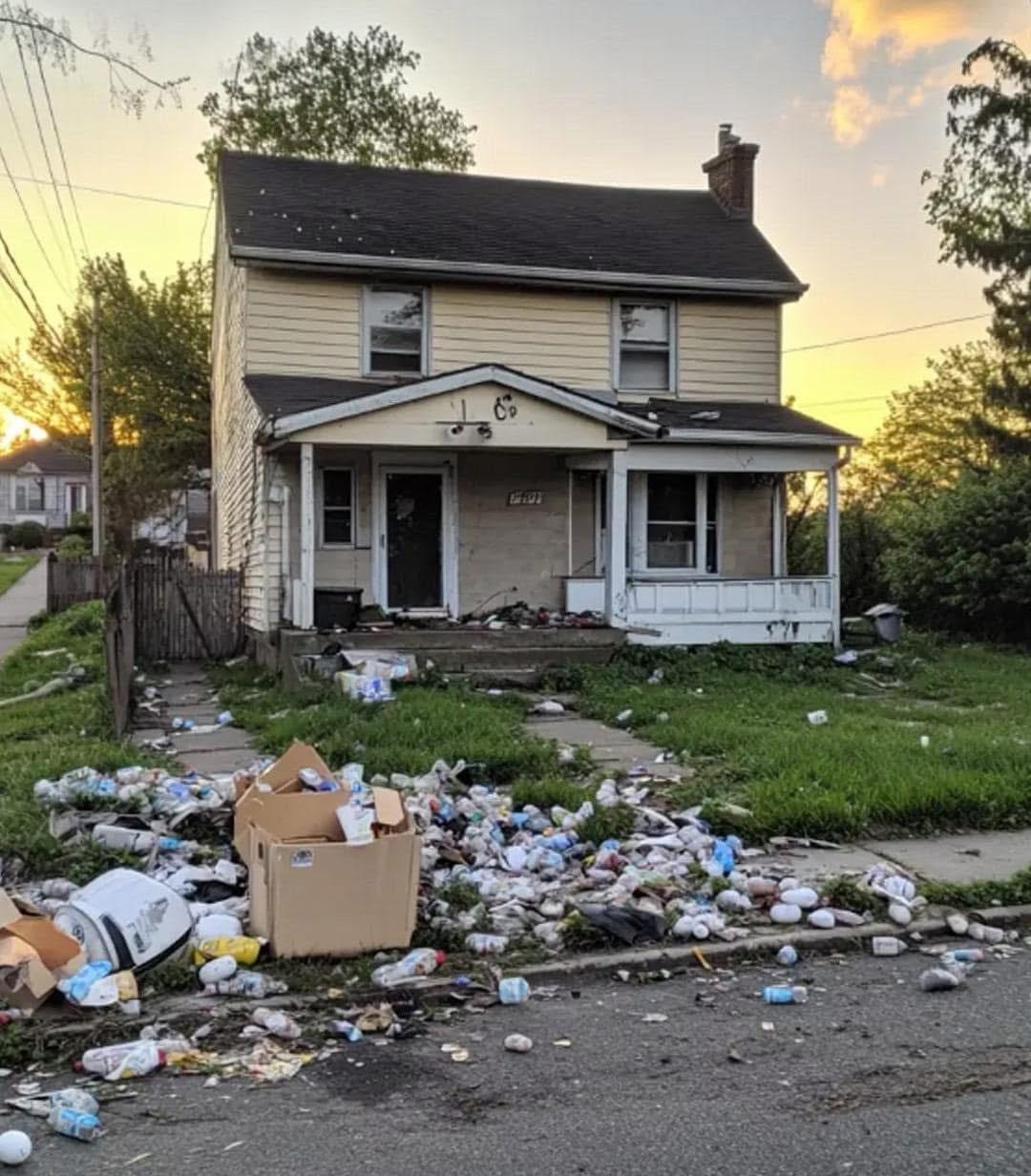
Hurricane Preparedness and Community Support: Lessons From a Fictional Storm Scenario
Slug: hurricane-preparedness-community-support
A fictional premise about an older man living alone, a teenager seeking help, and an approaching hurricane can highlight real concerns that communities face during severe weather. Hurricanes and tropical storms can disrupt power, transportation, communications, health care, and access to essential supplies. For older adults, teenagers, people with disabilities, and residents who live alone, these disruptions may create additional challenges.
While the characters and events in the original scenario are fictional, the underlying themes are relevant: isolation, neighborhood trust, emergency planning, and the importance of checking on others before dangerous weather arrives. Public safety agencies consistently advise households to prepare early, follow local official instructions, and maintain contact with family members, friends, and nearby neighbors.
This guide explains how hurricane readiness, communication planning, and community support can help people respond safely and responsibly when a major storm threatens an area.
Why Hurricanes Require Early Planning
Hurricanes are large tropical weather systems that can bring heavy rainfall, strong winds, storm surge, flooding, and tornadoes. Their effects can extend far beyond the coastline, meaning inland communities may also experience dangerous conditions. The National Hurricane Center and local emergency management offices issue watches, warnings, forecasts, and evacuation guidance to help the public make informed decisions.
A hurricane watch generally means that hurricane conditions are possible in a specified area, while a hurricane warning means such conditions are expected. Exact definitions and local instructions should always be confirmed through official weather services and emergency authorities. People should not rely on rumors, social-media speculation, or outdated forecasts when deciding whether to evacuate or shelter in place.
Preparing before conditions worsen is essential. Roads can become congested, stores may run low on supplies, and power outages can limit access to information. A calm, organized plan made in advance is often more useful than last-minute decisions during an emergency.
Older Adults May Face Additional Hurricane Risks
Older adults are not a single, uniform group, but some may have circumstances that make disaster preparation more complicated. Mobility limitations, chronic health conditions, dependence on electrical medical equipment, medication needs, limited transportation, or social isolation can all affect emergency planning. These concerns deserve practical attention without making assumptions about any individual’s ability or independence.
For a person who lives alone, a severe storm can make ordinary tasks more difficult. Reaching a shelter, obtaining food and water, charging a phone, or communicating with relatives may become challenging if public services are disrupted. The U.S. Centers for Disease Control and Prevention recommends that people who need assistance create a support network before an emergency and share their plans with trusted contacts.
A support network may include relatives, friends, neighbors, caregivers, faith-community members, or local service providers. The goal is simple: more than one person should know how to reach the individual, understand any important needs, and know what to do if communication becomes difficult.
Medication and Health Planning
People who take prescription medication should discuss emergency refill options and medication storage with their pharmacist or health care provider well before a storm arrives. It can also be helpful to keep an updated list of prescriptions, allergies, medical conditions, doctors’ contact information, and insurance details in a waterproof container or secure digital format.
Anyone who uses oxygen, dialysis, refrigerated medicines, mobility equipment, or electrically powered medical devices should ask health care providers and local emergency agencies about a personalized emergency plan. Local authorities may maintain registries or offer guidance for residents with functional or medical needs, although availability differs by location.
Teenagers and Young People Can Be Part of Preparedness Efforts
Teenagers can play a constructive role in household and neighborhood preparedness. They may help locate official weather updates, charge devices, gather supplies, check in with relatives, and assist with communication plans. However, young people should not be expected to manage dangerous tasks or enter unsafe conditions. Adult supervision and official guidance remain important.
A family emergency plan should ensure that every household member knows where to go, how to contact others, and what to do if separated. Teenagers should understand the difference between a weather watch and warning, know where emergency supplies are stored, and be aware of the family’s evacuation route or sheltering plan.
Schools, youth organizations, and community groups can also support preparedness education. Clear, age-appropriate information helps young people recognize why planning matters and encourages responsible decisions during stressful circumstances.
Building a Household Hurricane Emergency Kit
Emergency agencies commonly recommend maintaining a basic disaster supply kit. The precise contents will vary by household size, location, medical needs, pets, and expected weather risks. The Federal Emergency Management Agency advises households to plan for several days of self-sufficiency, particularly if roads, stores, or public services are affected.
A practical hurricane kit may include:
- Drinking water and nonperishable food suitable for each household member.
- Prescription medications and copies of important medical information.
- Flashlights, extra batteries, and a battery-powered or hand-crank radio.
- A first-aid kit and basic hygiene supplies.
- Phone chargers and backup power banks.
- Cash in small denominations, if possible, because electronic payment systems may be unavailable.
- Copies of identification, insurance documents, and emergency contacts stored securely.
- Supplies for infants, older adults, pets, or people with specific dietary and medical needs.
- Face coverings, hand sanitizer, and cleaning supplies when appropriate for household circumstances.
Supplies should be checked periodically. Food expires, batteries lose charge, and personal needs change over time. Keeping the kit in a known, accessible location can make a significant difference when a warning is issued.
Evacuation Decisions and Shelter-in-Place Safety
If local authorities issue an evacuation order, residents should follow it promptly. Evacuation orders are based on forecasts, local geography, flood risk, infrastructure conditions, and public safety assessments. No private basement, home, or building should be assumed to be safe from every hazard. Flooding, structural damage, loss of utilities, and blocked escape routes can create risks even in familiar surroundings.
Before leaving, households should secure important documents, bring emergency supplies and medications, inform a trusted contact of their destination, and use routes identified by local officials. Drivers should avoid flooded roads. The National Weather Service emphasizes the safety message “Turn Around, Don’t Drown” because floodwaters can be deeper or faster-moving than they appear.
If officials advise residents to remain at home, people should stay indoors and away from windows during dangerous winds. They should monitor trusted local alerts through a battery-powered radio, official government websites, or verified emergency notifications. Entering floodwater, driving through standing water, or going outside during a temporary lull can be hazardous.
Communication Is a Critical Part of Hurricane Preparedness
One of the most important parts of emergency planning is deciding how people will communicate. A household should choose an out-of-area contact person who can receive updates from different family members. During a local emergency, long-distance calls or text messages may work when local phone networks are overloaded.
Text messages can use less network capacity than voice calls. Families should also write down key phone numbers, since digital contact lists may not be accessible if a device loses power. Emergency alerts should come from official sources, including local government agencies, the National Weather Service, and trusted broadcast outlets.
For neighbors, a simple check-in arrangement can be valuable. This does not mean placing anyone in danger or intruding on someone’s privacy. It means agreeing in advance to make reasonable contact before and after a storm, particularly with people who may need extra help. A phone call, text message, or brief doorstep conversation before conditions deteriorate can identify practical needs early.
Reducing Isolation Through Responsible Community Support
Severe weather can reveal how connected a community really is. People living alone may prefer independence, yet independence and community support are not opposites. Respectful assistance recognizes personal choices while offering practical help when it is wanted and safe to provide.
Neighbors can prepare by exchanging contact information, asking whether someone has transportation, and learning about local shelters or emergency assistance programs. Community organizations can distribute reliable preparedness information and help residents identify official resources. These efforts are particularly useful before hurricane season, when planning can happen without immediate pressure.
It is equally important to respect boundaries. No one should enter another person’s home without permission except where emergency responders have legal authority or there is an immediate life-threatening concern. In a storm, people should avoid unnecessary travel and should never attempt rescues beyond their training or capability. Emergency services should be contacted when a situation requires professional assistance.
Reliable Information Helps Prevent Confusion
During emergencies, misinformation can spread quickly. Unverified claims about storm tracks, shelter availability, road closures, fuel supplies, or government actions may cause unnecessary fear and poor decisions. The best approach is to consult official sources regularly and confirm the date and location of any information shared online.
Residents should follow updates from local emergency management agencies, the National Hurricane Center, the National Weather Service, and municipal authorities. News organizations can provide useful reporting, but official alerts should guide immediate safety decisions. People should also be cautious about sharing personal information or donating money through unfamiliar online links during disasters, as scams may occur.
Preparing for Recovery After the Storm
Hurricane preparedness does not end when winds and rain begin to fade. After a storm, residents should wait for official confirmation that it is safe to travel or return home. Downed power lines, damaged buildings, contaminated water, unstable trees, and flooded roads can remain dangerous.
People should document property damage for insurance purposes when it is safe to do so and contact insurers through verified channels. If power is out, food safety guidance from public health authorities can help households decide what to keep or discard. Generators should only be used outdoors and away from doors, windows, and vents to reduce the risk of carbon monoxide poisoning.
Emotional recovery also matters. Disasters can be stressful, especially for children, older adults, and people who have experienced previous emergencies. Staying connected with trusted people, maintaining routines where possible, and seeking professional support when needed can help individuals cope. Local governments and relief organizations may offer recovery resources, temporary assistance, and referrals following a major storm.
Key Takeaway: Preparation and Connection Save Time and Reduce Risk
The fictional image of two people facing an approaching hurricane points to a real lesson: emergency readiness is not only about supplies. It is also about communication, accurate information, transportation, health needs, and supportive relationships. A well-stocked kit matters, but so does knowing who to call, where to go, and how to check on others safely.
Before hurricane season or any forecasted severe weather event, households should review their plans, update emergency contacts, prepare essential supplies, and follow guidance from local officials. By combining personal preparedness with respectful community awareness, families and neighbors can be better equipped to handle uncertainty and support one another responsibly.
Sources
- National Oceanic and Atmospheric Administration: Hurricane Preparedness
- National Hurricane Center: Hurricane Preparedness
- Ready.gov and FEMA: Hurricane Safety and Preparedness
- Centers for Disease Control and Prevention: Hurricanes
- National Weather Service: Turn Around, Don’t Drown
- American Red Cross: Hurricane Preparedness
Disclaimer: This content is intended for entertainment purposes only and is not based on real events.