Food Kept Disappearing From Christine’s Home: A Household Privacy and Spare Key Dispute
A household dispute involving missing food, unexpected access to a home, and strained family boundaries has highlighted a question many couples eventually face: who should be trusted with a spare key?
In the account provided, Christine noticed food repeatedly disappearing from her home. The missing items reportedly included ordinary meals, chocolates, and higher-cost treats such as caviar and wine. At first, the situation appeared difficult to explain. Her husband, Samuel, denied taking the food, leaving Christine unsure whether the problem was a misunderstanding, forgotten purchases, or someone entering their home without permission.
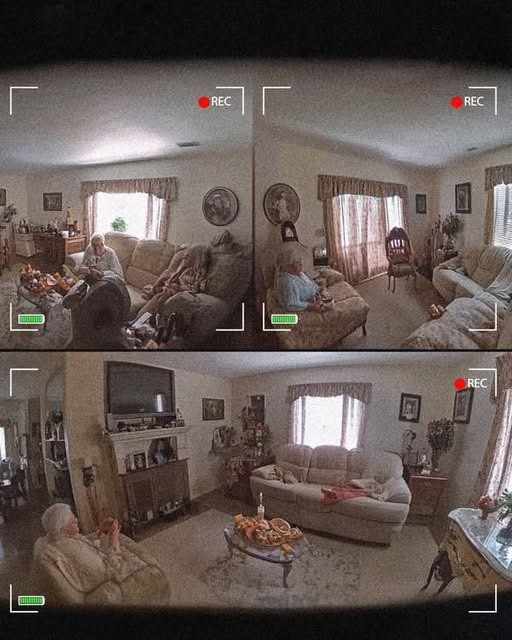
Christine later used a camera inside the home in an effort to understand what was happening. According to the account, the person entering the property was Samuel’s mother, Pamela, who allegedly had access to a copy of the couple’s key. The story also describes concerns about personal privacy after Christine said Pamela had gone through clothing and other private belongings.
Although the details of this personal account cannot be independently verified, the underlying issues are familiar: home access, consent, family expectations, privacy, and the practical importance of secure key management. These concerns can affect couples of all ages, particularly when relatives live nearby, provide occasional help, or have been given keys for emergencies.
Why Spare Keys Can Create Unexpected Family Conflict
A spare house key is often given for sensible reasons. A close relative may be asked to help during a medical emergency, collect mail while a family is travelling, feed pets, water plants, or provide access if someone is locked out. In many households, sharing a key is viewed as an act of trust and care rather than a serious security decision.
However, a key also provides access to a private space. A person may consider an unannounced visit harmless, while the homeowner may view it as an intrusion. The disagreement can become more serious when access is used without prior permission, when personal possessions are moved or used, or when one member of a couple does not know who has a copy of the key.
The central problem is not always the key itself. It is often the absence of shared expectations. One family may operate with an open-door culture in which relatives come and go freely. Another may place a high value on notice, independence, and privacy. Neither approach is automatically wrong, but conflict is likely when expectations are not clearly discussed and respected.
For couples, the issue can be especially sensitive because a shared home requires joint decisions. If one partner gives a key to a relative without fully discussing it with the other, the other partner may feel excluded from an important decision about safety and privacy. Clear communication before keys are distributed can prevent resentment later.
The Importance of Consent and Personal Privacy at Home
A home is more than a place where people sleep and store belongings. It is a private environment where individuals expect to make personal choices without being monitored, judged, or interrupted. This expectation applies to cupboards, wardrobes, bedrooms, paperwork, digital devices, and personal items.
In the account involving Christine and Pamela, the alleged access to food was only part of the concern. The more significant issue was the reported entry into the home without clear consent and the handling of private belongings. Even within close families, looking through another adult’s possessions can damage trust.
Respecting privacy does not mean family members cannot help each other. It means help should be offered and accepted on agreed terms. A relative who has a key for emergencies may still need to call or message before entering, except in a genuine urgent situation. Likewise, homeowners can make arrangements for practical support while setting limits on access to certain rooms, cabinets, documents, or personal belongings.
Healthy boundaries are not intended to punish relatives or exclude them from family life. Instead, they clarify what respectful involvement looks like. A boundary might be as simple as: “Please contact us before visiting,” or “This key is for emergencies and pet care when we are away.” When stated calmly and consistently, such rules can protect both relationships and peace of mind.
How Couples Can Respond When Unauthorized Access Is Suspected
When someone believes another person may be entering their home without permission, it is important to avoid jumping immediately to conclusions. Missing food or misplaced items can have many explanations, including memory lapses, shared household purchases, visitors, or mistakes in tracking supplies. A calm, evidence-based approach is usually more effective than an accusation.
Keeping a simple record of incidents can help identify a pattern. Homeowners may note dates, items that appear to be missing, and whether anyone else had legitimate access. Reviewing who has keys, alarm codes, garage remotes, or smart-lock permissions is also a useful first step.
If a camera is considered, it should be used responsibly and in accordance with applicable laws. Cameras are generally most appropriate in shared entry areas or exterior spaces, not in bathrooms, bedrooms used by guests, or other areas where people reasonably expect a high degree of privacy. Local laws can differ, especially regarding audio recording, so homeowners should review relevant rules before installing recording equipment.
Once there is a reasonable basis for concern, the next step is usually a direct conversation. It can help for both partners to discuss the matter privately first and agree on the facts, the desired boundary, and the tone they want to use. Presenting a united position is often important when the person involved is a relative of one partner.
A constructive conversation may include several elements:
- A clear description of what has been noticed or discovered.
- A statement about how the situation has affected the household.
- A specific rule for future access.
- An explanation of what will happen if the rule is not followed.
- An opportunity for the other person to respond without turning the discussion into personal insults.
For example, a couple might say that they appreciate a relative’s willingness to help but need all visits to be arranged in advance. If the key was intended only for emergencies, they can state that clearly and define what they consider an emergency.
Changing Locks and Reviewing Home Security
If a key has been copied, lost, shared without permission, or used in a way that causes concern, changing or rekeying locks can be a reasonable practical response. Rekeying allows a locksmith to change the internal configuration of an existing lock so that old keys no longer work. Replacing the lock entirely may be appropriate when the hardware is worn, damaged, outdated, or no longer meets the household’s security needs.
Homeowners can also review other entry points. Garage door remotes, building fobs, smart-lock access codes, alarm credentials, mailbox keys, and spare keys hidden outdoors should all be considered. Digital access deserves particular attention because old codes or app permissions may remain active long after a family arrangement has changed.
Security professionals commonly advise people to know exactly who has access to their home. That does not require mistrust of every friend or relative. It simply means treating keys and access codes as important household information. A written list can be useful, especially for couples who have moved, changed roommates, hired service providers, or previously relied on family members for help.
Smart locks can offer additional convenience, such as temporary codes for visitors or service workers. Yet they also require careful management. Users should choose strong account passwords, enable multi-factor authentication where available, regularly review access logs, and remove temporary codes when they are no longer needed. Technology can support security, but it does not replace clear communication and sensible boundaries.
Family Dynamics: Why These Disputes Can Feel So Personal
Conflicts involving in-laws or close relatives can be emotionally difficult because they touch on long-standing family roles. A parent may struggle to adjust when an adult child forms a separate household. A couple may feel pressure to preserve harmony even when their privacy has been compromised. The relative at the centre of the disagreement may feel rejected, embarrassed, or defensive.
These emotions do not erase the need for boundaries. They do, however, explain why a practical issue such as a spare key can quickly become a wider argument about loyalty, respect, independence, and family belonging.
Relationship experts often emphasize that couples benefit from discussing family boundaries before a conflict develops. Topics can include how often relatives visit, whether they need to call ahead, what information is shared with parents, how holidays are managed, and who has access to the home. Agreements do not need to be rigid, but they should be understood by both partners.
When a disagreement has already occurred, using respectful language can make it more likely that the relationship will recover. Statements focused on personal needs are generally more constructive than broad accusations. Saying, “We need advance notice before anyone enters our home,” is more likely to produce a useful outcome than making sweeping judgments about another person’s character.
In some cases, a neutral third party may help. Family counselling or couples counselling can provide a structured setting for conversations that have become repetitive or emotionally charged. This can be particularly useful when one partner feels caught between a spouse and a parent.
Lessons From the Christine and Pamela Account
The reported experience of Christine, Samuel, and Pamela illustrates why access to a home should never be treated casually. Whether the issue involves missing food, unannounced visits, private belongings, or an emergency key used outside its intended purpose, the same core principles apply.
First, couples should make joint decisions about who receives keys and access codes. Second, every person with access should understand the purpose of that access. Third, family relationships do not remove the need for consent. Finally, when trust has been damaged, practical security measures such as rekeying locks may be necessary alongside an honest conversation.
Changing locks does not have to mean ending a family relationship. It can be a straightforward way to reset expectations and ensure that future visits occur by invitation. Likewise, asking for keys to be returned is not inherently hostile. It is a reasonable request when homeowners want to regain control over access to their property.
Ultimately, a secure and comfortable home depends on more than locks. It depends on mutual respect. Relatives can remain supportive and involved while recognizing that adult couples have the right to decide who enters their home, when visits take place, and how their personal space is treated.
Sources
Disclaimer: This content is intended for entertainment purposes only and is not based on real events.