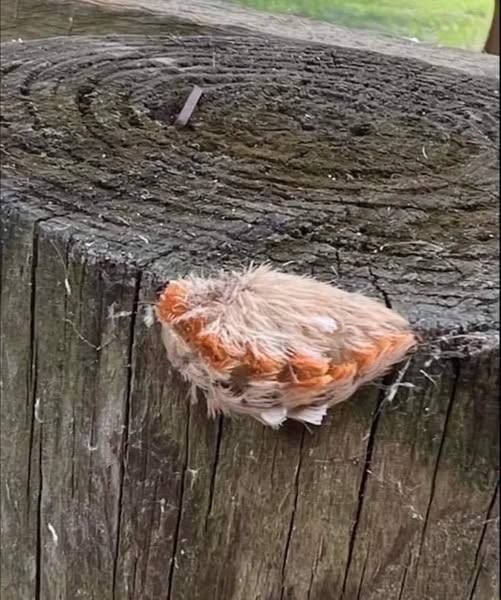
Puss Caterpillar Safety: Why You Should Never Touch a Furry Caterpillar
Time outdoors gives children and adults valuable opportunities to explore parks, gardens, and wooded areas. Most insects and other wildlife encountered in these settings are harmless when left alone. However, a small number of species can cause painful reactions if handled, including the puss caterpillar, a furry-looking larva found in parts of the southeastern United States.
A widely shared 2014 report from Gwinnett County, Georgia, described a mother, Leslie Howe, noticing a small, unusual “fur ball” near a playground while she was with her children. Her decision to keep her family away from it was a sensible precaution. The animal was identified as a puss caterpillar, whose soft-looking exterior can conceal venom-delivering spines.
The story continues to circulate because it highlights an important outdoor-safety lesson: children should be taught not to touch unfamiliar caterpillars, insects, spiders, mushrooms, or plants. Appearance alone is not a reliable guide to whether a wild organism is safe to handle.
What Is a Puss Caterpillar?
The puss caterpillar is the larval stage of the southern flannel moth, scientifically known as Megalopyge opercularis. It is sometimes called an asp caterpillar. The larva is especially recognizable for its dense coat of long, silky hairs, which may be tan, gray, brown, orange, or cream-colored. Depending on its stage of development, it is commonly around 1 inch long, though its thick fur can make it look larger.
Its name comes from its cat-like, fur-covered appearance. This appearance is misleading. Beneath the visible hairs are short, stiff venomous spines. When the caterpillar is pressed against skin, these spines can break or become embedded and release venom. The resulting reaction is known medically as erucism, a term used for health effects caused by contact with caterpillars.
Puss caterpillars are most often associated with the southern and southeastern United States. Their range has historically included states from New Jersey south through Florida and west toward Texas. Reports can vary by year, weather conditions, habitat, and insect population cycles. People may encounter them on trees, shrubs, outdoor furniture, playground equipment, lawns, or the ground after they fall from vegetation.
Why the Puss Caterpillar’s Sting Can Be Painful
A puss caterpillar does not bite or chase people. Contact usually happens accidentally, such as when a person brushes against a tree branch, reaches into foliage, sits near one, or picks it up out of curiosity. Young children may be particularly vulnerable to accidental contact because the caterpillar’s fur can make it appear harmless or interesting.
According to poison-control and public-health guidance, the intensity of a caterpillar reaction varies. Some people experience a localized burning or stinging sensation, redness, itching, swelling, or a rash. Others may report more severe pain that can spread beyond the contact site. Nausea, headache, or general discomfort may also occur in some cases.
Virginia Tech insect specialist Eric Day has described his own accidental contact with a puss caterpillar while working outdoors. He reported an immediate burning sensation and an irritated skin area that remained noticeable for weeks. Such accounts help explain why entomologists and poison-control specialists advise people not to handle hairy caterpillars, even when they seem slow-moving and harmless.
It is important to put the risk in perspective. Serious outcomes are uncommon, but any venomous or irritating insect contact deserves attention. A person’s response can depend on the location of the sting, the amount of contact, their age, underlying health conditions, and whether they have a history of allergies. Children, older adults, and people with known severe allergies should be monitored carefully after a sting.
Symptoms After Contact With a Venomous Caterpillar
Symptoms can begin quickly after the skin touches the caterpillar’s concealed spines. The most common symptoms are localized and may include:
- Immediate burning, stinging, or sharp pain
- Redness, swelling, or a raised rash
- Itching or skin irritation
- Small marks where spines contacted the skin
- Tenderness that may last for hours or longer
Some symptoms require urgent medical assessment. Call emergency services immediately if a person has trouble breathing, swelling of the lips, tongue, face, or throat, widespread hives, fainting, severe dizziness, confusion, repeated vomiting, or other signs of a serious allergic reaction. These may indicate anaphylaxis, a rare but potentially life-threatening reaction that requires prompt treatment.
Even when symptoms are not immediately severe, families should contact a poison center or healthcare professional if pain is intense, symptoms continue to worsen, the sting affects the eye or mouth, or a child has significant swelling or distress. In the United States, Poison Control can be reached at 1-800-222-1222, and online guidance is available through Poison.org.
First Aid for a Puss Caterpillar Sting
Medical advice can differ based on a person’s symptoms and health history, but poison-control guidance generally emphasizes removing any remaining spines and cleaning the area. Avoid rubbing the skin, as this may push spines deeper into the skin or spread irritation.
If someone has touched a suspected puss caterpillar, consider these practical first-aid steps:
- Move away from the caterpillar. Prevent further contact and make sure children and pets stay away from the area.
- Do not rub or scratch the affected skin. Rubbing may worsen irritation.
- Use adhesive tape carefully. Press and lift tape over the affected area to help remove loose or embedded hairs and spines. Repeat with fresh tape if necessary.
- Wash gently with soap and water. This can help remove remaining irritants from the surface of the skin.
- Use a cool compress. A cool, damp cloth may help ease discomfort and swelling. Do not apply ice directly to bare skin.
- Seek expert advice. Contact Poison Control or a healthcare professional for individualized recommendations, especially if symptoms are substantial.
Over-the-counter treatments may be appropriate for some mild skin reactions, but people should follow the product label and seek professional advice when treating children or when symptoms are significant. The National Capital Poison Center notes that topical hydrocortisone may help itching in some cases. A clinician or poison specialist can advise whether additional pain relief or other treatment is appropriate.
How to Prevent Caterpillar Stings Outdoors
Prevention is the most effective strategy. Parents, caregivers, teachers, and outdoor recreation leaders can reduce the risk of accidental contact through simple habits. The most important rule is easy to remember: look, but do not touch.
Teach children that caterpillars are living animals, not toys. They should never pick up a caterpillar with bare hands, including one that appears fuzzy, colorful, slow-moving, or injured. If a child finds an unusual insect, an adult can take a photograph from a safe distance and consult a local extension service, park naturalist, or reliable insect-identification resource.
When gardening, trimming trees, collecting leaves, or working around shrubs, wear gloves and long sleeves. Check outdoor furniture, playground structures, and low branches before allowing children to climb or play nearby. Gardeners should also shake out gloves, shoes, towels, and clothing that have been left outdoors before using them.
Pets should be supervised as well. Curious dogs and cats may sniff, paw at, or mouth caterpillars. If a pet is suspected of contacting a venomous caterpillar, contact a veterinarian or animal poison resource promptly, particularly if there is swelling, drooling, vomiting, breathing difficulty, or unusual behavior.
Why Public Awareness Matters
Online warnings about unusual wildlife can be useful, but they should be shared responsibly. Viral posts sometimes exaggerate risks, misidentify species, or present old reports as new local emergencies. The most reliable approach is to verify claims through state extension services, public-health agencies, poison-control centers, and established news organizations.
The underlying message of the Georgia playground story remains sound: caution around unfamiliar wildlife is not alarmist. It is a practical part of outdoor education. The goal is not to create fear of insects or nature. Caterpillars play important ecological roles and eventually become moths or butterflies. Instead, the goal is to encourage respectful observation and informed decision-making.
For families, a balanced lesson can be especially helpful. Children can learn that many caterpillars are harmless, but it is impossible to know that safely without expertise. The safest choice is to admire insects from a distance, avoid handling them, and tell an adult if they see something unusual near a play area.
Key Takeaway: Admire Furry Caterpillars From a Distance
The puss caterpillar is a striking example of why wild animals should not be judged by appearance. Its soft, furry coat can conceal venomous spines capable of causing significant pain and skin irritation. Although serious reactions are unusual, prompt first aid and expert guidance are important after contact.
Whether at a playground, in a backyard, or on a hiking trail, the safest response to an unfamiliar furry caterpillar is simple: do not touch it. Keep children and pets away, observe from a distance, and contact Poison Control or a healthcare professional if a sting occurs or symptoms are concerning.
Sources
Disclaimer: This content is intended for entertainment purposes only and is not based on real events.