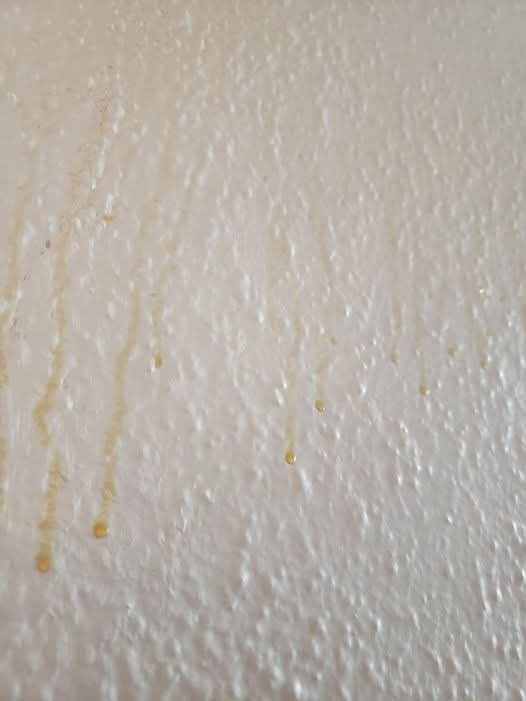
The Shocking Yellow Drips on Bathroom Walls: What You Need to Know
Yellow streaks or sticky-looking drips on bathroom walls can be alarming, especially when they appear after a hot shower. While many people immediately assume mold is the cause, yellow residue can come from several different sources, including nicotine contamination, condensation interacting with paint, hard-water deposits, cleaning-product buildup, or moisture-related microbial growth.
The important first step is not to panic, but to investigate carefully. Bathrooms are naturally humid spaces, and repeated moisture exposure can affect walls, ceilings, paint, grout, fixtures, and ventilation systems. Identifying the likely cause of yellow drips helps determine whether routine cleaning is enough or whether a leak, ventilation issue, or professional inspection is needed.
Why Bathrooms Are Prone to Moisture Problems
Bathrooms create ideal conditions for condensation. Hot showers release water vapor into the air, and that vapor settles on cooler surfaces such as painted walls, mirrors, ceilings, windows, and tiles. If the room has limited airflow, the moisture may remain for hours instead of drying quickly.
Over time, persistent humidity can contribute to peeling paint, staining, musty odors, mildew growth, and damage around caulk, grout, or drywall. The U.S. Environmental Protection Agency advises controlling indoor moisture as the central strategy for preventing mold growth. In practical terms, that means using a properly vented exhaust fan, opening a window when conditions allow, repairing plumbing leaks promptly, and drying wet surfaces.
Not every yellow mark indicates a health concern. However, stains that return quickly, expand, occur near a plumbing fixture, or are accompanied by a persistent damp or musty smell deserve closer attention. Those signs can point to an ongoing moisture source rather than a one-time surface issue.
What Yellow Drips on Bathroom Walls May Be
Yellow bathroom-wall drips are sometimes described as “yellow slime” or “yellow gunk,” but their appearance alone does not provide a reliable diagnosis. Several common explanations are possible, and more than one may be contributing at the same time.
Condensation and Surfactant Leaching From Paint
One frequently reported explanation for yellow or amber drips on recently painted bathroom walls is surfactant leaching. Surfactants are ingredients used in many water-based latex paints to help pigments and other components blend evenly. In rooms with high humidity, condensation can draw some of these water-soluble materials to the paint surface.
The residue may look yellowish, brownish, sticky, or glossy, and it can form drips after warm showers. This is most likely to occur when fresh paint has not fully cured, when ventilation is inadequate, or when moisture repeatedly collects on the wall. It is generally a paint-performance issue rather than mold, although moisture control is still essential.
Washing the affected area gently with warm water and a mild household cleaner may remove the residue. Avoid aggressive scrubbing, which can damage the paint finish. If staining continues after the bathroom’s humidity is addressed, consult the paint manufacturer’s care guidance or a qualified painter.
Nicotine or Tobacco Smoke Residue
In homes where tobacco products have been used indoors, smoke residue can remain on painted surfaces long after smoking stops. This residue may be invisible under normal conditions, but humidity and condensation can cause it to soften and run down walls in yellow or brown streaks. The effect is sometimes called “thirdhand smoke” residue, referring to contaminants that remain on indoor surfaces after smoke clears.
A bathroom’s steam can make old residue more visible, particularly on ceilings and upper walls. Cleaning may reduce surface staining, but severe contamination can require thorough washing, a stain-blocking primer, and repainting. If there are children, older adults, or people with respiratory conditions in the home, reducing exposure to tobacco smoke residues is an important part of maintaining indoor air quality.
Hard Water, Soap Scum, and Product Buildup
Yellowish marks near a shower, sink, or bathtub may be caused by minerals in water combined with soap, body oils, or personal-care products. Hard water contains higher levels of dissolved minerals, commonly calcium and magnesium. As water evaporates, minerals can remain on surfaces and form deposits.
Soap scum is more common on tile, glass, fixtures, and shower walls than on painted drywall, but splashing water and aerosolized products can leave residue beyond the immediate bathing area. Depending on the minerals, lighting, paint color, and products used, the buildup can appear off-white, tan, yellow, or orange.
Regular cleaning with a bathroom cleaner designed for mineral buildup can help. Always follow the product label, test cleaners in a small inconspicuous area, and never mix cleaning products. In particular, bleach should never be mixed with ammonia, acids, vinegar, or other cleaners because dangerous fumes can result.
Mold or Mildew Growth
Mold is a broad term for fungi that grow where moisture and suitable organic material are available. It may appear in many colors, including black, green, white, gray, brown, orange, or yellow. Color alone cannot identify a mold type or determine whether it poses a particular health risk.
According to the CDC and EPA, indoor mold growth should be addressed by removing the moisture source and cleaning or removing affected materials as appropriate. Mold can irritate the eyes, skin, nose, throat, and lungs in some people, particularly those with allergies, asthma, or other respiratory sensitivities. The health effects vary by individual, and there is no need to identify the species before taking sensible moisture-control and cleanup steps.
Small areas of mold on hard, nonporous surfaces can often be cleaned using detergent and water, followed by complete drying. Porous materials such as water-damaged drywall, ceiling tiles, carpet, or insulation may need replacement if mold growth is extensive. A qualified remediation professional may be appropriate when contamination is large, repeatedly returns, follows major water damage, or involves hidden building materials.

Water Stains From a Leak
Yellow or brown drips can also be evidence of water intrusion. A leaking pipe, failed shower seal, overflowing fixture, roof leak, or water from an adjacent room can move through ceilings or walls and leave discolored marks. These stains often have irregular edges and may be accompanied by bubbling paint, soft drywall, cracking, or a damp feeling.
Unlike ordinary surface condensation, a plumbing leak can worsen behind the wall where it is not immediately visible. If discoloration appears near pipes, below an upstairs bathroom, around a vent, or after using a specific fixture, it is wise to investigate quickly. A plumber, building maintenance professional, or qualified contractor can help identify the source before cosmetic repairs are made.
How to Tell Which Cause Is Most Likely
Start by observing when and where the drips appear. If they develop mainly after showers and are concentrated on painted walls or ceilings, condensation-related paint residue or old smoke contamination may be likely. If the marks sit around faucets, shower doors, tile edges, or areas exposed to splashing water, hard-water buildup or soap residue is more plausible.
Look for other clues. A musty odor, fuzzy or speckled growth, damaged caulk, or recurring spots in corners may indicate a moisture problem that supports mold growth. Soft drywall, bubbling paint, a circular stain, or discoloration that grows even when the bathroom is not in use can suggest a hidden leak.
It is not generally necessary to buy a home mold test kit to make initial decisions. The EPA notes that standards for acceptable mold levels have not been established, and visible mold or persistent dampness already indicates that moisture should be controlled. The practical priority is to correct the water problem and clean or repair affected materials safely.
Safe Steps for Cleaning Yellow Bathroom Stains
Before cleaning, improve ventilation by opening a window or running an exhaust fan that vents outdoors. Wear household gloves to protect your skin, and consider eye protection if you are working overhead or using a spray product. Read and follow all product labels carefully.
For Paint Residue or Light Surface Film
Use a soft cloth or sponge with warm water and a small amount of mild dish detergent. Wipe gently, then rinse the cloth and remove any remaining cleaner. Dry the wall with a clean towel. This approach is often suitable for condensation-related residue and light buildup without harming the paint.
For Hard-Water or Soap Deposits
Use a commercially prepared bathroom cleaner that is suitable for the surface being treated. Products designed for limescale or mineral deposits can be effective on tile, glass, and fixtures, but some may not be appropriate for natural stone, certain metals, or painted walls. Follow the directions precisely and rinse surfaces where required.
For Suspected Mold on Hard Surfaces
For a small amount of visible mold on a hard surface, scrub with detergent and water, then dry the area fully. The CDC emphasizes that drying the area and resolving the source of moisture are as important as cleaning. Bleach is not required for routine mold cleanup on many surfaces, and it should not be mixed with any other cleaning chemical.
If drywall is wet, crumbling, or repeatedly develops discoloration, cleaning the surface alone may not solve the problem. The material may need repair or replacement after the source of water has been corrected.
When to Call a Professional
Professional help is worth considering when yellow stains keep returning despite cleaning and improved ventilation, when there is evidence of a concealed leak, or when water damage has affected a substantial area. The EPA suggests seeking professional guidance for larger mold problems, especially when the affected area is extensive or when heating and air-conditioning systems may be involved.
Renters should document the issue with dated photographs and notify their landlord or property manager in writing. Homeowners may need a plumber for leaks, an electrician or ventilation specialist for an ineffective fan, and a qualified contractor for damaged drywall or paint. Addressing the underlying cause first prevents repeated repairs and unnecessary repainting.
Preventing Yellow Drips and Bathroom Moisture Damage
The most effective prevention strategy is reducing humidity. Run the exhaust fan during showers and for a period afterward, especially if the room has no window. The fan should vent outdoors rather than simply move moist air into an attic or another enclosed space. If the fan seems weak, noisy, or ineffective, it may need cleaning, repair, or replacement.
After bathing, wipe down wet walls, shower doors, and tile where practical. Hang towels so they dry fully, keep shower curtains spread out, and avoid leaving damp bath mats bunched on the floor. Check caulk around tubs, showers, sinks, and toilets for gaps or deterioration, since failed seals can allow water into hidden areas.
For bathrooms that remain humid, a dehumidifier can be helpful if it is used and maintained according to the manufacturer’s instructions. Monitoring humidity with a simple hygrometer may also help identify whether the room is staying damp for too long. The goal is not merely to remove stains, but to keep surfaces dry enough that condensation, paint issues, and mold are less likely to return.
Key Takeaway
Yellow drips on bathroom walls can look concerning, but they are not automatically a sign of dangerous mold. Condensation-related paint residue, old tobacco smoke contamination, mineral buildup, soap scum, microbial growth, and hidden leaks are all possible explanations. The best response is to assess the location and timing of the stains, clean safely, improve ventilation, and correct any ongoing moisture source.
If stains recur, spread, smell musty, or appear alongside damaged paint or soft drywall, seek professional advice. A dry, well-ventilated bathroom is the most reliable defense against recurring wall stains and moisture-related damage.
Sources
Disclaimer: This content is intended for entertainment purposes only and is not based on real events.