How to Read Egg Carton Dates and Keep Eggs Safe
Eggs are a familiar kitchen staple because they are affordable, versatile, and a useful source of protein and other nutrients. They can be scrambled for breakfast, added to baked goods, poached for lunch, or used in countless dinner recipes. Yet many shoppers are uncertain about one important question: how old are the eggs in the carton, and are they still safe to eat?
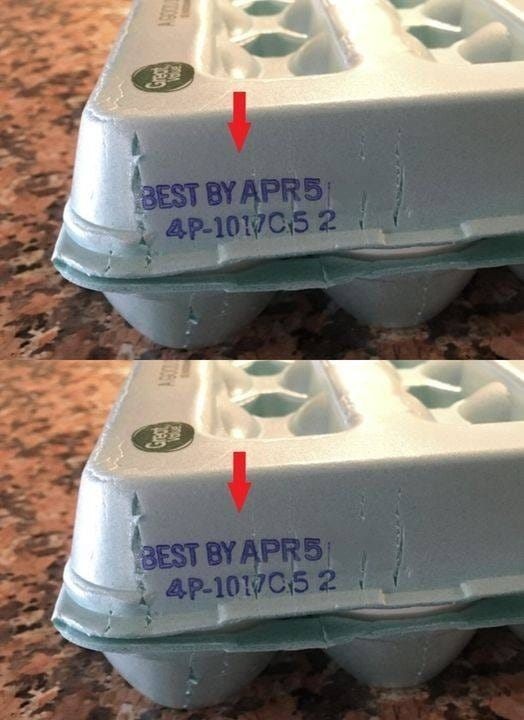
The answer depends on more than a single date printed on the package. Egg cartons in the United States may include a sell-by date, an expiration date, a use-by date, or a three-digit number known as a Julian date or pack date. Understanding these labels can help consumers choose fresher eggs, store them correctly, reduce unnecessary food waste, and make safer decisions at home.
Freshness matters for both quality and food safety. As eggs age, natural changes occur inside the shell. The egg white becomes thinner, the yolk membrane becomes weaker, and the egg may not perform as well in recipes that require firm whites or intact yolks. Proper refrigeration remains the most important factor in keeping eggs safe during their usable storage period.
Why Egg Carton Dates Can Be Confusing
Unlike many packaged foods, egg date labels are not always interpreted in the same way by consumers. A date on a carton does not necessarily mean that eggs become unsafe at midnight on that date. In many cases, it provides information for stores, inventory management, or quality rather than a precise food-safety deadline.
Labeling practices can also vary by state, retailer, producer, and whether the eggs carry a voluntary U.S. Department of Agriculture grade mark. That is why it is helpful to look at the whole carton rather than relying on one number alone. Check the package for its pack date, any quality date, the condition of the carton, and signs that the eggs have been kept cold.
When buying eggs, select a clean carton with no visible cracks. Cracked eggs may allow bacteria from the outside of the shell to enter more easily. Consumers should also avoid cartons that appear wet, heavily soiled, or damaged. Opening the carton before purchase is a simple way to check that the shells are intact.
What Is the Julian Date on an Egg Carton?
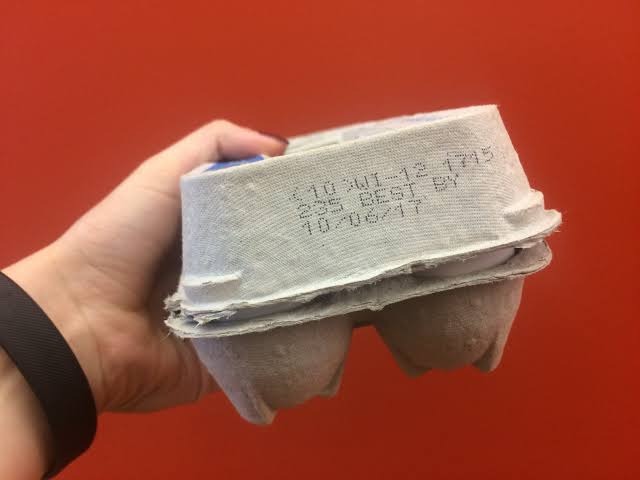
One of the most useful codes on an egg carton is the Julian date, often called the pack date. It is usually a three-digit number ranging from 001 through 365. The number identifies the day of the year when the eggs were washed, graded, and packed into the carton.
For example, 001 represents January 1, 032 represents February 1 in a non-leap year, and 365 represents December 31. This system counts each day in sequence rather than using the familiar month-and-day format. In a leap year, a packer may use numbers up to 366.
The Julian date does not tell shoppers when an egg was laid. Instead, it indicates when the eggs were processed and packaged. That distinction is important because eggs may be collected, transported, washed, graded, and packaged before they reach a grocery store. Even so, the pack date gives consumers a practical reference point for estimating freshness.
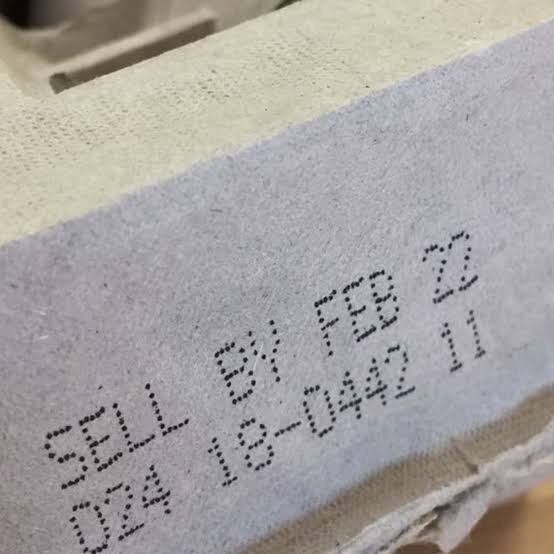
On many cartons, the code appears near a sell-by or expiration date. It may be printed in small ink on the end panel or side of the carton. If a shopper sees the number 150, for instance, that indicates the eggs were packed on the 150th day of the year, which is May 30 in a typical year.
Understanding Sell-By, Use-By, and Expiration Dates
A sell-by date is primarily intended to help retailers manage stock and rotate products. It tells a store how long to display the carton for sale, but it is not automatically a safety cutoff for consumers. Eggs that have been continuously refrigerated may remain usable after a sell-by date, depending on their age and condition.
A use-by or expiration date may offer a more direct quality guideline, but its meaning can still vary. Consumers should follow the instructions on the carton and local food-labeling rules. When there is uncertainty, the safest approach is to consider the storage history, pack date, appearance, smell, and the guidance of food-safety authorities.
The U.S. Department of Agriculture states that shell eggs should be refrigerated at 40°F (4°C) or below. Under proper refrigeration, eggs can generally be kept for three to five weeks from the day they are placed in the refrigerator. Eggs may still be acceptable after a date on the carton, but food safety agencies advise consumers not to use eggs that are spoiled, damaged, or improperly stored.
For USDA-graded eggs, a sell-by date may be used, and it cannot be more than 30 days after the pack date. This is one reason a carton on a store shelf may already be several days or weeks past its packing date. The pack date helps shoppers compare cartons and choose one that best fits their planned use.
How Eggs Change as They Get Older
Eggs naturally lose quality over time, even when refrigerated. Eggshells contain thousands of tiny pores. Through these pores, eggs slowly lose moisture and carbon dioxide. As a result, the air cell inside the egg becomes larger, the white becomes more watery, and the yolk tends to flatten and break more easily when cracked.
These changes are often most noticeable in cooking and baking. A very fresh egg usually has a rounded yolk and a thick white that stays close to the yolk. An older egg is more likely to spread across the plate. For this reason, fresher eggs are often preferred for fried eggs, poached eggs, and other dishes where appearance matters.
Older eggs are not automatically unsafe simply because their whites are thinner. Quality changes and safety concerns are related but not identical. An egg that has been stored properly may still be usable even if it is less ideal for presentation. However, eggs that have been left at warm temperatures, have cracked shells, or show signs of spoilage should be discarded.
Age can also affect how eggs behave in certain recipes. Older eggs may be easier to peel after hard-cooking because the enlarged air cell and changes in the egg’s internal structure can make shell removal easier. For delicate meringues, soufflés, or poached eggs, cooks may prefer fresher eggs for the best texture and appearance.
Egg Safety: Why Refrigeration Is Essential
Egg safety begins before the carton reaches the kitchen. In the United States, commercially produced eggs are generally washed and refrigerated during processing. Washing removes contaminants from the shell but can also remove part of the shell’s natural protective coating. This is one reason refrigerated storage is especially important for eggs sold in the U.S.
The U.S. Food and Drug Administration recommends keeping eggs refrigerated at 40°F (4°C) or below. Place the carton in the main body of the refrigerator rather than in the door, where temperatures can fluctuate more often. Keeping eggs in their original carton helps protect them from breakage and reduces the chance that they will absorb strong odors from other foods.
It is also wise to avoid leaving eggs at room temperature for extended periods. Temperature changes can cause condensation on the shell, which may make it easier for bacteria on the shell surface to move inward. If eggs have been left out for too long, especially in a warm environment, it is safer to discard them rather than attempt to judge safety by appearance alone.
Foodborne illness linked to eggs is often associated with Salmonella, a type of bacteria that can sometimes be present in or on eggs. Thorough cooking lowers the risk. The FDA advises cooking eggs until both yolk and white are firm, and using pasteurized eggs or egg products in recipes that call for raw or lightly cooked eggs, such as certain homemade dressings, desserts, or beverages.
How to Check Whether Eggs Are Still Good
The most reliable first step is to review the carton date and consider how the eggs have been stored. If they have remained refrigerated, are within the recommended storage period, and have no cracks or unusual odor, they may be suitable for cooking. When in doubt, crack each egg separately into a small bowl before adding it to a recipe.
A spoiled egg often has a distinct unpleasant odor when it is cracked open. If an egg smells off, looks unusually discolored, or has an abnormal appearance, throw it away. Do not taste a questionable raw egg to test it. Smell and visual inspection can help identify obvious spoilage, but they cannot guarantee that an egg is free from harmful bacteria.
Many people use the water or “float” test, in which an egg is placed in water to see whether it sinks or floats. This method can indicate the size of the air cell and therefore provide a rough clue about age. A floating egg is generally older because it has lost more moisture. However, the test does not determine whether an egg is safe to eat. It should not replace proper refrigeration, date checking, and careful handling.
If an egg sinks and lies flat, it is usually relatively fresh. If it stands upright on the bottom, it is older but may still be usable if it has been refrigerated and passes a normal smell and appearance check. If it floats, it is best to treat it cautiously and discard it if there is any uncertainty.
Smart Shopping Tips for Fresher Eggs
Checking the Julian pack date is one of the simplest ways to compare cartons in the grocery store. A higher number generally means a more recently packed carton, assuming the packages are from the same calendar year. Choosing the newest pack date can be helpful when you do not plan to use the eggs right away.
Buy eggs near the end of your grocery trip so they spend less time outside refrigeration. Place them in the refrigerator soon after arriving home. If you shop in hot weather or have a long trip home, consider using an insulated bag or cooler for perishable foods.
Consumers should also buy an amount they are likely to use within the recommended storage period. While it can be tempting to stock up during a sale, purchasing more eggs than a household can safely use may lead to waste. Planning meals around eggs, including omelets, baked dishes, egg salads made with fully cooked eggs, and breakfast recipes, can help make the most of a carton.

How to Reduce Food Waste Without Compromising Safety
Food waste is a significant household and environmental concern, but avoiding waste should never mean taking unnecessary food-safety risks. The best strategy is prevention: understand carton labels, refrigerate eggs promptly, use older eggs first, and inspect them before cooking.
A useful household practice is to organize eggs by purchase date. If a new carton is bought before the previous one is finished, use the older carton first. Keep eggs in their original packaging so the dates remain available. Writing the purchase date on the carton can also make it easier to track what should be used first.
Hard-cooked eggs have different storage guidance from raw shell eggs. According to USDA food-safety information, hard-cooked eggs should be refrigerated within two hours of cooking and used within one week. They should not be stored at room temperature for extended periods, even if they are still in the shell.
Key Takeaways About Egg Carton Dates
Egg carton labels are easier to understand once shoppers know what each date represents. The three-digit Julian date identifies the day eggs were packed, while sell-by and expiration-style dates may provide additional guidance for stores and consumers. The pack date is especially useful for comparing freshness at the grocery store.
Eggs gradually lose quality as they age, becoming more watery and less likely to hold a rounded shape when cooked. These natural changes do not necessarily mean the eggs are unsafe. Safety depends heavily on continuous refrigeration, intact shells, clean handling, and adequate cooking.
When there is any doubt about an egg’s storage history, condition, odor, or appearance, discarding it is the responsible choice. By checking dates, keeping eggs cold, and following advice from public health authorities, consumers can enjoy eggs while reducing avoidable food waste.
Sources
Disclaimer: This content is intended for entertainment purposes only and is not based on real events.