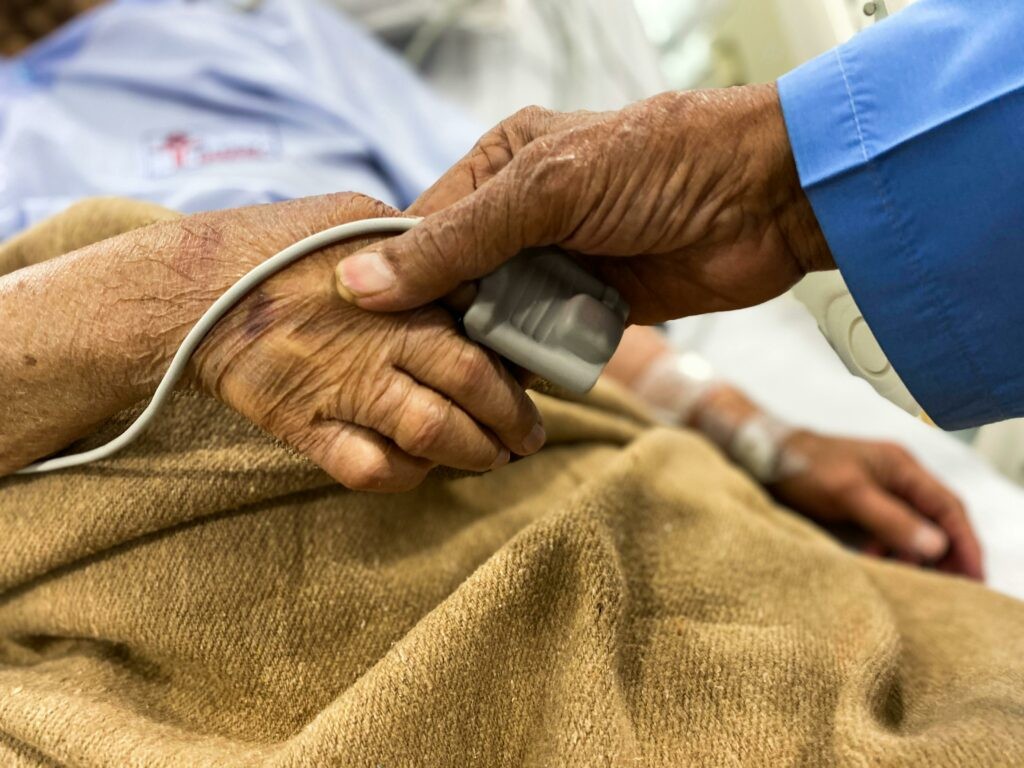
Signs That May Occur in the Final Days and Hours of Life
As a person approaches the end of life, the body may gradually undergo changes as major systems slow down. Every individual’s experience is different. Some changes develop over days or weeks, while others may occur only in the final hours. The order, severity, and timing can vary depending on the person’s illness, medicines, level of frailty, and overall medical condition.
For families and caregivers, witnessing these changes can be emotionally difficult. Understanding what may happen cannot remove grief, but reliable information can make unfamiliar symptoms less frightening and help loved ones focus on comfort, dignity, and connection. Palliative care and hospice teams can provide individualized guidance, particularly if a person appears to be in pain, distressed, or uncomfortable.
This guide describes common signs reported by organizations including the NHS, Marie Curie, and the World Health Organization. It is intended for general education and does not replace advice from a doctor, nurse, hospice provider, or other qualified clinician.
Understanding the Body’s Natural Changes at the End of Life
Near the end of life, the body often has less energy available for activities such as digestion, movement, and maintaining alertness. Blood circulation may become less efficient, kidney function can decline, and breathing patterns may change. These changes are part of the body’s response to advanced illness or natural dying, rather than a sign that families have done something wrong.
The central purpose of palliative care is to improve quality of life for people with serious illness and to support those close to them. According to the World Health Organization, palliative care aims to prevent and relieve suffering through the early identification and treatment of pain and other physical, psychological, social, and spiritual concerns. Comfort-focused care may include managing symptoms, keeping the mouth moist, adjusting a person’s position, and creating a calm environment.
When in doubt, caregivers should contact the medical team. New or sudden symptoms can sometimes be treatable, and professionals can explain whether a change is expected or requires urgent attention.

1. Increased Sleep and Reduced Alertness
One of the most common changes during the final phase of life is spending more time asleep or appearing drowsy. A person may wake only briefly, speak less, or drift in and out of awareness. They may also find it difficult to concentrate, follow a conversation, or respond in the way they once did.
This reduced alertness can occur because the body is conserving energy and because illness, medication, changes in metabolism, or reduced oxygen delivery can affect consciousness. It does not necessarily mean the person is in pain or aware of everything happening around them.
Caregivers can continue to speak gently, introduce themselves when entering the room, and offer reassurance. It is reasonable to include the person in conversations even when they do not respond, but families should avoid assuming that hearing or awareness is fully preserved. Evidence about sensory awareness at the very end of life remains limited and varies between individuals.
Simple comfort measures can help. Keep lighting soft, reduce unnecessary noise, and allow the person to rest. If moving or repositioning is needed, ask a nurse or hospice worker how to do so safely and comfortably.
2. Reduced Appetite and Thirst
It is common for people nearing death to eat and drink much less. The digestive system may be slowing down, and the body may no longer be able to process normal amounts of food or fluid comfortably. A person may have little interest in meals, take only small sips, or experience difficulty chewing and swallowing.
This can be especially painful for relatives, because sharing food is often closely connected to love, care, and family life. However, forcing food or drink can lead to coughing, choking, nausea, bloating, or discomfort. Decisions about artificial hydration and nutrition should be discussed with the person’s clinical team, since potential benefits and burdens depend on the individual’s condition and goals of care.
Mouth care is often more helpful than encouraging large amounts of fluid. Families may use lip balm, offer small sips if the person is awake and able to swallow safely, or gently moisten the mouth with a sponge or swab as advised by healthcare professionals. Ice chips may be appropriate for some people, but a nurse can provide guidance when swallowing is impaired.

3. Changes in Breathing Patterns
Breathing often changes in the final days or hours of life. It may become shallower, slower, faster, or irregular. Some people have periods in which breathing pauses briefly before starting again. A pattern known as Cheyne-Stokes breathing involves cycles of deeper or faster breaths followed by shorter periods of reduced breathing or pauses.
These patterns can be upsetting to watch, but they are common in some people near death and do not automatically mean that the person is suffering. Still, visible distress, grimacing, agitation, or labored breathing should always be reported to a clinician. Hospice and palliative care teams can assess symptoms and recommend treatments or positioning strategies to improve comfort.
A noisy sound during breathing, sometimes called respiratory secretions, may also occur when saliva or mucus gathers in the back of the throat and the person is too weak to clear it. The sound can be distressing for relatives, although clinical guidance from the NHS notes that it is not usually uncomfortable for the dying person. Repositioning the person gently onto one side may help in some cases. A nurse can advise whether medication or other measures are appropriate.

4. Confusion, Restlessness, and Delirium
Some people become confused, restless, or disoriented near the end of life. They may not recognize familiar surroundings, speak in ways that are difficult to follow, try to get out of bed, or appear to see or hear things that others do not. This may be described medically as delirium.
Delirium can have many causes, including infection, organ failure, dehydration, medication effects, pain, constipation, urinary retention, or changes related to the underlying illness. Because some causes can be treated or eased, caregivers should tell a nurse or doctor about new confusion, severe restlessness, or signs that the person is frightened.
A calm approach is usually best. Speak in a quiet voice, use simple sentences, remind the person where they are if this feels reassuring, and avoid arguing about what they are experiencing. Familiar voices, gentle music, a hand held with permission, and a peaceful room can sometimes provide comfort. The care team may recommend medication when symptoms are causing significant distress.

5. Cooler Skin and Changes in Color
As circulation slows, less blood may reach the hands, feet, arms, and legs. The skin can feel cool, look pale, or develop patchy areas of blue, purple, or mottled coloring. These changes are often most noticeable in the extremities and are commonly seen in the last stages of life.
Families may offer a light blanket if the person seems cold or if it provides reassurance. However, electric blankets, heating pads, and hot water bottles should be used with caution or avoided unless a clinician says they are safe, because fragile skin can burn easily and the person may not be able to communicate discomfort.
Changes in skin color should be interpreted by trained professionals in context. If a person has new symptoms earlier in an illness, such as chest pain, severe breathlessness, or a sudden blue color around the lips, seek urgent medical advice rather than assuming it is part of the dying process.
6. Changes in Urination and Bowel Habits
Reduced fluid intake and declining kidney function can lead to less frequent urination. Urine may become darker or more concentrated. Some people lose bladder or bowel control, while others may become constipated because of reduced mobility, lower food intake, dehydration, or pain medicines.
These changes can feel embarrassing for the person and emotionally challenging for relatives. Maintaining privacy, using protective bedding or continence products, and seeking nursing support can help preserve comfort and dignity. Care teams can also advise on catheter care, constipation relief, skin protection, and safe cleaning practices.
7. Increasing Weakness and Reduced Mobility
Profound fatigue and muscle weakness are frequent near the end of life. A person may need help turning in bed, sitting up, drinking from a cup, or using the bathroom. Falls can become a significant concern if someone attempts to walk without support.
Caregivers should not try to lift or move a person alone if doing so could cause injury. Nurses, physiotherapists, and hospice staff can demonstrate safe techniques and may suggest equipment such as slide sheets, bedside commodes, or hospital beds. Repositioning can help prevent discomfort and pressure injuries, but it should be done gently and in accordance with the person’s wishes and tolerance.
8. Brief Periods of Greater Wakefulness
Families sometimes observe a short period when a person becomes more alert, communicative, or interested in a favorite food or activity after a time of marked sleepiness. These episodes can be meaningful opportunities for conversation and connection, but they do not reliably predict recovery or indicate a specific timeline.
Rather than interpreting a brief improvement as a medical turning point, loved ones can focus on the moment itself. Share reassuring words, listen if the person wishes to talk, and avoid placing pressure on them to eat, stay awake, or engage for longer than they are comfortable doing. If there are important practical or medical questions, speak with the care team.
9. Changes in Heart Rate and Blood Pressure
In the final phase of life, a person’s pulse may become weaker or irregular, and blood pressure may decrease. These changes reflect the body’s decreasing ability to maintain circulation. In a comfort-focused setting, repeated measurement of vital signs may not be necessary unless it will guide care or help address symptoms.
Healthcare professionals consider the whole clinical picture rather than relying on any one sign. No single change can predict exactly when death will occur. A hospice nurse or doctor can help families understand what they are observing and prepare them for what may happen next.
How Families Can Provide Comfort and Support
Being present can be one of the most important forms of support. Sit nearby, speak kindly, play familiar music if the person enjoys it, or simply share quiet time. There is no perfect script for these moments. Expressions of love, gratitude, forgiveness, and reassurance may matter, but silence and companionship can be equally meaningful.
Caregivers also need care. Sitting vigil can be physically exhausting and emotionally overwhelming. Accept help with meals, childcare, errands, or overnight support. Take breaks when possible, and remember that stepping away to rest does not mean abandoning the person you love. Grief, anxiety, relief, sadness, and numbness can all be normal responses.
If hospice or palliative care is involved, contact the team whenever symptoms change or you feel unsure. They can provide practical guidance, emotional support, and medication advice. In an emergency, follow the plan provided by the person’s healthcare team and local medical services.
Conclusion
The final days and hours of life can bring physical changes that are difficult to witness, including increased sleep, reduced appetite, breathing changes, confusion, weakness, and altered circulation. Although these signs are common, every person’s journey is individual. Compassionate care focuses on easing discomfort, respecting the person’s wishes, and helping families feel supported.
Knowledge cannot eliminate the pain of saying goodbye, but accurate information can replace some uncertainty with understanding. In these moments, comfort, dignity, professional guidance, and human connection remain at the center of care.

Sources
Disclaimer: This content is intended for entertainment purposes only and is not based on real events.