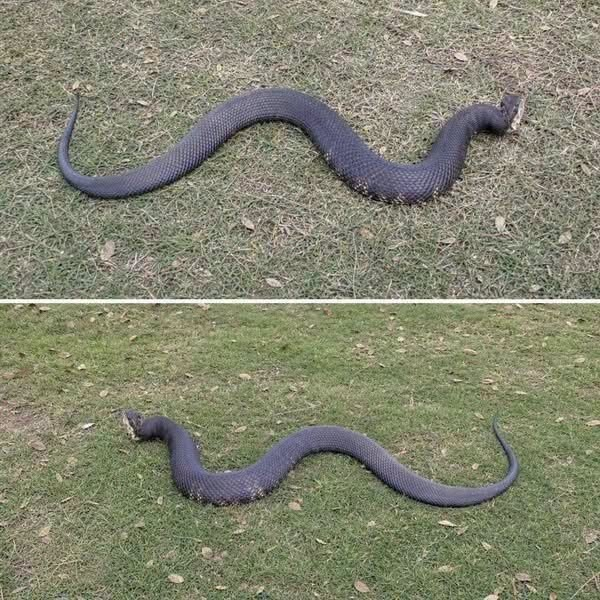
The South Surprise: What to Do When a Copperhead Ends Your Turkey Hunt
A quiet turkey hunt can change quickly when a person unexpectedly encounters a copperhead. These well-camouflaged snakes are native to much of the eastern and central United States, including many wooded areas where spring turkey hunting takes place. They are often difficult to see among fallen leaves, logs, rocks, and low vegetation. Most encounters end safely when people give the animal space, but a defensive bite can become a medical emergency.
In that moment, fear can make bad advice sound persuasive. Stories about cutting a bite, trying to remove venom, applying ice, or tightening a band around a limb have circulated for decades. Medical authorities strongly advise against these actions. The priority after a suspected venomous snakebite is straightforward: move away from the snake, remain as calm and still as possible, remove constricting items, and seek emergency medical care immediately.
This guide explains what hunters, hikers, landowners, and outdoor companions should know about copperhead encounters, evidence-based first aid, treatment, and prevention. It is not a substitute for emergency medical advice. If a snakebite is suspected, call emergency services or seek urgent evaluation without delay.
Why Copperheads Can Be Hard to Spot During Turkey Season
Copperheads are pit vipers, a group that also includes rattlesnakes and cottonmouths. In the United States, the name “copperhead” generally refers to several species in the genus Agkistrodon. Their coloring commonly includes tan, pinkish-brown, or copper-toned backgrounds with darker crossbands. This pattern can blend remarkably well into leaf litter and woodland debris.
Turkey hunters may be especially likely to spend long periods sitting low to the ground, walking slowly through brush, leaning against trees, or reaching into areas with limited visibility. Spring and early fall can also bring conditions favorable for snake activity in many regions. However, snake behavior varies with temperature, habitat, time of day, and local weather.
Copperheads do not seek out people. Like other wild animals, they generally prefer to avoid conflict. Bites commonly occur when a snake feels threatened, is accidentally stepped on, handled, or is trapped with no obvious escape route. A motionless snake may be nearly invisible, and a startled person may not realize what happened until after the bite.
Recognizing a Possible Copperhead Bite
Any bite from an unidentified snake should be treated seriously. A person does not need to identify the snake before seeking medical help, and attempting to capture, kill, or closely photograph it can create another injury risk. If it can be done from a safe distance, a photo may be useful to medical professionals or poison control experts, but it is never worth approaching the animal.
Symptoms after a venomous snakebite can differ among individuals. A copperhead bite may cause immediate or increasing pain, swelling, bruising, redness, tingling, nausea, weakness, or anxiety. The bite may leave one or more puncture marks, but the appearance of the skin alone cannot reliably determine the seriousness of the exposure. Some symptoms may develop over time, which is one reason prompt medical assessment is important even if the person initially feels relatively well.
Children, older adults, and people with certain medical conditions may face additional risks, but every suspected venomous bite requires professional evaluation. Emergency clinicians can monitor swelling, circulation, pain, laboratory results, and other signs that help guide treatment.
What to Do Immediately After a Suspected Snakebite
The first goal is to prevent a second bite. Slowly move away from the snake and warn others in the area. Do not try to move it. Once in a safer location, call 911 or the local emergency number. If service is limited, send a companion to contact emergency services while another person stays with the injured individual when possible.
Keep the bitten person calm and as still as practical. Walking or strenuous movement may increase circulation and worsen swelling or discomfort. If help is available, arrange transport to an emergency department rather than having the injured person hike a long distance. In remote hunting areas, emergency dispatchers can help determine the safest response based on location and available access.
Remove rings, watches, bracelets, boots, or tight clothing near the bite area before swelling increases. Keep the affected limb in a comfortable, neutral position and avoid unnecessary movement. If it does not delay emergency care, note the time of the bite and observe whether swelling is spreading. This information can help clinicians assess the progression of symptoms.
It is also sensible to avoid food, alcohol, caffeine, tobacco, and medications unless directed by a healthcare professional. Do not take aspirin, ibuprofen, naproxen, or other anti-inflammatory medicines unless a clinician advises it, because medical teams need to consider bleeding and other factors in managing snakebite injuries. Follow instructions from emergency dispatchers and treating professionals.
What Not to Do After a Copperhead Bite
Much of the danger surrounding snakebite comes from outdated first-aid myths. Modern medical guidance is clear that several commonly suggested actions can cause harm or delay effective treatment.
- Do not cut the bite site. Cutting the skin can increase tissue injury, bleeding, and infection risk without removing meaningful amounts of venom.
- Do not attempt to suck out venom. Mouth suction and commercial suction devices have not been shown to provide useful treatment and may worsen local damage.
- Do not apply a tourniquet or tightly constrict the limb. Restricting blood flow can cause serious complications.
- Do not apply ice, heat, electric shock, or chemicals. These measures can damage tissue and do not neutralize venom.
- Do not drink alcohol or use sedatives. They can complicate assessment and treatment.
- Do not try to catch or kill the snake. A large share of bites occur when people attempt to handle snakes.
These recommendations may feel counterintuitive to people who grew up hearing survival stories or traditional home remedies. Yet poison-control specialists, emergency physicians, and public-health agencies consistently emphasize rapid transport and professional care over improvised field treatment.
What Emergency Treatment May Involve
At the hospital, clinicians will evaluate the person’s symptoms, medical history, bite location, and the degree of swelling or pain. The care team may take blood tests, monitor vital signs, assess circulation and sensation in the affected limb, and provide treatment for pain, nausea, or other symptoms. Observation is often important because the effects of venom can evolve after the initial injury.
Antivenom may be considered in some cases, especially when there is significant or progressive swelling, signs of systemic illness, or concerns identified through clinical and laboratory assessment. The decision is made by qualified healthcare professionals based on the patient’s condition; it should not be assumed that every bite receives the same treatment. In the United States, emergency departments may also consult regional poison centers or medical toxicology specialists.
Recovery can vary. Many people heal with appropriate medical care, but swelling, tenderness, reduced mobility, and fatigue may last for days or longer. Follow-up instructions matter. Patients should keep scheduled appointments, follow wound-care directions, and promptly report worsening pain, fever, spreading redness, numbness, weakness, or other new concerns to a healthcare professional.
Why Calling Poison Control Can Help
In the United States, Poison Control can be reached at 1-800-222-1222. The service connects callers with poison specialists who can provide expert, location-specific guidance. In an emergency, especially if there are severe symptoms or uncertainty about safe transport, calling 911 remains the right first step.
Poison specialists can support emergency clinicians and members of the public by helping assess exposures and explaining what information may be useful. They do not replace in-person emergency care for a suspected venomous snakebite. Instead, they are part of a broader system that includes dispatchers, paramedics, emergency departments, and toxicology experts.
Copperhead Safety Tips for Turkey Hunters and Outdoor Enthusiasts
Prevention begins with awareness, not fear. Copperheads play a role in local ecosystems as predators of small animals and as part of the food web. The safest approach is to avoid disturbing them and to make outdoor habits that reduce the chance of accidental contact.
Wear sturdy boots and long pants when moving through fields, forest edges, brush piles, rocky slopes, and leaf-covered ground. Watch where you place your hands and feet, particularly when stepping over logs or rocks. Avoid reaching blindly into hollow logs, dense vegetation, woodpiles, or spaces beneath equipment. Use a flashlight around camp, vehicles, and trails after dark.
When choosing a place to sit during a hunt, scan the ground carefully first. A small folding seat or cushion may help create distance from leaf litter, but it does not replace visual awareness. Keep gear organized and avoid leaving boots, bags, or clothing where a snake could take temporary shelter. Before putting on footwear that has been left outdoors, check it carefully.
Hunters should also discuss a basic emergency plan before entering remote land. Share the planned location with a trusted person, carry a charged phone and backup power source where possible, and know the nearest road access point. Offline maps, a whistle, a first-aid kit, and knowledge of local emergency procedures can be useful on any backcountry outing.
How to Respond When You See a Copperhead
If you see a copperhead, stop and give it room. Do not crowd it, throw objects, or attempt to move it with a stick. Back away slowly and allow the snake a clear route to retreat. Notify companions, especially children or dogs, and choose a different route if needed.
For homeowners, reducing places where snakes may hide can lower the likelihood of close encounters. Keep grass reasonably trimmed, move woodpiles away from frequently used areas, clear excess debris, and reduce rodent attractants. If a snake is in a location where it presents an immediate concern, contact a qualified local wildlife professional rather than attempting removal without experience.
It is also important to remember that visual identification can be difficult. Harmless snakes are often mistaken for venomous species, while a venomous snake can be overlooked because of camouflage. Respectful distance is the right response regardless of species identification.
A Calm, Evidence-Based Response Matters Most
A copperhead encounter can be alarming, especially when it interrupts a hunt far from immediate help. But the most effective response is not dramatic. It is calm, practical, and based on current medical guidance: leave the snake alone, limit movement, remove constricting items, call for emergency help, and get evaluated promptly.
Preparedness also makes a difference. Knowing where you are, carrying reliable communication tools, wearing suitable footwear, and watching carefully around natural cover can reduce risk without taking away from the experience of time outdoors. Turkey hunting and wildlife observation depend on respect for the landscape—and that includes recognizing that its hidden residents need space.
Sources
Disclaimer: This content is intended for entertainment purposes only and is not based on real events.