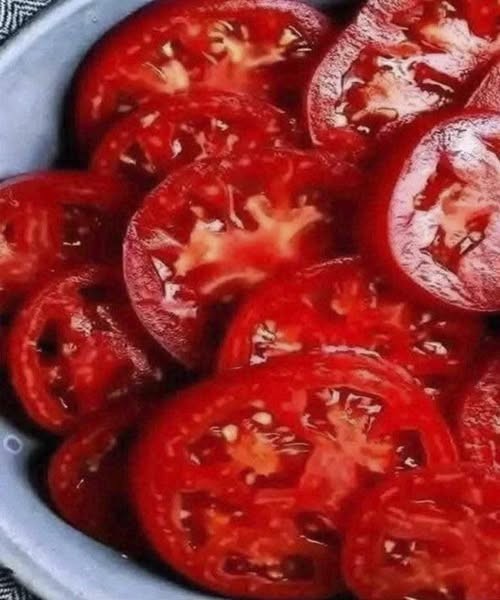
Health Benefits of Tomatoes: Nutrition, Lycopene, and Heart Health
Tomatoes are among the most widely used foods in kitchens around the world. Fresh, canned, roasted, blended into sauces, or added to salads and soups, they bring color, acidity, sweetness, and texture to everyday meals. Beyond their culinary value, tomatoes provide several nutrients and plant compounds that can support an overall healthy eating pattern.
They are low in calories, naturally rich in water, and a useful source of vitamin C, potassium, folate, vitamin K, and carotenoids such as lycopene. Research on tomatoes and tomato-based foods has attracted particular attention because lycopene is associated with antioxidant activity and may contribute to cardiovascular health when included as part of a diet rich in fruits and vegetables.
Tomato Nutrition at a Glance
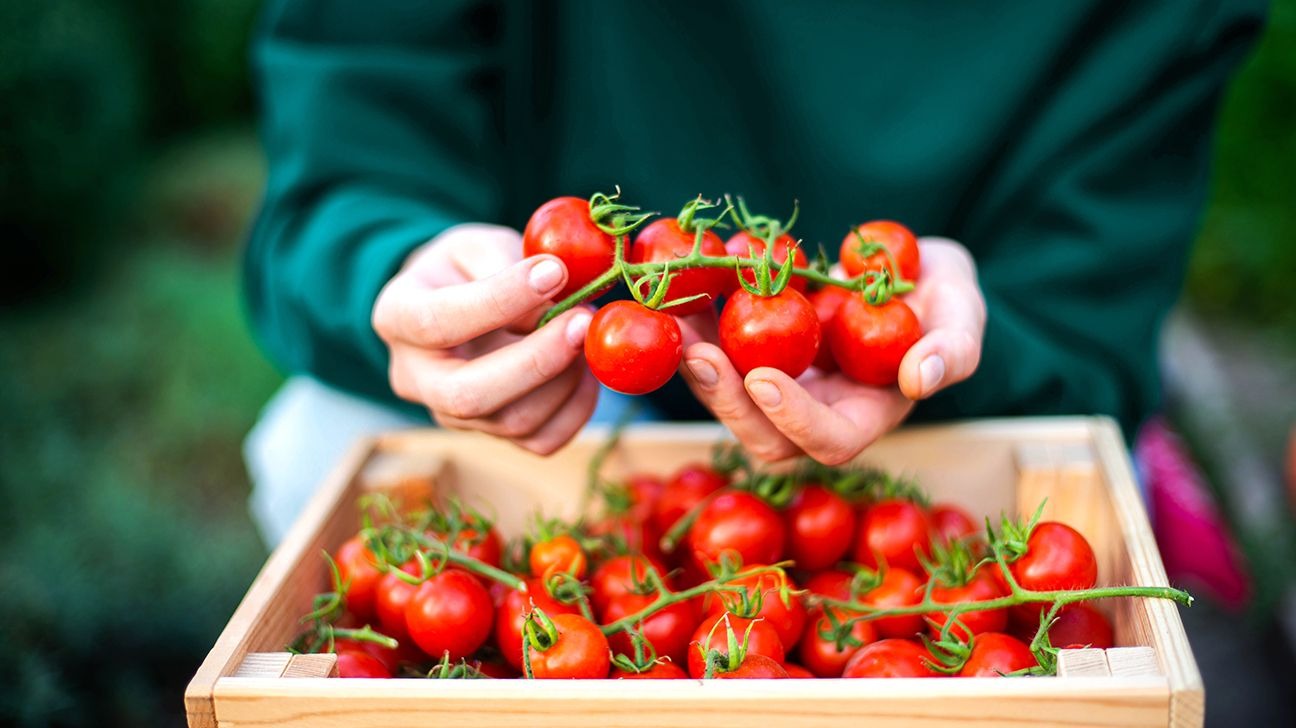
Botanically, tomatoes are fruits, although they are commonly prepared and served as vegetables. They belong to the nightshade family, which also includes peppers, eggplants, and potatoes. Their nutritional profile can vary according to variety, ripeness, preparation method, and serving size, but tomatoes generally offer substantial nutrition for relatively few calories.
A medium fresh tomato contains water, carbohydrates, a small amount of fiber, and very little fat. It also provides vitamin C, an essential nutrient involved in collagen production, immune function, wound healing, and the absorption of non-heme iron from plant foods. Vitamin C is sensitive to heat, so fresh tomatoes can be especially helpful for people seeking more of this nutrient in their diet.
Tomatoes also supply potassium, a mineral that helps regulate fluid balance and supports normal nerve and muscle function. Potassium-rich foods can be valuable in eating plans designed to support healthy blood pressure, particularly when they replace foods high in sodium. However, people with kidney disease or those taking certain medicines should seek individualized advice from a qualified healthcare professional before significantly increasing potassium intake.
Other nutrients in tomatoes include vitamin K, which contributes to normal blood clotting and bone health, and folate, which is important for cell division and the formation of red blood cells. While tomatoes are not the sole or largest source of these nutrients, they can make meaningful contributions when eaten regularly alongside a varied diet.
Lycopene: The Red Pigment in Tomatoes
The best-known plant compound in tomatoes is lycopene, a carotenoid responsible for much of the red color of ripe tomatoes. Carotenoids are naturally occurring pigments found in many fruits and vegetables. Lycopene is also present in foods such as watermelon, pink grapefruit, papaya, and guava, but tomatoes and tomato products are among the leading sources in many diets.
Lycopene has antioxidant properties in laboratory settings, meaning it can help neutralize certain unstable molecules known as free radicals. Oxidative stress is a normal biological process, but excessive oxidative stress has been studied in relation to aging and several chronic conditions. It is important, however, not to interpret this evidence as proof that a single food can prevent disease. Health outcomes are influenced by genetics, physical activity, sleep, smoking status, medical care, and the overall quality of a person’s diet.
Studies have explored associations between diets high in tomato products and lower risks of certain long-term health problems, including cardiovascular disease and some cancers. These findings are promising but do not establish that tomatoes alone cause those outcomes. Large observational studies can be affected by other lifestyle factors, while clinical trials may use different foods, doses, and populations. Public health guidance generally emphasizes eating a wide variety of colorful fruits and vegetables rather than relying on one ingredient or supplement.
For most people, obtaining lycopene through food is a sensible approach. Whole foods provide a combination of vitamins, minerals, fiber, and other plant compounds that work within the broader context of a balanced dietary pattern.
Are Cooked Tomatoes Better for Lycopene?

Fresh tomatoes are nutritious, but cooking can change how the body absorbs some of their compounds. Lycopene becomes more available when tomatoes are heated and processed, which is why tomato paste, canned tomatoes, sauces, and soups can be useful sources. Chopping and cooking help break down plant cell structures, allowing more lycopene to be released.
Eating cooked tomato products with a small amount of dietary fat may also improve carotenoid absorption. For example, a tomato sauce prepared with olive oil, or roasted tomatoes served with nuts, seeds, fish, or avocado, can fit well into a balanced meal. This does not require large amounts of oil; modest quantities are generally sufficient.
At the same time, cooking may reduce the level of heat-sensitive vitamin C. Rather than viewing fresh and cooked tomatoes as competitors, it is practical to include both. Fresh tomatoes can add crunch and vitamin C to salads and sandwiches, while cooked tomato dishes may provide more readily absorbed lycopene.
When choosing canned or jarred tomato products, consumers may want to compare nutrition labels. Some sauces contain considerable amounts of added sodium or sugar. Selecting no-salt-added canned tomatoes, lower-sodium sauces, or products with short, recognizable ingredient lists can help people maintain control over their meals.
Tomatoes and Heart Health
Tomatoes can be part of a heart-conscious eating pattern because they provide potassium, fiber, and phytonutrients while being naturally low in saturated fat. Diets that emphasize vegetables, fruits, legumes, whole grains, nuts, and unsaturated fats are consistently associated with better cardiovascular health outcomes than dietary patterns high in highly processed foods, excess sodium, and saturated fats.
Potassium deserves particular attention because many people consume less than recommended. Increasing potassium-rich foods while reducing excessive sodium may support healthy blood pressure for many adults. Tomatoes, beans, leafy greens, potatoes, yogurt, and several fruits can all contribute potassium to the diet. The goal is not to depend on one food but to build variety across meals.
Some research has examined whether lycopene intake is related to cholesterol, blood pressure, or markers of cardiovascular risk. Results vary, and more high-quality research is needed to clarify the effects of specific tomato products and amounts. Still, replacing a high-sodium, heavily processed food with a meal based on vegetables and tomatoes is likely to improve overall dietary quality.
A practical example is choosing a homemade vegetable-rich pasta sauce instead of a creamy, high-saturated-fat sauce, or adding tomatoes to a bean salad instead of reaching for salty packaged snacks. Such changes work best when combined with regular movement, adequate sleep, not smoking, and medical screening when recommended.
Tomatoes in Weight Management and Healthy Eating
Because tomatoes contain a high proportion of water and have relatively few calories, they can be a satisfying addition to meals for people who are trying to manage their weight. Their fiber content is modest but still contributes to fullness, especially when tomatoes are paired with other fiber-rich foods such as beans, lentils, whole grains, vegetables, and fruit.
Weight management is not determined by one ingredient, and tomatoes do not cause weight loss on their own. However, they can help make meals more flavorful without relying heavily on added salt, sugar, or rich sauces. A tomato-and-cucumber salad, a vegetable soup with beans, or a tray of roasted vegetables can provide volume and flavor while supporting an overall nutrient-dense diet.
Tomatoes are also accessible in many forms. Fresh varieties include cherry, grape, plum, beefsteak, and heirloom tomatoes. Canned diced tomatoes, crushed tomatoes, passata, puree, and paste offer convenient options when fresh produce is unavailable or out of season. Frozen tomato-based sauces can also be useful if they are prepared with attention to sodium and added ingredients.
Potential Benefits for Skin and Eye Health
The vitamin C in tomatoes supports normal collagen production, a process important to skin structure. Their carotenoids, including lycopene and beta-carotene, are also being studied for their possible role in protecting skin from environmental stress. However, tomatoes are not a substitute for sun protection. Dermatology experts continue to recommend practical measures such as seeking shade, wearing protective clothing, and using broad-spectrum sunscreen as directed.
Tomatoes contain small amounts of beta-carotene, which the body can convert into vitamin A as needed. Vitamin A is important for normal vision and immune function. A varied diet containing orange, red, yellow, and dark green produce is the best way to obtain a broad range of carotenoids and related nutrients.
Claims that tomatoes can dramatically reverse aging, treat skin conditions, or prevent eye disease should be treated cautiously. Nutrition can support health, but it does not replace professional medical assessment or prescribed treatment.
Who Should Be Careful With Tomatoes?
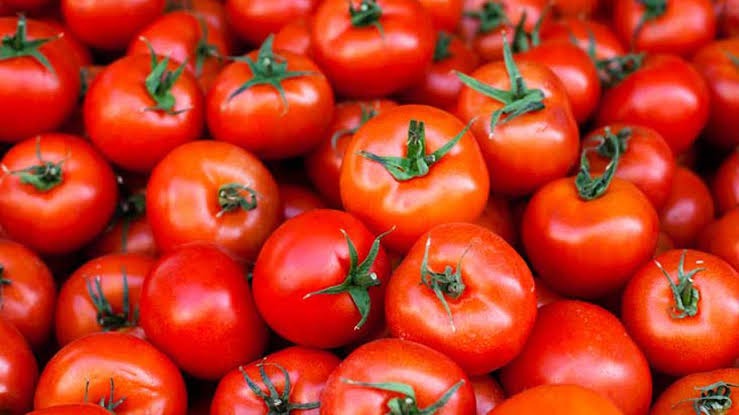
Tomatoes are safe and nutritious for most people, but individual tolerances differ. Their natural acidity may worsen symptoms for some people with gastroesophageal reflux disease, commonly known as GERD, especially when tomatoes are consumed in large portions or in acidic sauces. People who notice a consistent connection between tomato-based foods and reflux symptoms may benefit from discussing dietary adjustments with a clinician or registered dietitian.
Tomato allergies are uncommon but possible. Symptoms such as itching, swelling, hives, wheezing, or digestive discomfort after eating tomatoes should be discussed with a healthcare professional. Anyone experiencing trouble breathing or signs of a severe allergic reaction should seek emergency medical help.
People with advanced kidney disease may need to monitor potassium intake, depending on their medical condition and treatment plan. Because tomatoes can contribute potassium, personalized guidance is especially important for this group. In addition, those taking blood-thinning medication should keep their intake of vitamin K-containing foods consistent and follow advice from their prescribing clinician rather than avoiding vegetables unnecessarily.
Easy Ways to Add More Tomatoes to Meals
Tomatoes are adaptable enough to fit breakfast, lunch, dinner, and snacks. Fresh cherry tomatoes can be paired with hummus or cheese, while sliced tomatoes work well in sandwiches, wraps, and grain bowls. Roasting tomatoes with garlic, herbs, and a small amount of olive oil creates a flavorful side dish or topping for whole-grain toast.
For simple family meals, use canned tomatoes in soups, lentil stews, chili-style bean dishes, vegetable curries, and pasta sauces. Tomato paste can add concentrated flavor to sauces and braises. Combining tomatoes with protein-rich foods such as beans, eggs, fish, chicken, tofu, or yogurt can help create balanced meals.
A Mediterranean-style approach offers one useful model: tomatoes may be combined with olive oil, legumes, vegetables, whole grains, herbs, and moderate portions of fish or other protein foods. This pattern has been widely studied for its relationship with heart health and dietary quality. It is flexible rather than prescriptive, and it can be adapted to different cultures, budgets, and food preferences.
The Bottom Line on Tomato Health Benefits
Tomatoes deserve their place as a kitchen staple. They offer vitamin C, potassium, vitamin K, folate, water, and beneficial plant compounds, including lycopene. Fresh tomatoes provide valuable nutrients, while cooked tomato products can make lycopene easier for the body to absorb. Together, these qualities make tomatoes a practical component of a varied and balanced diet.
They should not be presented as a cure for cancer, heart disease, or any other medical condition. The strongest evidence supports a broader message: regularly eating a wide range of fruits and vegetables is linked to better health. Tomatoes can contribute to that goal in affordable, flavorful, and versatile ways.

Sources
Disclaimer: This content is intended for entertainment purposes only and is not based on real events.