Riverfront 1.7-Acre Tract: A Blank Canvas With Water, Trees, and Time
Riverfront land can offer a distinctive combination of natural scenery, privacy, and long-term flexibility. A 1.7-acre tract along the Red Bird River, offered with aging structures and an as-is condition, is the kind of property that requires careful evaluation—but may also appeal to buyers seeking a personal retreat, a renovation project, or undeveloped potential.
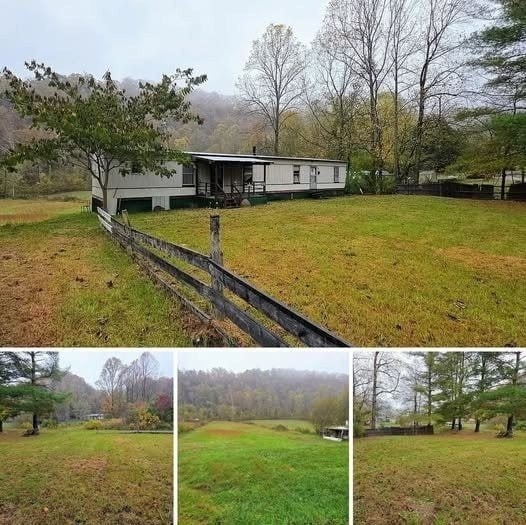
Some properties are defined by finished interiors, polished landscaping, and move-in-ready convenience. Others ask buyers to look beyond first impressions. This riverfront parcel falls into the second category. Its existing mobile home and older block building may need substantial work, removal, or repurposing. However, the property’s most meaningful feature is not a structure. It is the land itself: approximately 1.7 acres with access to the setting, sound, and seasonal character of the Red Bird River.
For buyers interested in rural real estate, riverfront acreage can represent more than a place to live. It can become a weekend destination, a modest cabin site, a family gathering place, or a long-term landholding. Before making any plans, though, prospective purchasers should take a practical approach. An as-is sale makes professional inspections, title review, local permitting research, and flood-risk assessment especially important.
Why Riverfront Land Holds Lasting Appeal
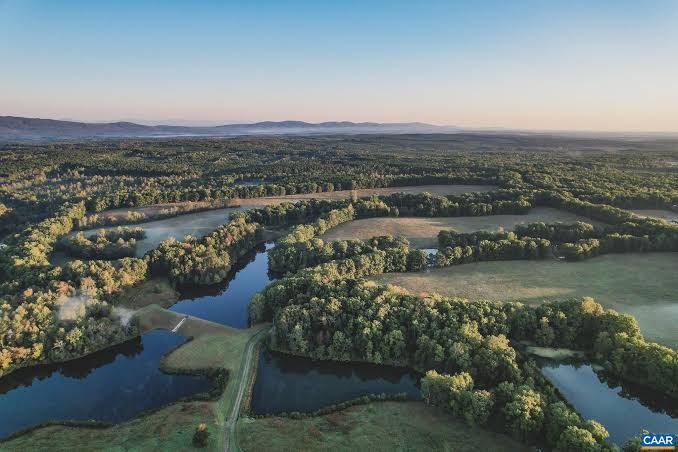
Water has long been one of the most valued natural features in residential and recreational land. Riverfront settings can provide peaceful views, opportunities for outdoor recreation, and a sense of separation from the pace of urban life. The steady movement of a river, mature trees, and open ground can make a parcel feel larger and more private than its acreage alone might suggest.
On this tract, the slope toward the water is part of the property’s visual identity. Terrain can shape how a site is used, where a future structure may be placed, and how runoff travels across the land. A sloping lot can create attractive views and help establish distinct spaces for a home site, outdoor seating area, garden, or access path. At the same time, topography should be assessed by qualified local professionals before construction or major grading begins.
Buyers should also recognize that riverfront ownership carries stewardship responsibilities. Bankside vegetation helps reduce erosion, filters runoff, and supports wildlife habitat. Removing trees or altering the shoreline without proper planning can create drainage issues and may trigger local, state, or federal requirements. Responsible ownership usually means preserving natural buffers where possible and consulting the relevant authorities before modifying land near the water.
An As-Is Property Requires Clear-Eyed Planning
The phrase “as-is” is common in real estate listings, but it deserves close attention. In general, an as-is sale means the seller is offering the property in its current condition and may not agree to make repairs or improvements. It does not eliminate the buyer’s need to investigate the property. Instead, it makes due diligence central to the purchasing decision.
The aging mobile home and older block building on this parcel may offer usable space, storage, or a starting point for future plans. They may also require repairs that exceed a buyer’s budget or no longer meet applicable building standards. A licensed home inspector, contractor, structural professional, or qualified local specialist can help identify visible concerns involving foundations, roofs, electrical systems, plumbing, moisture, heating equipment, and overall safety.
In some cases, renovation can preserve useful square footage at a lower cost than new construction. In other cases, removal may be the more practical choice. The right option depends on the condition of each structure, local rules, access for equipment, waste-disposal requirements, and the buyer’s intended use of the land. No listing description alone can answer those questions with certainty.
Utilities Can Influence the Future of a Rural Parcel
Existing utilities may be one of the most important practical advantages of a property with older structures. If a parcel has established connections or service history, it may reduce some of the initial work needed to prepare the site for future use. Still, buyers should verify every utility directly rather than relying on assumptions.
Important questions include whether electrical service is active, whether water is provided by a public system or a private well, whether sewage is managed through a septic system, and whether internet or mobile coverage meets the buyer’s needs. Any existing septic system should be evaluated by an appropriate professional, particularly if it is older, unused, or intended to serve a different type of home than the one a buyer hopes to install.
Access is equally important. Buyers should confirm the legal route to the parcel, the condition of any driveway or private road, maintenance obligations, and the ability of emergency vehicles, contractors, and utility providers to reach the site. These details can affect both daily convenience and the cost of future improvements.
Understanding Flood Risk Along the Red Bird River
Riverfront living requires an informed understanding of water conditions. Rivers change with seasons, weather patterns, and upstream drainage. Even a property that appears calm during one visit can experience different conditions after sustained rain or during regional flooding events.
Prospective buyers should review flood maps maintained by the Federal Emergency Management Agency and speak with local planning, emergency management, or floodplain officials. Flood insurance requirements can vary depending on a structure’s location, the type of financing used, and the applicable flood zone. A lender may require flood insurance for properties located within designated high-risk areas, while other buyers may choose coverage based on their own assessment of risk.
Flood maps are valuable tools, but they are not substitutes for site-specific advice. Elevation, drainage patterns, prior flood history, road access during heavy rain, and the location of existing structures can all matter. Asking for available permits, insurance records, repair documentation, and local history can help buyers build a more complete picture.
Thoughtful planning can improve resilience. This may include locating future structures outside higher-risk areas where feasible, using appropriate foundation designs, maintaining vegetation, improving drainage only with professional guidance, and keeping important equipment above anticipated water levels. Such decisions should comply with applicable building codes and environmental requirements.
Potential Uses for a 1.7-Acre Riverfront Property
A 1.7-acre parcel is large enough to support a range of modest, carefully planned uses while remaining manageable for an owner who values a lower-maintenance rural setting. The best use will depend on zoning, deed restrictions, permits, site conditions, and personal goals.
A Weekend Retreat
For many buyers, the strongest appeal may be the possibility of a quiet weekend retreat. A repaired mobile home, small cabin, or legally permitted replacement dwelling could create a simple place to disconnect from routine. The focus may be less on extensive development and more on enjoying the river, tree cover, outdoor meals, reading, fishing where permitted, or spending time with family and friends.
A Renovation or Adaptive-Reuse Project
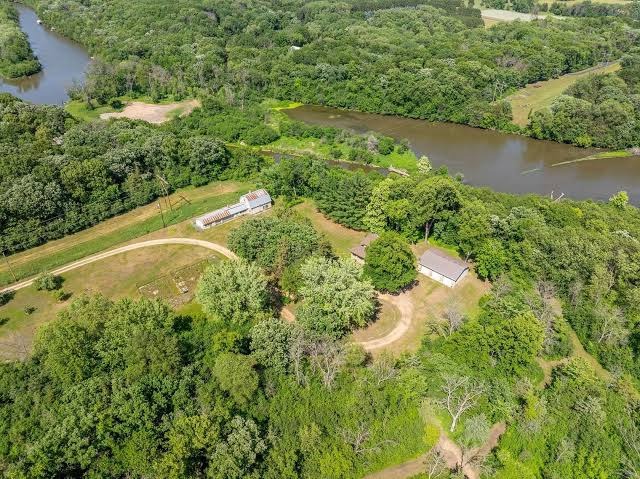
Existing structures can sometimes be adapted for practical uses. A block building, for example, might be considered for storage, a workshop, or another permitted accessory use if its condition and local regulations allow. Adaptive reuse can reduce waste and preserve useful materials, but it should begin with a realistic assessment of structural integrity and code compliance.
A Long-Term Landholding
Some buyers may see value in holding a riverfront parcel while they develop plans over time. Land ownership can allow an owner to make gradual improvements, monitor seasonal conditions, and learn more about the surrounding community before committing to a major project. However, landholding still involves taxes, insurance considerations, maintenance, liability awareness, and compliance with local rules.
A Carefully Evaluated Investment
Real estate should not be viewed as a guaranteed financial return. Riverfront properties can be appealing because of their scarcity and natural setting, but market value depends on many factors, including location, access, condition, permitted uses, local demand, financing availability, and environmental constraints. Buyers considering the parcel as an investment should consult qualified real estate, legal, tax, and financial professionals rather than relying on broad assumptions about appreciation.
Due Diligence Checklist for Riverfront Buyers
A disciplined due-diligence process can help a buyer distinguish between a manageable project and an unexpectedly costly one. Before closing on an as-is riverfront property, consider taking the following steps:
- Order a title search and review surveys, easements, deed restrictions, and access rights.
- Confirm property boundaries and identify any encroachments or shared-driveway arrangements.
- Review FEMA flood maps and ask local officials about floodplain regulations and known drainage concerns.
- Arrange inspections for all existing structures, including electrical, plumbing, roofing, foundations, and heating systems where applicable.
- Verify the status and capacity of electric, water, septic, and communications services.
- Contact local planning and zoning offices about permitted uses, setbacks, building requirements, and mobile-home regulations.
- Ask whether shoreline work, tree removal, grading, or construction requires environmental permits.
- Estimate the cost of cleanup, repair, demolition, site preparation, insurance, and ongoing maintenance.
- Visit the property at different times of day and, when possible, during different weather conditions.
- Consult licensed professionals for legal, environmental, construction, and financial questions specific to the parcel.
The Value of Local Knowledge
Rural real estate is closely connected to its local context. Neighbors, county offices, utility providers, and experienced local contractors may offer practical insight about road conditions, seasonal river behavior, service availability, and building expectations. Their perspectives should not replace formal inspections or official records, but they can help buyers ask better questions.
Community context can also shape the experience of owning a riverfront tract. Buyers may want to learn about nearby services, emergency response times, schools, health care access, recreation areas, and local conservation initiatives. A property that feels secluded can still be part of a broader network of residents, businesses, and public resources.
Balancing Vision With Responsibility
The strongest case for a property like this is not that it is perfect. It is that it offers room for a buyer’s own vision. The land does not arrive with every decision already made. Its future could involve restoration, simplification, conservation, or careful redevelopment, depending on what the site can safely and legally support.
That flexibility is valuable, but it should be matched with patience. Riverfront land rewards owners who pay attention to water, weather, terrain, and maintenance. A realistic budget, a clear timetable, and professional advice can turn uncertainty into an organized plan.
For the right buyer, a worn mobile home and an older block building may be secondary to the larger opportunity: a manageable tract of land where trees frame the water and the next chapter has not yet been written. The most responsible approach is to appreciate the setting while investigating every practical detail before making a commitment.
Disclaimer: This content is intended for entertainment purposes only and is not based on real events.