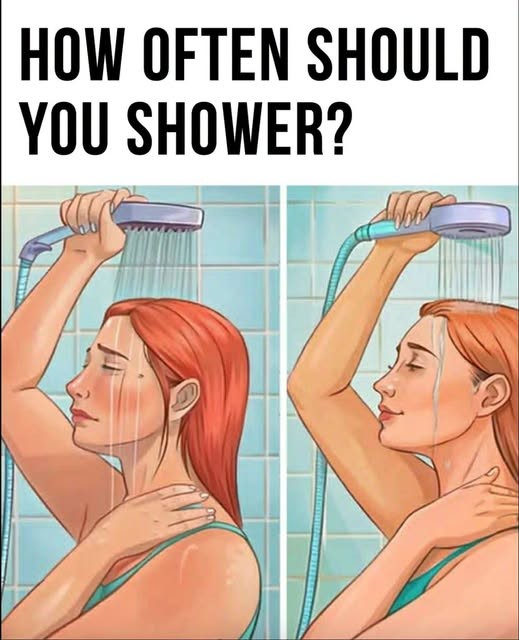
Can Showering Too Often Dry Out Your Skin? What to Know About Everyday Bathing

For many people, a warm shower is part of a daily routine: a way to wake up, cool down after exercise, or relax at the end of a long day. Bathing is important for personal hygiene, comfort, and removing sweat, oil, and environmental debris from the skin. However, showering too often—or using very hot water and harsh cleansers—can contribute to dry, irritated skin for some people.
The question is not simply whether daily showering is “good” or “bad.” Skin needs vary according to climate, activity level, age, occupation, medical conditions, and the products a person uses. A short, lukewarm shower may be well tolerated by many people, while several long, hot showers a day can make dryness worse. Understanding how bathing affects the skin barrier can help people make practical choices without sacrificing hygiene.
How Showering Can Affect the Skin Barrier
The outermost layer of the skin, called the stratum corneum, acts as a protective barrier. It helps retain water while also limiting the entry of irritants from the environment. This barrier is supported by natural oils, skin cells, and lipids such as ceramides. Together, these components help keep skin flexible, smooth, and resilient.
Water alone can alter the skin’s surface temporarily, but prolonged exposure to water—especially hot water—can remove some of the oils that help support the barrier. Cleansers can also lift away oil and dirt. That is useful when washing areas that tend to sweat or hold odor, but frequent cleansing of the entire body may leave some people with tightness, flaking, itchiness, or rough patches.
According to dermatology guidance from the American Academy of Dermatology, long, hot showers and baths can dry the skin. The organization generally recommends keeping bathing brief, using warm rather than hot water, choosing gentle cleansers, and applying moisturizer soon after drying off. These measures are designed to reduce moisture loss and support the skin’s natural protective function.
Can Showering Every Day Cause Dry Skin?
Daily showering does not automatically cause dry skin. Many people shower once a day without major problems, particularly when they use mild products and moisturize afterward. But frequent showering can be a contributing factor when it is combined with hot water, scrubbing, fragranced soaps, low indoor humidity, or naturally sensitive skin.
Skin dryness is especially common during colder months, when outdoor air is less humid and indoor heating can further reduce moisture in the environment. In those conditions, a person who normally tolerates daily showers may notice more dryness or itching. The same may happen after swimming in chlorinated pools, working in a job that requires repeated washing, or using strong antibacterial or deodorizing products over large areas of the body.
Experts often emphasize that there is no single bathing schedule that suits everyone. Someone who works outdoors, exercises intensely, or lives in a hot and humid climate may need to shower more often than someone with a sedentary routine in a cool environment. The key issue is whether a person’s routine is causing discomfort or visible changes in the skin.
Signs Your Bathing Routine May Be Too Harsh
Dry skin can look and feel different from person to person. Common signs include a tight sensation after showering, dull or rough texture, small flakes, mild itching, redness, or cracking in more severe cases. Hands, lower legs, arms, and the sides of the torso can be particularly prone to dryness because they may have fewer oil glands than areas such as the face or scalp.
A temporary feeling of tightness immediately after washing may be a clue that the water is too hot or the cleanser is too stripping. Persistent discomfort deserves more attention. Skin that becomes increasingly itchy, inflamed, painful, cracked, or prone to rash may be affected by an underlying condition rather than bathing habits alone.
People with eczema, also known as atopic dermatitis, may be particularly sensitive to irritants and dryness. The National Eczema Association and other health organizations commonly stress the importance of gentle skin care and regular moisturizing for people managing eczema. Individual treatment plans can differ, so people with ongoing symptoms should consult a qualified healthcare professional or dermatologist.
Why Water Temperature Matters
Very hot showers may feel soothing, especially in cold weather, but they can be harder on the skin than lukewarm water. Hot water can remove protective surface oils more quickly and may leave skin feeling dry or itchy. Steam can also create the impression that a shower is moisturizing, yet the moisture added during bathing can evaporate after the shower unless it is sealed in with an appropriate moisturizer.
A practical approach is to use comfortably warm water rather than water that feels hot enough to redden the skin. Shorter showers are also generally gentler. The American Academy of Dermatology suggests limiting showers and baths to about five to 10 minutes when dry skin is a concern. This is not a rigid rule for every person, but it is a useful starting point for adjusting a routine.
Soap, Body Wash, and Fragrance Can Make a Difference
Not all cleansing products affect the skin in the same way. Traditional soaps can be more alkaline than the skin’s naturally slightly acidic surface, and some products contain fragrances, dyes, exfoliating particles, or active ingredients that may irritate sensitive skin. Strongly scented products are not necessarily unsafe, but they can be problematic for people who are prone to irritation or allergic contact dermatitis.
For dry or sensitive skin, dermatologists often recommend a mild, fragrance-free cleanser. “Fragrance-free” is generally more useful than “unscented,” because products labelled unscented may still contain ingredients that mask fragrance. Creamy or hydrating cleansers may also be preferable for some people, although the best product depends on an individual’s skin and personal needs.
It is also not always necessary to use cleanser over every inch of the body during every shower. Areas such as the underarms, groin, feet, and visibly soiled skin usually need focused cleansing. For the rest of the body, water may be enough on some days, particularly for people who are not heavily sweating or exposed to dirt. This approach can reduce unnecessary removal of natural oils while maintaining basic hygiene.
How Often Should You Shower?
There is no universal medical rule requiring everyone to shower daily. Public health and medical guidance generally focuses more on effective handwashing, clean clothing, oral hygiene, and bathing when needed than on a fixed number of full-body showers each week. Personal hygiene practices are shaped by culture, climate, work, exercise, and individual preference.
For many adults, one short shower a day is reasonable. Others may prefer to shower every other day, with additional washing after exercise or physically demanding work. People who shower more than once daily may be able to protect their skin by making one shower brief and using cleanser only where necessary. After swimming, sweating heavily, or working with substances that should be removed from the skin, showering promptly can be appropriate.
Infants, children, and older adults may have different needs. Babies and young children often do not need daily full-body baths unless they are visibly dirty or have specific care needs. Older adults can experience increased skin dryness because the skin changes with age, including reduced oil production. In either case, gentle cleansing and consistent moisturizing can be especially helpful.
Best Practices for Preventing Dry Skin After Showering
Small changes can make a meaningful difference for people whose skin feels dry after bathing. A skin-friendly shower routine does not need to be complicated or expensive. It should focus on minimizing irritation and restoring moisture soon after washing.
- Keep showers short, particularly during cold or dry weather.
- Use lukewarm water instead of very hot water.
- Choose a gentle, fragrance-free cleanser if your skin is dry or sensitive.
- Avoid vigorous scrubbing with rough washcloths, loofahs, or exfoliating tools.
- Pat the skin dry with a soft towel rather than rubbing vigorously.
- Apply moisturizer while the skin is still slightly damp, ideally within a few minutes of bathing.
- Consider thicker creams or ointments for very dry areas, since they generally reduce water loss more effectively than lightweight lotions.
- Use a humidifier indoors if heating or air conditioning is making the air unusually dry.
Moisturizers work in several ways. Humectants, including glycerin and hyaluronic acid, help attract water to the outer skin layer. Emollients smooth and soften rough skin, while occlusive ingredients such as petrolatum can help reduce water loss. A product does not need to contain every ingredient type to be useful, but richer formulations are often better suited to persistent dryness.
When to Seek Medical Advice
Most mild dryness improves when people adjust their shower routine and use moisturizer consistently. However, it is sensible to seek medical advice if dryness is severe, does not improve, disrupts sleep, spreads widely, or is accompanied by a persistent rash, swelling, drainage, or signs of infection. A healthcare professional can help determine whether symptoms may be related to eczema, psoriasis, contact dermatitis, medication effects, thyroid disease, diabetes, or another condition.
It is also important not to assume that every itchy patch is caused by showering. While frequent bathing can contribute to dryness, self-diagnosis may delay appropriate treatment for a skin disorder. A dermatologist can recommend products, prescription treatments, or allergy testing where appropriate.
The Bottom Line on Everyday Bathing
Showering is a normal and healthy part of everyday life, but more is not always better for the skin. Long, hot, frequent showers and strong cleansing products can weaken the skin’s protective barrier and contribute to dryness, especially in people with sensitive skin or eczema. The most effective solution is usually not to stop bathing altogether, but to make bathing gentler.
A short shower with lukewarm water, mild cleanser, and moisturizer afterward is a practical routine for many people. Those who notice tightness, flakes, or itching can experiment with shorter showers, less frequent full-body cleansing, and fragrance-free products. Because skin needs differ, the ideal routine is one that keeps a person clean and comfortable without leaving their skin persistently dry or irritated.
Sources
Disclaimer: This content is intended for entertainment purposes only and is not based on real events.