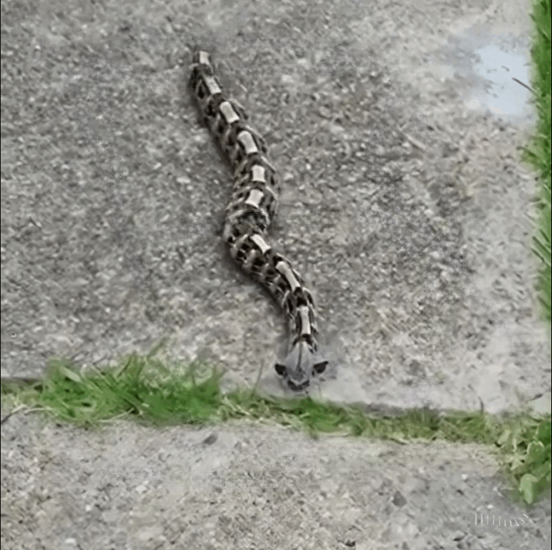
An Unexpected Snake Sighting in the Yard Highlights the Importance of Outdoor Safety
It began as an ordinary morning. I stepped outside, as I often did, expecting to see dew resting on the grass and the familiar quiet of the yard. The air was fresh, the surroundings were peaceful, and nothing seemed unusual. I had planned to spend a few minutes outside before beginning the day’s activities.
Then I noticed something moving near the edge of the grass.
At first, I could not tell what it was. A closer look revealed a snake moving quietly through the yard. In an instant, an ordinary morning became a reminder that nature can sometimes bring unexpected visitors right to our doorsteps.
The sight was surprising, perhaps even unsettling, but it also highlighted an important lesson: understanding how to respond to wildlife encounters can help keep people, children, and pets safer outdoors.
Why Snakes Sometimes Appear in Residential Yards
Finding a snake near a house does not automatically mean something is wrong with the property. Residential yards often provide the same basic resources that attract wildlife elsewhere: shelter, water, and food.
Snakes may enter gardens while searching for small rodents, frogs, insects, or other prey, depending on the species. They may also pass through areas containing dense vegetation, piles of leaves, rocks, wood, or other places where they can shelter.
Weather and seasonal changes can influence snake activity. In some regions, warmer conditions increase the likelihood of seeing snakes moving outdoors. In cooler climates, their activity may be more limited by temperature.
A yard near fields, woodland, wetlands, streams, or undeveloped land may naturally experience more wildlife activity than a heavily urbanized area.
Importantly, a snake spotted in a garden is not necessarily trying to approach people. Many snakes prefer to avoid human contact and will move away when given an opportunity.
The safest response is therefore not to chase or corner the animal, but to give it space.
What Should You Do If You See a Snake?
An unexpected snake encounter can trigger an instinctive reaction. Some people want to run away, while others may feel tempted to approach the animal to identify it or move it somewhere else.
Neither panic nor unnecessary interference is helpful.
The following precautions can reduce the risk of an encounter becoming dangerous.
1. Keep Your Distance
Stop moving toward the snake and give it plenty of room. Do not attempt to touch it, pick it up, trap it, or move it with a stick.
Even a snake that appears motionless may react defensively if someone gets too close.
Because many species can be difficult to distinguish from one another, it is safest to treat an unfamiliar snake cautiously rather than assuming it is harmless.
2. Keep Children and Pets Away
If children or pets are nearby, calmly move them indoors or to another safe area.
Dogs may approach snakes out of curiosity, while children may not recognize the potential danger. Keeping everyone away is more effective than trying to determine whether the animal is venomous while standing close to it.
3. Do Not Try to Kill or Capture It
Attempting to kill a snake can increase the chance of being bitten. A person may need to approach the animal closely, and a defensive snake may strike when threatened.
A snake that appears dead or injured should not be handled either.
If the animal is in a location where people are likely to encounter it, contact a qualified local wildlife professional or animal-control service where available. They can advise on appropriate next steps.
4. Observe Only From a Safe Distance
If you can do so without approaching the animal, note where it was seen and the direction in which it moved.
A photograph taken from a safe distance may help a qualified expert identify the species. However, do not move closer simply to obtain a better picture.
If the snake leaves the area, allow it to go without following it.
How to Make Your Yard Less Attractive to Snakes
No garden can be guaranteed to remain snake-free, particularly in areas where snakes are native. However, some practical maintenance measures can reduce the number of places where snakes may shelter and the food sources that attract them.
Keep grass trimmed. Shorter grass makes it easier to see the ground and reduces concealed areas where wildlife may move unnoticed.
Remove unnecessary clutter. Stacks of timber, discarded materials, and piles of leaves can create sheltered spaces. Store firewood neatly and, where practical, keep it elevated and away from frequently used areas.
Manage rodents. Rodents can attract some snake species. Store animal feed and rubbish securely, clean up spilled birdseed, and address rodent problems using safe, appropriate methods.
Maintain garden structures. Check gaps beneath sheds, outdoor storage areas, and other structures where animals might shelter. Use suitable repairs or exclusion measures when needed.
Be cautious around water sources. Ponds, drainage areas, and damp sections of a garden may attract frogs and other animals that some snakes eat. Keeping the area tidy can help you notice wildlife activity.
These measures should be understood as general wildlife-management practices, not a guarantee that snakes will never enter the yard. Avoid applying chemicals or attempting unverified remedies that could harm pets, children, or other wildlife.
Recognizing a Potentially Dangerous Snake
Snake identification can be difficult, even for people who regularly spend time outdoors. Color, patterns, and body shape vary widely, and harmless species may resemble venomous ones.
For that reason, it is not wise to rely on a single visual feature to decide whether a snake is dangerous.
The species found in a particular area also matter. A snake that is harmless in one region may look similar to a medically significant species elsewhere.
If you encounter an unfamiliar snake, keep your distance and seek guidance from a reliable local wildlife authority. Do not attempt to handle the animal to inspect its head, scales, or other identifying features.
Learning about the species native to your region can be useful, especially if you live near woodland, farmland, wetlands, or other natural habitats. However, knowledge should support safe observation rather than encourage close contact.
What If Someone Is Bitten by a Snake?
Although many snakes avoid people, bites can occur when an animal is accidentally stepped on, approached, cornered, or handled.
Any suspected snakebite should be treated seriously, particularly when the species is unknown.
If someone is bitten, follow these general first-aid principles:
-
Move away from the snake. Do not try to catch or kill it.
-
Seek emergency medical assistance immediately. Contact the local emergency number or follow the local emergency service’s instructions.
-
Keep the injured person calm and as still as possible. Movement can increase the spread of venom in some types of snakebite.
-
Immobilize the affected limb if practical. Avoid unnecessary movement while waiting for medical help.
-
Remove rings, watches, or tight items near the affected area if this can be done easily before swelling develops.
-
Do not cut the wound, suck out venom, apply ice, or use a tourniquet. These actions can cause additional harm.
-
Do not delay treatment while trying to identify the snake. A photograph taken from a safe distance may be useful, but medical care takes priority.
First-aid recommendations can vary by snake species and location. Follow the instructions of emergency professionals and local health authorities.
Even if symptoms initially appear mild, urgent medical assessment is important because some serious effects may not be immediately obvious.
Teaching Children to Respect Wildlife
Children often encounter wildlife while playing in gardens, parks, or fields. Teaching them how to respond to a snake can help prevent risky behavior.
The message should be simple: never touch an unfamiliar snake, never try to pick it up, and tell a trusted adult immediately.
Parents and caregivers can also encourage children to wear appropriate footwear outdoors, avoid reaching into dark spaces they cannot see, and take care when moving rocks, garden materials, or stored items.
These lessons should not make children unnecessarily frightened of nature. Snakes play important ecological roles, including helping control populations of certain small animals.
The goal is to teach respect and awareness rather than fear.
Why Snakes Matter to the Environment
Although snakes can make people uncomfortable, they are part of many healthy ecosystems.
Depending on the species, snakes help regulate populations of rodents, amphibians, insects, and other animals. They also serve as prey for birds of prey and other wildlife.
Their presence can therefore be a normal part of the natural environment surrounding a home.
When possible, allowing a snake to move away without interference is often the simplest solution. If it poses a continuing safety concern, a qualified professional can help determine whether relocation or another intervention is appropriate and lawful.
Understanding the role of snakes helps replace unnecessary panic with a more balanced response.
Turning a Surprise Encounter Into a Safety Reminder
The snake in the yard may have appeared without warning, but the encounter offers a practical opportunity to review outdoor habits.
Keeping gardens maintained, reducing rodent attractants, supervising children and pets, and knowing how to respond to wildlife can all help lower the risk of an unpleasant surprise.
It is equally important to remember that seeing a snake does not mean an attack is imminent. Many snakes would rather escape than interact with people.
The best response combines caution with respect: give the animal space, avoid handling it, and seek professional assistance when necessary.
Final Thoughts
An unexpected snake sighting can transform a peaceful morning into a moment of uncertainty. Yet it does not have to become a dangerous situation.
By keeping a safe distance, protecting children and pets, maintaining the yard, and knowing the basics of snakebite first aid, homeowners can respond more confidently to encounters with wildlife.
Nature does not always remain outside the boundaries of our homes. Sometimes, it passes through our gardens, along our fences, or beneath the trees at the edge of the property.
When that happens, the safest choice is usually the simplest one: stay calm, leave the animal alone, and give it room to move away.
Disclaimer: This article provides general outdoor-safety information and is not a substitute for advice from local wildlife authorities or medical professionals. Snake species, risks, and recommended responses vary by region. In the event of a suspected snakebite, seek emergency medical assistance immediately.