The Hidden Psychology of Highway Restaurants: Why We Crave the Comfort of an Imaginary Past
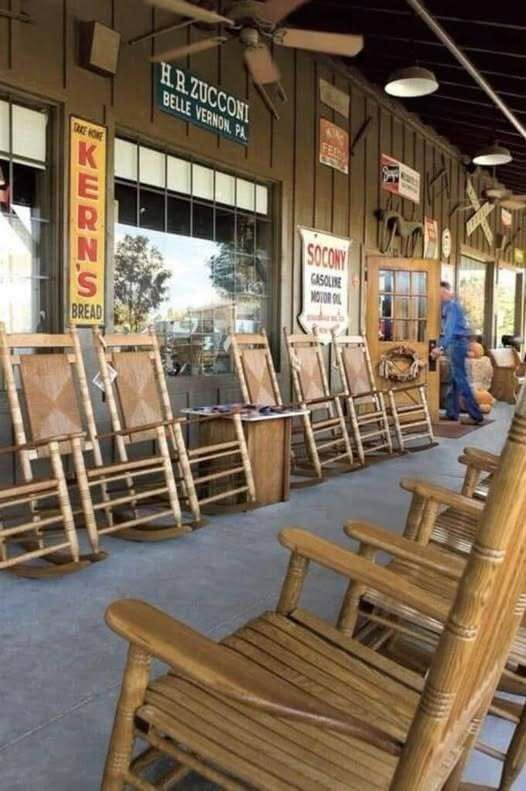
There is something familiar about certain restaurants tucked beside America’s highways. Before customers even step inside, a welcoming porch, wooden rocking chairs, country-style decorations, or a checkerboard pattern can create the feeling of having arrived somewhere special. These places promise more than a meal. They offer a brief escape from the noise, speed, and uncertainty of modern life.
For travelers who have spent hours behind the wheel, that promise can be especially appealing. A restaurant that resembles an old-fashioned family home seems to offer a slower pace, a warmer welcome, and a connection to a simpler time.
But the atmosphere that feels so natural may be carefully designed. What appears to be a spontaneous expression of local tradition can actually be a commercial environment created to evoke a particular version of the past.
How Restaurant Design Creates a Feeling of Home
The experience begins before the food reaches the table.
A wooden porch suggests a place where people sit and talk without watching the clock. Rocking chairs evoke quiet evenings, family visits, and familiar routines. A checkerboard pattern recalls games played around a kitchen table or in a neighborhood gathering place.
Each detail carries associations that extend beyond its practical purpose. Together, they communicate a message: this is somewhere you can relax, feel welcome, and temporarily leave the demands of everyday life behind.
Restaurants use design, lighting, furniture, music, menus, and other visual cues to establish a recognizable identity. When those elements evoke home, childhood, or traditional community life, customers may experience a sense of familiarity even if they have never visited the establishment before.
That feeling is not necessarily false. A manufactured environment can still provide genuine comfort, enjoyable memories, and meaningful moments with family and friends.
The interesting question is not whether the comfort is real, but how the setting encourages people to experience it.
The Difference Between Nostalgia and History
Nostalgia is powerful because it does not reproduce the past exactly as it happened. Instead, it selects particular memories, feelings, and images that help people make sense of the present.
An old-fashioned restaurant might emphasize homemade meals, friendly conversation, traditional decorations, and the appearance of a close-knit community. These details create an appealing picture of a world in which life seems slower and relationships appear more straightforward.
Yet no historical period was entirely simple or comfortable. Earlier generations faced economic hardship, family conflict, social exclusion, and other difficulties that rarely fit neatly into a nostalgic image.
When a business builds its identity around an idealized past, it naturally highlights the elements most likely to attract customers. The less appealing parts of history are often left outside the frame.
This does not mean that traditional aesthetics are dishonest or that customers should reject them. It simply means that an atmosphere inspired by history should not be confused with a complete account of history itself.
A restaurant can recreate the appearance of an old country home without reproducing the realities of the people who once lived in such places.
Why Familiar Surroundings Feel So Comforting
People often seek familiarity during periods of uncertainty, fatigue, or change. A recognizable environment can provide a sense of stability, particularly when the surrounding world feels unfamiliar.
For travelers, this effect can be especially strong. Highways are designed around movement: vehicles pass through landscapes, destinations approach and disappear, and unfamiliar places can begin to blur together.
A restaurant that appears warm and familiar interrupts that experience. It gives travelers somewhere to pause, sit down, eat, and feel temporarily settled.
The attraction may also be emotional rather than purely aesthetic. A porch might remind someone of visiting grandparents. A simple meal may bring back memories of childhood dinners. A checkerboard floor might suggest a small-town gathering place that no longer exists—or one the customer has never personally experienced.
In this way, customers help complete the atmosphere. The business provides the visual setting, but each person brings their own memories, expectations, and associations.
The resulting comfort can be deeply personal, even when the environment itself was designed to appeal to a broad audience.
When a Commercial Setting Becomes a Symbol of Belonging
The appeal of these restaurants goes beyond decoration. They can offer the feeling of belonging to a recognizable cultural story.
A country-style restaurant may evoke images of family traditions, local communities, roadside adventures, and shared meals. Its design suggests that certain values—hospitality, simplicity, and togetherness—remain available even in a fast-moving modern world.
For some customers, this atmosphere feels like a connection to their own upbringing. For others, it offers an imagined connection to a past they wish they had experienced.
Businesses can make that experience accessible by turning familiar cultural symbols into a repeatable setting. Customers know roughly what to expect, whether they stop at one location or another along a long journey.
That consistency is part of the appeal. A traveler can enter an unfamiliar town and still find a place that feels recognizable.
However, a carefully produced sense of belonging is not the same as participating in the everyday life of a real community. A themed restaurant can represent the idea of home without sharing the complexity, history, and relationships that make an actual home or neighborhood distinctive.
Can Manufactured Nostalgia Still Be Meaningful?
It would be easy to dismiss these environments as artificial, but doing so would overlook why people enjoy them.
A rocking chair does not become uncomfortable simply because a business selected it for its nostalgic effect. A family meal does not lose its meaning because it takes place in a restaurant with carefully chosen decorations. People can form genuine friendships, celebrate important occasions, and create lasting memories in commercial spaces.
The distinction matters because recognizing how an atmosphere is constructed does not require rejecting the experience it creates.
Instead, it allows customers to appreciate both sides of the encounter: the intentional design that encourages a particular feeling and the personal meaning they bring to it.
A restaurant may provide a welcome pause during a difficult journey. Its food may be satisfying, its staff may be kind, and its surroundings may offer a sense of peace. Those experiences remain valuable even when the establishment is not an untouched piece of the past.
The problem arises only when the carefully selected image is mistaken for the whole story.
Looking Beyond the Picture-Perfect Past
The next time a highway restaurant invites you to sit on its porch or settle into a rocking chair, there is no need to resist the invitation. Enjoy the meal, appreciate the design, and take the opportunity to slow down.
But it is worth remembering that nostalgia is always selective. The most comforting version of the past is often the one that leaves out whatever might complicate the picture.
The restaurant offers a particular interpretation of home: one built from familiar objects, appealing memories, and carefully arranged details. Other stories—about the people who lived through earlier times, the communities that shaped them, and the realities that existed beyond the idealized image—remain outside the frame.
Perhaps that is the most interesting part of the experience. The comfort can be real even when the past being represented is partly imagined.
A well-designed restaurant can make strangers feel at home for an afternoon. Understanding how it creates that feeling does not diminish the pleasure. It simply reminds us that the meaning of home is larger than any commercial setting can reproduce.