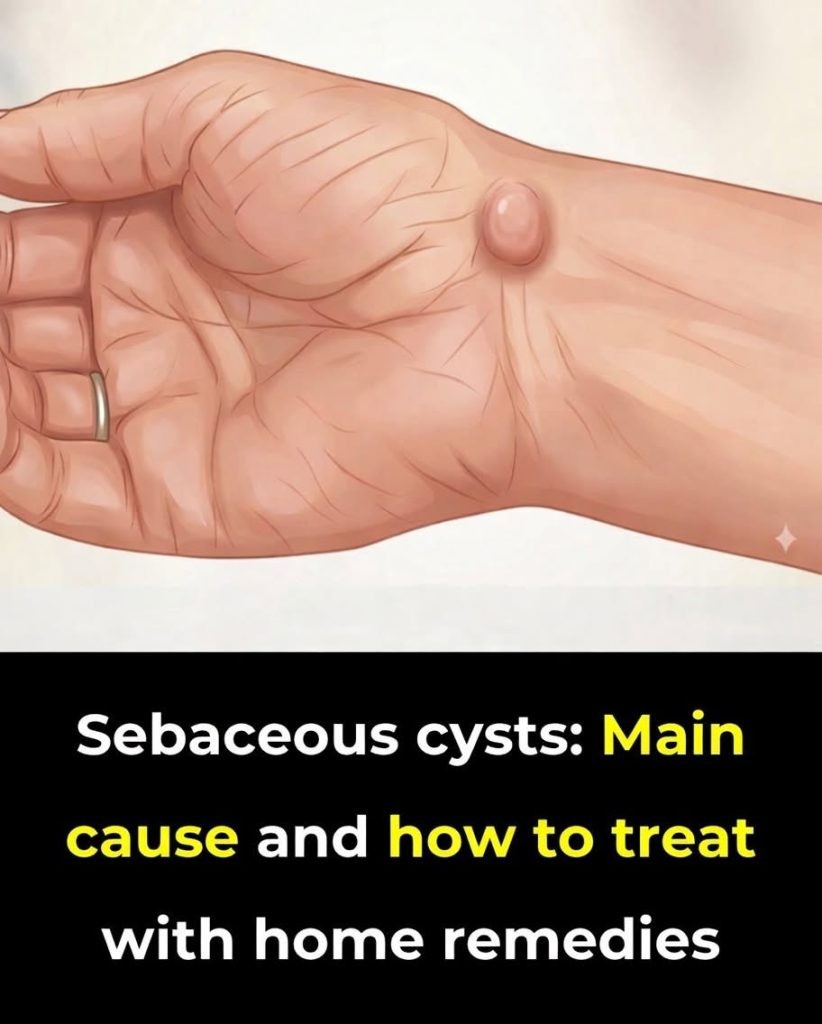
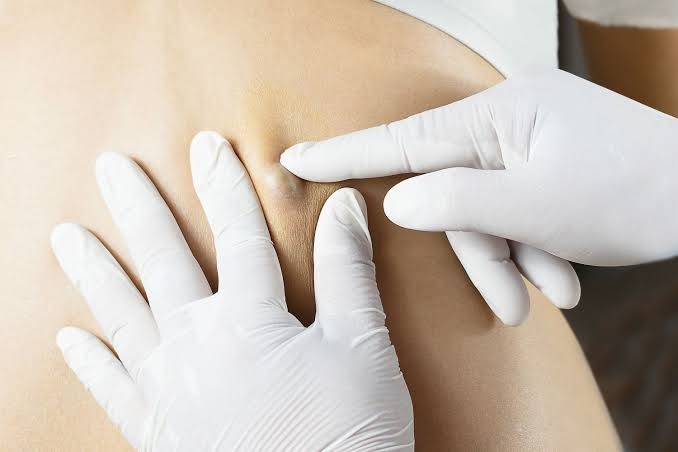
Have you ever noticed a small, round lump beneath your skin that seems to appear out of nowhere? It might be on your face, neck, scalp, back, or chest. Although these lumps can look concerning, many are harmless skin cysts that grow slowly and may remain unchanged for months or even years.
Commonly known as sebaceous cysts, these lumps are often actually epidermoid cysts, which develop when skin cells become trapped beneath the surface and accumulate a protein called keratin. Most do not require treatment unless they become painful, inflamed, infected, or bothersome.
Understanding what causes these cysts, how to care for the surrounding skin, and which warning signs deserve medical attention can help you manage them safely without unnecessary worry.
What Is a Sebaceous Cyst?
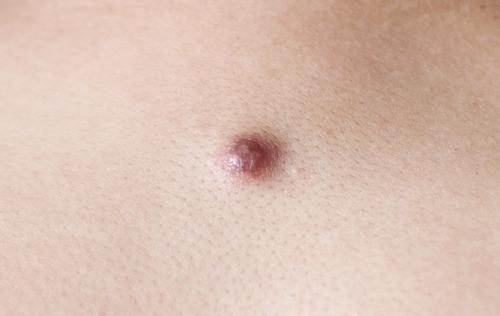
A sebaceous cyst is a common term used to describe a small, enclosed lump beneath the skin. However, many lumps given this name are technically epidermoid cysts rather than true sebaceous cysts.
An epidermoid cyst forms when skin cells become trapped beneath the surface. These cells continue producing keratin, a protein normally found in the outer layer of the skin, hair, and nails. As keratin collects inside a small sac, the sac gradually expands and creates a visible or palpable lump.
True sebaceous cysts are less common and involve structures associated with the skin’s oil-producing sebaceous glands.
Although the distinction may sound technical, it matters because different lumps can look similar while having different causes. A healthcare professional can determine what type of growth is present when its appearance or behavior is uncertain.
What Causes These Skin Lumps to Develop?
Cysts can develop for several reasons, and sometimes there is no obvious trigger.
Common contributing factors include:
-
Trapped skin cells: Skin cells may become lodged beneath the surface instead of shedding normally.
-
Damaged hair follicles: Changes or damage around a hair follicle can contribute to cyst formation.
-
Skin injuries: Cuts, scratches, or other injuries may occasionally cause surface skin cells to become trapped deeper in the tissue.
-
Inflammation or irritation: Certain forms of skin damage can contribute to the development of cysts.
-
Genetic factors: Some people are more prone to particular types of cysts, especially when multiple cysts occur within a family or as part of a genetic condition.
Not every cyst results from poor hygiene, and regularly washing the skin cannot prevent all cysts from forming.
A cyst may appear even when someone follows an excellent skin-care routine.
How Can You Recognize a Skin Cyst?
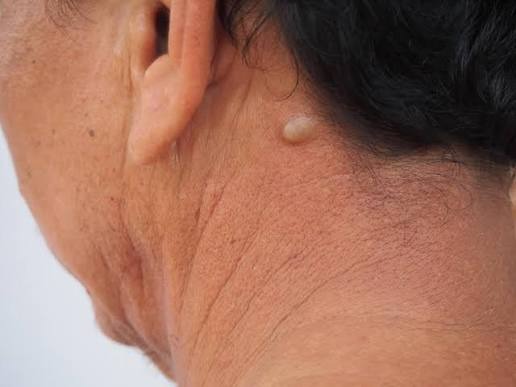
Epidermoid cysts often have a few recognizable characteristics, although appearance alone cannot confirm a diagnosis.
They commonly feel like small, round lumps beneath the skin. Some are soft, while others feel relatively firm. Many can move slightly when gently touched, and some have a tiny dark opening near the center.
They may develop almost anywhere on the body but are frequently found on the face, neck, scalp, back, and chest.
Most grow slowly. Some remain small and stable for years, while others gradually become larger.
An uncomplicated cyst is not usually painful. However, inflammation can cause the surrounding skin to become red, swollen, warm, or tender. If the cyst ruptures beneath the skin, its contents can trigger a significant inflammatory reaction even when no bacterial infection is present.
This distinction is important: a red, painful cyst does not always mean bacteria are responsible, although infection is possible and may require treatment.
Can You Treat a Sebaceous Cyst at Home?
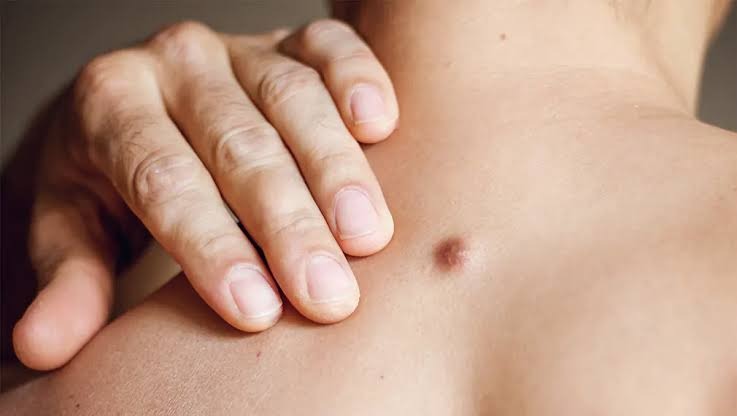
Home care may help reduce irritation and keep the surrounding skin comfortable, but it generally cannot eliminate the cyst itself.
For a small, uncomplicated lump, a few simple measures may help.
1. Apply a Warm Compress
A clean, warm compress may help soothe discomfort and can sometimes encourage a cyst to drain naturally.
To try this method:
-
Soak a clean washcloth in comfortably warm water.
-
Wring out excess water.
-
Hold the cloth gently against the area for approximately 10–15 minutes.
-
Repeat several times daily if it feels soothing.
-
Wash the cloth after use.
The compress should be warm rather than hot to avoid burns or skin irritation.
Keep in mind that warm compresses do not reliably remove the cyst or its surrounding sac. If the lump remains, becomes more painful, or develops signs of infection, seek medical advice rather than continuing home treatment indefinitely.
2. Keep the Area Clean
Gently wash the surrounding skin with mild soap and water. Avoid harsh scrubs, aggressive exfoliation, or repeated rubbing that could irritate the area.
If clothing, jewelry, or shaving repeatedly irritates the cyst, reducing that friction may help prevent additional discomfort.
There is usually no need to use strong disinfectants or apply multiple skin-care products to an uncomplicated cyst.
3. Avoid Squeezing or Popping the Lump
It can be tempting to squeeze a cyst, especially when it has a visible opening or resembles a pimple.
However, squeezing, puncturing, or cutting into a cyst at home is not recommended.
Doing so can push its contents deeper into surrounding tissue, cause additional inflammation, introduce bacteria, and increase the risk of scarring. Even if some material comes out, the cyst’s wall may remain beneath the skin, allowing the lump to return.
If a cyst bursts or begins draining on its own, gently clean the area, cover it with a clean dressing if needed, and seek medical advice if there is significant pain, spreading redness, persistent drainage, or other concerning symptoms.
Do Aloe Vera and Tea Tree Oil Help?
Some people turn to natural remedies when they notice a skin lump. Aloe vera and tea tree oil are commonly discussed because of their potential soothing or antimicrobial properties.
However, there is limited evidence that either remedy can eliminate an epidermoid cyst.
Aloe vera may feel soothing on some irritated skin, but it does not remove the cyst’s underlying sac. Tea tree oil can cause irritation or allergic contact dermatitis, particularly when used undiluted or on sensitive or damaged skin.
Applying these products will not reliably prevent a cyst from returning.
If a lump is persistent, changing, or uncomfortable, it is safer to have it examined than to rely on home remedies that have not been shown to remove the underlying cause.
When Should You See a Doctor?
Most uncomplicated epidermoid cysts are harmless, but certain symptoms warrant medical evaluation.
Arrange an appointment with a healthcare professional if a lump:
-
Becomes increasingly painful or tender.
-
Develops significant redness, swelling, or warmth.
-
Grows rapidly or changes noticeably.
-
Repeatedly drains fluid or develops an unpleasant-smelling discharge.
-
Keeps returning after it has drained.
-
Appears in an unusual location or cannot be confidently identified.
Seek prompt medical care if redness spreads quickly, severe pain develops, or fever accompanies a suspected skin infection.
You should also have a new or unexplained lump examined if you are unsure what it is. Not every lump beneath the skin is a cyst; other skin conditions and growths can look similar.
A healthcare professional can examine the area and determine whether further assessment is needed.
How Do Doctors Treat Sebaceous Cysts?
Treatment depends on the cyst’s size, location, symptoms, and whether it is inflamed or infected.
Observation
If the cyst is small, painless, and clearly benign, a clinician may recommend leaving it alone and monitoring it for changes.
There is generally no medical need to remove every cyst.
Drainage
If a cyst becomes significantly inflamed or forms an abscess, a healthcare professional may recommend a procedure to drain the accumulated material.
Drainage can relieve pressure and discomfort, but it may not remove the cyst wall. As a result, the cyst can return.
Antibiotics may be appropriate when a bacterial infection is present, but they are not automatically needed for every red or inflamed cyst.
Surgical Removal
For a cyst that repeatedly becomes inflamed, causes discomfort, grows, or is cosmetically bothersome, minor surgery may be considered.
During removal, a clinician aims to remove the cyst and its surrounding sac. Removing the sac helps reduce the chance that the cyst will recur.
Complete removal is often easier when the cyst is not actively inflamed. The timing and type of procedure depend on the individual situation.
A healthcare professional can explain the likely benefits, risks, scarring, and recovery time before treatment.
Can You Prevent Skin Cysts From Returning?
Not all cysts can be prevented, particularly those related to genetic factors or the natural development of skin structures.
Nevertheless, avoiding unnecessary skin trauma and reducing repeated irritation may help protect the skin.
Consider the following habits:
-
Avoid picking, squeezing, or repeatedly touching skin lumps.
-
Use gentle skin-care products that do not cause irritation.
-
Take care when shaving areas where cysts frequently develop.
-
Avoid trying to remove a cyst using needles, blades, or chemical treatments.
-
Follow medical advice if a cyst has previously become infected or has been surgically removed.
If the same lump repeatedly returns, have it reassessed. Recurrence may occur when the cyst’s sac remains beneath the skin after drainage.
The Bottom Line
Sebaceous cysts—many of which are actually epidermoid cysts—are common lumps that develop when material accumulates inside a small sac beneath the skin. Most grow slowly and cause no serious problems.
A warm compress, gentle cleansing, and avoiding friction may help keep the area comfortable. However, home remedies generally cannot remove the cyst, and squeezing or puncturing it can make matters worse.
If a lump becomes painful, red, swollen, rapidly enlarges, or repeatedly drains, seek medical advice. A clinician can determine whether it is a cyst, rule out other causes, and recommend observation, drainage, or surgical removal when appropriate.
The safest approach is to leave an uncomplicated cyst alone and seek professional advice when it changes. A small lump beneath the skin is often harmless, but recognizing when it needs attention can help prevent avoidable complications.
Medical disclaimer: This article is for general educational purposes only and does not replace a medical examination, diagnosis, or personalized treatment advice.