What Is the Tiny Hole in Front of Your Ear? Understanding Preauricular Pits
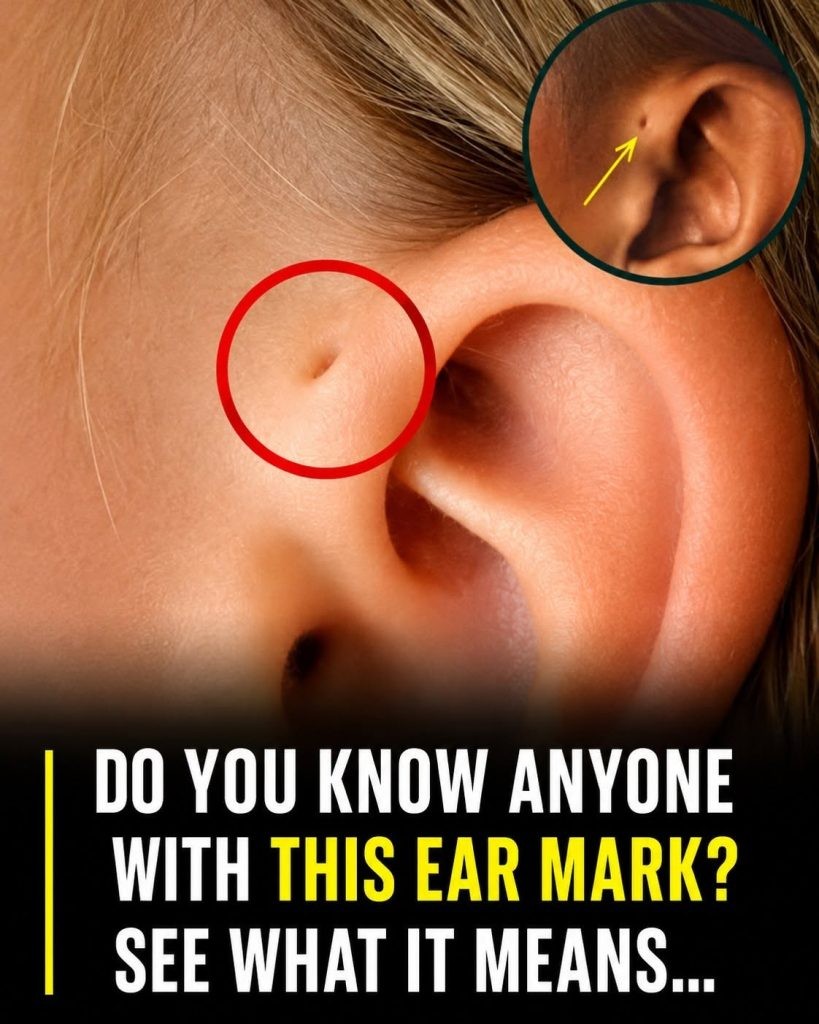
Have you ever noticed a tiny hole, indentation, or dimple just in front of your ear and wondered what it is? Although it may look unusual, this small opening is often a harmless congenital feature known as a preauricular pit or preauricular sinus.
Some people are born with this feature and live with it for decades without experiencing any problems. Others may occasionally notice swelling, irritation, or fluid coming from the opening. Understanding why preauricular pits develop, whether they pose a health risk, and when medical attention is necessary can help put unnecessary worries to rest.
What Is a Preauricular Pit?
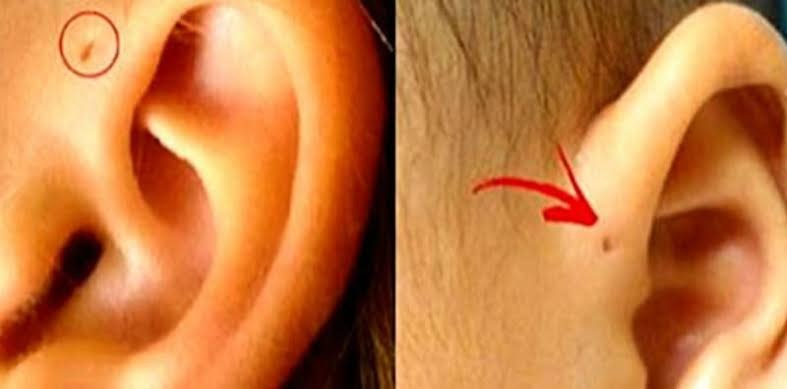
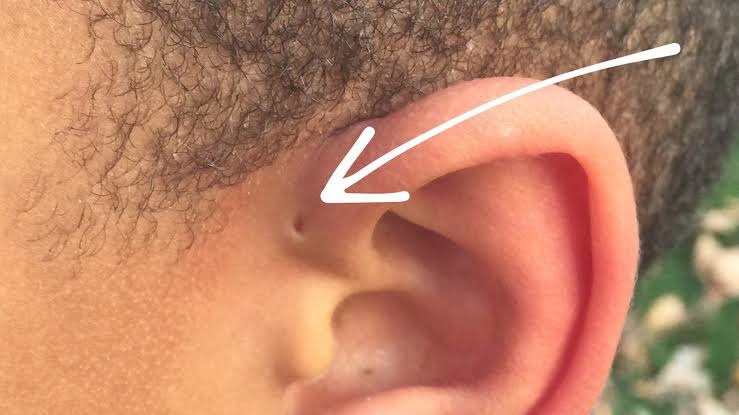
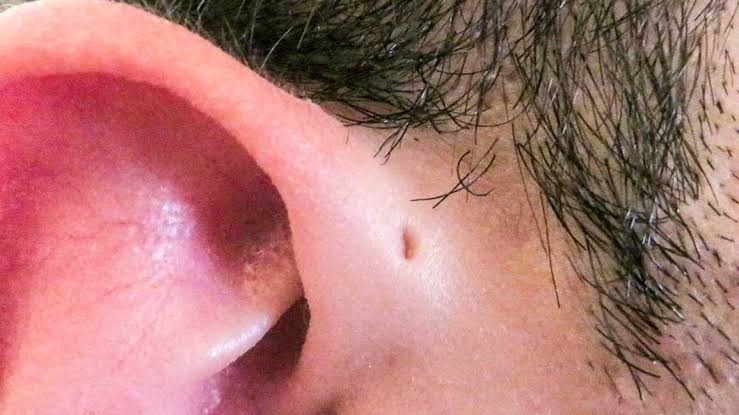
A preauricular pit is a tiny opening in the skin located near the front of the ear, often where the upper part of the ear meets the face.
It may look like a small pinhole or dimple. In some people, it is barely noticeable, while in others, it is easier to see.
Despite its appearance, the opening is not usually caused by an injury, poor hygiene, or a recent infection. It is a congenital feature, meaning it develops before birth.
A preauricular pit may be present on one ear or both ears. Its appearance can vary, and some openings connect to a narrow channel beneath the skin. The length and shape of this channel differ from person to person.
For most people, the pit remains unchanged throughout life and causes no discomfort.
Why Are Some People Born With a Tiny Hole Near the Ear?
The outer ear develops during the early stages of pregnancy through a complex process involving several small structures of tissue.
As these structures grow and come together, they form the shape of the external ear. A preauricular pit can develop when this process does not occur in the usual way, leaving a small opening or tract near the ear.
The exact developmental process is more complex than a simple failure of the tissues to join, but the result is a small congenital indentation or channel.
Preauricular pits are relatively uncommon but well recognized in medicine. They may occur in people with no other health concerns, and their presence alone does not mean that something went wrong during pregnancy.
In many cases, they are simply a natural variation in human anatomy.
Are Preauricular Pits Hereditary?
Yes, preauricular pits can run in families.
A person may notice the same small opening in a parent, grandparent, sibling, or another relative. In some families, the feature appears across multiple generations.
However, not everyone with a preauricular pit has a family history of the condition. It can occur in individuals whose relatives do not have the same feature.
Having a pit does not automatically mean that a child will inherit it, nor does it indicate that other family members need medical testing.
If the opening is isolated and the person has no other concerning symptoms, it generally does not require a special evaluation simply because it may be hereditary.
Are These Tiny Holes Dangerous?
For most people, preauricular pits are harmless.
They usually do not affect hearing, balance, or the normal function of the ear. Many individuals may never realize they have one until they notice it in a mirror or someone points it out.
The main potential complication is infection.
Because some pits lead into a narrow channel beneath the skin, bacteria can occasionally enter the tract and cause inflammation or infection. This may result in symptoms such as:
-
Redness around the opening
-
Swelling or a tender lump near the ear
-
Pain or discomfort when touching the area
-
Fluid, unpleasant-smelling discharge, or pus
-
Repeated episodes of inflammation in the same location
In more significant infections, fever or spreading redness may occur.
Importantly, a tiny hole that has been present for years without symptoms is very different from a new, painful, or rapidly changing lump. A new lump near the ear should not automatically be assumed to be a preauricular pit.
What Should You Do If the Hole Becomes Infected?
If the area becomes red, swollen, painful, or begins draining pus, it is best to seek medical advice.
A healthcare professional can examine the opening and determine whether an infection or abscess has developed. Treatment depends on the severity of the problem.
For some infections, a clinician may prescribe antibiotics. If a pocket of pus has formed, drainage by a medical professional may be necessary.
Avoid squeezing the opening, inserting cotton swabs or sharp objects into it, or attempting to drain it at home. These actions can irritate the surrounding tissue and potentially worsen an infection.
Seek prompt medical attention if swelling or redness spreads, the pain becomes severe, fever develops, or the person feels generally unwell.
Can a Preauricular Pit Be Removed?
Yes. Surgical removal is an option for people who experience repeated infections or persistent drainage.
During surgery, the clinician removes the pit and its associated tract beneath the skin. The procedure is intended to reduce the likelihood of future infections, although the outcome depends on factors such as the tract’s anatomy and whether it can be removed completely.
Surgery is not usually necessary for an uncomplicated pit that has never caused symptoms.
For someone who experiences repeated episodes, a specialist may recommend treating any active infection first and considering surgery once the inflammation has settled.
The decision should be made with an appropriate healthcare professional after discussing the benefits, risks, and likelihood of recurrence.
Does a Preauricular Pit Affect Hearing?
In most cases, no.
An isolated preauricular pit generally does not interfere with hearing because it is a small feature of the skin and tissue near the external ear rather than a problem with the structures responsible for hearing.
However, preauricular pits can occasionally occur alongside other congenital differences. Rarely, they may be associated with certain genetic conditions that affect the ears, kidneys, or other parts of the body.
Additional evaluation may be appropriate if a person has other unusual physical findings, hearing difficulties, a relevant family history, or symptoms suggesting a broader medical condition.
The presence of a pit alone does not mean that a person has a genetic disorder or needs extensive testing. A clinician can decide whether further assessment is warranted based on the individual’s overall health and medical history.
How Should You Care for a Preauricular Pit?
If the opening is not causing problems, care is usually simple.
Keep the surrounding skin clean during normal washing, dry the area gently, and avoid repeatedly touching or probing the opening.
There is generally no need to apply special products, disinfectants, or medication to an asymptomatic pit. Trying to clean deep inside the tract may irritate the skin rather than provide any benefit.
If discharge, pain, or swelling develops, seek medical advice instead of attempting to manage the problem by squeezing or aggressively cleaning the opening.
For someone who has never experienced symptoms, routine daily hygiene is typically sufficient.
When Should You See a Doctor?
Although preauricular pits are usually harmless, certain changes deserve medical attention.
Arrange an evaluation if the area becomes repeatedly infected, persistently drains fluid, develops a tender lump, or changes noticeably.
Seek prompt care for rapidly increasing swelling, severe pain, spreading redness, or fever. These symptoms may indicate an infection that needs treatment.
A healthcare professional should also assess a pit accompanied by hearing problems or other unusual symptoms, particularly if there are concerns about additional congenital conditions.
If the opening has been present since birth, remains unchanged, and causes no discomfort, there is generally no reason to panic.
The Bottom Line: A Tiny Hole Near the Ear Is Often Harmless
A small hole or dimple in front of the ear may look surprising, but it is often a preauricular pit, a congenital feature that develops before birth.
Most people with this feature experience no complications and do not need treatment. The main concern is the possibility of infection, which may cause pain, redness, swelling, or discharge.
Keeping the area clean, avoiding unnecessary manipulation, and seeking medical advice when symptoms develop are usually the most important steps.
A preauricular pit is not automatically a sign of illness. If it remains quiet and unchanged, it is generally nothing to worry about. If it becomes painful, repeatedly infected, or begins to change, a healthcare professional can help determine whether treatment is needed.
Medical disclaimer: This article is for general informational purposes only and should not replace an examination or personalized advice from a qualified healthcare professional.