How to Improve Leg Circulation: Practical Exercises and Daily Habits
Understanding the Importance of Leg Circulation

Healthy blood circulation is fundamental to the well-being of the body. Proper blood flow ensures that oxygen, nutrients, hormones, and immune cells are delivered efficiently to every tissue. The legs, due to their position relative to the heart and their reliance on muscular activity, are particularly vulnerable to circulatory challenges.
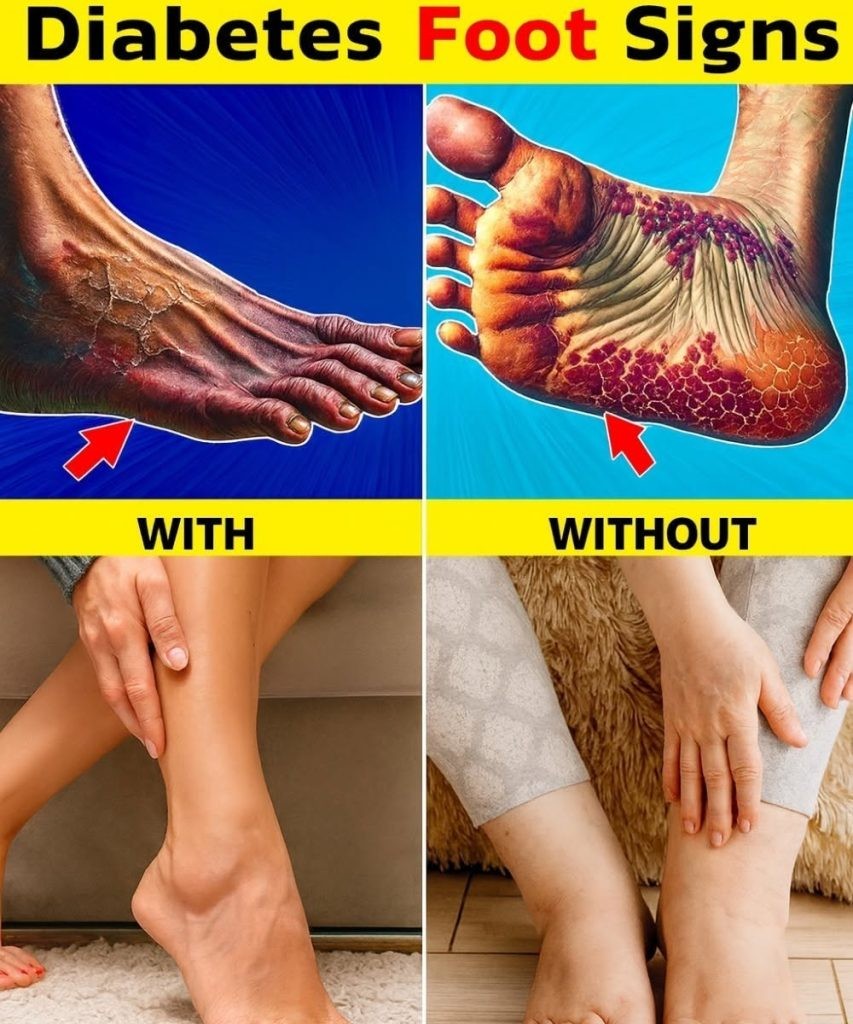
When leg blood flow becomes sluggish, common symptoms include swelling, heaviness, muscle cramps, tingling sensations, cold feet, and fatigue. These can be exacerbated by sedentary lifestyles, aging, poor posture, or underlying health conditions.
The Physiology Behind Leg Circulation

The circulatory system comprises arteries (delivering oxygen-rich blood from the heart) and veins (returning oxygen-depleted blood back). In the legs, veins are supported by surrounding muscle contractions, which serve as a “muscle pump” to counteract gravity and help propel blood upwards toward the heart.
Experts from organizations such as the Mayo Clinic highlight that the flow-reducing factors include aging, obesity, diabetes, smoking, and extended inactivity. These risk factors may contribute to vascular problems such as deep vein thrombosis (DVT), venous insufficiency, or varicose veins.
Exercise: The Key to Healthy Leg Circulation
Movement is the most effective tool for promoting circulation in the lower limbs. Even simple forms of exercise can yield significant benefits:
1. Walking
Walking is easily accessible and offers comprehensive benefits. Medical authorities recommend incorporating at least 20–30 minutes of brisk walking into daily routines, as tolerated and comfortable. This movement strengthens calf and thigh muscles, promotes cardiovascular health, and reduces stiffness associated with long periods of sitting.
For those unable to walk for extended periods, shorter frequent walks and regular standing breaks are encouraged. Numerous studies demonstrate that interrupting sedentary behavior with movement leads to better venous return and less swelling.
2. Calf Raises
This simple exercise directly targets the calf muscle pump, facilitating blood return from the legs. To perform calf raises, stand upright, slowly lift onto your toes, pause for several seconds, and lower your heels back down. Repeat for 10–15 repetitions, or as tolerated, several times a day. This can be incorporated into routines at home or work without special equipment.
3. Leg Elevation
Elevating the legs above heart level for 10–15 minutes, especially after prolonged sitting or standing, helps reduce fluid retention and swelling. Use pillows or prop legs against a wall for gentle relief. This technique is especially useful for individuals with varicose veins or discomfort after travel.
4. Ankle Rotations and Foot Pumps
These activities are recommended during long periods of inactivity, such as flights or desk work. Rotate ankles in circles, then flex and point toes to activate veins and maintain flexibility in lower extremities. Regular movement helps counteract the negative effects of static postures.
5. Cycling and Stretching
Cycling outdoors or on stationary bikes is another excellent option for improving leg muscle strength and cardiovascular fitness. Gentle stretching further enhances flexibility and mobility, targeting muscles such as the calves, hamstrings, quadriceps, and hips. Stretching reduces stiffness, supports blood flow, and optimizes functional movement.
Daily Lifestyle Habits That Boost Circulation
In addition to targeted exercises, certain daily practices can further promote efficient leg blood flow. Experts recommend the following:
- Hydration: Drinking adequate water helps maintain the viscosity of blood, ensuring proper flow and reducing risk of clots.
- Weight Management: Achieving and sustaining a healthy weight lessens pressure on leg veins and decreases the risk of chronic venous disease.
- Tobacco Avoidance: Not smoking is crucial, as tobacco impairs circulation and damages blood vessels.
- Comfortable Clothing: Wear loose-fitting, non-restrictive clothes to avoid impeding blood flow in the legs.
- Regular Movement Breaks: Avoid sitting or standing for extended periods. Use reminders or alarms to stand up and move every hour.
Compression Socks
For some individuals, especially those with venous insufficiency or varicose veins, compression socks may support circulation by gently squeezing the legs and assisting blood movement. However, proper sizing and medical guidance are essential, as inappropriate compression can cause harm or discomfort.
Medical Warning Signs and When to Seek Help

Routine exercise and lifestyle adjustments promote healthy circulation for most people. Nonetheless, some symptoms should prompt medical evaluation:
- Persistent swelling, pain, or heaviness in legs that does not improve with movement or elevation may indicate an underlying vascular or cardiac condition.
- Skin discoloration, numbness, cold extremities, or wounds on the legs or feet that do not heal may be signs of impaired blood flow.
- Sudden onset of swelling, pain, warmth, or redness in one leg can suggest deep vein thrombosis (DVT), which requires urgent medical attention.
Simple exercises are beneficial for prevention and mild symptoms, but cannot treat every underlying cause. According to the CDC, medical professionals should assess those with persistent or severe symptoms to rule out serious vascular diseases.
Expert Perspectives on Leg Circulation and Exercise
Globally, vascular health experts emphasize the value of regular physical activity and awareness of risk factors. The World Health Organization (WHO) recommends at least 150 minutes of moderate-intensity activity weekly for adults, which benefits cardiovascular and venous health.
Alongside exercise, public health campaigns focus on educating about tobacco cessation, diabetes management, and obesity reduction to curb incidences of vascular disease. Countries with high rates of sedentary behavior, such as the United States and the United Kingdom, have launched initiatives to encourage movement breaks during work or travel.
International and Societal Reactions
In recent years, awareness campaigns surrounding leg circulation and vascular health have been featured in healthcare systems, educational materials, and media outlets worldwide. Airlines frequently provide guidance on in-flight exercises to prevent DVT among travelers. Hospitals and clinics offer patient education programs highlighting the importance of movement, proper hydration, and symptom recognition.
Research led by institutions such as the Reuters Health division and BBC Medical News underscores the rising problem of vascular diseases, especially in aging populations. Societal responses have included increased uptake in wearable technology for step tracking, standing desks in workplaces, and expanded access to compression garments.
Challenges and the Path Forward
While knowledge about healthy leg circulation is growing, barriers remain. Time constraints, limited mobility, and lack of access to comfortable walking environments may impact individual ability to follow recommendations. Healthcare professionals stress that consistency and gradual progress are preferable to intensive exercise, especially for those unaccustomed to physical activity.
Personalized advice, inclusive physical activity programs, and early symptom recognition can help mitigate challenges and improve outcomes. Individuals should tailor routines to their abilities and consult healthcare providers when uncertain about how to start or progress exercise for leg circulation.
Summary: Key Takeaways for Leg Circulation Health

- Leg circulation relies on regular muscle activation, movement, and healthy daily habits.
- Walking, calf raises, leg elevation, ankle rotations, cycling, and stretching are all effective.
- Healthy lifestyle choices—including hydration, tobacco cessation, and weight management—further support vascular health.
- Persistent symptoms or sudden changes warrant prompt medical evaluation.
- Globally, public health efforts emphasize education, prevention, and early intervention in vascular disease.
Engaging in regular, moderate exercise adapted to individual needs can improve leg circulation, reduce discomfort, and support long-term wellness. Consistency, awareness of risk factors, and proactive engagement with healthcare professionals are essential for optimal vascular health.
Sources
- Mayo Clinic
- Centers for Disease Control and Prevention (CDC)
- World Health Organization (WHO)
- Reuters Health
- BBC Medical News
- The Guardian Health
Disclaimer: This content is intended for entertainment purposes only and is not based on real events.