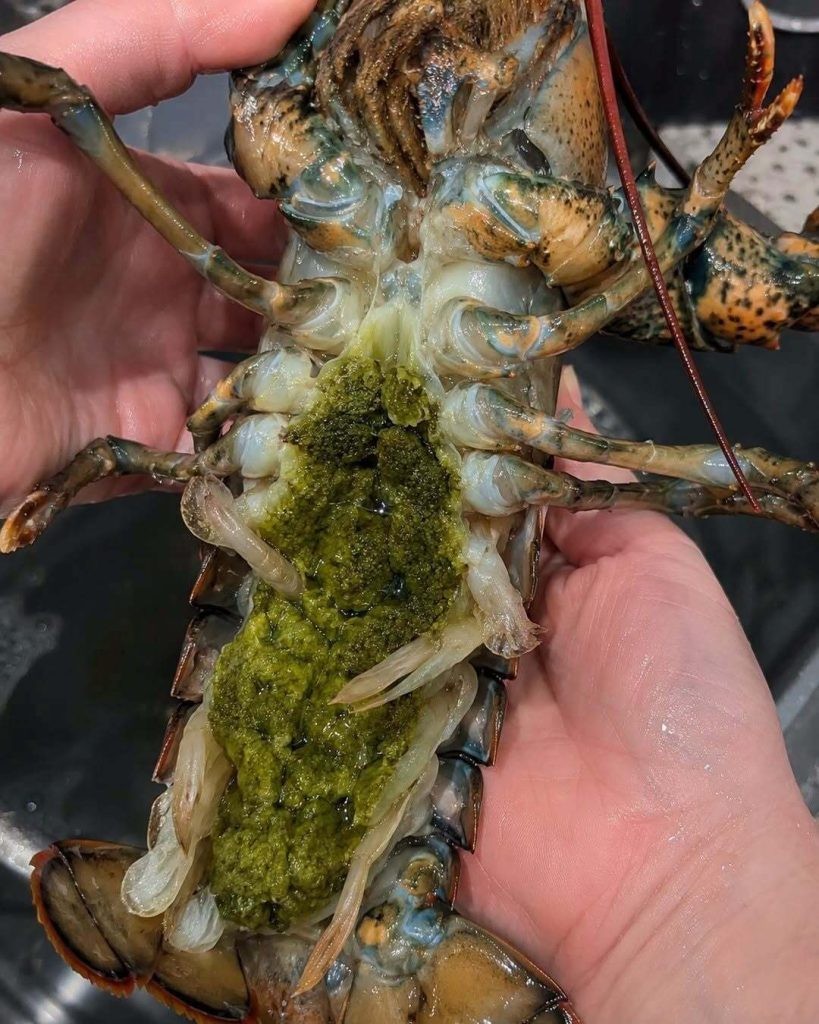
The Green Stuff in Lobster: What Is Tomalley and Is It Safe to Eat?
Understanding Tomalley: The Lobster’s Digestive Gland
When you crack open a cooked lobster for the first time, you may find a bright green substance tucked inside the shell. This discovery often prompts questions about its safety and culinary value. This green material is known as tomalley. Tomalley serves an essential role in the lobster’s anatomy, acting as the animal’s digestive gland—combining functions similar to both a liver and pancreas in humans. It is responsible for digesting food, storing nutrients, and filtering substances that lobsters consume from their aquatic environment.
The term “tomalley” comes from the French word “tomalley,” referring to the edible liver and pancreas of crustaceans. In lobsters, tomalley has a soft, creamy consistency and a striking green color, which makes it stand out against the white, firm meat that most people are familiar with. Its role in the lobster’s physiology is significant, as it processes everything the lobster eats and encounters, including both beneficial nutrients and potentially harmful substances.
Tomalley as a Delicacy: Culinary Uses and Appreciation
Tomalley has long been prized by seafood aficionados, especially in regions where lobster is a culinary staple. The unique flavor profile—rich, creamy, and intensely briny—sets it apart from lobster meat. Some diners use tomalley as a spread on toast or crackers, stir it into seafood sauces, or incorporate it into bisques and stews for added depth and complexity. Chefs sometimes blend tomalley into compound butter, drizzle it over grilled lobster, or use it to enhance specialty dishes, taking advantage of its strong, oceanic taste.
The appreciation for tomalley is not universal. Its flavor is bold and can overwhelm milder ingredients, and its texture is somewhat different from the sweet, delicate lobster meat that most people expect. For this reason, tomalley often divides opinions: some savor its taste as a true delicacy, while others remove it and opt for the more familiar parts of the lobster. In culinary circles, tomalley is celebrated for its ability to add richness and umami to seafood recipes, although it also inspires caution for reasons explained below.
Potential Health Risks: Contaminants and Toxins in Tomalley
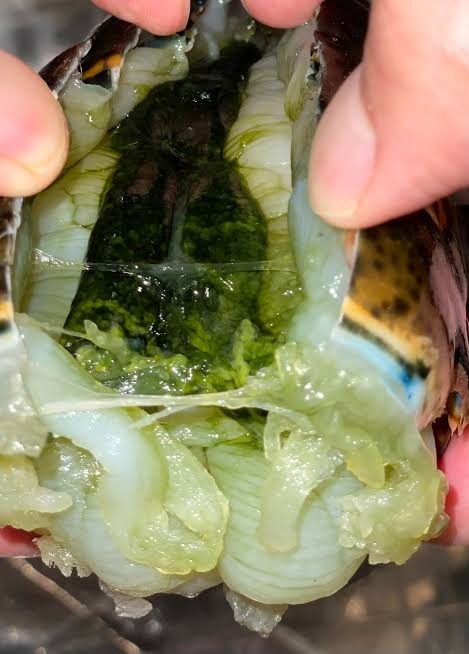
While tomalley is enjoyed by many, it is also the organ where certain contaminants and toxins are most likely to accumulate. Because tomalley acts as a filtering and processing gland, much like the human liver, it can concentrate environmental pollutants present in the waters where lobsters live. Common toxins and contaminants found in tomalley include heavy metals (such as mercury), polychlorinated biphenyls (PCBs), and toxins produced by harmful algae blooms. The latter, specifically paralytic shellfish poisoning (PSP) toxins from red tide events, can pose significant health risks if consumed in high concentrations.
Numerous food safety agencies, including the United States Food and Drug Administration (FDA), the Centers for Disease Control and Prevention (CDC), Health Canada, and equivalent bodies in Europe, have issued advisories regarding the consumption of tomalley. These warnings are particularly important during or after algal blooms in coastal areas, when shellfish and crustaceans may be exposed to levels of natural toxins that can make tomalley unsafe to eat. In these cases, toxins can cause symptoms ranging from mild gastrointestinal distress to severe neurological issues.
Scientific studies underscore the importance of monitoring tomalley for these contaminants. Because lobsters are bottom-dwelling creatures and tomalley serves as the digestive gland, it is prone to higher concentrations of harmful substances compared to other tissue. Researchers recommend vigilance, especially for sensitive populations such as pregnant women, children, and those with compromised immune systems.
Guidelines for Safe Consumption: Making Informed Choices
For consumers who wish to enjoy tomalley, experts advise taking several precautions. First, always source lobsters from reputable, regulated suppliers who follow strict food safety guidelines. These providers are more likely to have harvested lobsters from clean waters that are regularly tested for toxin and contaminant levels. Avoid eating tomalley during times when shellfish advisories are active, as public health agencies will issue alerts for high-risk periods following harmful algal blooms.
Moderation is also recommended. Even when lobster is harvested from safe regions, regular consumption of tomalley may increase exposure to contaminants over time. For the majority of people, removing the tomalley from the lobster, and consuming only the sweet, succulent meat, is the safest option. Those who choose to eat it should do so occasionally and be mindful of advisories. Additionally, never consume tomalley from lobsters that appear ill, are caught in polluted areas, or have visible signs of abnormality.
If you are preparing lobster at home, simply scoop out the green substance after cooking, or ask for it to be removed at restaurants. Some establishments may choose not to serve tomalley at all, reflecting both customer preferences and responsible food safety practices.
Global and Societal Perspectives: Tomalley in International Cuisine
How tomalley is treated varies by culture and region. In parts of New England, Canada, and France, tomalley is sometimes seen as a luxurious treat. In Asian cuisine, lobster innards may be used in sauces or soups, adding depth to traditional recipes. Conversely, many seafood festivals, restaurants, and food authorities around the world discourage its consumption, favoring safety and transparency.
International advisories, especially from coastal nations, contribute to broad awareness about the risks and rewards of eating tomalley. For example, the Canadian Food Inspection Agency (CFIA) regularly tests shellfish and crustaceans for toxins during red tide seasons, and issues public warnings whenever necessary. European Union agencies and U.S. state departments of health similarly publish guidelines on safe seafood handling, emphasizing the importance of consumer education about tomalley and related organs.
Societal attitudes often reflect a balance between culinary curiosity and caution. The rise of seafood tourism and gourmet events has prompted increased interest in traditional preparations, but also spotlighted the need for responsible, informed eating practices. Lobster lovers now have access to more reliable information and clearer choices, empowering them to decide what fits their preferences and comfort levels.
Expert Views: Health Officials and Marine Scientists
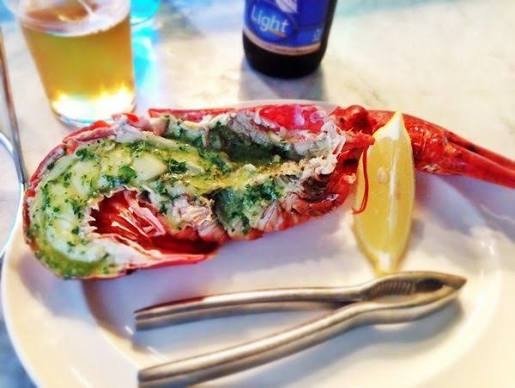
Marine biologists and health professionals agree that tomalley’s unique nutritional profile is offset by its potential to concentrate contaminants. While tomalley contains valuable vitamins and minerals, including vitamin A, vitamin D, and trace elements, the possibility of toxin exposure means experts recommend moderation. “Tomalley acts as a filter for everything the lobster eats,” notes Dr. Jane Williams, a marine toxicologist. “It provides flavor and nutrients, but also risks.”
The CDC and other agencies maintain that the risks can be substantially reduced by monitoring waters where lobsters are harvested, observing advisories, and following recommended cooking and cleaning procedures. According to the World Health Organization (WHO), food safety practices and regular testing play a major role in reducing cases of shellfish poisoning around the globe. Consumers are encouraged to stay informed and ask questions about sourcing, especially when dining out or cooking seafood at home.
Health experts recognize that seafood is an essential part of many diets, and emphasize the importance of weighing both tradition and safety. By understanding the science behind tomalley and listening to credible public health advice, individuals can enjoy lobster responsibly.
The Decision: Personal Preference and Informed Eating
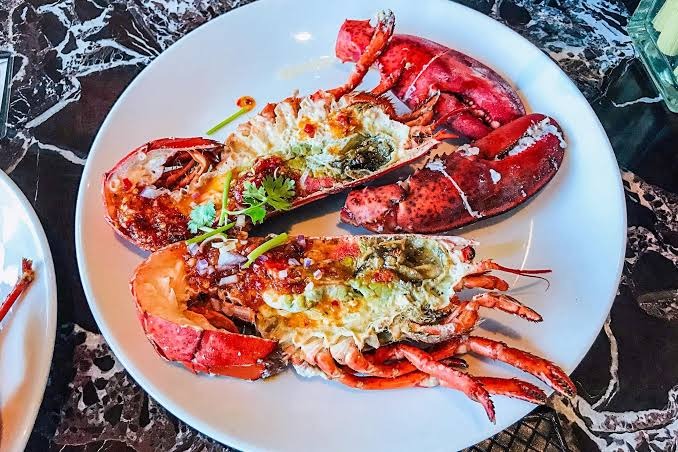
Ultimately, whether to consume tomalley is a personal choice. Some diners relish its bold, briny flavor, viewing it as one of the best parts of the lobster, while others avoid it entirely. The key is understanding what tomalley is, how it functions, and what the experts say about its safety. By considering both the culinary appeal and the potential health risks, you can make an informed and confident decision about what’s on your plate.
Enjoying seafood is not just a matter of taste—it’s also about knowledge and responsibility. As public awareness grows, more consumers are empowered to make decisions that suit their preferences and health needs. Whether you savor tomalley or skip it, knowing the facts helps ensure that your lobster experience is safe, enjoyable, and satisfying.
Sources
- Reuters
- BBC
- Centers for Disease Control and Prevention (CDC)
- World Health Organization (WHO)
- Canadian Food Inspection Agency (CFIA)
- The Guardian
- Mayo Clinic
Disclaimer: This content is intended for entertainment purposes only and is not based on real events.