A Snack That Looks Healthy or Trendy Can Still Carry Hidden Risks
Understanding the Hidden Dangers in Modern Snack Foods
Snack foods often present themselves as healthy or fashionable options, appealing to consumers who seek convenience and wellness. However, beneath attractive packaging, nutritional claims, and popular trends, hidden risks may lurk. Recent food scares highlight these dangers, drawing attention not just to unusual incidents but also to broader concerns involving inconsistent safety standards, questionable sourcing, and insufficient regulation. This comprehensive analysis explores the real risks behind snacks, the systems meant to protect consumers, and expert recommendations for staying safe.
Common Sources of Food Safety Risks
Despite growing awareness about nutrition and diets, food safety remains a complex challenge. Many snack products, such as seeds, nut mixes, and packaged treats, can be exposed to bacteria, chemicals, or allergens during processing, packaging, and transport. Sometimes, safety standards vary widely between producers and regions, especially when items originate from unregulated or poorly monitored sources. According to food safety authorities, contamination can happen at any stage, from agricultural production to retail storage.
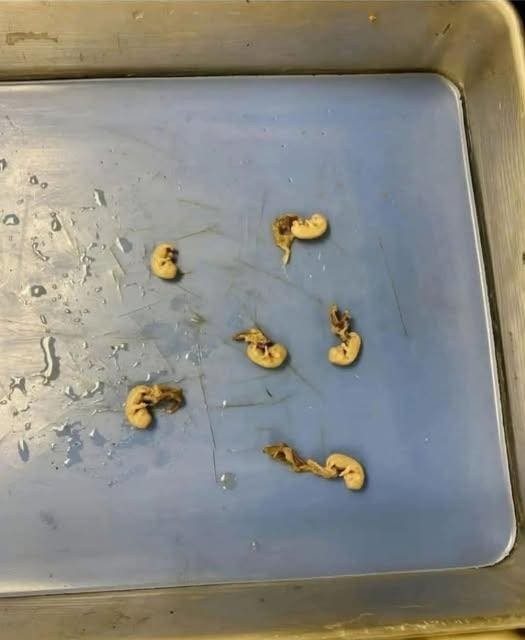
Food scares often arise when unusual symptoms are reported after consuming a particular product. Social media and online rumors may amplify fears, sometimes focusing on “mystery seeds” or dramatic symptoms, as seen in incidents such as the recent Mexico City case. While public panic tends to grow rapidly online, medical experts usually emphasize more common explanations: contamination by bacteria like Salmonella or E. coli, improper storage, mishandling, or the presence of undeclared ingredients and allergens.
Contamination and Improper Handling: Everyday Food Hazards
Contamination is a leading cause of foodborne illness outbreaks. Research from the Centers for Disease Control and Prevention (CDC) shows that snacks and ready-to-eat foods may acquire harmful bacteria or viruses if handled improperly. For example, inadequate washing, cross-contamination with raw foods, and poor temperature control during storage can all lead to bacterial growth. Snack mixes, seeds, and packaged goods may also contain mycotoxins, pesticides, or other chemical residues if production is not carefully monitored.
Improper handling extends beyond contamination. The addition of excessive flavorings, preservatives, or artificial ingredients introduces further risks. Some additives can cause allergic reactions or may be associated with health concerns if consumed regularly over time. While these substances are usually regulated, weak oversight or mislabeling may place vulnerable populations at greater risk.
Unregulated Sources and Informal Markets
The global snack market is diverse, with products originating from small-scale producers, informal vendors, or unregulated suppliers. In many regions, especially where food inspection resources are limited, snacks may reach consumers without full quality assurance. Unregulated sources may not follow consistent protocols for hygiene, ingredient disclosure, or allergen labeling. This increases the likelihood of hidden risks, especially in settings with informal retail channels and markets.
Experts from organizations such as the World Health Organization (WHO) and the Food and Agriculture Organization (FAO) advocate for stronger regulation and transparency across the supply chain. They emphasize that properly monitored production reduces the probability of contamination, mislabeling, and fraud. Despite these efforts, many products bypass inspection due to gaps in oversight, logistical challenges, or lack of enforcement.
Undeclared Ingredients and Allergen Risks
One of the most insidious risks in snack foods is the presence of undeclared ingredients, especially allergens. Individuals with allergies to nuts, dairy, soy, or gluten may experience serious reactions if products contain hidden traces of these substances not listed on labels. Regulatory agencies require clear labeling, but errors, fraud, or incomplete inspection may cause labels to omit crucial information.
In some cases, producers may unintentionally introduce allergens during manufacturing (cross-contact), or they may intentionally substitute ingredients without proper notice. The seriousness of these risks is underscored by recurring recalls of snack foods internationally, with authorities urging consumers to check recall notices and avoid products that lack adequate labeling or provenance.
Risks from Additives and Low-Quality Ingredients
Snacks marketed as healthy or trendy may contain excessive additives, sugar, salt, or fat. The quality and source of ingredients can vary significantly. Over time, regular consumption of low-quality snacks has potential health consequences, including increased risk of obesity, cardiovascular disease, or metabolic disorders. Even snacks with “natural” or “organic” labeling may not be immune to issues such as improper ingredient sourcing, misleading marketing claims, or unknown processing methods.
Studies from the Mayo Clinic and National Institutes of Health (NIH) indicate that moderation and careful selection are crucial. Additives approved for food use are generally safe when consumed within regulated amounts, but excessive intake or exposure to poorly monitored substances may pose cumulative health risks.
Vulnerable Populations: Children, Pregnant Individuals, and Those with Chronic Conditions
Certain groups experience heightened sensitivity to food safety lapses. Children, pregnant individuals, and people with chronic health conditions are more susceptible to harm from contamination or undisclosed ingredients. Even mild cases of bacterial or chemical exposure can have serious impacts, including digestive illness, immune reactions, or developmental complications in children. Experts recommend extra vigilance for these groups, avoiding unregulated products, and consulting healthcare professionals if symptoms arise after consumption.
Educational campaigns and public health advisories emphasize that symptoms from contaminated food may appear within hours or days, ranging from mild discomfort to severe illness. Medical attention is warranted for persistent symptoms, and authorities advise reporting suspected foodborne illness to health agencies for further investigation.
Systemic Challenges in Food Safety and Regulation
The underlying issue extends beyond the risks of individual products. Fragmented or inconsistent oversight, especially in regions with limited regulatory infrastructure, undermines consumer protection. When products bypass formal inspection channels, essential safeguards are lost, including traceability, accurate labeling, and ingredient transparency. Food safety experts stress that robust regulation, international standards, and producer compliance are foundational for public confidence and health.
Globalization and the rise of online marketplaces add complexity, with snacks traveling across borders and markets. The food industry alongside government agencies work to improve traceability and harmonize standards through digital tracking, certification, and recall systems. Despite progress, consumers are urged to practice caution and prioritize reputable sources.
Best Practices for Consumers: Staying Safe Amid Food Scares
Amid viral rumors and food scares, reliable safety habits remain paramount. Experts from the U.S. Food and Drug Administration (FDA) and European Food Safety Authority (EFSA) advise consumers to:
- Purchase snacks from established and reputable sellers, avoiding informal markets where possible.
- Read ingredient lists and allergen information thoroughly before buying or consuming products.
- Inspect snacks for signs of spoilage, such as odd smells, discoloration, or unusual textures.
- Check for recalls and advisories from official health agencies, especially in cases of suspected contamination.
- Store snacks according to recommended conditions to prevent bacterial growth and preserve quality.
- Be aware of health conditions that may require special dietary vigilance.
In addition, when faced with viral scares or online rumors, consumers are encouraged to seek guidance from official sources rather than rely on speculation. While high-profile incidents often fade from public discussion, the everyday importance of food regulation and mindful purchasing should remain front and center.
Societal and International Responses to Snack Safety Concerns
Globally, governments and industry groups continue to refine standards, enact stricter inspection protocols, and launch educational initiatives. Programs run by the WHO and CDC support member countries in developing responsive food recall systems and risk communication strategies. The food industry invests in traceability technology, hygienic processing, and transparent supply chains to restore trust and prevent future incidents.
Public awareness is growing, with consumers increasingly demanding accountability and clarity about what goes into snack foods. Advocacy groups campaign for stronger labeling, clearer ingredient disclosure, and greater research on health impacts. As a result, some manufacturers reformulate products, reduce additives, and expand allergy-safe options.
Conclusion: The Importance of Informed Choices and Ongoing Regulation
While snacks that appear healthy or trendy may sometimes carry hidden risks, the underlying challenge is systemic and multifaceted. Vigilance, regulation, and informed purchasing are crucial to safeguarding public health. Consumers who heed expert advice, favor reputable sources, and pay attention to labeling and product quality are better positioned to avoid hazards. As food systems become increasingly complex, ongoing cooperation between regulators, producers, and consumers will be essential to address evolving risks and maintain confidence in snack safety.
Sources
Disclaimer: This content is intended for entertainment purposes only and is not based on real events.