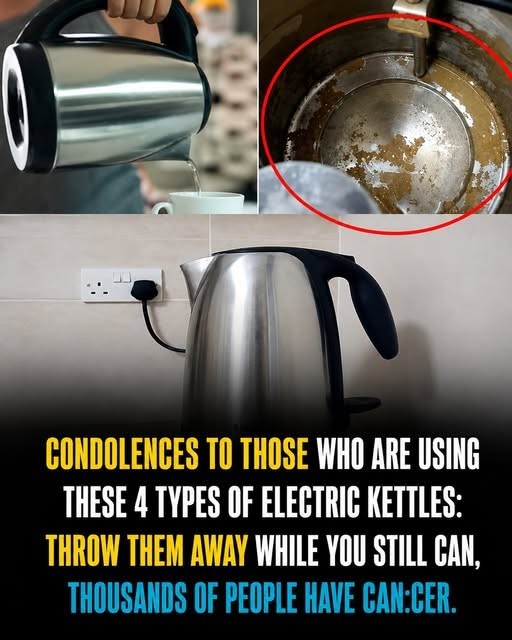
Electric kettles have become indispensable kitchen appliances, prized for their efficiency and convenience in boiling water for tea, coffee, cooking, and other everyday uses. However, in recent years, alarming headlines and viral online claims have suggested that certain electric kettles could pose cancer risks. This article aims to provide a thorough, evidence-based analysis of these concerns, addressing the most common questions and misunderstandings surrounding kettle materials, maintenance, and safety. By exploring available scientific research, expert opinions, and regulatory standards, we can distinguish between fact and fiction and help consumers make well-informed choices.
Examining the Claims: Are Electric Kettles Linked to Cancer?
Numerous online sources have asserted that some electric kettles, particularly those made from specific materials or showing signs of wear, could release harmful compounds that may raise cancer risk. It is crucial to note that, as of June 2024, no credible scientific evidence or regulatory body—such as the World Health Organization (WHO) or major cancer research institutes—has identified properly manufactured electric kettles used as intended as a carcinogenic threat. Headlines often emphasize hypothetical risks without referencing reliable studies or official guidance, contributing to confusion and anxiety among consumers.
Experts emphasize that materials approved for repeated food and water contact, such as food-grade stainless steel, borosilicate glass, and certain heat-resistant plastics, are safe when used and maintained properly. The key concerns are not the appliance itself, but potential deterioration, use of low-quality materials, and improper maintenance.
Materials Matter: Stainless Steel, Glass, and Plastic Kettles
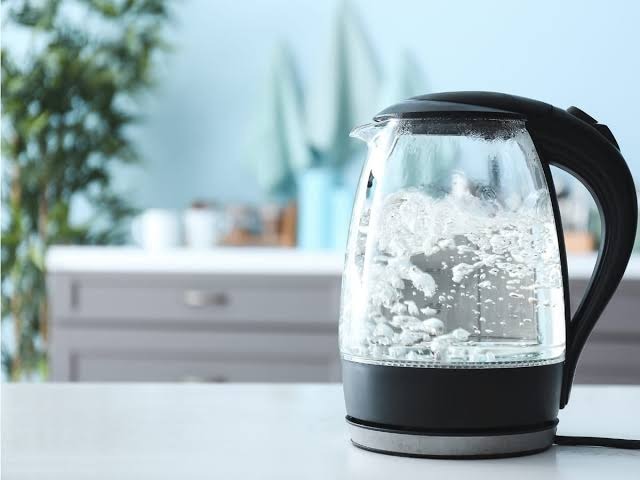
Kettle safety depends heavily on the materials used in their construction. Three principal types dominate the market: stainless steel, glass, and plastic. Each material has specific advantages and potential drawbacks.
Stainless Steel Kettles
Stainless steel is widely considered the gold standard for electric kettles thanks to its durability, resistance to corrosion, and suitability for food contact. High-quality stainless steel, such as SUS304 or SUS316 (also known as 18/8 or 18/10), contains chromium and nickel, providing excellent anti-rust properties. It is critical to ensure that your kettle is made from genuine food-grade stainless steel by checking manufacturer specifications and certification. Reputable brands disclose material composition and undergo safety testing, whereas counterfeit or low-grade products may lack adequate protections against leaching or corrosion.
Glass Kettles
Glass kettles, particularly those made from borosilicate glass, offer a visually appealing and inert option. Borosilicate glass is highly resistant to thermal shock and chemical leaching, making it safe for boiling water. The primary concern with glass kettles is their fragility; cracks or chips can undermine safety. Regular inspection and immediate replacement upon damage are essential for maintaining safe use.
Plastic Kettles
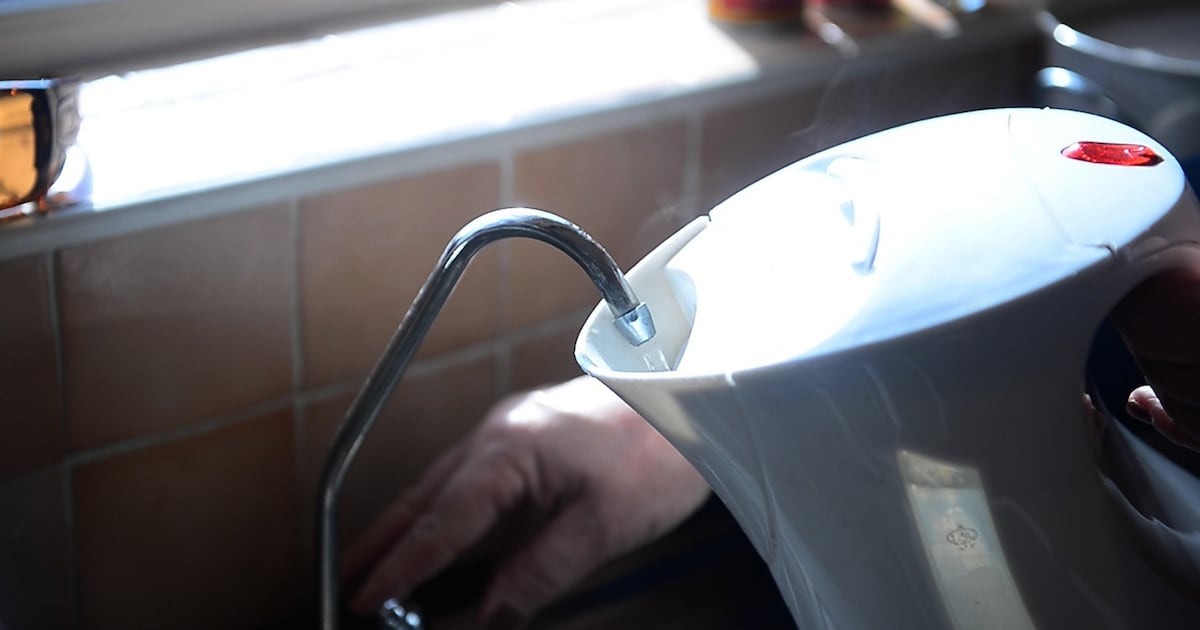
Plastic kettles are popular due to their affordability and light weight. However, not all plastics are created equal. Only high-quality, heat-resistant plastics—such as polypropylene (PP, symbol 5) and polycarbonate (PC, symbol 7)—are designed for repeated boiling temperatures and certified for food contact. Problems arise when low-quality plastics, which are not intended to withstand boiling water, are used. Excessive heat may cause deformation, cracks, or chemical odors, and sometimes allow migration of unwanted substances into the water. International regulatory bodies mandate strict manufacturing standards, but cheap or non-certified products may slip through the cracks. It is advisable to avoid kettles that emit persistent chemical smells, have visible deformation, or lack clear material and safety information.
Signs of Wear and Damage: When to Replace Your Kettle
Routine use subjects kettles to significant thermal and mechanical stress. Over time, signs of wear or damage can appear, potentially undermining safety. It is essential to check for:
- Rust or Corrosion: Minor stains often result from mineral deposits, especially in hard water regions, but persistent corrosion or flaking metal is a warning sign. If repeated cleaning does not remove rust, or if rust enters the water, replacement is recommended.
- Interior Peeling: Damage to the interior surfaces, including peeling coatings or exposed metal, may increase the risk of contamination. Restoring such kettles is risky; switching to a new appliance is safer.
- Plastic Deformation: Cracks, melted areas, or warped plastic components suggest thermal damage. Kettles showing these signs should not be used further.
- Electrical Problems: Smells of burning, visible smoke, sparking, or melted electrical components indicate a serious hazard and require immediate discontinuation of use.
- Heavy Mineral Buildup: White limescale is common and generally harmless, but excessive deposits may affect performance and could mask corrosion. Regular cleaning can prevent this issue.
Proper Maintenance: Extending Life and Safety
Regular maintenance improves kettle safety and longevity. Expert recommendations include:
- Cleaning: Follow manufacturer instructions for cleaning. Most kettles benefit from gentle descaling methods using vinegar or citric acid, which dissolve limescale. Abrasive cleaners can scratch or damage surfaces; avoid them.
- Rinsing: Always rinse thoroughly after descaling or cleaning to remove residues.
- Inspection: Routinely check for damage, rust, odors, or electrical issues, and take prompt action as needed.
- Storage: Avoid storing the kettle in damp conditions, which can increase the risk of rust or electrical issues.
Buying a Safe Replacement: What to Look For
When choosing a new electric kettle, prioritize the following:
- Material Transparency: Ensure the manufacturer lists material composition and food-contact certification.
- Certifications: Look for marks such as CE, UL, or other recognized standards indicating tested electrical safety and quality.
- Features: Essential safety features include automatic shutoff, boil-dry protection, and overheat cutoffs. These prevent accidents and reduce wear.
- Seller Reputation: Purchase from trusted retailers or brands, and avoid deals that seem too good to be true.
- Glass or Stainless Steel: Opt for borosilicate glass or food-grade stainless steel if available, as these materials have the best safety record.
- No Visible Defects: Inspect the product on arrival for cracks, rust, misalignment, or chemical smells.
Expert Views and Regulatory Standards
International agencies, including the WHO, US Food and Drug Administration (FDA), and the European Food Safety Authority (EFSA), require electric kettles made for consumer use to meet strict material and electrical safety guidelines. Stainless steel, glass, and certified plastics are approved for boiling and repeated water contact. Researchers confirm that health risks emerge only when materials corrode, degrade, or fail to comply with safety standards. Media claims about cancer risks typically cite anecdotal cases or isolated studies on unrelated equipment, rather than comprehensive testing on modern, properly manufactured products.
Consumer advocacy groups also stress the importance of maintenance, emphasizing that rust and persistent unusual odors are valid reasons to replace a kettle, but that routine stains, limescale, and minor surface discoloration are harmless. Modern manufacturing standards have virtually eliminated the dangers posed by lead, cadmium, or other harmful metals in reputable brands.
Global and Societal Reactions
The spread of alarmist content about electric kettles illustrates a broader challenge in the digital age: misinformation often travels faster than evidence-based recommendations. In countries with high internet penetration, public health authorities now routinely counter viral claims with fact-based advisories. In China, Europe, North America, and Australia, agencies have issued statements clarifying that properly manufactured kettles are not a cancer threat.
Markets with less regulatory oversight may see more counterfeit or uncertified appliances, so consumers are urged to check for labels, certification marks, and reliable seller reviews before purchase. International efforts continue to strengthen standards and eliminate unsafe products from the market. Choosing well-made, certified appliances and discarding visibly damaged or malfunctioning kettles remain the most effective forms of consumer protection.
Conclusion: Informed Choices Lead to Safe Use
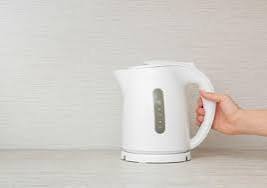
In summary, while sensational headlines may suggest a link between electric kettles and cancer, current scientific understanding and regulatory standards confirm that certified kettles used as intended are safe. Pay attention to visible damage, unusual smells, product material quality, and maintenance. Reputable brands and food-grade stainless steel or borosilicate glass are the best choices. Replacing any kettle showing persistent rust, peeling, deformation, or electrical malfunction is a sensible precaution. Steer clear of panic and misinformation; instead, make informed decisions based on evidence and official guidance.
Sources
Disclaimer: This content is intended for entertainment purposes only and is not based on real events.