After My Husband Died, Halloween Helped My Family Heal
Coping with Loss Through Creative Expressions
The loss of a loved one fundamentally alters the structure of a family. When Joel, my husband, passed away, our small family—just my two boys and me—struggled to maintain a sense of unity and comfort. Significant events and holidays often become poignant reminders of those missing, but for us, Halloween offered a unique opportunity to reconnect with each other and create new memories amid the grief.
The evenings leading up to Halloween became our sanctuary. We gathered around the table, repurposing cereal boxes, milk jugs, and old sheets into homemade decorations. Ben, aged eleven, crafted crooked tombstones inspired by classic haunted houses, while Toby, only seven, made a whimsical ghost. Toby decided his creation was “shy” because it kept spinning toward the house as if embarrassed. These activities were not just about preparing for a holiday but served as a healing ritual—each decoration a tangible manifestation of our resilience and creativity in the face of loss.
The Importance of Rituals in Grieving
Psychologists and grief experts often underscore the value of rituals for families coping with loss. According to the Mayo Clinic and the American Psychological Association, creating new traditions can foster connection and provide emotional support. By channeling energy into art and communal activities, families may discover ways to express feelings that can’t always be spoken. Our Halloween preparations became such a ritual, offering my sons and me a means to process grief while celebrating our togetherness.
Ben and Toby poured their emotions into each project, turning everyday materials into pieces of joy and remembrance. Studies show that such acts—especially those done as a group—aid healing and can lessen feelings of isolation after bereavement (Mayo Clinic). For children in particular, creative endeavors help them voice complex feelings and reinforce security during uncertain times.
Community Dynamics and Conflict
Our efforts did not go unnoticed. Each year, our neighborhood hosted a Halloween walk, inviting residents to display their decorations and encouraging visitors to vote for favorites. This event brought the community together, fostering neighborly bonds through shared celebration. For us, entering the walk was less about competition and more about belonging; it represented the courage to invite others into our healing process.
However, not everyone appreciated our participation. Mrs. Whitmore, a neighbor known for her preference for tidiness, disliked our homemade creations. She claimed our display blocked her view of a beautiful maple tree—a source of pride—and criticized the boys, dismissing their decorations as “junk.” Her reaction was hurtful, introducing a new layer of tension during an already vulnerable time.
I tried to address her concerns respectfully, even offering a pumpkin pie to apologize for any inconvenience. Yet, she remained unreceptive. Determined to protect my boys’ sense of accomplishment, I assured them our efforts were valued and permitted the decorations to stay until November 1.
The Impact of Neighborhood Disputes on Grieving Families
Neighborhood disputes, particularly those involving grieving families, may have significant psychological repercussions. Conflict can exacerbate stress and prolong emotional recovery, according to the American Psychological Association. Although such disputes are not uncommon, empathy and understanding are crucial for resolving tensions and supporting community wellbeing.
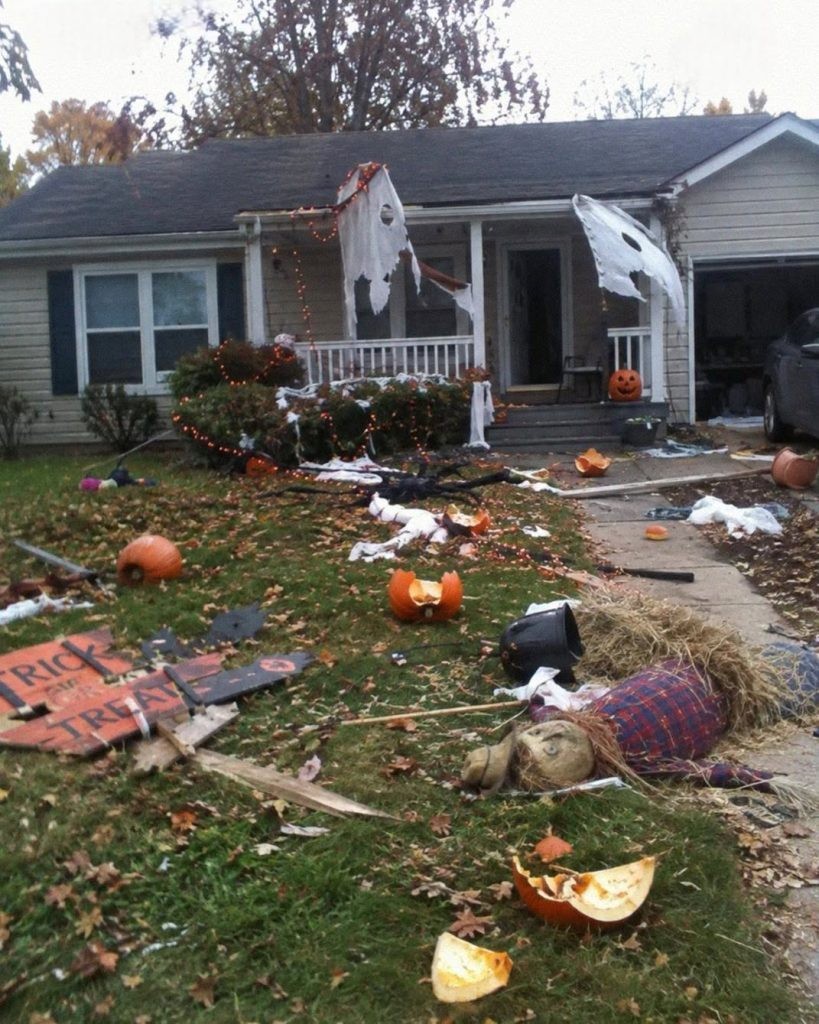
Despite attempts to de-escalate, the situation worsened. Returning home one evening, we discovered our decorations destroyed: ghosts tossed in the gutter, lanterns crushed, and Ben’s tombstone thrown into the trash. Mrs. Whitmore stood watching, expressing clear satisfaction with her actions. Seeing our hard work ruined was heartbreaking—not just for my boys but for myself, as I worried about their perception of justice and kindness.
Responding to Adversity: Emotional Reactions and Accountability
Anger and disappointment swept over us. In a moment of frustration, I gathered the remnants of our decorations and deposited them beside Mrs. Whitmore’s front door. My actions, though impulsive, stemmed from a deep sense of injustice and a yearning to defend my children’s efforts. Ben’s laughter as Mrs. Whitmore protested momentarily felt like vindication, but the incident escalated when she photographed me beside the debris and posted it publicly, casting me as the unreasonable neighbor.
Reflecting on the event, I realized retaliation, however brief, does not resolve underlying conflict or model constructive behavior for my children. I cleaned up the mess and apologized, even though Mrs. Whitmore never acknowledged her role in destroying the boys’ work. The neighborhood organizer permitted our continued participation in the Halloween walk, but my sons’ enthusiasm waned. The sense of unfairness lingered, and their initial joy seemed diminished.
Resilience and Rebuilding: The Path Forward
Resilience—the ability to recover from setbacks—is a cornerstone of well-being, especially for children navigating grief and conflict. Experts such as those at the Child Mind Institute note that resilience can be developed through positive reinforcement, supportive relationships, and opportunities to face challenges with guidance.
At a local store, Toby rejected a flawless plastic ghost, insisting that our original—funny and quirky—was irreplaceable. This moment was significant; it affirmed the value of creativity and authenticity over perfection. The boys and I purchased supplies to repair what we could. Ben salvaged the crooked lettering from his tombstone, viewing its imperfections as part of its history and charm. Gradually, the boys found strength to rebuild the display, reclaiming the narrative of their grief and adaptation.
As we restored the decorations, laughter returned to our home. The process was more than physical—it was emotional, demonstrating that setbacks can be overcome with patience and unity. Psychologists emphasize that such experiences teach children problem-solving and perseverance, skills essential for lifelong growth.
Halloween Night: Community Support and a New Beginning
Halloween night arrived, drawing children from the neighborhood to our yard. They admired our handmade lanterns and Toby’s shy ghost, symbols of our creativity and perseverance. When Mrs. Whitmore attempted to shame us publicly once again, I responded calmly, acknowledging my earlier mistake and clarifying her actions with honesty and composure. Setting boundaries, I asked her to leave our yard, fostering a respectful but firm environment.
Community support soon became evident. Dana, the neighborhood organizer, arrived at the end of the night with the “favorite-stop” sign—our display had received the most votes. The boys excitedly debated where to place the sign, already anticipating future decorations. The atmosphere in our home shifted; laughter replaced silence, and hope returned to our daily routine.
This outcome illustrated a powerful lesson: in the midst of adversity and loss, communities can rally to support those in need, validating their resilience and creativity. For grieving families, such encouragement is invaluable, affirming their ability to adapt and heal even when conflict seems insurmountable.
Expert Perspectives on Healing, Resilience, and Community
Experts in psychology, child development, and community relations agree that healing after loss requires supportive environments and opportunities to reconstruct identity and meaning. According to the Mayo Clinic, engaging in new activities, especially those fostering creativity, aids families in processing grief. The American Psychological Association stresses the importance of acknowledging and discussing emotional challenges, both at home and in community settings.
Resolving neighborhood disputes through open communication, empathy, and respect can prevent escalation and promote collective wellbeing (APA, Child Mind Institute). In situations involving children, safeguarding their sense of security is paramount, and adults play a crucial role in modeling positive conflict-resolution strategies.
This story, though shaped by personal loss and neighborly disagreement, ultimately highlights the power of resilience, creativity, and community support. By embracing imperfection and defending self-expression, our family not only coped with the challenges facing us but also discovered renewed strength through the kindness of others.
Acknowledging Imperfection and Moving Forward
In every community, disputes are inevitable. How families respond to adversity influences both their healing and the larger social fabric. For us, Halloween became a catalyst for acceptance, forgiveness, and renewal. The imperfections in our decorations mirrored the ongoing journey of grief and learning, evidence that beauty can arise from hardship.
Today, as we reflect on those moments—making ghosts from old sheets, rebuilding tombstones, and setting boundaries with neighbors—we recognize that resilience is not about avoiding difficulties but confronting them with courage and compassion. Through creative rituals, respectful communication, and communal support, families like ours can transform loss into connection and hope.
Sources
Disclaimer: This content is intended for entertainment purposes only and is not based on real events.