Sleep is an essential pillar of human health, impacting physical, mental, and emotional well-being. Among the factors that influence sleep quality, the position in which an individual sleeps has received notable attention. Sleeping on one’s left side is often portrayed as a recommended choice for certain health conditions, especially for those managing acid reflux or navigating pregnancy. However, evaluating the actual scientific evidence behind these claims is important. This comprehensive article delves into the anatomy behind sleep positions, examines established benefits and limitations, explores expert opinions, and contextualizes international reactions and guidance regarding left-side sleeping.
Anatomy of Sleep Positions
The way the body is positioned during sleep can affect the functioning of various organs and systems. Anatomically, the stomach is located primarily on the left side of the upper abdomen, while the liver occupies much of the right side. The esophagus, which connects the mouth to the stomach, runs down the midline and then curves slightly toward the stomach. Gravity plays a significant role in how stomach contents move, especially during sleep, and the body’s posture influences pressure on joints, soft tissues, and organs.
Different sleep positions—back, stomach, left side, right side—can thus have distinct impacts on breathing, digestion, circulation, and musculoskeletal health. Understanding these anatomical relationships helps clarify why changes in sleeping posture might yield specific health outcomes.
Benefits of Left-Side Sleeping for Acid Reflux
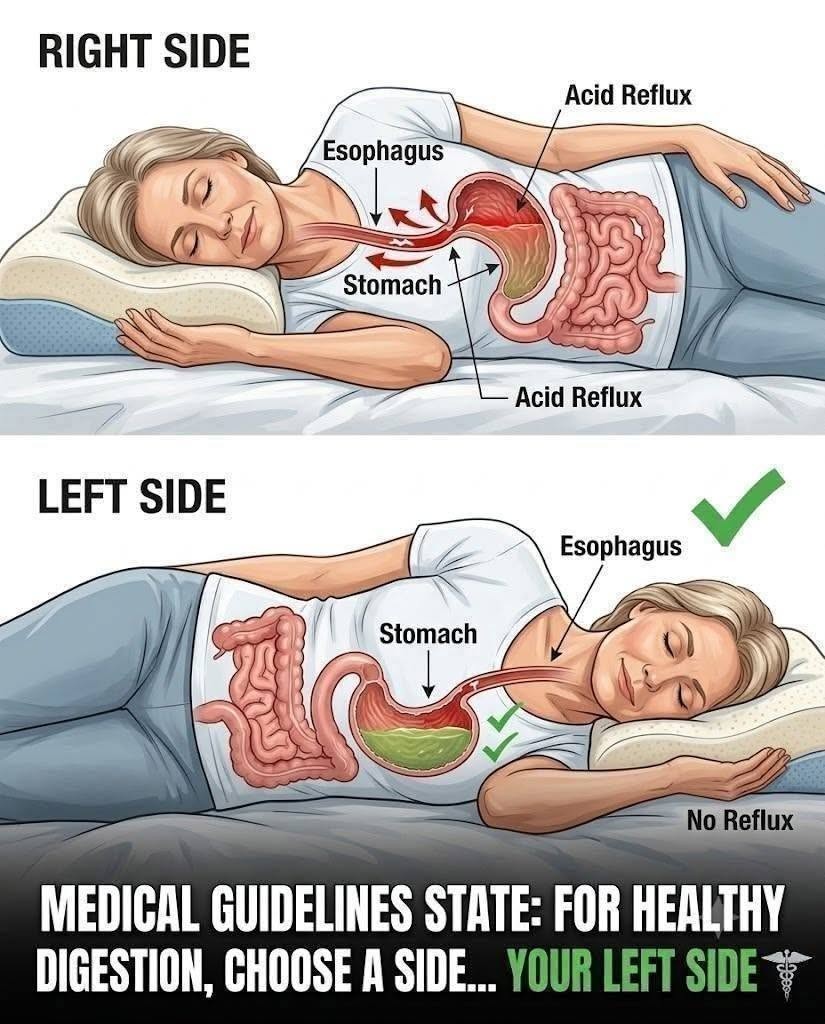
One of the most well-studied advantages of left-side sleeping relates to gastroesophageal reflux disease (GERD), commonly known as acid reflux. This chronic condition involves the backflow of acidic stomach contents into the esophagus, causing symptoms such as heartburn, regurgitation, and discomfort. Nighttime reflux can be particularly disruptive, as lying flat facilitates movement of stomach acid.
Scientific studies have demonstrated that sleeping on the left side may reduce symptoms of acid reflux compared with sleeping on the right side or on the back. This result is attributed to gravity: when one lies on their left side, the junction of the stomach and esophagus is positioned higher than the rest of the stomach, making it harder for acid to escape upward. This anatomical arrangement appears to protect the esophagus from exposure to stomach contents, potentially improving sleep quality and minimizing symptoms.
It is important to note, however, that left-side sleeping is not a substitute for medical or dietary management of GERD. Medical professionals recommend a combination of approaches: avoiding large meals close to bedtime, raising the head of the bed, maintaining a healthy weight, and using physician-prescribed medications when indicated. Individual variations mean that some people may not experience significant improvement from positional changes alone.
Sleeping Positions During Pregnancy

Pregnancy introduces new considerations for sleep. As the fetus grows, internal organs shift and pressure increases on the pelvic and abdominal regions. Many healthcare providers recommend sleeping on the side, particularly during the second and third trimesters, to optimize maternal and fetal circulation. Left-side sleeping allows for maximal blood flow between the heart, uterus, and fetus, and it may also help relieve pressure on the liver.
While left-side sleeping is often advised, most experts note that it is not strictly necessary to remain on the left side throughout the night. Alternating between sides is generally safe, and few women will stay in a single position for extended periods. If a pregnant individual accidentally sleeps on their right side or back, brief repositioning is typically sufficient. Comfort and uninterrupted sleep take priority; pillows between the knees or under the abdomen can enhance support. Any new or concerning symptoms, such as breathlessness or chest discomfort, should be discussed with a healthcare provider.
Evaluating Claims About Heart Health
Assertions linking left-side sleeping to heart health are common, but careful analysis reveals a lack of robust evidence for such claims outside specific circumstances. In healthy adults and children, sleeping on the left side does not prevent heart disease or significantly improve overall circulation. For individuals with certain underlying conditions—such as congestive heart failure or lung disease—different sleep positions may affect comfort or breathing, but these recommendations are highly individualized.
Some patients with heart or lung disease may find left-side sleeping less comfortable due to increased pressure or difficulty breathing. If nighttime breathlessness or chest pain occurs, prompt medical evaluation is warranted. General guidance from cardiology experts emphasizes that sleep position is rarely the primary driver of cardiovascular health; factors such as diet, physical activity, blood pressure, cholesterol, and smoking status exert much greater influence.
Left-Side Sleeping and the Lymphatic System
The lymphatic system manages the transport of fluids, proteins, and immune cells throughout the body. It supports tissue health and immune function, and plays a part in the removal of waste products from cellular metabolism. Recent studies of the brain’s glymphatic system—a network involved in clearing waste during sleep—have sparked interest in positional effects.
Despite speculation that left-side sleeping may enhance lymphatic drainage or assist with detoxification, scientific evidence remains limited. Researchers acknowledge that sleep itself is vital for neurocognitive and immune processes, but no sleep position is proven to dramatically improve overall lymphatic circulation. More research is needed to understand whether subtle benefits exist for people with lymphatic disorders. For now, medical authorities prioritize regular, restorative sleep over specific positional strategies for lymphatic health.
Impact of Sleep Position on Pain and Breathing

Sleep position is a key factor in managing discomfort from musculoskeletal injuries, arthritis, and chronic pain conditions. Side sleeping, including the left side, can relieve spinal pressure and reduce snoring for some individuals, though it does not replace specialized treatments for disorders such as obstructive sleep apnea.
The drawbacks of left-side sleeping may include increased pressure on the shoulder, hip, or arm on that side, sometimes leading to numbness or soreness. Using supportive pillows between the knees and ensuring a comfortable mattress can mitigate these effects. Back sleepers with apnea may benefit from positional therapies, while stomach sleeping is generally discouraged due to its contribution to neck and spine strain.
Expert Perspectives and International Guidance
Medical consensus regarding sleep position is shaped by evidence-based research and international guidelines. Authorities such as the American Academy of Sleep Medicine, Mayo Clinic, and obstetrical organizations emphasize that optimal sleep involves not only positional consideration but also sleep hygiene, environmental adjustments, and management of underlying health conditions.
Pregnant individuals are encouraged to seek guidance from their healthcare provider regarding sleep comfort and safety. Those with acid reflux may try sleeping on the left side, but are advised to combine this positional approach with lifestyle modifications and medical therapies as needed. For most healthy adults, sleeping on the left side is neither required nor universally superior; personal preference, comfort, and overall sleep quality should lead the decision-making process.
Globally, public health campaigns prioritize education about healthy sleep environments, regular sleep schedules, avoidance of stimulants before bedtime, and recognition of symptoms that warrant medical attention. International sleep studies reinforce the principle that individual adaptation, rather than rigid adherence to a specific position, best serves public health.
Practical Recommendations
- For acid reflux: Try sleeping on the left side and elevate the head of the bed if nighttime symptoms persist. Avoid eating heavy meals within a few hours of bedtime.
- During pregnancy: Side sleeping may enhance comfort and blood flow. Use supportive pillows and switch sides as needed. Consult a doctor if new symptoms occur.
- Chronic pain or snoring: Experiment with side sleeping and use pillow support. Those with obstructive sleep apnea should seek specialty care.
- For everyone: Prioritize sufficient, uninterrupted sleep. Choose a comfortable position and adjust bedding and mattress for personal support.
Conclusion

Sleeping on the left side offers specific benefits for certain individuals, most notably those with acid reflux or during pregnancy. However, it is not a universal health requirement, and scientific evidence supporting claims about heart health, lymphatic drainage, or detoxification remains limited. The optimal sleep position is often guided by comfort, individual health needs, and personal preference. Those experiencing persistent discomfort, breathing difficulty, or sleep disturbances should consult a medical professional for personalized advice. Above all, healthy sleep habits, regular sleep schedules, and effective management of medical conditions are the foundation for well-being.
Sources
Disclaimer: This content is intended for entertainment purposes only and is not based on real events.