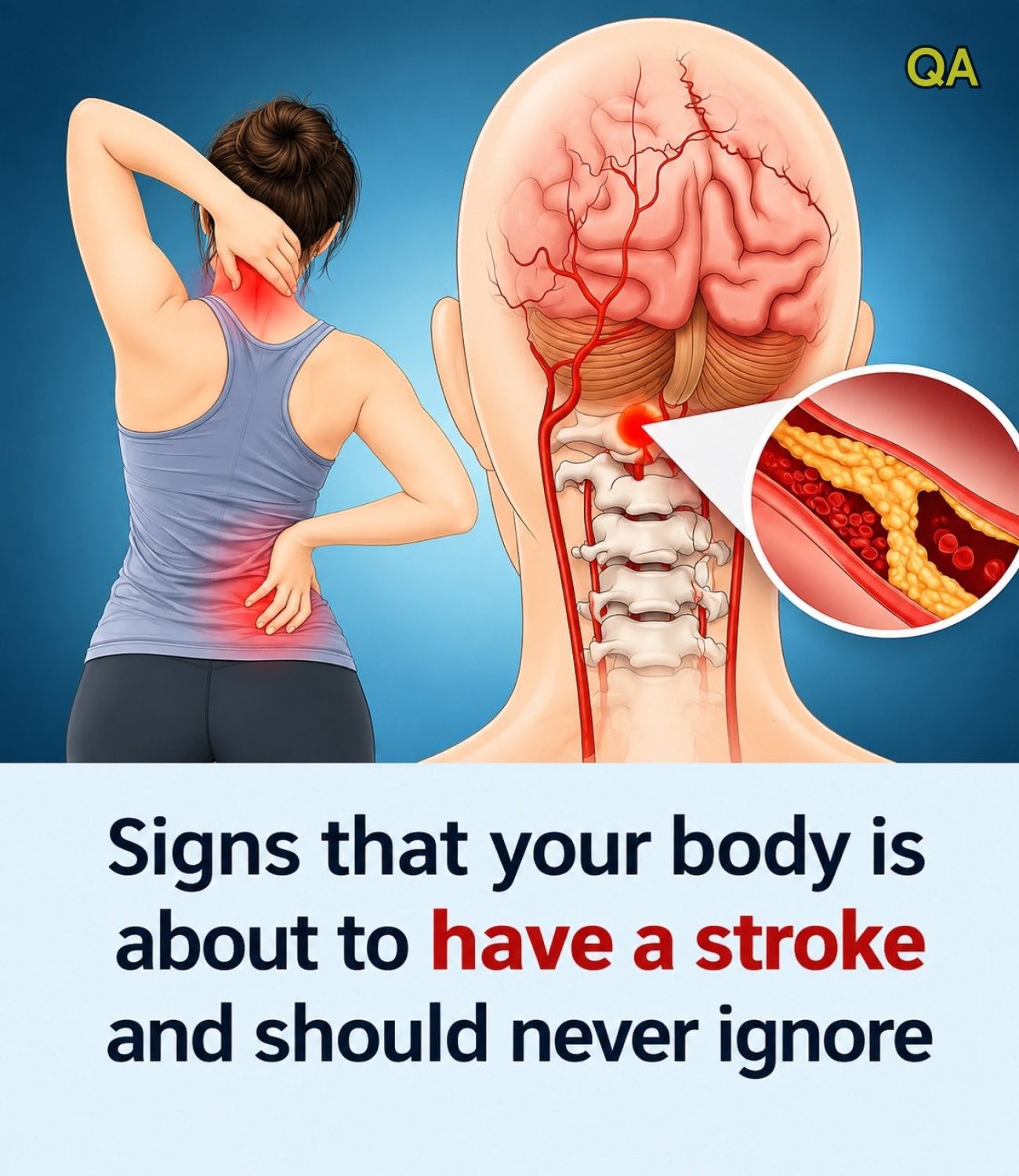
10 Warning Signs of a Stroke in Young Adults You Should Never Ignore
A stroke is often associated with older adults, but it can happen to younger people, too. Because many young adults assume they are too young to experience a stroke, they may mistake the warning signs for stress, exhaustion, migraines, or other less serious problems.
That misunderstanding can be dangerous.
A stroke occurs when blood flow to part of the brain is blocked or when a blood vessel in the brain ruptures. Without an adequate supply of oxygen and nutrients, brain cells can begin to die within minutes. Recognizing the symptoms and obtaining emergency medical care quickly can help reduce brain damage and improve the chances of recovery.
According to the American Stroke Association, a stroke can affect people of any age, and its warning signs require immediate attention.
Although age is an important risk factor, younger people may also experience strokes because of high blood pressure, diabetes, smoking, certain heart conditions, blood-clotting disorders, and other factors.
Here are 10 warning signs of a stroke in young adults that everyone should know.
1. Sudden Weakness or Numbness on One Side of the Body
One of the most recognizable warning signs of a stroke is sudden weakness or numbness affecting the face, arm, or leg, particularly on one side of the body.
You might suddenly struggle to lift one arm, notice that one leg feels unusually weak, or experience numbness that makes it difficult to grip an object.
These symptoms can occur when a stroke affects areas of the brain responsible for movement or sensation.
Young adults sometimes dismiss unusual sensations as the result of sleeping in an awkward position, nerve compression, or exhaustion. However, sudden one-sided weakness or numbness should never be ignored.
Even if the symptoms disappear after a few minutes, they may indicate a transient ischemic attack (TIA), sometimes called a warning stroke.
What to do: Call emergency medical services immediately if sudden weakness or numbness develops. Do not wait to see whether it goes away.
2. Difficulty Speaking or Understanding Speech
A sudden change in speech can be another major warning sign.
Someone experiencing a stroke may slur their words, struggle to form a sentence, use the wrong words, or become unable to speak clearly. They may also have difficulty understanding what another person is saying.
These changes can occur when a stroke affects brain regions involved in language or speech production.
The person may appear confused or frustrated because they know something is wrong but cannot communicate as they normally would.
Do not assume that sudden speech difficulties are caused by anxiety, tiredness, or intoxication.
What to do: If someone suddenly struggles to speak or understand simple sentences, call emergency services immediately. Note when the symptoms began, if possible.
3. A Sudden, Extremely Severe Headache
A sudden, severe headache with no obvious cause can sometimes signal a dangerous neurological emergency, including bleeding in the brain.
A hemorrhagic stroke occurs when a blood vessel ruptures and blood leaks into or around the brain. Some people experience an abrupt headache that reaches maximum intensity within seconds or minutes.
The headache may be accompanied by nausea, vomiting, neck stiffness, sensitivity to light, confusion, or loss of consciousness.
Not every severe headache is caused by a stroke, and migraines can also produce intense pain. However, a sudden headache that is dramatically different from previous headaches needs urgent medical evaluation.
What to do: Seek emergency medical attention for a sudden, exceptionally severe headache, especially if it occurs with weakness, vision changes, confusion, or other neurological symptoms.
Do not try to sleep it off or wait for painkillers to work.
4. Sudden Dizziness or Loss of Balance
Feeling dizzy after standing up too quickly is relatively common. But sudden, severe dizziness accompanied by difficulty walking or coordinating movements can be a warning sign of a stroke.
Strokes affecting the brainstem or cerebellum—the parts of the nervous system involved in balance and coordination—may cause a person to feel as though the room is spinning.
Other symptoms can include stumbling, falling, difficulty standing upright, or suddenly becoming unable to walk normally.
These signs may be mistaken for dehydration, fatigue, or an inner-ear problem. Unfortunately, the cause cannot always be determined by symptoms alone.
What to do: Treat sudden, unexplained balance problems or severe dizziness with difficulty walking as a medical emergency, particularly when other stroke symptoms are present.
5. Sudden Vision Changes
A stroke can affect the brain’s ability to process visual information, causing abrupt changes in sight.
Possible symptoms include:
-
Blurred vision that begins suddenly.
-
Double vision.
-
Loss of vision in one eye.
-
Loss of part of the visual field.
-
Difficulty seeing objects on one side.
A person may not immediately realize that part of their vision has disappeared. They might instead bump into objects, struggle to read, or have trouble judging distances.
It can be tempting to blame vision changes on screen time, tiredness, or eye strain. However, sudden vision loss or double vision may indicate a serious neurological problem.
What to do: Seek immediate medical attention for sudden, unexplained vision changes, especially when accompanied by dizziness, weakness, or difficulty speaking.
6. Sudden Confusion or Difficulty Understanding Others
A stroke does not always cause obvious physical weakness. Sometimes, the first sign is a sudden change in thinking, comprehension, or communication.
A person may struggle to follow a simple conversation, misunderstand familiar instructions, or have difficulty making sense of what is happening around them.
They may appear unusually disoriented or unable to organize their thoughts.
Although confusion can have many causes, a sudden change in mental function—particularly when combined with speech problems, weakness, or vision changes—requires urgent evaluation.
What to do: If someone suddenly becomes confused or cannot understand ordinary speech, call emergency services rather than assuming they are simply tired or overwhelmed.
7. Facial Drooping
Facial drooping is one of the key signs included in the widely used FAST stroke-recognition test.
When a stroke affects the nerves controlling facial muscles, one side of the face may become weak. The person’s smile may look uneven, or one side of their mouth may droop.
You may notice the change when they speak, smile, or try to close their eyes.
To check for this warning sign, ask the person to smile. If one side of the face appears to sag, treat it as a potential stroke symptom.
However, you do not need to complete a test or wait for additional symptoms before calling for help.
What to do: Call emergency services immediately if facial drooping begins suddenly, especially if the person also has arm weakness or speech difficulties.
8. Sudden Loss of Coordination or Difficulty Walking
A stroke can interfere with the brain’s ability to coordinate movements, making everyday activities unexpectedly difficult.
Someone may suddenly struggle to pick up an object, walk in a straight line, control their hands, or coordinate their movements.
These symptoms can occur even without obvious facial drooping or difficulty speaking.
A young adult might initially assume that they are simply clumsy, exhausted, or experiencing a temporary balance problem. But a sudden loss of coordination can be a warning sign of a stroke, especially when it appears without a clear explanation.
What to do: Seek emergency care if a person suddenly develops severe coordination problems, particularly when accompanied by dizziness, double vision, or other neurological changes.
9. Sudden Nausea or Vomiting Alongside Neurological Symptoms
Nausea and vomiting are not among the most specific signs of a stroke. They can occur for many reasons, including infections, food-related illnesses, migraines, and inner-ear disorders.
However, sudden nausea or repeated vomiting accompanied by severe dizziness, loss of balance, a sudden intense headache, or other neurological symptoms may indicate a serious problem affecting the brain.
Strokes involving the brainstem or cerebellum can sometimes cause this combination of symptoms.
The important distinction is that vomiting alone does not establish that a stroke is occurring. The accompanying symptoms and the suddenness of their onset matter.
What to do: Call emergency services if sudden vomiting occurs alongside new neurological symptoms, severe unexplained headache, or difficulty walking.
10. Brief Loss of Consciousness or Collapse
A brief loss of consciousness is not a typical symptom of most strokes, but it can occur in some serious neurological emergencies, including certain hemorrhagic strokes.
Fainting can also result from dehydration, heart rhythm disturbances, low blood pressure, and other conditions. Therefore, it is not possible to determine the cause from the collapse alone.
A person who suddenly loses consciousness, becomes difficult to wake, or collapses with neurological symptoms needs urgent medical assessment.
What to do: Call emergency services if someone becomes unresponsive or collapses unexpectedly. If they are not breathing normally, follow the emergency dispatcher’s instructions and begin CPR if appropriate and you are able.
Do not give an unconscious person food, water, or medication.
Remember B.E. F.A.S.T.: A Simple Way to Recognize Stroke
Rather than trying to memorize every possible symptom, remember the B.E. F.A.S.T. acronym used by stroke organizations.
-
B — Balance: Is there a sudden loss of balance or coordination?
-
E — Eyes: Has the person experienced sudden vision changes?
-
F — Face: Does one side of the face droop when they smile?
-
A — Arms: Is one arm weak or drifting downward?
-
S — Speech: Is their speech slurred, strange, or difficult to understand?
-
T — Time: Call emergency services immediately.
The Centers for Disease Control and Prevention emphasizes that every minute matters during a stroke and that prompt treatment can reduce the brain damage it causes. Read the official CDC guidance on stroke signs and symptoms.
You do not need to see every sign before calling for help. Just one sudden, unexplained stroke symptom can be enough to warrant an emergency response.
What Should You Do If You Suspect a Stroke?
Knowing the symptoms is only the first step. Taking the right action can also make a critical difference.
-
Call emergency services immediately. In Vietnam, call 115 for an ambulance. If you are elsewhere, use your local emergency number.
-
Record when the symptoms began. If you do not know the exact time, note when the person was last seen behaving normally.
-
Do not drive yourself or the affected person if an ambulance is available. Emergency personnel can begin assessment and coordinate appropriate care.
-
Do not give food, drinks, aspirin, or other medication unless instructed by a medical professional. A stroke may involve bleeding, and swallowing can be impaired.
-
Do not wait for symptoms to disappear. Even if the person seems to recover, they may have experienced a TIA that requires urgent evaluation.
A medical team must determine whether the symptoms are caused by a blocked blood vessel, bleeding, or another condition. Treatment depends on the diagnosis, and some options are time-sensitive.
Why Can Young Adults Have Strokes?
Although stroke risk generally increases with age, younger adults are not immune.
Several factors can increase stroke risk, including:
High blood pressure: Persistently elevated blood pressure damages blood vessels and is a major risk factor for stroke.
Diabetes and high cholesterol: These conditions can damage blood vessels and contribute to vascular disease.
Smoking and recreational drug use: Smoking harms blood vessels, while drugs such as cocaine and amphetamines have been associated with increased stroke risk.
Certain heart conditions: Some heart rhythm disorders and structural heart problems can increase the risk of blood clots traveling to the brain.
Blood-clotting disorders and other medical conditions: Certain inherited or acquired conditions can increase the likelihood of abnormal clot formation.
Pregnancy-related factors and certain hormonal contraceptives: Some pregnancy complications and estrogen-containing contraceptives can increase stroke risk in particular circumstances. The overall risk depends on individual factors, including smoking, migraine with aura, and blood pressure. People should discuss their personal risk with a healthcare professional rather than stopping prescribed contraception without advice.
Stress and unhealthy lifestyle habits can also affect overall cardiovascular health, but they should not be assumed to be the direct cause of an individual stroke.
The American Stroke Association’s guide to stroke risk factors provides further information about risks that can be managed and those that require individualized assessment.
Can Stroke Risk Be Reduced?
Not every stroke can be prevented, but managing established risk factors can reduce the likelihood of one occurring.
Helpful steps include:
-
Checking your blood pressure regularly.
-
Managing diabetes and cholesterol with appropriate medical care.
-
Avoiding smoking and recreational drugs.
-
Staying physically active.
-
Eating a balanced diet.
-
Limiting alcohol.
-
Taking prescribed medications as directed.
-
Attending routine medical appointments, particularly if you have a family history or known cardiovascular risk factors.
Young adults should not assume they are healthy simply because of their age. Conditions such as hypertension can develop without noticeable symptoms, making routine health checks valuable.
Final Thoughts: Never Ignore Sudden Neurological Changes
A stroke can happen at any age, and its symptoms may appear without warning.
Sudden weakness, facial drooping, speech difficulties, vision changes, severe unexplained headache, or loss of balance should never be dismissed simply because the person is young.
Remember B.E. F.A.S.T., act immediately, and call emergency services if a stroke is suspected. Even when symptoms disappear, urgent medical assessment remains essential.
When it comes to a possible stroke, waiting to see what happens can cost valuable time. Recognizing the warning signs and seeking emergency care promptly may save a life and reduce the risk of lasting disability.
Medical disclaimer: This article is for general educational purposes and is not a substitute for professional medical advice, diagnosis, or treatment. If you or someone nearby develops possible stroke symptoms, call emergency services immediately.