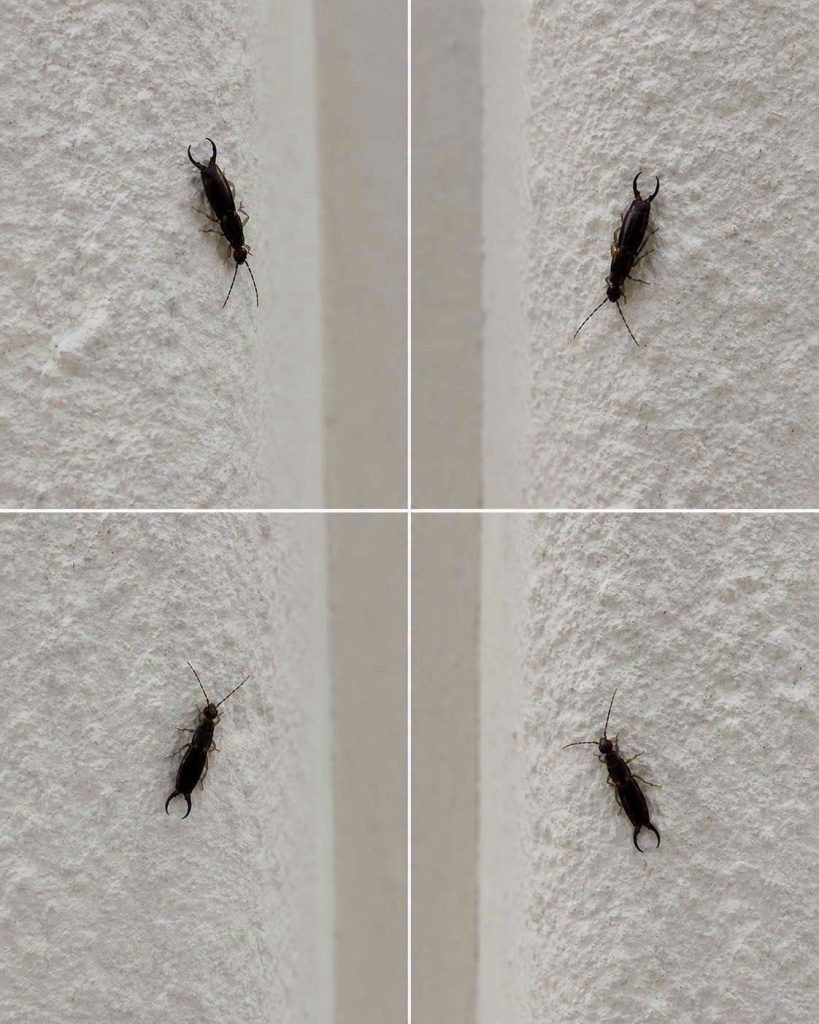
Found an Unfamiliar Insect in Your House? Here’s What to Do Next
Discovering an unfamiliar insect crawling across your kitchen floor, hiding in a bathroom corner, or resting near a window can be an unsettling experience. Your first thought might be that something is wrong with your home. Could there be an infestation? Is the insect dangerous? And how can you prevent more from appearing?
Fortunately, finding a single insect indoors does not automatically mean you have a pest infestation. Many insects occasionally enter houses while searching for food, water, shelter, or protection from changing weather conditions. Others may simply wander inside through an open door, a damaged screen, or a small gap around a window.
The key is knowing how to respond. Rather than immediately reaching for insecticide or assuming the worst, homeowners can take several practical steps to identify the insect, investigate the surrounding area, and reduce the conditions that might attract more.
Why Do Insects Enter Your Home?
Houses provide many of the same resources that insects seek outdoors. Depending on the species, a building may offer warmth, moisture, food, hiding places, or a relatively stable environment.
Understanding why insects enter can help you decide whether a sighting is an isolated incident or a sign that something needs attention.
Changing Weather Conditions
Changes in outdoor temperature, rainfall, and humidity can influence insect activity. Some species become more noticeable during particular seasons, while others seek protected spaces when conditions outside become unfavorable.
Heavy rain, for example, can alter the conditions around gardens and foundations. Certain insects may then wander indoors, especially if doors, windows, or other openings provide easy access.
However, weather alone does not explain every indoor insect sighting. The species involved, the surrounding environment, and the condition of the building all play a role.
Food and Household Waste
Kitchens and dining areas can attract insects when food residues are readily available. Crumbs beneath appliances, uncovered rubbish bins, sugary spills, and improperly stored food may provide resources for certain species.
Pet food can also attract pests if it remains exposed for long periods. Even small amounts of food can be sufficient for some insects.
Keeping these areas clean and storing food appropriately can reduce potential food sources, making the home less attractive to common household pests.
Moisture and Damp Areas
Bathrooms, laundry rooms, basements, and areas beneath sinks can provide favorable conditions for insects that prefer moisture.
Leaking pipes, condensation, blocked drainage, and persistently damp materials may contribute to these conditions. Some insects are attracted directly to moisture, while others benefit from the fungi or organic material associated with damp environments.
If insects repeatedly appear in the same damp location, checking for leaks and improving ventilation may be more effective than simply treating the visible insects.
Small Openings Around the Building
Insects do not need a large opening to enter a home. Gaps around doors, windows, utility pipes, vents, and foundations can provide access for some species.
Torn window screens, damaged door seals, and openings around cables or plumbing may also contribute to recurring sightings.
Inspecting these areas is particularly useful when insects appear near windows, exterior doors, or ground-level rooms.
Step One: Identify the Insect Before Taking Action
One of the most important steps is determining what you have actually found.
Different insect species can look remarkably similar, particularly when viewed briefly or from a distance. An insect’s color or size alone may not be enough to identify it reliably.
Some harmless species resemble pests, while certain insects require more careful handling. Correct identification helps you choose an appropriate response instead of spending money on unnecessary treatments.
Take a Clear Photograph
If it is safe to do so, take a close photograph of the insect without touching it. Capture its overall shape, body markings, legs, antennae, and wings if visible.
Including a nearby object for scale can help establish its approximate size. Photographs from different angles may also reveal details that are difficult to notice at first glance.
Avoid handling an unfamiliar insect with bare hands, especially if you cannot determine whether it can bite, sting, or cause irritation.
Use Reliable Identification Resources
Online identification tools and insect reference guides can provide useful starting points. However, automated image recognition is not always accurate, particularly when several species have similar appearances.
University extension services, natural history organizations, and qualified pest professionals may be able to help identify the insect more confidently.
If you are concerned that the insect could be a medically significant species, avoid attempting to capture it by hand. Keep children and pets away and seek appropriate local advice.
Look Beyond Appearance
Where the insect was found can provide useful clues, although location alone does not establish its identity.
For example, an insect discovered near a bathroom drain may have a different explanation from one found beside a bag of stored food or inside a bedroom window frame.
Consider the time of day, the surrounding conditions, whether other insects are present, and whether similar sightings have occurred previously.
These observations can help narrow down possible explanations without jumping to conclusions.
Step Two: Inspect the Area Where It Appeared
After recording the insect’s appearance, take a few minutes to examine the surrounding area.
The objective is to identify anything that could explain its presence. You do not need to dismantle furniture or immediately treat the entire house.
Start with the room where the insect was discovered and expand the inspection if you find additional evidence.
Check Kitchens and Food Storage Areas
Look beneath the refrigerator, around the stove, inside cupboards, and near rubbish bins. Food particles can accumulate in places that are not cleaned during everyday surface wiping.
Check pantry items for damaged packaging, unusual debris, or signs of insect activity. Store susceptible dry foods in clean, sealed containers and remove spilled ingredients promptly.
If you find evidence of insects inside stored food, avoid consuming contaminated products. Dispose of affected items appropriately and clean the storage area before replacing them.
Examine Bathrooms and Laundry Rooms
Inspect the areas beneath sinks, around washing machines, behind toilets, and near plumbing connections.
Look for dripping pipes, damp cabinets, standing water, and condensation. Check whether towels, cardboard, or other materials remain damp for extended periods.
Repairing leaks and improving airflow can reduce conditions favorable to moisture-associated pests.
If insects continue appearing around a drain, do not assume that the drain itself is the source. Some species gather near moisture without breeding there, so identification and further inspection may be necessary.
Check Basements, Garages, and Storage Areas
Less frequently cleaned areas can provide shelter for insects. Cardboard boxes, unused fabrics, stored wood, and accumulated debris may create undisturbed hiding places.
Inspect stored belongings periodically, particularly if they have been kept in damp conditions. Where practical, raise storage containers off the floor and use suitable sealed containers for vulnerable items.
Removing unnecessary clutter can make these spaces easier to clean and inspect.
Step Three: Make Your Home Less Attractive to Insects
Once you have checked the immediate area, focus on practical prevention measures.
These steps are useful for many common household pests, although the most effective approach will depend on the species involved.
Maintain a Regular Cleaning Routine
Regular cleaning removes food residues and reduces the availability of some resources that insects use.
Concentrate on areas that are easy to overlook, including:
-
Beneath and behind kitchen appliances.
-
Along baseboards and in room corners.
-
Inside cupboards and pantry shelves.
-
Around rubbish bins and recycling containers.
-
Beneath furniture and inside storage spaces.
Vacuuming can remove crumbs and some insects from accessible areas. Empty the vacuum according to the manufacturer’s instructions, especially after collecting suspected pests.
Clean spills promptly and avoid leaving food uncovered overnight when it can reasonably be stored away.
Store Food Properly
Keep food in appropriate sealed containers and check that packaging remains intact.
Dispose of rubbish regularly, clean bins when necessary, and avoid allowing food waste to accumulate indoors.
Pet food should also be stored securely. Depending on the situation, removing uneaten food after feeding may help reduce access for pests.
These measures will not prevent every insect from entering, but they can reduce the resources available to species that depend on household food.
Reduce Excess Moisture
Moisture management is an important part of household pest prevention.
Repair leaking pipes, maintain functioning exhaust fans, address persistent condensation, and dry wet areas when possible. Ensure that drainage systems direct water away from the building as intended.
Where dampness persists despite basic maintenance, investigate the underlying cause rather than relying solely on surface cleaning.
Improving ventilation and repairing water damage may also help prevent other household problems, including material deterioration and mold growth.
Step Four: Inspect the Exterior of Your Home
Indoor cleaning is only part of the solution. If insects are repeatedly entering from outdoors, identifying and reducing their access points may be essential.
Walk around the outside of the property and examine the areas where the building meets the surrounding environment.
Repair Screens and Door Seals
Check window screens for tears and make sure doors close properly.
Replace damaged seals where necessary and repair openings that allow insects to enter. Pay particular attention to ground-level windows, exterior doors, and frequently used entrances.
Even small maintenance improvements can reduce access for certain insects.
Seal Appropriate Gaps
Inspect gaps around utility lines, plumbing penetrations, window frames, and other openings in the building envelope.
Use suitable sealing materials for the location and size of the gap. Do not block required ventilation openings, drainage paths, or other features designed for building safety.
If the opening is large or appears to involve structural damage, seek appropriate professional advice before attempting a repair.
Keep Outdoor Areas Tidy
Vegetation, leaf litter, damp debris, and stacked materials close to a building can provide shelter for some insects.
Where practical, remove accumulated debris, keep gutters clear, and avoid allowing vegetation to press directly against exterior walls.
Firewood and other stored materials should be managed carefully and kept away from the house where appropriate.
Outdoor maintenance will not eliminate all insects, nor should it be expected to do so. The aim is to reduce unnecessary shelter near entry points and make the property easier to inspect.
When Should You Be Concerned About Repeated Sightings?
A single insect may be an isolated visitor. Repeated sightings, however, deserve closer attention.
If the same type of insect appears several times, investigate whether there is a continuing source of food, moisture, shelter, or access to the building.
The pattern matters. Several insects found in one location may suggest a different issue from occasional insects appearing near an open window.
Pay attention to other evidence, such as shed skins, droppings, damaged packaging, unusual odors, or visible insect activity around stored materials. The relevance of these signs depends on the species, so they should be interpreted carefully rather than treated as universal proof of infestation.
Signs That May Justify Further Investigation
Consider seeking professional advice if you notice:
-
Repeated sightings of the same insect over several days or weeks.
-
Increasing numbers of insects indoors.
-
Insects appearing in multiple rooms without an obvious explanation.
-
Evidence of damage to food, fabrics, timber, or other materials.
-
Suspected nesting or breeding activity.
-
A persistent problem despite reasonable cleaning and exclusion measures.
These observations do not automatically prove that an infestation exists. They indicate that identifying the source may require more than routine cleaning.
Certain pests, including some wood-damaging insects or bed bugs, may warrant prompt specialist assessment because their management differs from that of occasional outdoor insects.
Should You Use Insecticide Immediately?
In most cases, it is sensible to identify the insect before deciding whether a pesticide is necessary.
Spraying an unknown insect may fail to address the underlying problem and can expose people or pets to chemicals unnecessarily. Some products are intended for specific pests or locations and may be unsuitable for indoor use.
Start with identification, cleaning, moisture control, and sealing appropriate entry points when these measures fit the situation.
If a pesticide is required, choose a product labeled for the identified pest and intended location. Follow all label directions, including instructions about ventilation, protective equipment, application rates, and keeping children and pets away from treated areas.
Never mix pesticides or apply them in ways not specified on the label.
If the insect could pose a health risk, or if you suspect a substantial infestation, a qualified pest-management professional can help determine the safest and most effective approach.
How Professional Pest Control Can Help
Professional pest services can be useful when insects keep returning, identification is uncertain, or the suspected pest requires specialized treatment.
A competent professional should assess the situation, identify the likely pest where possible, investigate the conditions supporting its presence, and explain the available management options.
Depending on the species, the appropriate response may involve targeted treatment, monitoring, sanitation, exclusion, or a combination of methods.
Before hiring a service, ask what insect they believe is present, what evidence supports that conclusion, what treatment they recommend, and whether follow-up visits are necessary.
A reliable approach should address the source of the problem rather than relying exclusively on repeated pesticide applications.
Final Thoughts: Stay Calm and Investigate Before Acting
Finding an unfamiliar insect inside your home can be unpleasant, especially when you do not know what it is or why it appeared. However, one unexpected visitor does not automatically indicate a serious household problem.
The most useful response is a measured one: photograph the insect if safe, seek reliable identification, inspect the surrounding area, remove accessible food sources, control excess moisture, and check for possible entry points.
If the sightings continue or you discover signs of damage or breeding activity, investigate further and seek professional assistance when needed.
A clean home, well-maintained building, and sensible prevention routine can reduce the likelihood of many common pest problems. Just as importantly, accurate identification helps you avoid unnecessary treatments and focus on the solution that actually fits the situation.
The next time you discover an unfamiliar insect, resist the urge to panic. A careful look and a few practical steps may be all you need to understand what happened and decide what to do next.
Sources and Further Reading
-
University of California Statewide Integrated Pest Management Program — Pest Notes
-
U.S. Environmental Protection Agency — Integrated Pest Management (IPM) Principles
-
U.S. Environmental Protection Agency — Do’s and Don’ts of Pest Control
-
National Pesticide Information Center — General Information
This article provides general household pest-prevention guidance. The appropriate response depends on the insect species, local conditions, and the circumstances of the sighting.